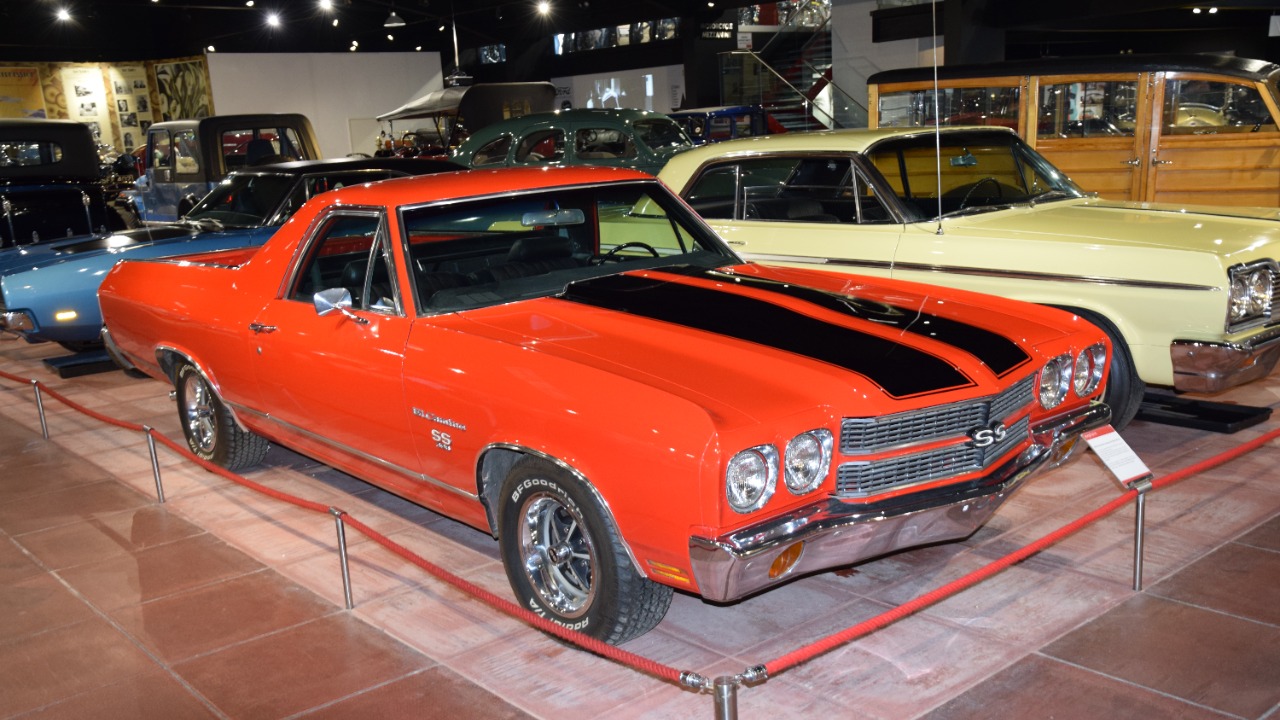
The 1970 Chevrolet El Camino sits in a sweet spot where muscle-car energy met real-world usefulness. It wasn’t just a Chevelle with a bed, and it wasn’t trying to be a farm tool, either. What makes it interesting is how quickly it ended up leaning into performance, even as the wider market was starting to shift. A lot of that came down to smart parts sharing, timely option packages, and what buyers actually wanted.
By 1970, Chevrolet already knew the El Camino’s audience included people who cared about speed as much as practicality. The model rode on the same basic A-body platform as the Chevelle, which meant it could tap into the same engines, suspensions, and appearance packages. That hardware pipeline made it easy for the El Camino to get genuinely serious performance pieces without being engineered from scratch. And because it looked like a pickup at first glance, the muscle underneath could catch people off guard.
Right place, right platform
The biggest reason the El Camino could become more performance focused is simple: it shared its bones with the 1970 Chevelle. That gave it access to a well-developed chassis and the kind of drivetrain menu that already existed for a proven muscle car. Chevrolet didn’t have to convince itself a “car-truck” deserved strong running gear; the parts were already there and already selling. If a component fit a Chevelle, it was often an easy fit for the El Camino, too.
That also meant the El Camino benefited from constant development aimed at the broader Chevelle line. As Chevrolet updated powertrains and tuning for the 1970 model year, the El Camino could ride along. The result was a vehicle that could be equipped far beyond what people associate with a utility body style. It’s a classic case of platform sharing creating an unexpected personality.
SS equipment brought muscle-car credibility
Chevrolet offered the El Camino with Super Sport equipment in this era, and that mattered more than badges. SS packaging wasn’t just cosmetic in spirit; it was a clear signal that performance options were on the table. For buyers, it made ordering a sporty El Camino feel normal rather than like a weird custom build. It also helped the El Camino get taken seriously in the same conversations as other muscle-era Chevrolets.
Importantly, “SS” could mean different things depending on engine and options, so it’s worth being careful with assumptions. Not every SS-marked vehicle is identical, and not every performance-oriented El Camino needs an SS emblem to be quick. But the availability of SS-related equipment shows how Chevrolet was willing to position the El Camino as more than a workhorse. The model could be dressed and equipped to match the era’s performance mood.
Big-block availability changed expectations
One of the most direct ways the El Camino became more performance focused was through available big-block V8 power. In 1970, Chevrolet’s lineup included serious high-displacement engines, and the El Camino could be ordered with the same kind of muscle that made other Chevrolet performance models famous. That transformed the vehicle from “useful and decently quick” into something that could genuinely run. When you can spec an El Camino with big-block power, the whole concept shifts.
This also reframed what owners thought the vehicle was for. Sure, the bed could carry cargo, but a strong engine invites a different kind of weekend plan. The El Camino’s unique shape made the performance even more surprising to bystanders. It’s hard not to see how that would encourage Chevrolet and buyers alike to lean into the fun side.
Suspension and braking options mattered, too
Performance focus isn’t only about horsepower, and the 1970 El Camino benefited from the broader menu of chassis options associated with the Chevelle family. Suspension upgrades and heavy-duty components were part of the ecosystem, letting buyers steer their El Camino toward more controlled handling. Even if someone never planned to carve corners, the appeal of a tighter, more confident feel was real. The muscle era rewarded cars that felt stout and planted.
Braking and steering choices also helped define how “performance” a vehicle felt in everyday driving. When a model offers more than a base setup, people start treating it like a driver’s vehicle instead of an appliance. That’s especially true for a vehicle that might otherwise be pigeonholed as purely practical. The El Camino’s ability to be optioned beyond the basics is a big part of its performance story.
Styling and interior choices nudged it away from “just a truck”
Even without digging into engine codes, the 1970 El Camino’s look could communicate intent. Sport stripes, wheel options, and SS-style trim gave it a muscle-car vibe that regular pickups didn’t try to project. Because it shared styling themes with the Chevelle, it didn’t feel like a novelty; it looked like part of the performance family. That visual connection helped buyers imagine it as something to enjoy, not just something to use.
Inside, available interior upgrades pushed the same idea. A more car-like cabin experience makes people drive a vehicle differently, and it shapes what they expect from it. When the interior feels closer to a sporty coupe than a work truck, performance options feel less out of place. The El Camino’s dual identity worked in its favor here.
Buyer demand kept the performance options alive
Chevrolet didn’t build these options in a vacuum. The El Camino had a customer base that liked the idea of a vehicle doing double duty—useful during the week, entertaining on the weekend. When buyers order the stronger engines and sportier packages, manufacturers notice. Over time, that creates a feedback loop: the lineup supports performance because performance sells.
The El Camino also appealed to people who wanted something different without giving up familiar muscle-car hardware. It stood out at a glance, and that novelty paired nicely with real speed. In an era when image and identity mattered a lot in car culture, the El Camino delivered both. That’s a powerful reason it drifted toward performance.
It landed at the tail end of a peak era
The 1970 model year arrived near the high-water mark for classic American performance, before the early-1970s environment began reshaping the muscle-car landscape. That timing meant the El Camino could still tap into the strongest parts of Chevrolet’s performance catalogue. It wasn’t being designed under the same constraints that would soon narrow options across the industry. As a result, its performance potential in 1970 could be higher than people might expect when they picture the decade as a whole.
That context helps explain why the 1970 El Camino feels like such an outlier in the “pickup-like” category. It benefited from muscle-era priorities while wearing a utility-body silhouette. Put together, it makes sense how it ended up more performance focused than its basic concept suggests. The ingredients were already on the shelf, and 1970 was the right moment to use them.
More from Fast Lane Only
- Unboxing the WWII Jeep in a Crate
- 15 rare Chevys collectors are quietly buying
- 10 underrated V8s still worth hunting down
- Police notice this before you even roll window down
*Research for this article included AI assistance, with all final content reviewed by human editors.