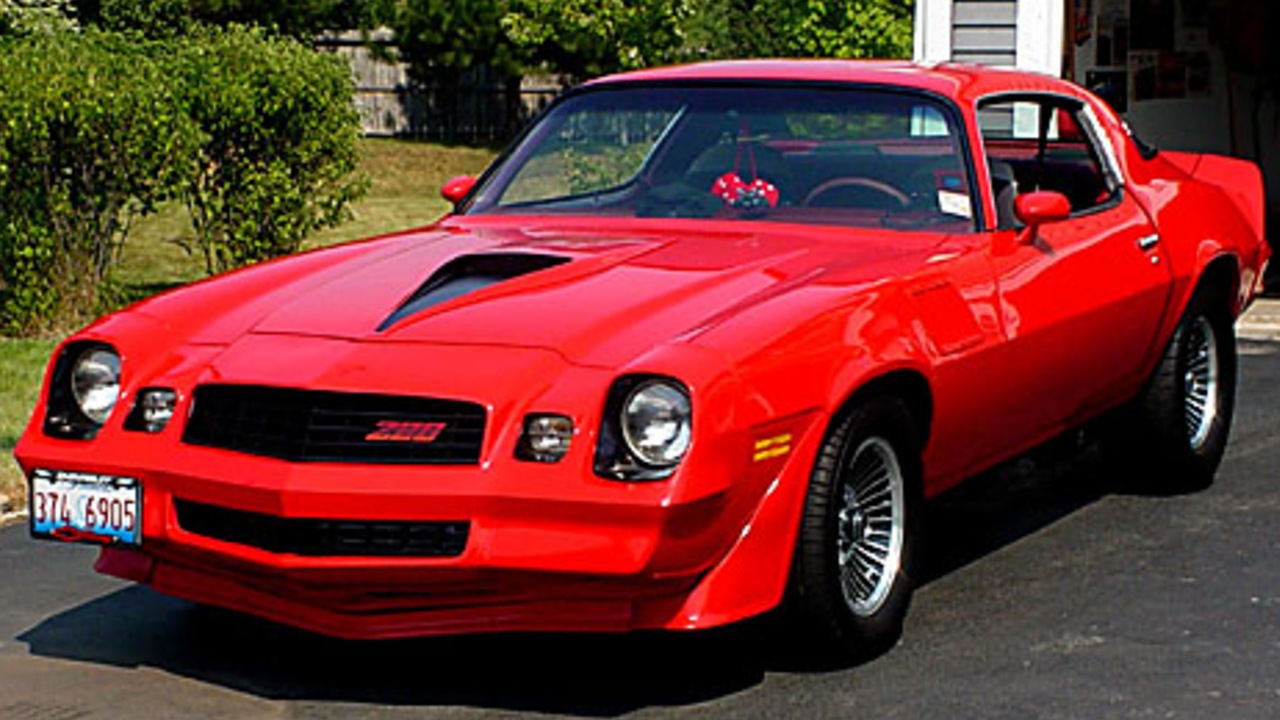
The 1979 Chevrolet Camaro Z/28 arrived at a moment when traditional American performance cars were supposed to be finished. Emissions rules, fuel shocks, and shifting tastes had thinned the herd, yet this late second‑generation Camaro managed to sell strongly while still looking and feeling like a real muscle machine. I see that combination of volume, style, and usable power as the reason the Z/28 helped the Camaro close out the 1970s on a surprisingly high note.
Muscle in a regulated era
By the late 1970s, the classic muscle formula of big displacement and cheap horsepower had been squeezed by new priorities. Rising fuel costs and tighter Emissions standards pushed manufacturers to detune engines and rethink gearing, which left many performance badges as little more than appearance packages. Contemporary muscle car histories describe how stricter rules and unleaded fuel cut output and forced companies to chase efficiency, even as enthusiasts still wanted V8 sound and rear‑drive balance.
Within that context, the 1979 Camaro Z/28 stood out because it still delivered meaningful performance while playing by the new rules. Coverage of the 1979 Camaro Z28 notes that American muscle was “gasping for air,” yet the car retained a strong V8 and chassis tuning that made it more than a decal package. Broader muscle car overviews add that later Brands still offered V8 variants into the 1980s, but these were less powerful than their predecessors, which makes the Z/28’s late‑decade capability even more significant.
Record sales and the Z/28’s share
Performance alone does not close a decade on a high; sales do, and the 1979 Chevrolet Camaro delivered on that front. Production for that model year rose slightly to 282,571 units, a figure that underscores how popular the second‑generation car remained even as newer front‑wheel‑drive designs were appearing elsewhere in showrooms. That total was spread across trims that included the more luxury‑oriented Camaro Berlinetta, which broadened the car’s appeal beyond pure performance buyers and helped keep the assembly lines busy.
Within that large production run, the Z/28 accounted for a substantial slice of volume. Data on the second‑generation Chevrolet Camaro show that total sales topped all previous years and that tens of thousands of those cars carried the Z/28 badge. Valuation records break the 1979 Camaro production into 21,913 six‑cylinder cars and 260,658 V‑8 models, with the Z/28 representing a notable portion of those V‑8s. That mix shows how the car straddled the line between mass‑market coupe and enthusiast favorite, giving the Z/28 a strong platform to build its reputation.
Design that bridged old and new
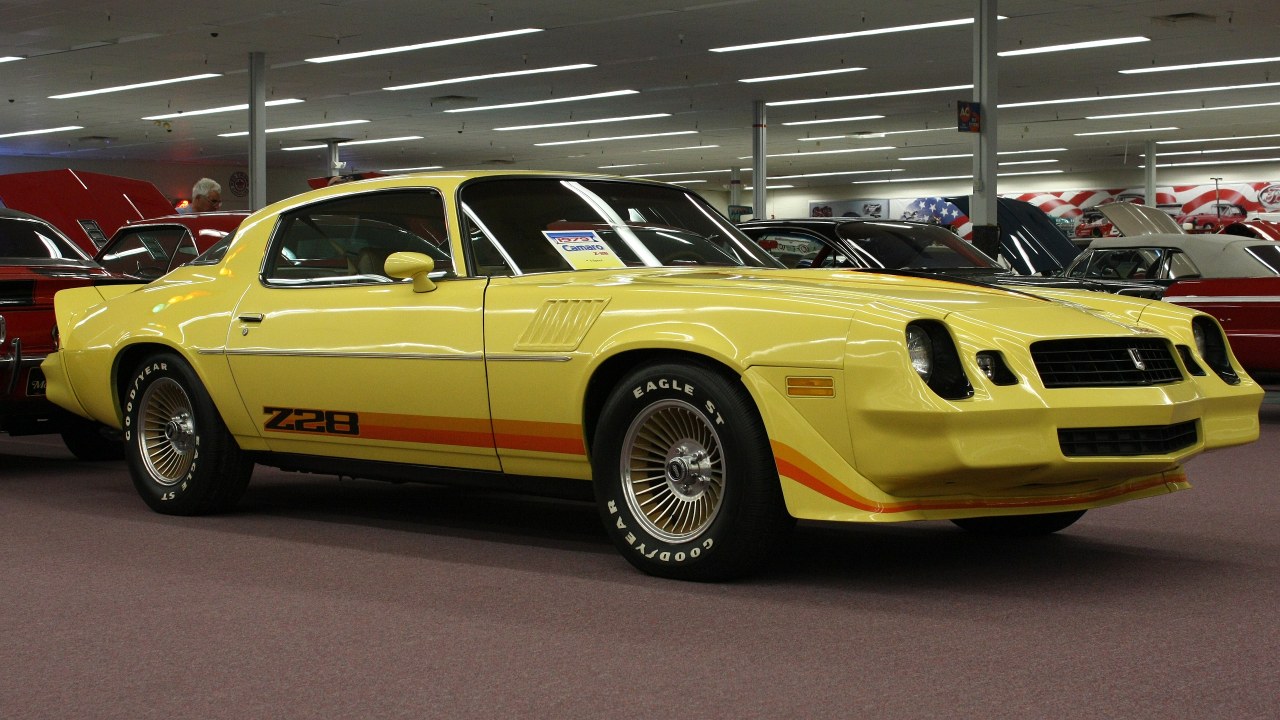
Styling played a major role in why the 1979 Z/28 resonated with buyers who still wanted a traditional muscle silhouette. The second‑generation Camaro of that year retained the flat rear window and thick roof pillars that had defined the body since the early 1970s. According to the second‑generation overview, 1979 was the last year to have a flat rear window, with thick roof pillars, before later years adopted slimmer pillars and a wraparound glass treatment. That detail matters because it made the 1979 car the final expression of the original design language, which many enthusiasts still associate with the classic muscle era.
The Z/28 package layered aggressive cues on top of that familiar shape. Contemporary descriptions of the 1979 Camaro Z28 highlight its functional hood scoop, bold striping, and specific wheels, all of which signaled performance even as regulations limited outright power. Real‑world examples, such as a green Chevrolet Camaro Z28 offered on the used market, show how vivid colors and graphics set these cars apart from base models. I see that visual drama, combined with the last‑of‑its‑kind bodywork, as a key reason the 1979 Z/28 feels like a bridge between the raw late‑1960s cars and the more restrained 1980s coupes.
Performance and price in balance
Under the skin, the 1979 Z/28 had to balance performance with the realities of fuel economy and regulation. Reports on the 1979 Camaro Z28 emphasize that while output figures were lower than peak late‑1960s numbers, the car still offered strong acceleration for its time, helped by a torquey V8 and gearing that favored real‑world drivability. In the broader muscle‑car context, analyses of how engines were detuned explain that manufacturers leaned on compression changes and timing adjustments to meet Emissions rules, which made chassis tuning and gearing even more important to how a car felt on the road.
Affordability was the other half of the equation, and here the Camaro’s pricing strategy was crucial. Valuation data show that Prices for the 1979 Camaro started at $4,676 for a base six‑cylinder car, with V‑8 and Z/28 models climbing from there. That entry figure kept the Camaro within reach of younger buyers, while the step up to a Z/28 still undercut many European or specialty performance cars. When I look at that balance of cost and capability, it is clear why the Z/28 could attract both budget‑minded enthusiasts and buyers who simply wanted a stylish, quick daily driver.
Legacy in the classic market
Decades later, the 1979 Camaro Z/28 has carved out a distinct place in the classic‑car world. Enthusiast commentary on the 1979 Chevrolet Camaro often points out that it was an incredibly successful seller, even when finished in what some consider less flattering shades, a nod captured in the phrase “The Best, Selling Camaro In Its Second, Worst Color.” That mix of huge production and sometimes polarizing paint has made the cars visible on streets and at shows, which in turn reinforces their cultural footprint. At the same time, broader classic‑car market analysis notes that muscle cars, even from the regulated era, remain the backbone of collector interest, with buyers drawn to their sound, stance, and nostalgia.
Within that landscape, the 1979 Z/28 benefits from being both accessible and historically important. It represents the last flat‑window second‑generation Camaro, a high‑volume performance model that proved V8 coupes still had life in them at the end of the 1970s. Market tools that track the Camaro show steady interest in these cars, helped by their parts support and relative affordability compared with rarer 1960s models. When I put all of that together, I see the 1979 Chevrolet Camaro Z/28 not as a compromise, but as a savvy adaptation that allowed American performance to survive a difficult decade and roll confidently into the next one.
More from Fast Lane Only: