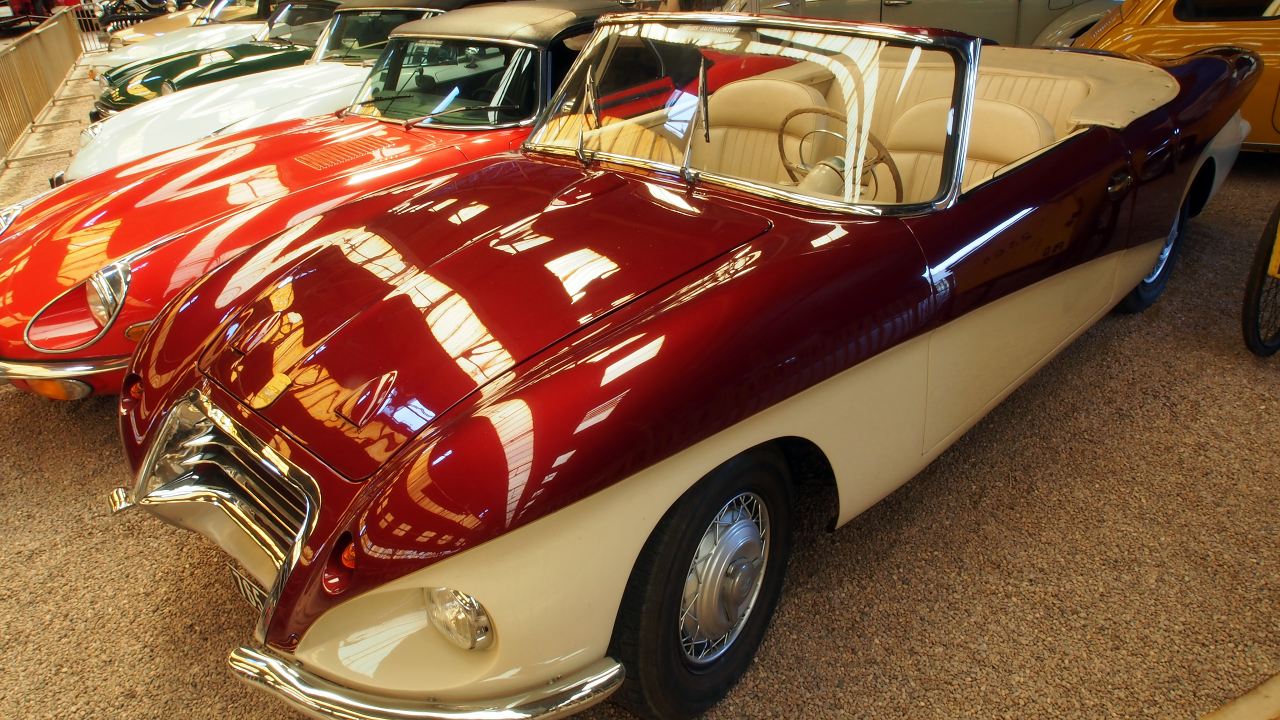
The 1958 Peugeot 403 did more than move families; it quietly taught drivers around the world to trust a French car they had barely heard of. By mixing sober engineering with understated style and a reputation for durability, it turned a regional manufacturer into a credible global player and laid the groundwork for Peugeot’s later expansion.
That trust was not built on marketing slogans but on how the 403 behaved in daily use, from rough rural roads to long continental trips. Its mechanical robustness, thoughtful design and later pop‑culture fame combined to make the car feel dependable, even to buyers who had never set foot in France.
From family mill to global marque
To understand why the 403 inspired confidence, I start with the company that built it. Peugeot began as a family business when Brothers Jean, Frederic Peugeot and Jean, Pierre Peugeot II turned a grain mill into an industrial operation in 1810, long before the automobile existed. That long manufacturing lineage meant that by the time the 403 arrived in the late 1950s, the firm already had decades of experience refining tools, bicycles and earlier cars into reliable products. The 403 was not a gamble from a newcomer, it was the latest step in a methodical industrial evolution that treated durability as a core value.
The 403 itself drew directly on that accumulated know‑how. Engineers took the proven engine from the Peugeot 203 and enlarged it, so the 403 used an updated version of the 203’s 1,290 cc petrol unit. Displacing 1,468 cc, the straight‑four was not radical, but it was carefully developed rather than rushed, a choice that signaled to buyers that Peugeot prioritized steady improvement over flashy experiments. That conservative but competent engineering approach helped the 403 feel like a safe bet for families and taxi operators who needed a car that would simply work.
Engineering trust into everyday driving
Trust in a car is built on the small details drivers notice every day, and the 403 was engineered to make those details reassuring. The enlarged 1,468 cc engine gave the sedan enough power for modern traffic without sacrificing the calm, understressed character that owners associated with longevity. By basing the powertrain on the earlier 203, Peugeot could refine weaknesses instead of discovering new ones in the field, which reduced the risk of early failures that might have damaged its reputation. The result was a car that felt unhurried but capable, a combination that many buyers equated with mechanical honesty.
The 403 also sat at a pivotal point in Peugeot’s technical timeline. Later models such as the 404 introduced fuel injection, the 504 added IRS, and the front‑drive 204 adopted an all‑alloy transverse engine. Against that backdrop, the 403 looks conservative, yet that conservatism was part of its appeal. It offered modern comfort and safety features without the complexity that sometimes made newer systems intimidating or fragile. For drivers in export markets who were wary of unfamiliar technology, a straightforward sedan with a robust four‑cylinder engine and conventional layout felt like a rational, low‑risk choice.
Export hurdles and the slow burn of credibility
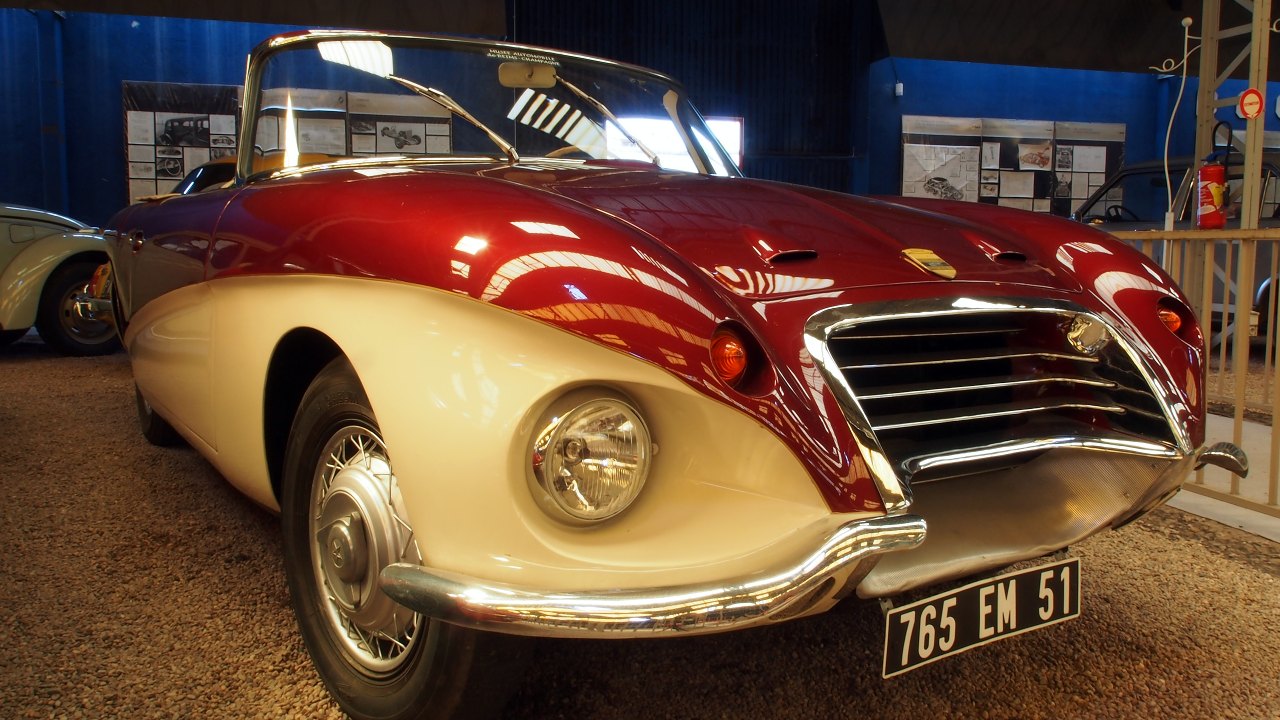
Building global trust required more than a solid car, it demanded patience in markets that were not always welcoming. In the United Kingdom, high import duties in the 1950s and 1960s made the Peugeot 403 significantly more expensive than domestic rivals, which meant right‑hand‑drive 403s were unusual. That scarcity could have limited the model’s influence, yet it had the opposite effect among those who did buy one. Owners who paid a premium for an imported French sedan expected it to justify the extra cost, and the 403’s reputation for toughness and comfort helped it do exactly that, turning early adopters into vocal ambassadors for the marque as a global brand.
Those export buyers were often practical motorists rather than collectors. They chose the 403 because it promised to survive poor roads, heavy use and minimal maintenance, and then discovered that the car largely delivered on that promise. Reports of 403s running reliably in harsh conditions, from rural Europe to distant colonies, reinforced the idea that Peugeot could be trusted far from its home market. In an era when some competitors still struggled with rust, fragile electrics or temperamental engines, the French sedan’s ability to endure quietly did more for Peugeot’s image than any advertising campaign.
From “Sport Sedan of its Day” to screen icon
Durability alone does not make a car memorable, and the 403 also earned trust by being more engaging than its boxy silhouette suggested. Enthusiasts have described a 1960 Peugeot 403 as the Sport Sedan of its Day, Made by a Fascinating Company, a phrase that captures how the car balanced practicality with a hint of verve. The chassis and suspension tuning gave it a composed ride on rough surfaces yet allowed confident cornering, which made long journeys less tiring and helped drivers feel in control. That sense of predictable handling is a subtle but powerful ingredient in mechanical trust.
The 403’s image was later amplified by its role on screen. A Peugeot 403 convertible became inseparable from Lieutenant Columbo and his shambling investigative style, to the point where the battered cabriolet is now shorthand for dogged persistence. It was common knowledge that Peugeot was not entirely happy about the way the car was portrayed, with dents and fender benders along the way, yet the unintended effect was to show a machine that kept going regardless of abuse. When viewers saw the same 403 appear episode after episode, the car’s survival became a visual metaphor for reliability, reinforcing the idea that a Peugeot could be trusted to outlast the case.
The convertible itself has become a subject of fascination in its own right. Video features on the Vintage Peugeot 403 convertible highlight how rare open‑top versions are and how closely they are tied to the actor’s role as lieutenant Columbo. Another detailed look at the model from Quarterline presents the 403 as a French classic, emphasizing its blend of understated design and robust engineering. These retrospective spotlights keep the car in public view long after production ended, and each retelling of its story subtly repeats the same message: this was a dependable companion, not a fragile fashion item.
Legacy in the Peugeot lineup and beyond
The 403’s greatest contribution to global trust may be the way it prepared buyers to accept more advanced Peugeots later on. Once motorists had positive experiences with a straightforward sedan that simply worked, they were more willing to consider successors like the 404, 504 and 204, even as those models introduced fuel injection, IRS and all‑alloy transverse engines. The earlier car acted as a bridge between Peugeot’s conservative past and its more innovative future, proving that the company could add sophistication without abandoning reliability. That continuity helped the brand move upmarket in some regions while still appealing to cost‑conscious drivers.
Looking back, I see the 1958 Peugeot 403 as a quiet cornerstone in the story of automotive trust. It emerged from a manufacturer rooted in the industrial discipline of Brothers Jean, Frederic Peugeot and Jean, Pierre Peugeot II, used an enlarged but familiar engine from the 203, and earned its reputation not through spectacle but through years of faithful service. Export challenges, from high duties to limited dealer networks, slowed its spread, yet the owners who did take the risk found a car that justified their confidence. Through steady engineering, real‑world toughness and an unexpected boost from popular culture, the 403 helped transform Peugeot from a regional French maker into a name that drivers around the world could rely on.
More from Fast Lane Only: