
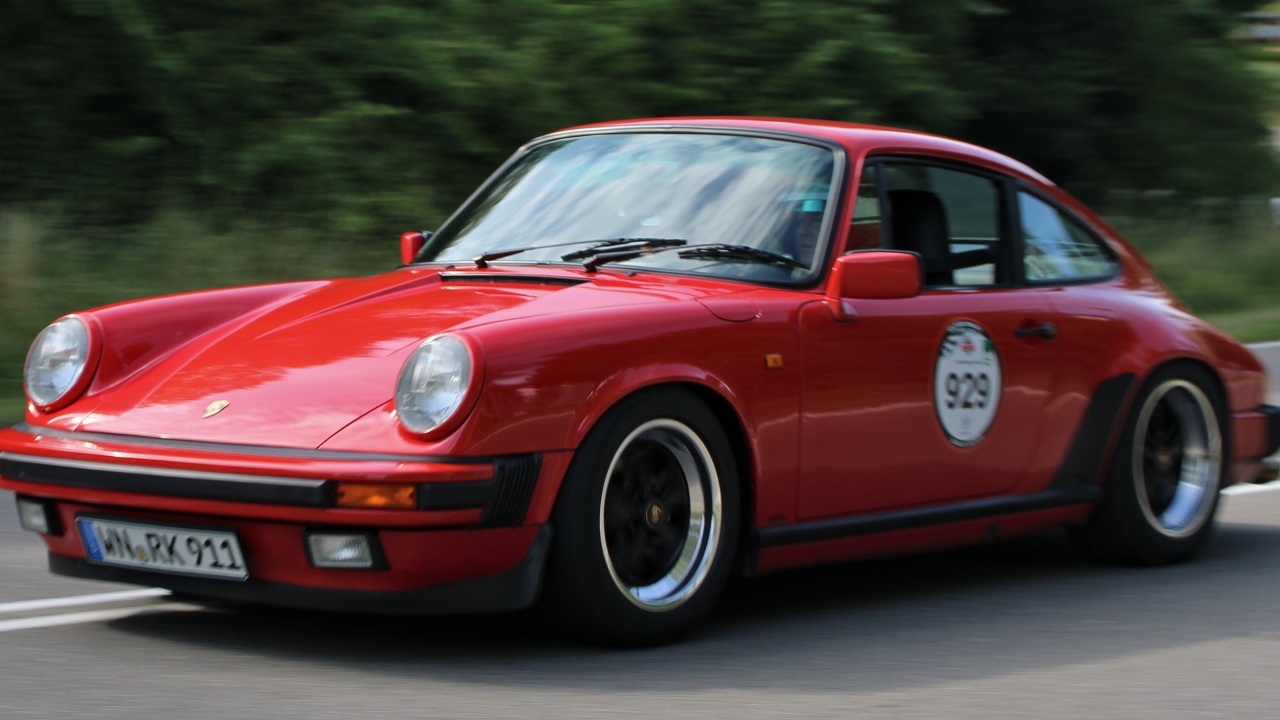
The 1987 Porsche 911 Carrera did not reinvent Stuttgart’s icon so much as polish it to a near-perfect sheen. By blending a more refined drivetrain, subtle chassis upgrades, and carefully judged comfort improvements, it turned the air‑cooled 911 formula into a car that could be both a precise sports machine and an everyday companion. I see that balance as the key to understanding why this specific model year still anchors so many conversations about the classic 911.
From raw sports car to mature all‑rounder
By the late 1980s, the 911 had already cemented its silhouette and rear‑engine layout as non‑negotiable parts of its identity, and the 1987 Carrera focused on making that familiar package more livable without blunting its edge. Contemporary reviews describe a car that still felt light on its feet, helped by the lack of mass over the front axle, which made low‑speed maneuvering surprisingly easy and kept steering feedback vivid in town as well as on a back road. That sense of agility, combined with the compact footprint of the G‑Series body, meant the 1987 car preserved the classic 911 feel even as it became more civilized.
Underneath, the Carrera’s evolution was incremental rather than dramatic, but the cumulative effect was significant. The G‑Series platform had already adopted wider wheel arches to accommodate broader tires, a change that earlier in the decade was tied to racing and winter‑tire requirements and carried through to road cars to improve grip and stance. By the time the 1987 model arrived, the chassis tuning and suspension geometry had been honed to work with those wider tracks, and later commentary on the car highlights how light it feels in everyday driving while still demanding proper technique when the pace rises, a hallmark of the classic 911 experience.
The 3.2-liter flat‑six as the heart of refinement
The centerpiece of the 1987 Carrera’s transformation was its 3.2-liter flat‑six, an engine that combined traditional air‑cooled character with a smoother, more flexible delivery than earlier units. The displacement increase to 3164 cc came from pairing a 95 m bore with a 74.4 m stroke, a configuration that built on the previous SC while allowing more torque and power without sacrificing durability. In period and retrospective descriptions alike, the 3.2 is praised for feeling less peaky and more relaxed at cruising speeds, which made the car far better suited to long‑distance driving than earlier, more frenetic 911 engines.
Output figures underline that shift from rawness to rounded performance. In 1987 trim, the Carrera’s 3.2-liter flat‑six produced 217 horsepower, a number that kept the car competitive in straight‑line speed while leaving room for drivability and reliability to take priority. Owners and specialists often point to the Motronic engine management, with components such as the Bosch 0 261 200 082 ECU and its 4K chip, as a key part of that balance, allowing precise fueling and ignition that improved both response and efficiency. The result was an engine that still rewarded high revs and committed driving but no longer punished its driver in traffic or on long motorway stretches.

The Getrag G50 and the end of the learning curve
If the engine set the tone for a more mature Carrera, the transmission finished the job. Starting with the 1987 model year, the 911 gained the Getrag G50 gearbox, a unit widely regarded as one of the most important upgrades of the late G‑Series cars. Compared with the earlier 915 transmission, the G50 offered smoother shifts, a more precise gate, and a hydraulic clutch that reduced pedal effort and improved consistency in the engagement point. Buyers’ guides single out the 1987 to 1989 cars for this reason, noting that the G50 transformed the driving experience for anyone not already acclimated to the quirks of the older box.
From my perspective, this change did more than make the car easier to drive, it broadened the 911’s audience. Where the 915 demanded a deliberate hand and punished rushed shifts, the Getrag G50 allowed drivers to focus on lines and braking points rather than worrying about baulking the synchros. Contemporary impressions describe a clutch that still felt mechanical but no longer heavy or vague, which in turn made stop‑and‑go traffic less of a chore. That usability gain is a major reason collectors today often prioritize G50‑equipped Carreras when shopping the G‑Series market.
Subtle design and comfort tweaks that mattered
Visually, the 1987 Carrera did not shout about its improvements, and that restraint is part of its appeal. The Carrera body of this era is almost indistinguishable from the earlier SC, with the most obvious external cue being the integrated front fog lights that set it apart if you know where to look. Inside, the evolution was similarly modest, with changes such as a redesigned dashboard and larger air conditioning vents that had appeared earlier in the Carrera run and carried through to the late‑1980s cars. Those tweaks did not alter the basic cockpit layout, but they made the cabin more comfortable and better suited to warmer climates.
Comfort and safety features also crept forward without diluting the car’s sporting intent. Reporting on the 1987 911 highlights improvements in suspension and brake systems that were aimed at better control and responsiveness, particularly in fast corners or challenging road conditions. At the same time, the model gained more thoughtful safety touches, from stronger body structures to better occupant protection, reflecting a shift in expectations for performance cars by the late 1980s. I see these incremental upgrades as part of the same philosophy that guided the engine and gearbox changes: refine what works, avoid unnecessary drama, and let the 911 grow up without losing its core character.
Driving character, market perception, and lasting legacy
On the road, the 1987 Carrera blended these mechanical and ergonomic updates into a driving experience that enthusiasts still describe in vivid terms. Classic reviews emphasize how light the car feels around town, a trait linked to the rear‑engine layout and relatively low front‑end weight, while also noting that the steering and chassis come alive as speeds rise. The combination of the 3.2 engine’s flexible power, the Getrag G50’s precise shifts, and the refined suspension tuning meant the car could be hustled with confidence yet still demanded respect, preserving the sense that a 911 rewards skill rather than masking it.
That balance has had a clear impact on how the 1987 model is valued and remembered. Valuation guides point out that the price of a 1987 Porsche 911 Carrera varies widely with condition, mileage, options, and history, but they also note that these cars are typically sought after by enthusiasts who want a usable classic rather than a fragile museum piece. Dealers describe examples as timeless classics that capture both driving pleasure and iconic design, often highlighting details such as Black and Tan interiors in well‑preserved cars to underline their appeal. In my view, the reason the 1987 Carrera holds this position is simple: it refined the 911 recipe to the point where the car could credibly serve as a daily driver, a weekend toy, and a long‑term collectible all at once, setting a template that later generations would follow.
More from Fast Lane Only:



Leave a Reply