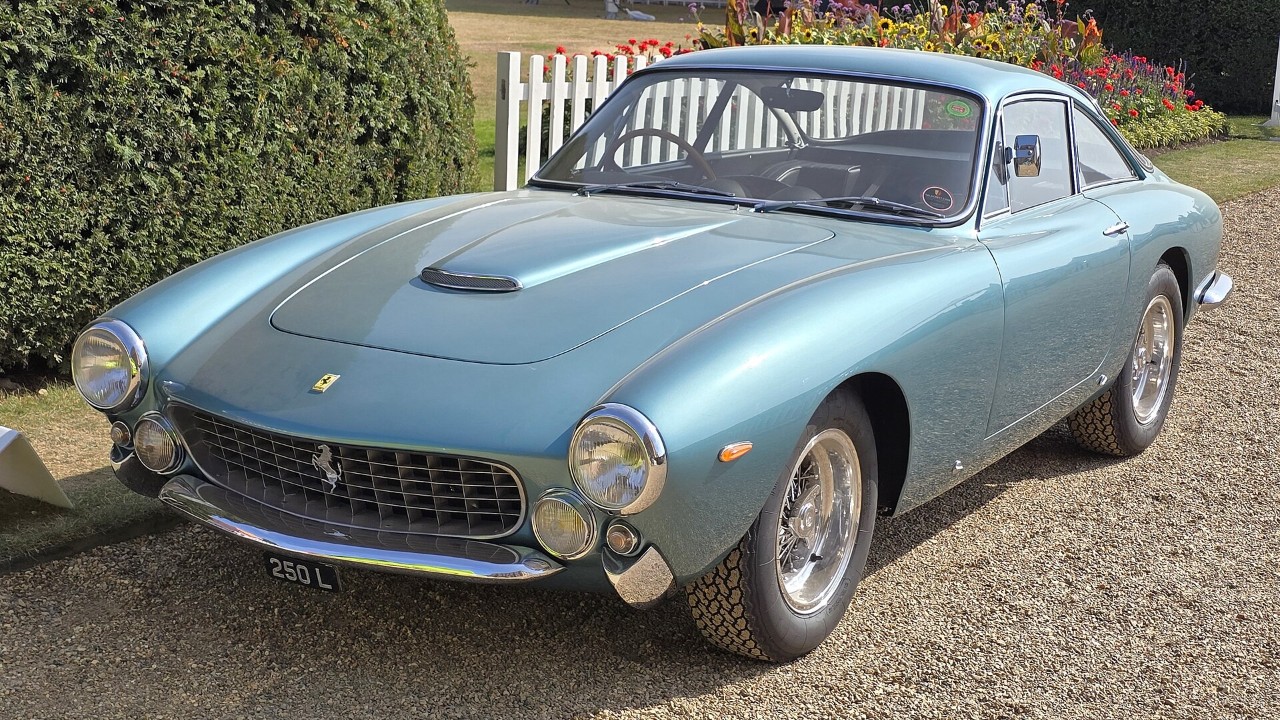
The 1963 Buick Wildcat arrived at a moment when American buyers wanted prestige as much as horsepower, and Buick was tired of watching them defect to flashier showrooms. Instead of building a fragile sports car, the brand slipped on a tailored suit, stuffed a big V8 underneath, and went hunting for status-conscious drivers who liked their luxury with a side of tire smoke. The result was a full-size coupe that tried to park itself in the same mental garage as the era’s personal luxury machines, but with more swagger and a lot more sheet metal.
I see the Wildcat as Buick’s slightly overcaffeinated elevator pitch to the country club crowd: “Yes, you can have leather, chrome, and dignity, but you do not have to be bored.” It was a calculated move to chase prestige buyers who were eyeing sleeker rivals, and it did so with enough style and torque to make even the valet pay attention.
From Invicta afterthought to prestige hunter
Buick did not set out to create a halo car with a wildcat badge, it more or less backed into it. In 1962, the company took its existing Invicta and, almost by accident, bundled a performance package that mixed a big engine, sporty trim, and a harder edge than the usual soft Buick ride. That experiment proved there was an appetite for a more aggressive Buick, and by the following year the Wildcat emerged as its own model, a full-size statement aimed at drivers who wanted comfort but also wanted the neighbors to hear them leave. Period buyer guides note that a Wildcat could be for you if you liked the Invicta idea but wanted more attitude, with details like the standard heater on the hardtop quietly reminding us that even performance-minded Buick owners still expected their creature comforts to be included as part of the deal.
What fascinates me is how quickly Buick tried to turn this accidental success into a deliberate prestige play. The Wildcat’s mission was not just to go fast in a straight line, it was to give Buick a sharper image while the brand prepared a more focused personal luxury coupe. That role would soon be filled by The Buick Riviera, which arrived as General Motors’ first entry in the personal luxury segment and was marketed from 1963 as a distinct, high-profile design, a positioning that is laid out clearly in the history of The Buick Riviera. In that context, the Wildcat feels like the extroverted older sibling, softening up prestige buyers with power and flash while the Riviera quietly rehearsed its debut in the wings.
Luxury muscle, Buick style
On the street, the Wildcat sold its image with a mix of muscle and manners that I still find disarming. Contemporary descriptions frame the 1963 Buick Wildcat as a bold full-size performance-luxury car that blended sleek styling with a powerful Nailhead V8, a combination that enthusiasts now celebrate as classic luxury meeting full-size muscle. Inside, the car doubled down on its upmarket ambitions with bucket seats, a center console, and elegant detailing that emphasized comfort and class, a cabin layout that enthusiasts now praise as a blend of power, prestige, and timeless design.
Under the hood, the Wildcat leaned on Buick’s Nailhead V8 to deliver the kind of effortless thrust that prestige buyers could appreciate without needing to memorize cam specs. Enthusiasts today still highlight how the 1963 Buick Wildcat was a bold and stylish full-size performance car Powered by a Nailhead engine, a combination that has earned hashtags like #NailheadPower and #LuxuryMuscle in modern discussions of the Buick Wildcat. That mix of smooth torque and upscale trim helped cement Buick’s reputation for combining performance with luxury, a reputation that later builders have pushed to extremes with projects like a twin turbo Nailhead powered 1963 Wildcat on modern suspension, a car celebrated as proof that the 1963 Wildcat helped cement Buick’s standing for power and American craftsmanship.
Fighting siblings and future collectors
Of course, no prestige chase is complete without a little family drama, and the Wildcat had plenty. When you question what the Wildcat was doing in Buick’s lineup, you really have to question those other two middle children at Pontiac and elsewhere inside General Motors, a point made with some dry humor in a retrospective that looks at how the Wildcat tried to carve out its own identity. Buick was juggling the Wildcat, the Riviera, and more traditional sedans, all while Pontiac chased youth and Chevrolet chased everyone, which meant the Wildcat had to shout a little louder to be heard. That tension shows up in modern reviews of Buick’s broader lineup, where writers still wrestle with how the brand balances comfort, performance, and image, a balancing act that can be traced back through decades of Buick reviews.
Today, the Wildcat’s prestige ambitions have aged into a kind of charismatic quirkiness that collectors love. Buyer guides point out that the model’s origins in the Invicta experiment now make it an appealing alternative to more obvious muscle cars, especially for people who appreciate Buick’s particular mix of restraint and bravado, a story told in depth in the Buick brand’s evolution. For a car that started as a dressed-up Invicta, that is not a bad legacy for a prestige hunter with a very loud purr.
More from Fast Lane Only: