The 1968 Ford Torino GT arrived at a moment when muscle cars were starting to grow up, and it quietly rewrote what “performance” meant for drivers who still needed to live with their cars every day. Instead of chasing raw quarter-mile glory at any cost, it blended serious power with comfort, space, and a more refined image that separated it from the wilder pony cars of the era. I see that mix of speed and sensibility as the key to how the Torino GT helped mature the performance game for Ford and for the broader mid-size market.
From Fairlane workhorse to Torino GT flagship
When Ford rolled out the Ford Torino GT, it did more than slap a new badge on an existing platform, it repositioned its entire intermediate lineup around a more upscale, performance-minded identity. The Torino nameplate arrived as the higher trim level in the mid-size range, with the Ford Torino GT marketed as the performance oriented version that sat above the more basic Fairlane roots. Instead of treating speed as an optional add on, Ford baked it into the character of the car, presenting the Torino as the natural step up for buyers who had outgrown compact pony cars but were not ready for full-size barges.
That shift is clear in how the company framed the car as the new face of its intermediate offerings, with the Ford Torino GT introduced as part of a redesigned lineup that effectively pushed the older Fairlane nameplate aside for performance duty. Contemporary descriptions point out that the Ford Torino GT replaced the Fairlane as the more aspirational choice, sold as a compelling mix of style, power, and comfort rather than a stripped down drag special. In other words, Ford used the Torino GT to tell buyers that performance could come wrapped in a car that looked and felt like a step up in life, not just a louder exhaust note.
Design that looked fast and lived easy
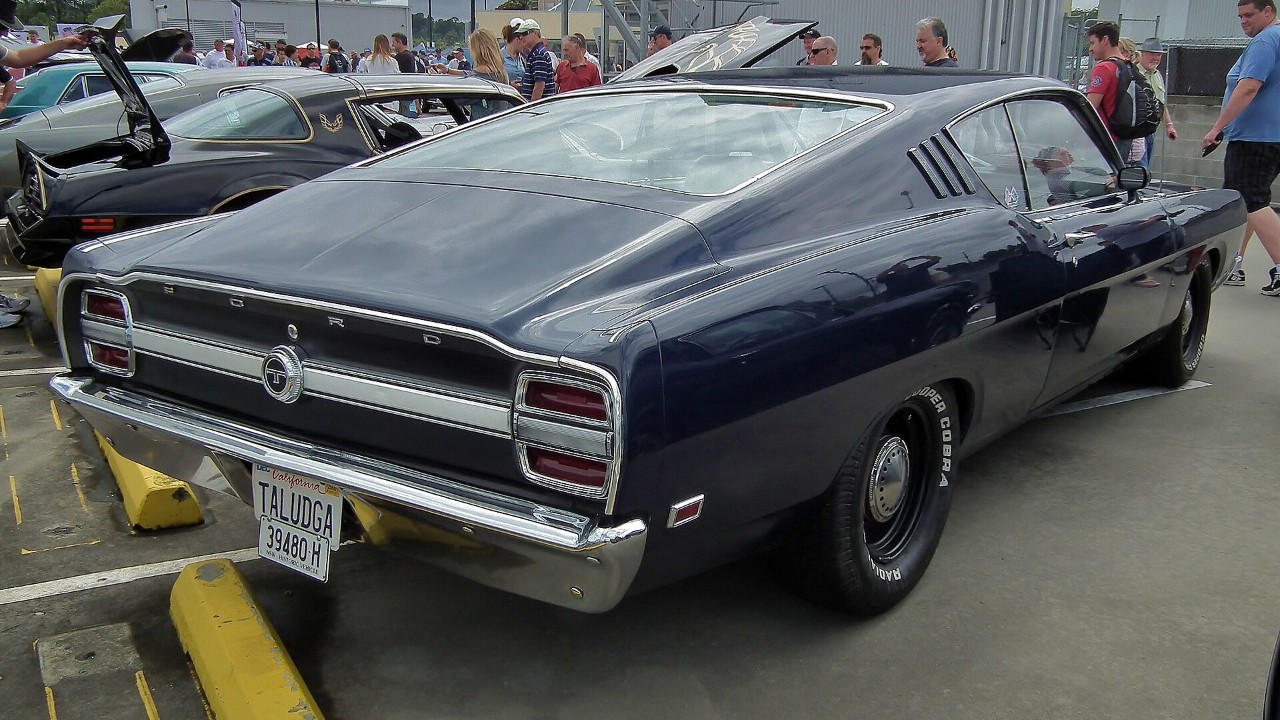
What really sells me on the Torino GT as a turning point is the way its design tried to have it both ways, aggressive enough to turn heads but subtle enough to live with. The fastback, or SportsRoof, version leaned into a sleek, aerodynamic roofline that visually stretched the car and made it look lower and more purposeful without resorting to wild stripes or bolt on scoops. That shape did more than photograph well, it helped the car slip through the air at highway speeds and gave Ford a mid-size that looked like it belonged in the same conversation as the more flamboyant muscle machines of the day.
Descriptions of the Torino GT Fastback underline how striking that profile was, with the Fastback singled out for its sleek roofline and muscular stance. At the same time, the broader Ford Torino GT lineup was built as an intermediate sized car, not a cramped coupe, which meant real rear seat space and a trunk that could swallow luggage or groceries. Enthusiast overviews of the Ford Torino Overview describe the platform as bridging the gap between performance and practicality, and that balance is exactly what made the GT feel like a grown up muscle car rather than a weekend toy.
Engines that balanced brute force and real life
Under the hood, Ford walked a careful line between headline grabbing power and engines that would not terrify insurance agents or daily commuters. The Torino GT could be had with serious big block muscle, including 390 and 428 cubic inch V8s, but Ford also offered more modest powertrains that still delivered strong acceleration without the full cost and thirst of the top options. That menu let buyers tune their own version of “performance,” from boulevard cruiser to near drag strip weapon, all within the same body shell.
To understand how Ford calibrated that power, it helps to look at what the company was doing with the Mustang at the same time. The 428 Cobra Jet in the pony car had an output that was around 410 horsepower, yet Ford officially rated it at 335 horsepower to keep insurance and racing scrutiny in check. A similar strategy shaped the Torino GT, which shared big block hardware and the same corporate caution about published numbers. At the lower end of the scale, period discussions of the Mustang note that Ford offered several engine options with a factory rated 325 horsepower in the GT, and that same philosophy of a wide power range carried over to the Torino. The result was a car that could be specced to suit a suburban commuter or a serious street racer, which is a very different mindset from the one size fits all big block packages that defined earlier muscle efforts.
Comfort, equipment, and the “grown up” muscle brief
Inside, the Torino GT leaned into comfort in a way that signaled how Ford saw the future of performance. Bucket seats, full carpeting, and upscale trim were not afterthoughts, they were standard cues that told buyers this was a step above the bare bones Fairlane sedans that had come before. The Torino GT also wore unique badging and exterior details that separated it from the workaday versions, so you knew you were looking at something special without needing to decode option tags.
The 1968 Torino GT was a pivotal year for Ford’s intermediate performance cars, with the GT offering standard bucket seats, distinctive trim, and enough chassis tuning to make it more than just a pretty face. That mix of comfort and capability is what let the Torino GT function as a true daily driver, not just a weekend burnout machine. When you add in the way enthusiasts describe the Ford Torino GT Fastback as a sleek and stylish car that still delivered real world usability, it is clear that Ford was aiming at buyers who wanted to go fast without giving up the basics of family life.
Sales, testing, and the legacy of a quieter revolution
The market response shows that this more mature take on performance resonated. While only 5,317 Torino GT convertibles were sold, the fastback coupe notched up 74,135 sales, and the two door hardtop added even more volume. Those numbers tell me that buyers gravitated toward the body styles that best expressed the GT’s blend of style and practicality, especially the fastback that looked racy but still functioned as a proper mid-size. The fact that the convertible remained relatively rare only adds to its appeal today, but it also underscores how the core of the Torino GT story was about everyday usability rather than open top glamour.
Contemporary road tests backed up that appeal. Motor Trend, for example, put a Torino GT SportsRoof through its paces and came away impressed with most aspects of the car, noting strong acceleration and a chassis that felt composed even when pushed, while criticizing only the compromised rear visibility that came with the dramatic roofline. That kind of balanced verdict fits the broader narrative of the Torino GT as a car that tried to do a lot of things well rather than chase a single spec sheet number. Later enthusiast write ups of the Torino GT highlight how its combination of power, comfort, and style made it a standout driver even decades on, which is exactly what you would expect from a car that helped nudge muscle machines toward a more rounded idea of performance.
Looking back now, I see the 1968 Ford Torino GT as a kind of quiet revolutionary, less loud in the culture than the Mustang or the big block Chevelles, but hugely important in showing how performance could mature. It debuted the Torino nameplate as an upscale, performance oriented version of Ford’s mid-size line, with sources describing the Ford Torino GT as both sleek and practical, and the Ford Torino GT more broadly as the performance oriented version of the new Torino line. By threading that needle between raw speed and real life, it helped set the template for the kind of performance cars many of us still want today, fast enough to thrill, refined enough to live with, and smart enough to know that growing up does not have to mean slowing down.More from Fast Lane Only: