
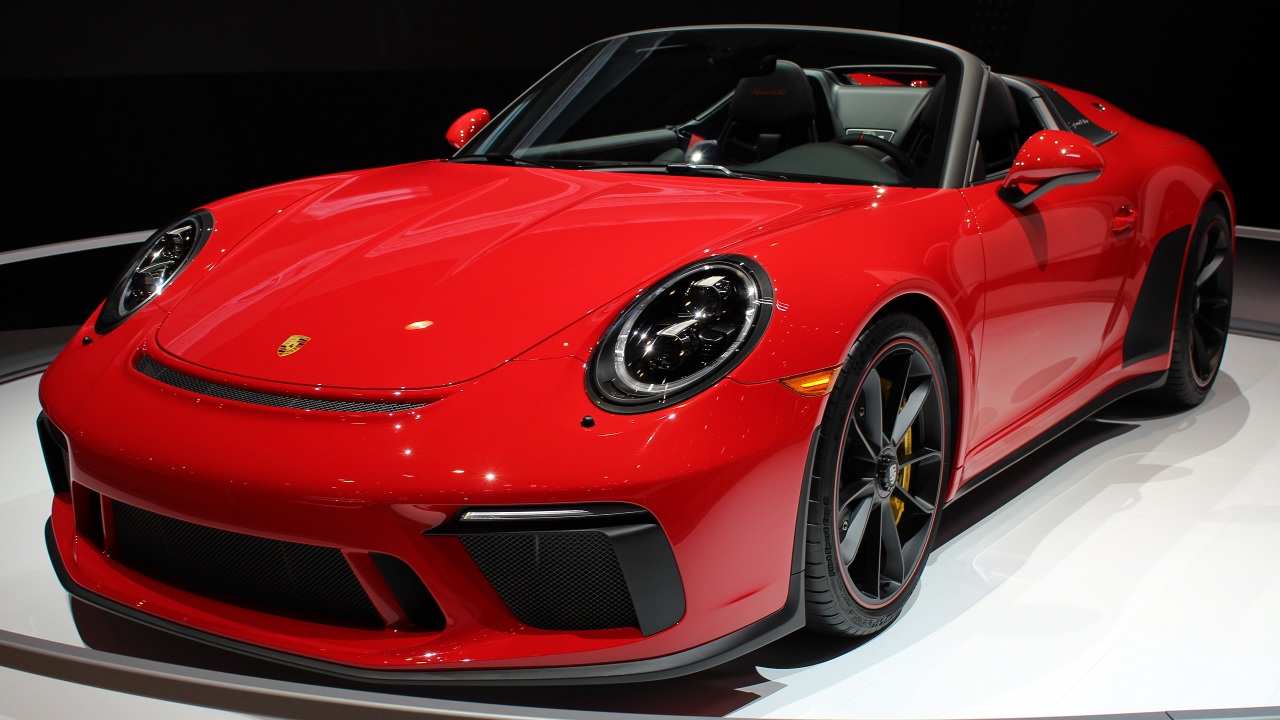
The 2019 generation of the Porsche 911 arrived with a difficult brief: evolve one of the most recognisable sports cars on the planet without losing the qualities that made it an icon. The result, known internally as the 992, did not just add more power and screens, it carefully reweighted the mix of heritage cues and cutting edge engineering. In the process, it showed how a rear engined classic could absorb modern safety, connectivity and performance tech while still feeling like a familiar 911 from behind the wheel.
Wider, cleaner, more digital – but still a 911 at a glance
From the first walkaround, the 992 makes its case visually. The car is physically larger, with the body Compared to its predecessor by an extra 45 mm (1.8 in) of width that gives it a planted stance without turning it into a caricature. The designers leaned heavily on aluminium body panels to keep weight in check and sharpen response, a move that also opened the door to crisper surfacing and tighter panel gaps. At the rear, a new bumper and integrated exhaust layout tidy up the airflow and frame a full width light bar that instantly signals this is the latest evolution of the 911 silhouette rather than a retro remake.
Inside, the shift toward digital is obvious, yet the layout still feels rooted in familiar Porsche logic. The central touchscreen grows to a 10.9-inch display, and it is standard equipment alongside a traditional manual transmission option that reassures purists. The broader family tree is already sprawling, with the core Porsche 911 (992) range spawning variants like the Porsche 911 Carrera Cabriolet (992.2), a detail that shows up in the model tables where the 911, 992 and 992.2 designations sit side by side under the names Porsche, Carrera Cabriolet and even a truncated “Porsch” entry. That mix of meticulous cataloguing and slightly messy reality is fitting for a car that has to be both a heritage object and a living, evolving product line.
Bodywork and production: tradition shaped by robots

Under the skin, the 992’s structure is where I see the most literal balancing act between old and new. The basic recipe of a compact 2+2 coupe with a rear mounted flat six remains, but the body is now a sophisticated composite of metals. The official description of the eighth generation highlights how the current 911 design is defined by precise high performance surfaces and subtle references to earlier cars, a point underscored in the section on Design and model variants that notes the one part LED light strip at the rear. That strip is not just a styling flourish, it is enabled by the stiffer, wider body shell and the more complex mix of aluminium and steel that sits beneath the paint.
The way that shell is built shows how far the 911 has travelled from its hand finished origins without losing the obsessive attention to detail. In the body shop, Robots lift the chassis of the new Porsche 911 onto skids using handling grippers, and those skids carry the prepared body through a series of stations where different joining techniques are used in the final vehicle. The process is described in almost choreographed terms, with Porsche emphasising how the composite design technology allows more aluminium without sacrificing rigidity. That industrial ballet is the unseen counterpart to the classic bonnet line and round headlights that owners recognise instantly.
Wide Body stance and the driving feel it unlocks
On the road, the extra width and revised suspension geometry are not just numbers on a spec sheet, they are central to how the 992 drives. Former Formula 1 driver Mark Webber, speaking as a brand ambassador, zeroed in on the Wide Body as one of the key reasons he rates the new 911 so highly, noting that the body comprises more aluminium, less steel and new composite materials compared with the previous 991 model. That change is not about visual drama alone, it broadens the track and lets the engineers run more aggressive wheel and tyre packages while keeping the car stable at the kind of speeds the 911 routinely sees on unrestricted autobahns and race circuits.
Independent testers have picked up on the same theme from behind the wheel. One detailed overview of the 992 describes it as the most technologically advanced and dynamically capable interpretation of the Porsche 911 yet, with the author framing their piece as An Overview of the car that stresses how the chassis electronics and wider footprint work together. Another technical guide, billed as The Ultimate Guide, lists “Increased Size and Weight” as a headline change, explaining that the 992 is slightly larger than the 991 and uses that extra size to accommodate a longer wheelbase and wider track. The trade off is a modest weight gain, but the payoff is calmer high speed behaviour and more confidence when you lean on the car through quick direction changes.
Heritage design cues in a thoroughly modern cabin
Open the door and the 992’s interior makes its own argument for continuity. The instrument cluster is described in one detailed Story and History of the Porsche 911 (992) as similar in layout to earlier generations, with a central analogue rev counter flanked by digital displays that can show navigation, performance data or classic style gauges. That mix of old and new is deliberate, a way of reassuring long time owners that the car still speaks their language even as it adds layers of configurability. The same narrative notes that the 911, 992 and Present era cars share a common Type designation, underlining how Porsche sees this as one continuous line rather than a clean break.
The exterior design leans on specific callbacks too. The official launch material for the new Porsche 911 highlights a Bonnet in the style of the G series, with a forward extended bonnet and a distinctive recess that visually lengthens the front end. That detail, combined with the upright front wings and round headlights, makes the car instantly recognisable as a 911 even to casual observers. At the same time, the eighth generation press kit describes the current 911 design as characterised by precise high performance surfaces and a one part LED light strip, a combination that could only exist on a modern car with contemporary lighting and manufacturing technology. It is a neat visual summary of the whole project: classic proportions, modern execution.
Electronics, assistance and the art of staying out of the way
Underneath the familiar shapes, the 992 is quietly one of the most electronics heavy 911s ever built, and that is where the balance between tradition and tech could easily have tipped too far. A detailed technical feature notes that at present, Porsche is being tantalisingly quiet regarding full and precise technology details for the new generation, but it does confirm that the engine’s extra power is paired with advanced driver assistance systems designed to reduce the risk of collisions with moving objects. Those systems include radar and camera based aids that can watch blind spots, manage adaptive cruise control and even intervene with automatic braking, all in a car that still expects the driver to be engaged.
The infotainment and connectivity package follows the same philosophy. In a video walkaround of the Porsche 911 Carrera 4S, the presenter notes that in terms of digitalisation, the 911 takes the next step into the future with permanent connectivity and new functions, including online navigation and real time services. The broader buyers’ guide to the 992 spells out how advanced systems such as Porsche’s latest stability and traction control work in the background, with the author of The Porsche 911 (992) buyer’s guide arguing that the car is still defining the category for everyday usable sports cars. From my perspective, the key is that these systems are tuned to support rather than smother the driver, a point echoed by road tests that praise the natural steering feel and the way the electronics fade into the background when you are driving smoothly.
On the road: steering feel, agility and the human connection
Ultimately, the success of any 911 generation is judged not by its spec sheet but by how it feels on a favourite road, and here the 992’s blend of tradition and tech comes into sharp focus. One early driving impression framed the car as a “balancing act”, noting that it is in direction changes that the new Jan 911 really finds its groove, with steering that is 11% more direct and a suite of systems available to enhance handling stability. That sharper steering ratio, combined with the wider track and revised suspension, gives the car a sense of agility that belies its increased size and weight. Yet the feedback through the wheel and seat still feels organic, a reminder that there is a mechanical heart beating beneath the algorithms.
Another road test, structured around six things to like and four to question, concluded that Porsche has done an excellent job nailing steering feel with many of its cars and that the 911 is no exception, with the industrial strength acceleration inducing big grins. The author singled out the way the car communicates grip levels and weight transfer as a key part of its appeal, something that no amount of digital trickery can fake. For me, that is where the 2019 911’s rebalancing act really pays off: it uses modern materials, production methods and electronics to expand the car’s capabilities, but the sensations that reach the driver still feel reassuringly analogue. In an era when many performance cars risk becoming fast but remote appliances, the 992 manages to be both a cutting edge machine and a faithful continuation of a six decade story
More from Fast Lane Only:



Leave a Reply