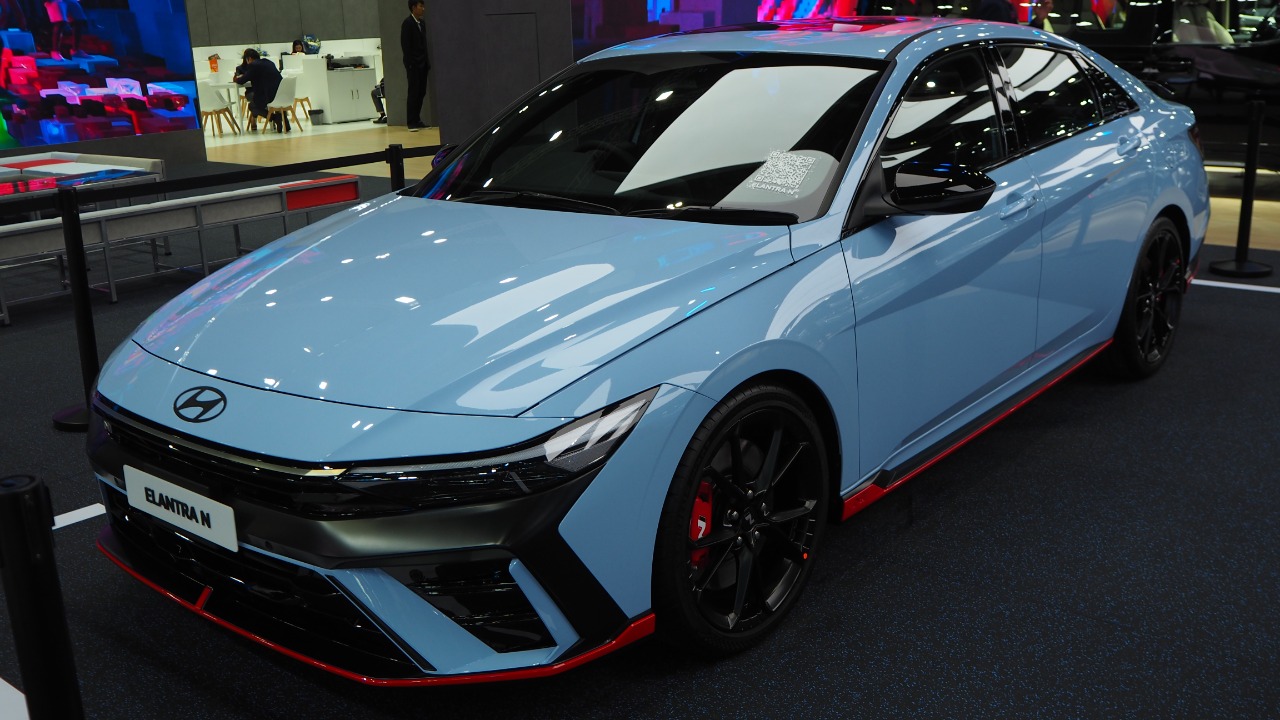
You expect a compact sedan with an economy-car badge to be sensible, quiet, and maybe a little forgettable. The 2023 Hyundai Elantra N is none of those things, and that is exactly how it clawed its way into the conversation with far pricier performance heroes. Instead of chasing instant hype, it earned respect the hard way, by backing up its wild exhaust, serious hardware, and track record with the kind of everyday usability you can actually live with.
If you are wondering how a Hyundai Elantra ended up being mentioned alongside established sport sedans, you have to look at the way this car mixes numbers, feel, and durability. The 2023 Elantra N does not just post quick times, it convinces skeptical drivers, track instructors, and long‑term owners that it is the real thing.
The unlikely sport sedan that refused to be a gimmick
Your first clue that the 2023 Hyundai Elantra N is not a marketing exercise is the way it is built around serious performance hardware rather than appearance packages. Power comes from a turbocharged 2.0‑liter inline‑four that the Hyundai Elantra performance line shares with other N models, and it is paired with either a manual or dual‑clutch transmission tuned for hard use. Dealers that publish a dedicated Model Review in Phoenix and a similar Model Review in Carrollton both emphasize that this is the high‑performance Elantra, not a trim line with stickers. In Arlington, another Model Review underlines that the car arrives from the factory with an active exhaust valve system and a full N‑tuned chassis.
That foundation lets the Elantra N behave like a true sport sedan rather than a commuter with a loud muffler. One detailed Take on the car points out that if you strip away the “hot engine and the gobs of power” and just drive it as an Elantra, you are left with a surprisingly composed, quiet, and solid sedan. Another overview of what you should know about the Hyundai Elantra N stresses that it grew out of a long‑running family car, and that history of building a solid mid‑sized sedan is part of why this performance version feels so sorted instead of fragile.
Numbers that back up the attitude
Respect in the performance world still starts with the stopwatch, and the Elantra N shows up ready. One detailed breakdown of its 0 to 60 performance notes that the 2023 Hyundai Elantra N is built for drivers who care about that sprint, and another section on Performance and Speed explains that the car inherits its Engine and Transmission from the Veloster N program. A separate analysis of a comparable performance car highlights a 5.7-second zero to 60 M sprint for a manual and a 5.3-second run for the automatic, and notes that Both transmissions deliver their times at full tilt in MPH territory that used to belong to dedicated sports cars. That context helps you see why the Elantra N’s own figures are taken seriously rather than dismissed as “quick for a Hyundai.”
Price is the other half of the numbers story. A detailed set of Specs lists a Base price of $34,015 and an as‑tested figure of $34,415, paired with a Powertrain that includes a 2.0‑liter turbocharged inline‑four and a 6‑speed manual. Another section of the same Hyundai Elantra review notes that the adaptive dampers can be softened to dial back the track‑car vibe, which means you are not paying that price just to suffer through a stiff ride. When you stack those figures against the acceleration data and the hardware list, the value case becomes part of why enthusiasts have warmed to the car.
Exhaust drama, track chops, and real‑world smiles
Plenty of cars are quick, but the Elantra N built its reputation on how it feels when you actually drive it hard. One reviewer admitted “I have not smiled this much in a new car for quite some time” and blamed the way Driving mundane commuters dulls your senses until something this lively comes along. That same piece notes that the standard exhaust is so loud in its most aggressive mode that an owner was reportedly pulled over and told to have the system inspected, a story that lines up with a separate report about a Hyundai Elantra N driver in Riverside, California, whose stock car was banned from the road over the loudness and character of the exhaust. The fact that the controversy centered on a factory system, not an aftermarket setup, tells you how far Hyundai was willing to go to give you drama.
On track, the car’s reputation has been shaped by people who drive fast for a living. A video review titled “2023 Hyundai Elantre N | Not What I Expected on Track” opens with the host telling you “man you are getting a lot of car a lot a lot of car” and calling it the most serious hardcore version of the Elantra. Another upload of the same Hyundai Elantre session reinforces that impression, with repeated praise for how much car you are getting for the money. At the grassroots level, owners on an enthusiast forum list Pros like “Really fun to drive,” “amazing exhaust sound,” and “solid cooling even for track days,” while a separate capture of the same Pros thread repeats that the car asks a lot of you in terms of engagement, which is exactly what you want from a serious driver’s car.
Engineering for abuse, not just brochures
Respect also comes from how a car holds up when you stop babying it. A detailed look at the Elantra N’s Michelin Pilot Sport setup notes that the suspension is paired with Pilot Sport 4S tires sized 245/35ZR19, which gives you serious grip and stability when you lean on the car. That same overview points out that with proper maintenance, owners are seeing these cars approach or even surpass the 200,000‑mile mark, which is not the kind of lifespan you usually associate with a turbocharged sport sedan. A separate buyer’s guide from a used‑car research site flags Mediocre fuel economy, a Swoopy roofline that cuts into rear headroom, and an Extended powertrain warranty that does not cover every component, so you are not walking into ownership blind.
On the racing side, the Elantra N has already done the kind of work that exposes weak engineering. At the ADAC Ravenol 24 Hours of Nürburgring, a grueling race that punishes brakes, cooling systems, and suspensions, the Elantra N TCR finished second for Team Americas, with the crew describing the car as “absolutely perfect” and noting that the lack of drama was a sign of “perfect engineering from Hyundai Motorsport.” That kind of endurance result feeds directly back into the road car, which already benefits from the same basic platform and N‑division development. When a race team says they have never gone through so many water bottles but had “no stress, no problems” from the car, you know the hardware is not just tuned for a single hot lap.
Everyday livability that seals the deal
What finally won over skeptics is how easily you can daily this car without feeling like you bought a track toy by mistake. A detailed blog on Horsepower and Real World Performance notes that The Elantra N “masterfully blends daily usability” with serious pace, and that The Elantra delivers in every gear. Another review of the Mar test car talks about how much more the driver smiled compared with time spent in crossovers, and a separate section on Mar notes that the car feels just as special on real roads as it does in spec sheets. A long‑form review of the Hyundai Elantra N even calls it a “masterpiece” in context, and a follow‑up section on the adaptive dampers explains how you can soften the suspension to prioritize comfort over a track‑car vibe, which is crucial if you are commuting in traffic rather than chasing lap times.
More from Fast Lane Only