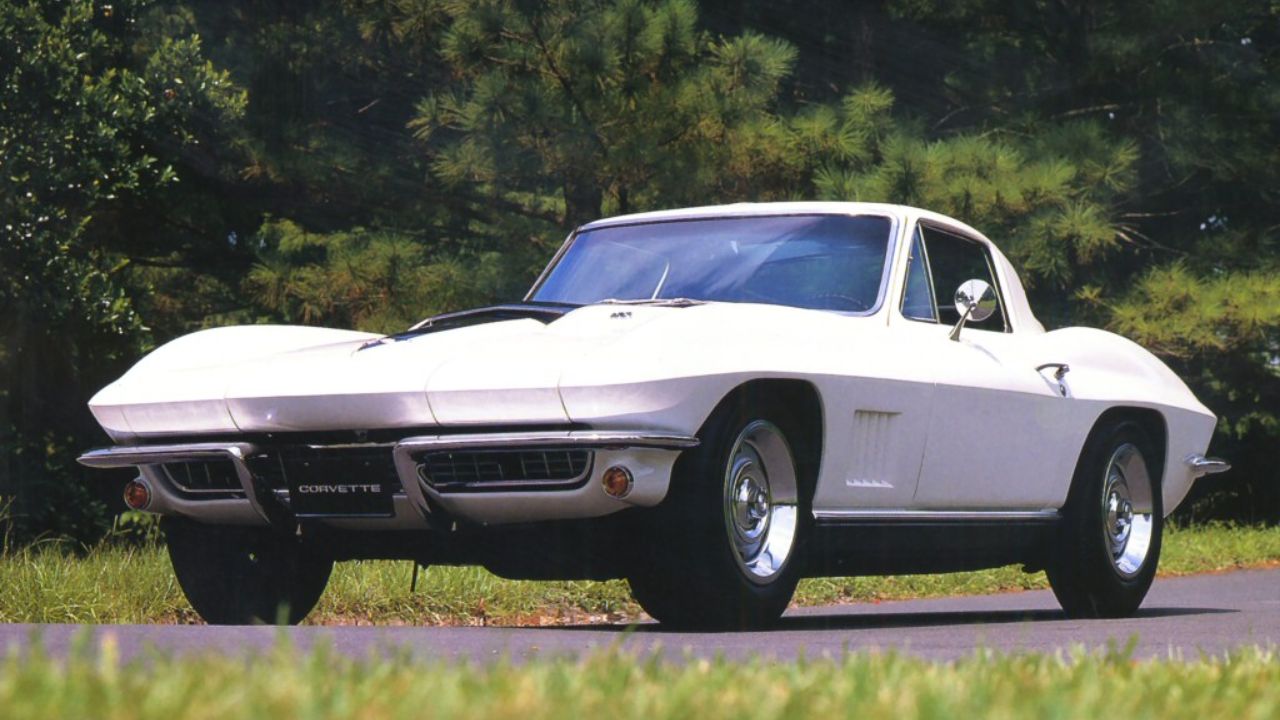
The 1967 Corvette L88 was not built to make you comfortable, it was built to make you fast. Chevy treated the car like a factory race kit with license plates, stripping away everyday amenities and quietly underrating its power so only the most serious buyers would even try to live with it. That ruthless focus is exactly why only 20 were made and why you now see those cars trading for millions instead of commuting in traffic.
If you are used to modern performance cars that mix heated seats with launch control, the L88 feels almost hostile. Yet that hostility was the point, and it explains how a bare‑bones Corvette turned into one of the rarest and most valuable American performance cars ever built.
Built as a secret weapon, not a street car
When you look at the 1967 L88, you are not really looking at a trim level, you are looking at a racing program that happened to wear a license plate. Chevrolet engineered the L88 package around the 427 cubic inch big block and then tried to hide just how wild it was by underrating its horsepower and burying the option in the order sheet. Contemporary coverage notes that Chevy openly lied about the output, quoting a conservative figure while the engine delivered far more in real use, which is why enthusiasts still describe it as the most insane Corvette of its era.
That secrecy was not just marketing theater, it was corporate strategy. Chevrolet had to navigate internal politics and outside racing restrictions, so the L88 engine became a story of corporate maneuvering and engineering brinkmanship rather than a simple option code. Later accounts describe the chevrolet L88427 as more than a powerplant, calling it a tale of corporate subterfuge and a high stakes battle around racing rules, a reputation that has only grown as videos and retrospectives revisit the banned engine story.
Comfort deleted by design
If you had walked into a showroom expecting a plush Corvette, the L88 would have felt like a prank. To keep weight down and discourage casual buyers, Chevrolet simply removed the usual niceties. The cars came without a radio, without air conditioning and without power steering, all in the name of saving mass and parasitic drag so the car would handle better on the race track, a strategy detailed in period model guides that note how Elsewhere in the spec sheet, comfort was treated as dead weight.
The heater delete is where you really see how far Chevy was willing to go. Owners and historians point out that the car came without a heater and that you could not add one back from the factory, a decision that turned cold weather driving into an ordeal and made clear that the L88 was never meant to be a daily driver. One long time owner recalls that the numbers were “so hot” that the car shipped heaterless and stayed that way, a detail preserved in enthusiast discussions about a 1967 427 L88 that spent its early life on the track.
Race fuel, race temps, race manners
Even if you could live without a radio or heater, the L88 still punished you in ways that no modern performance car would dare. The big block was tuned for competition, which meant high compression, a brutal camshaft and a cooling system that assumed constant airflow at speed rather than stop and go traffic. Owners who have tried to use these cars on the street describe them as virtually impossible to keep from running hot, pointing to the lack of a fan shroud from the factory and the requirement for race gas just to keep the engine happy, complaints that surface in comments about how They behave in modern traffic.
Chevrolet leaned into that harshness rather than smoothing it out. To maintain the L88’s track focused nature, the company deliberately limited options for street use and made sure the car was delivered without creature comforts that might tempt a casual buyer. Enthusiast groups still highlight how Chevrolet restricted the build sheet so the L88 would stay a competition tool, noting that the cars came without the usual comfort gear and that this decision helped cement their legendary status in racing history.
Chevrolet tried to hide it from regular buyers
You can also see the anti comfort philosophy in how Chevrolet marketed the L88, or more accurately, how it tried not to. Internal thinking around the L88 program carried into later years, and by 1969 Chevrolet did not want to sell L88 powered Corvettes to the general public at all, to the point of virtually denying the option’s existence in sales materials. Technical retrospectives on the 1969 cars explain that Chevrolet actively discouraged dealers from ordering L88 Corvettes, a pattern that echoes the way the company treated the original 1969 L88.
Later storytelling around the 1967 car leans into that sense of a hidden monster. Video deep dives ask why Chevrolet built a Corvette so powerful it tried to hide it from regular buyers, then walk through the ways the company downplayed the option and made it hard to order. Those same explainers underline that Chevrolet and Corvette loyalists now see the L88 as a kind of forbidden factory racer, a car whose discomfort and difficulty were features, not bugs, as recounted in enthusiast videos that frame the 20 weird facts behind the option.
From brutal track tool to multimillion dollar collectible
The irony is that a car so hostile to comfort has become a blue chip collectible you are unlikely to see driven hard. With only 20 built, the 1967 L88 sits at the top of the Corvette hierarchy, and auction houses treat each surviving example like rolling art. On January 13, Mecum Auctions planned to send one of those 20 L88 Corvettes across the block, highlighting it as the only 1967 car finished in Rally Red with a matching red interior and projecting that it could fetch more than three million dollars, a valuation that reflects both rarity and the uncompromising spec described in the On January preview.
That market heat traces back to how expensive and impractical the L88 was when new. Period pricing shows that the L88 option alone cost over $1,500, a huge premium that, combined with its unsuitability for regular street use, kept orders to a tiny handful. Classic Corvette historians now point out that this combination of high cost, brutal manners and microscopic production run helped make the 1967 Corvette L-88 one of the rarest and most valuable Corvettes ever produced, a status summarized in factory spec rundowns that emphasize the $1,500 figure and the limited run of 88 era big block options.
More from Fast Lane Only