Choosing the right hybrid car can be a complex decision, especially when balancing features, performance, and cost. With a growing variety of models available, understanding your budget and needs is crucial to making an informed decision. This guide will help you navigate the process of selecting a hybrid car that fits comfortably within your financial plan.
Understanding Your Budgetary Constraints

Before diving into the world of hybrid vehicles, it’s essential to evaluate your financial situation. Assess your current financial status to determine how much you can realistically afford to spend on a new car. This evaluation should include an analysis of your income and expenses, as well as any other financial obligations you may have. It’s also important to consider additional costs such as insurance, maintenance, and potential financing options, which can significantly impact your overall budget.
Once you have a clear picture of your financial situation, it’s time to set a realistic budget range. Identifying a price range that aligns with your financial capabilities will help narrow down your options. Researching available incentives, tax credits, and rebates for hybrid vehicles can further extend your budget. Many countries offer financial incentives for purchasing eco-friendly vehicles, making hybrids a more affordable option for many buyers. For instance, the U.S. Federal Government offers tax credits for certain hybrid models, which can be a significant financial advantage.
Identifying Key Features and Requirements
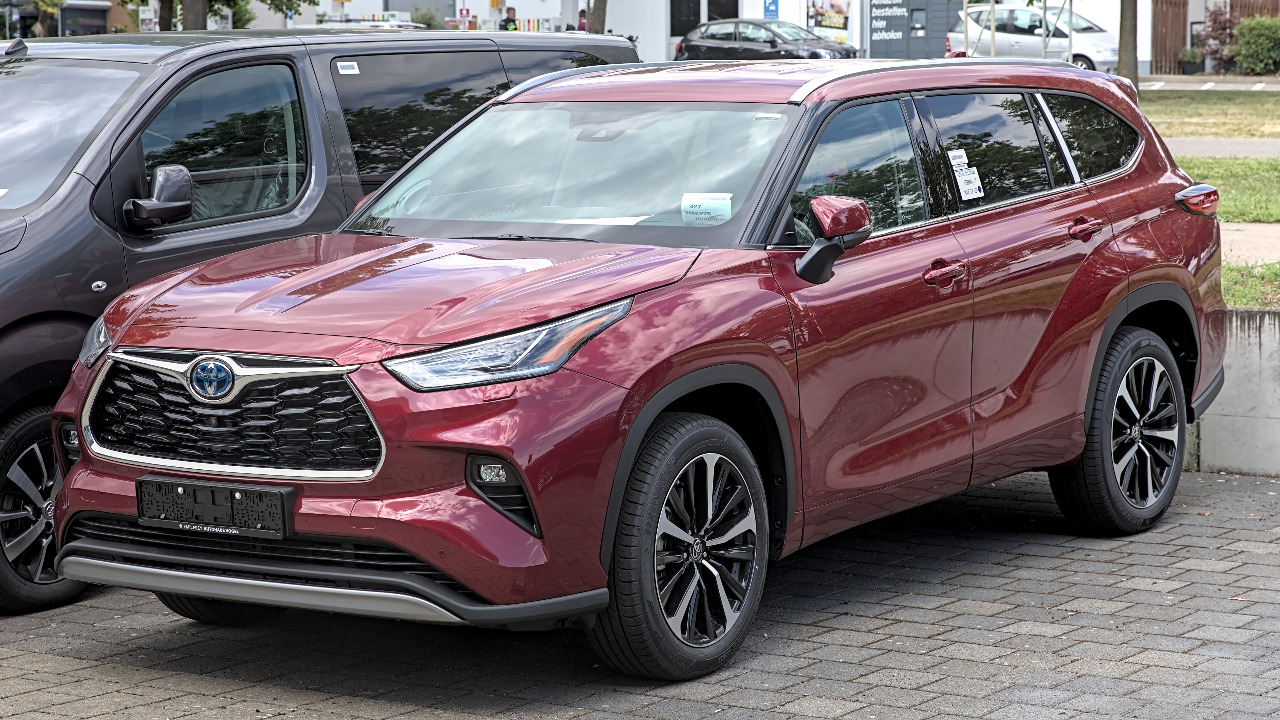
When selecting a hybrid car, it’s important to prioritize essential features that suit your lifestyle. Determine which features are necessary, such as fuel efficiency, size, and technology. If you frequently travel with family or need ample cargo space, a larger model like the Toyota Highlander Hybrid might be suitable. Conversely, if you prioritize fuel efficiency and urban maneuverability, a smaller model like the Honda Insight could be ideal. Additionally, consider the importance of safety features and available warranties, as these can influence your long-term satisfaction with the vehicle.
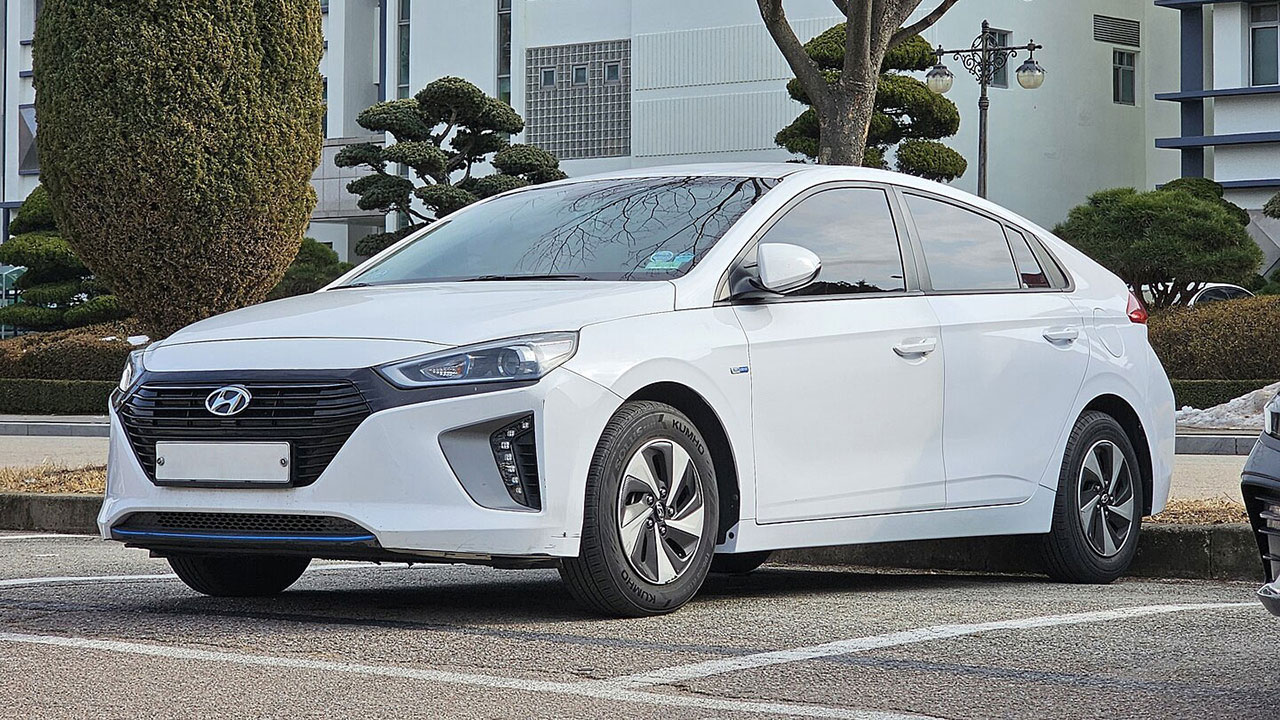
Evaluating your performance needs is another crucial step in the decision-making process. Consider how you plan to use the car—whether for commuting, long-distance travel, or city driving. This will help you analyze the balance between performance and efficiency that suits your driving habits. For example, a plug-in hybrid like the Hyundai Ioniq Plug-In Hybrid offers the flexibility of electric-only driving for short commutes, while also providing the range and convenience of a gasoline engine for longer trips. Understanding your specific needs will ensure you choose a hybrid that complements your lifestyle.
Exploring the Hybrid Car Market
The hybrid car market offers a wide range of models to explore, each with its own set of features and benefits. Start by researching available models within your budget using resources like car reviews and comparisons. Pay close attention to the reliability and reputation of manufacturers, as these factors can significantly impact your ownership experience. Brands like Toyota and Honda have established strong reputations for producing reliable hybrid vehicles, which can provide peace of mind for potential buyers.
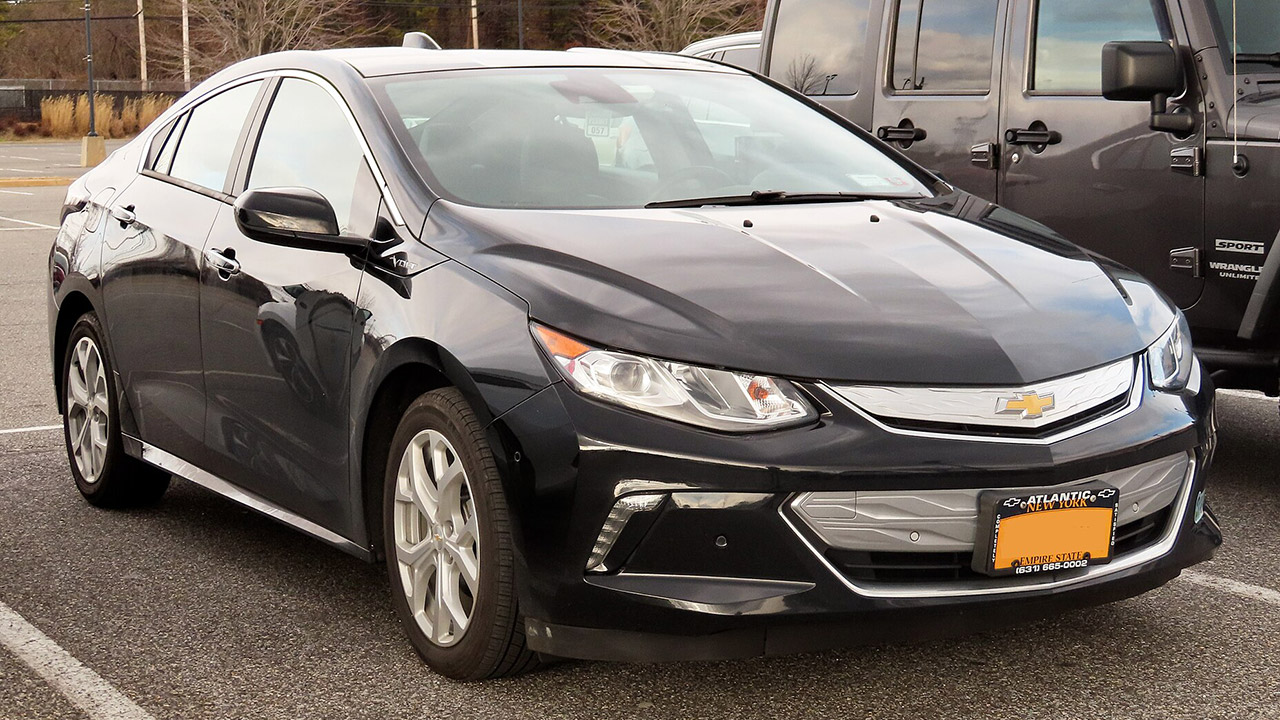
It’s also essential to understand the differences in hybrid technologies. Familiarize yourself with the various types of hybrid systems, such as plug-in hybrids versus standard hybrids. Plug-in hybrids, like the Chevrolet Volt, offer the ability to charge the vehicle’s battery using an external power source, providing more electric-only driving range. On the other hand, standard hybrids, such as the Toyota Prius, rely on regenerative braking and the internal combustion engine to charge the battery. Consider the long-term benefits and potential drawbacks of each system, as well as how they align with your driving habits and lifestyle.
Evaluating Cost of Ownership
One of the most appealing aspects of hybrid vehicles is their potential for fuel savings. To fully understand the cost of ownership, analyze the potential fuel savings compared to conventional gasoline vehicles. Calculate how much you could save based on your typical driving conditions and fuel prices in your area.
It’s also important to consider the long-term maintenance costs associated with hybrid vehicles. While hybrids are generally known for their reliability, they can have specific maintenance needs that differ from traditional cars. Review the potential costs associated with maintaining a hybrid vehicle, including battery replacement and specialized repairs. Investigate the availability of service centers and specialized mechanics for hybrid models in your area, as this can impact both cost and convenience. Additionally, some manufacturers offer extended warranties for hybrid components, which can provide added peace of mind for long-term ownership.
Making an Informed Decision

Once you’ve narrowed down your options, it’s time to test drive and compare the models that meet your criteria. Schedule test drives for each vehicle to get a feel for the driving experience, comfort, and handling. Pay attention to factors such as acceleration, braking, and ride quality, as these can significantly influence your satisfaction with the vehicle. Comparing multiple models will give you a better understanding of which hybrid best suits your needs and preferences.
Finally, review expert and consumer feedback to gain a well-rounded perspective on your potential purchase. Read reviews from trusted automotive sources and consumer feedback to learn about the experiences of current hybrid car owners. Consider the satisfaction and reliability reported by other drivers, as this can provide valuable insights into the long-term ownership experience.
Like Fast Lane Only’s content? Be sure to follow us.
Here’s more from us:
*Created with AI assistance and editor review.