When forecasters start talking about heat alerts, polar vortexes or severe storms, the safest place for your car is not just a garage, it is a solid plan. Extreme temperatures and sudden weather swings punish engines, batteries, tires and electronics long before anything looks wrong from the driver’s seat. Getting ahead of that damage is less about fancy gear and more about a disciplined checklist that treats your vehicle like the lifeline it becomes when conditions turn dangerous.
I approach car prep the same way emergency managers talk about household readiness: assume you might be stuck, assume help might be slow, and assume the weather will be worse than it looks out your window. That mindset turns routine maintenance, smart upgrades and a well built emergency kit into a single strategy to keep you moving, or safely stopped, when the forecast goes sideways.
Lock in the basics before the weather turns
The most effective way to prepare for any extreme weather is to treat core maintenance as non negotiable long before the first storm or heat wave hits. I start with a full inspection of fluids, belts, hoses and filters, because cold snaps and heat spikes expose weaknesses that were already there. Winter focused guides stress checking engine oil, transmission fluid, brake fluid and especially antifreeze or coolant, since low or contaminated coolant can let the engine overheat in summer or freeze in winter, a point echoed in a Car Maintenance Checklist that highlights Antifreeze and Coolant for harsh Connecticut conditions. Similar winter prep checklists for Colorado drivers urge a comprehensive service visit before the season, reinforcing that a mechanic’s inspection of the whole system is not a luxury, it is the foundation of weather resilience.
Battery health is the other non negotiable. Cold weather reduces a battery’s capacity and makes it harder to start your car, which is why winter care guides explicitly flag Checking Your Car Battery for Winter as a standalone step. I treat that as a year round rule: have the battery load tested before both winter and peak summer, clean any corrosion from the terminals, and replace a marginal battery before it strands you in subzero windchill or triple digit heat. Broader winter advice that tells drivers to Service the vehicle and inspect belts, hoses and fluids fits the same logic. Extreme weather does not create problems out of nowhere, it finishes off parts that were already near the edge.
Winter proof your car before the first ice and snow
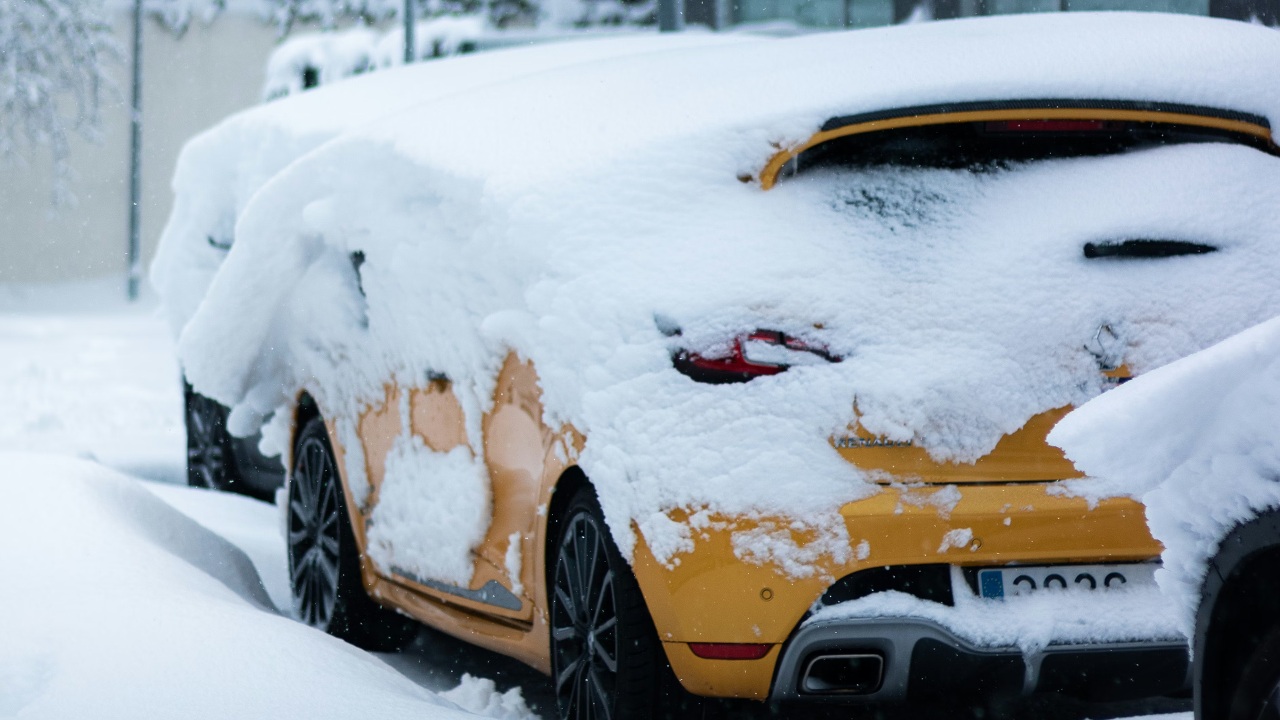
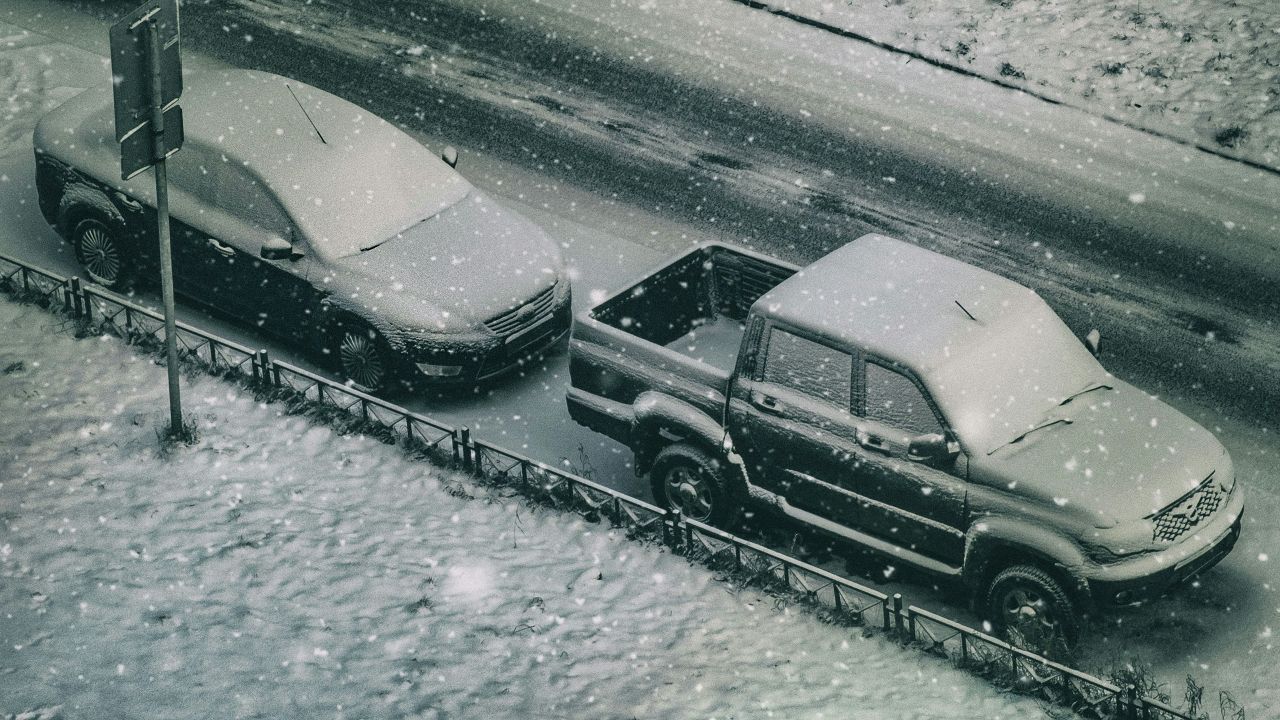
Cold, snow and ice change how your car behaves on the road, so I focus winter prep on traction, visibility and the ability to start reliably in low temperatures. Tire choice is the first big decision. Winter focused checklists urge drivers to inspect tread depth, check tire pressure frequently and, in many regions, consider dedicated winter tires that stay flexible in the cold and grip snow and ice better than all season rubber. Guidance aimed at Colorado drivers, framed as a Colorado Winter Car Prep Checklist for Northglenn, treats proper tires as essential for mountain driving and reminds readers that Your car is not ready for the Colorado winter until you address that traction question, a point that applies just as much to a front wheel drive sedan in the Midwest as it does to an SUV in the Rockies. Other winter storm guides simply say Check your tires and replace worn ones before the first major system arrives, because once the roads are slick, it is too late.
Visibility and cold weather fluids are the next layer. I replace wiper blades at the start of winter and top off with winter grade windshield washer fluid that will not freeze on the glass, a detail highlighted in both Colorado oriented checklists and broader winter essentials lists that call out winter grade windshield washer fluid as a specific item. Storm readiness advice that tells drivers to Replace worn wiper blades before storm season is really about not discovering streaking or chatter when you are already in whiteout conditions. I also pay attention to cold rated engine oil and make sure the coolant mix is correct for local lows, which winter maintenance guides for colder states like Connecticut and Colorado treat as baseline steps. A separate set of winter maintenance tips that frame the goal as Winter Proof Your Car and Avoid Seasonal Breakdowns underline that cold weather can make your engine harder to start and increase the risk of being stranded or encountering hazardous conditions, so I treat block heaters, garage parking and regular warm ups as tools to keep the engine and battery in their comfort zone when the air is anything but.
Protect your vehicle when extreme heat hits
Heat waves are just as punishing as blizzards, they just attack different systems. High temperatures stress the cooling system, tires and interior materials, so I start summer prep by making sure the engine can shed heat efficiently. Heat focused guides on Protecting Your Vehicle in Extreme Heat warn that High temperatures can cause significant damage to both the interior and exterior, and they put the cooling system at the top of the list. I follow that lead by checking coolant level and condition, inspecting hoses for soft spots or cracks, and flushing the system if it has been more than a couple of years. Another set of hot weather driving tips urges drivers to Check Your Cooling System Before You Hit the Road, Get a coolant flush on schedule and Look for leaks, because a marginal radiator or water pump that copes in spring can fail quickly when the air temperature spikes.
Once the engine is protected, I turn to the parts of the car that bake in the sun. Prolonged heat can warp dashboards, fade paint and accelerate tire wear, which is why hot weather prep guides recommend parking in the shade when possible, using sunshades, and applying protective products to paint and interior surfaces to shield them from UV damage. One detailed summer prep guide framed as At Kunes Auto Group of Morrison lays out a step by step approach that includes checking air conditioning performance, inspecting belts and hoses for heat related wear, and verifying that tires are properly inflated, since underinflated tires run hotter and are more prone to blowouts in extreme heat. Separate advice on how to protect your vehicle in extreme weather adds that undercarriage protection and regular washing help guard against damage from hot, dusty conditions as well as from road chemicals used in winter, reinforcing the idea that exterior care is not cosmetic, it is structural. I also pay attention to guidance from agencies like Environment Canada for the city of Toronto, which warn that heat can be absolutely dangerous if we do not take care of vehicles and passengers during a heat wave, and I treat that as a reminder to stock extra water and never rely on air conditioning alone to keep everyone safe.
Build an emergency kit that works in any season
No matter how carefully you maintain your car, extreme weather increases the odds that you will be stuck on the shoulder or unable to move at all, which is why I treat a robust emergency kit as non optional. The most practical kits start with personal survival, not tools. A detailed Checklist for building a car emergency kit emphasizes water, non perishable food, warm clothing and blankets so you can take care of yourself if the car is disabled or stationary for hours. Another expert guide on what to keep in an emergency car kit breaks the contents into sections and labels the medical core as 1.1 First Aid Kit, listing Adhesive bandages in multiple sizes and Antiseptic wipes as essentials. I mirror that structure by keeping a fully stocked first aid kit, prescription medications, and enough water for every regular passenger, then layering on seasonal items like hand warmers, hats and gloves for winter, and electrolyte drinks and sun protection for summer.
Tools and signaling gear come next. A detailed breakdown of Basic Essentials for a car kit highlights Duct tape, an Emergency whistle, a Flashlight with extra batteries and a utility knife as core items, and I add jumper cables, a compact shovel, traction aids like sand or traction boards, and a tire inflator. Winter specific lists for Colorado and other cold regions also recommend a basic tool kit and immediate survival items like high visibility vests and reflective triangles, which make you easier to see in snow or heavy rain. Broader guidance on driving in challenging weather notes that Extreme weather conditions make an emergency more likely, so it is advisable that drivers are prepared for every scenario with a fully stocked emergency kit in their vehicle year round. I take that literally and keep the kit in the car at all times, rotating perishable items and swapping seasonal gear as the forecast shifts, so I am not scrambling to assemble supplies when a storm watch or heat warning goes up.
Tailor your checklist to local risks and driving habits
The final step in getting your car ready for extreme weather is to customize the generic advice to your climate, your routes and your vehicle. A driver in Connecticut who relies on a compact front wheel drive car for a short commute will prioritize different upgrades than someone in Colorado who regularly heads into the mountains, even though both are working from similar winter checklists. The Ready For Winter Car Maintenance Checklist that highlights Antifreeze and Coolant for Connecticut’s below freezing conditions, and the Colorado Winter Car Prep Checklist framed as a Northglenn Guide that stresses mountain driving and Your readiness for Colorado winter, are built on the same principles but tuned to different realities. I use that as a model: if I live in a flood prone area, I focus on tire tread depth, brakes and avoiding low lying routes during storms; if my region sees frequent ice, I invest in winter tires and traction aids; if heat waves are the main threat, I prioritize shade, cooling system health and interior protection.
Driving patterns matter just as much as geography. Someone who spends hours on the highway needs a more extensive emergency kit, with extra water, food and tools, than a driver who mostly runs short errands near home, even though both should follow the same core steps on fluids, tires and batteries. Storm readiness tips that urge drivers to Take time before a storm to Check tires and Replace worn wiper blades are really about building habits that fit into your routine, not one off chores. I also pay attention to the age and design of the vehicle itself: an older sedan with a history of cooling issues gets more frequent inspections and perhaps a proactive radiator replacement before summer, while a newer SUV with advanced driver assistance systems might need its sensors kept clean and its battery kept in top shape so those safety features work when visibility is poor. Across all of those scenarios, the throughline from winterizing guides, hot weather prep checklists and emergency kit breakdowns is clear. The cars that handle extreme weather best are the ones whose owners think like planners, not gamblers, and treat every quiet day in the forecast as a chance to get ready for the next loud one.