The International Scout II ran from April 1971 until the last Scout rolled out on October 21, 1980. Hagerty counts 272,700 Scout IIs built from 1973 to 1980 alone. That means plenty are still out there, but the bad ones can swallow a budget whole. So these eight versions come with the trap we’d avoid on each. Think of it as our checklist before you hand over cash, not a reason to skip the truck.
1. 1971 International Scout II

A 1971 truck comes from the very first year, with production starting that April. Scout II engines ran from a 196-cubic-inch four to an AMC six and International’s own V8s. However, power front disc brakes didn’t become standard until late 1974, so an early truck stops on drums. Hagerty also blames weak rustproofing for “demon rust,” starting in the front fenders, where leaves get in through the cowl. We’d avoid any 1971 with soft fenders and tired drums, at least until you’ve priced the fixes.
2. 1977 International Scout SSII
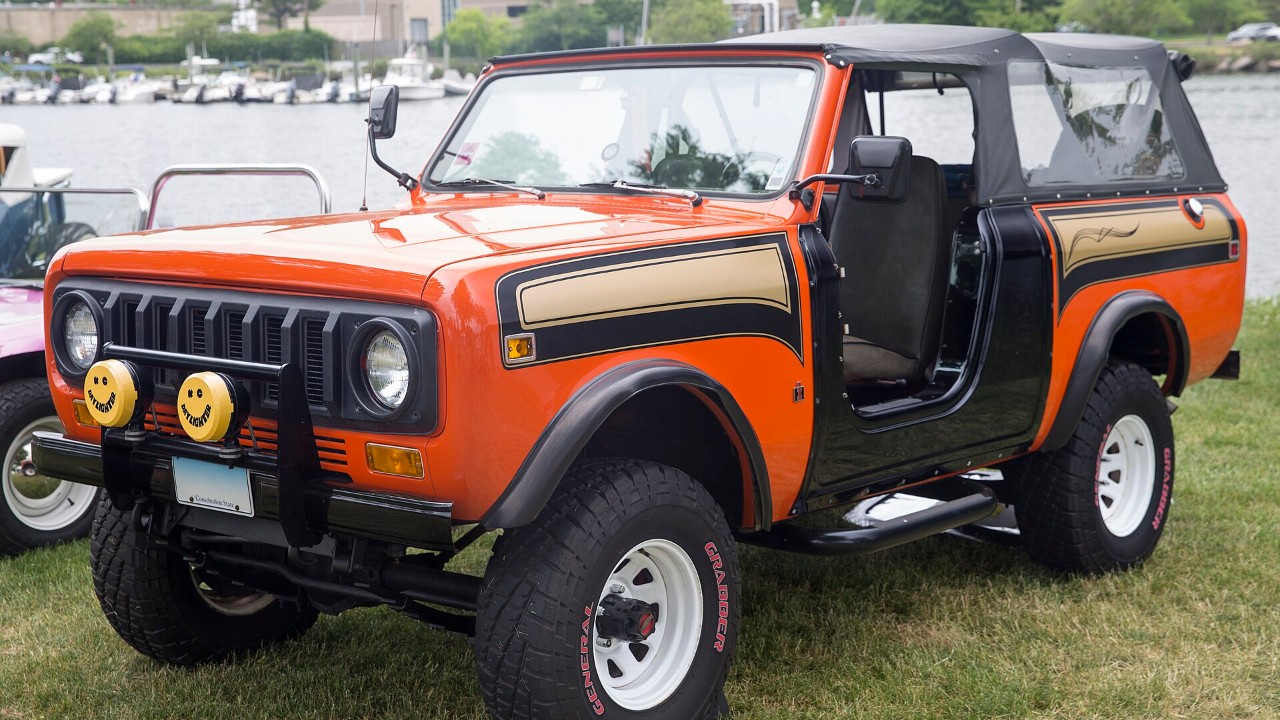
International launched the Super Scout II in February 1977 as a purpose-built off-roader. It came with a skid plate, a front sway bar, a roll bar and heavy-duty shocks and springs. It even used plastic mountings for optional fabric doors. That toughness is also the catch. Hagerty warns against Scouts used as rock crawlers, because the frame tends to get beaten up. So we’d walk away from any SSII whose frame shows years of hard trail abuse.
3. 1977 International Scout Traveler Rough Country

The Traveler arrived for 1976 on a 118-inch wheelbase, 18 inches longer than the standard Scout II. More length means more steel to rot, of course. According to Corsetti Cruisers, buyers should check the rear spring mounts, body mounts and the area under the doors. Rust around the rear crossmember or inner rockers can turn a find into a full rebuild. We’d avoid a Rough Country Traveler with any of that, however clean the paint looks.
4. 1978 International Scout Traveler Diesel

International offered a Nissan SD33 diesel six from 1976. That 3.2-liter engine made 95 PS at 3,800 rpm. Then, for 1980, the turbocharged SD33T replaced it in 6,400 Scout IIs, all with the T-19 manual. A diesel Traveler is a fascinating oddity. Still, if you need to keep up with interstate traffic, we’d avoid the non-turbo diesel and its modest output. Buy one for the novelty, not the pace.
5. 1979 International Scout II Traveler
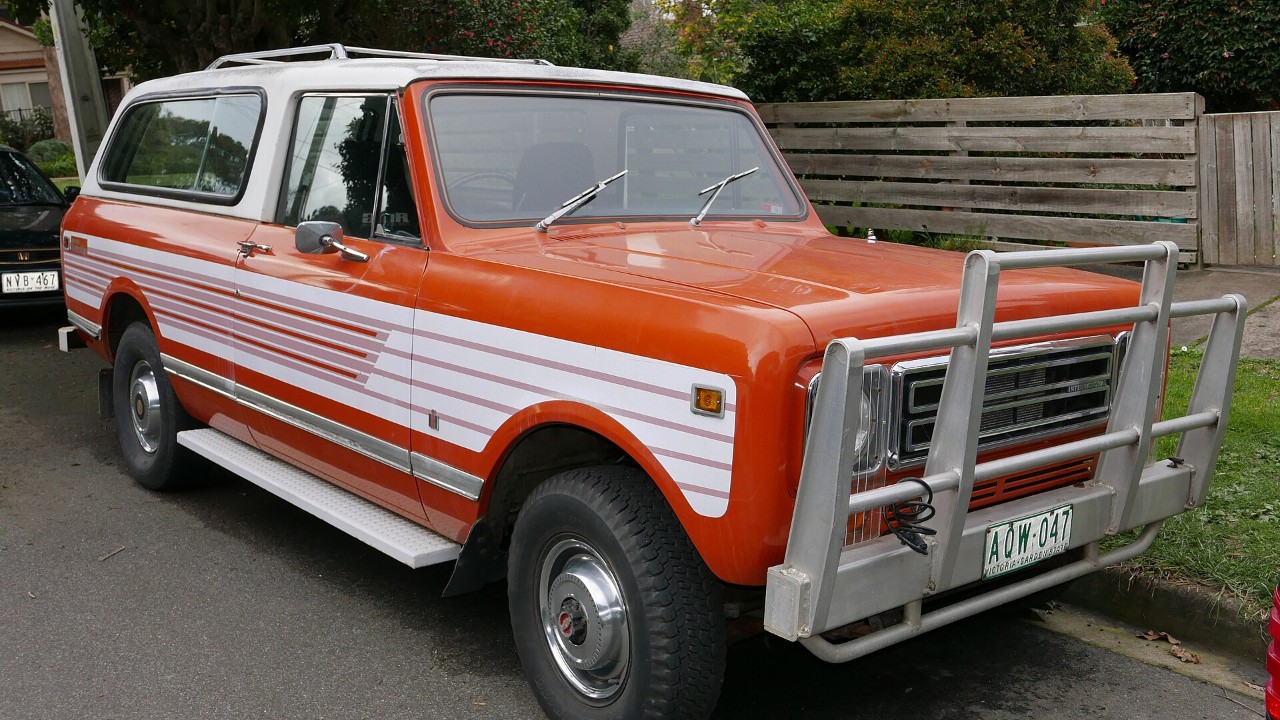
By 1979, the long-wheelbase Traveler was in its fourth year, and Scout production would end in October 1980. Corsetti Cruisers notes that Scout II bodies had large panel gaps even when new. As a result, uneven gaps alone don’t prove a crash. Instead, look hard at the front fenders, door sills and tailgate area, where body filler can hide rust. We’d avoid any Traveler whose tailgate area feels thick with filler.
6. 1979 International Scout II 345 V8

The 345-cubic-inch, 5.7-liter V8 was International’s biggest Scout II engine. Corsetti Cruisers calls the 304 and 345 durable but short on power by modern standards. That’s why so many trucks now wear engine swaps. However, amateur conversions can bring “endless electrical issues and mechanical failures,” according to the same guide. So we’d pick a healthy original 345 over a sloppy swap every time.
7. International Scout II Rallye

Hagerty describes the Rallye as “very upscale.” With any trim package, though, the paperwork is what proves it. Corsetti Cruisers also advises buyers to confirm matching VIN tags on the chassis and body. Mismatched numbers can delay or even prevent titling. We’ve looked at when International Harvester built the Scout II Rallye and what they’re worth. In our view, avoid any Rallye that comes without the documents to back it up.
8. 1979 International Scout II Hardtop

The standard hardtop rides on the original 100-inch wheelbase, the simplest Scout II of all. Even so, simple doesn’t mean cheap to restore. Corsetti Cruisers says dash pads, gauge clusters and original seat frames are getting harder to find. Also, wiring on unrestored trucks is often patched, so check the harness under the dash. We’d avoid a hardtop with a cracked dash and a hacked harness unless the price allows for both.
More from Fast Lane Only