The Interceptor name is returning to the road with a very different mission from the red mid‑engined exotics that dominate grand touring fantasies. Where Ferrari has spent decades chasing lap times and razor‑sharp responses, the reborn Jensen Interceptor V8 is being shaped as a long‑legged, V8‑powered British GT that puts distance, comfort, and character ahead of stopwatch heroics. In an era of touchscreens and hybrid complexity, it promises a more analog, more relaxed way to cross a continent at speed.
That positioning is not accidental. Jensen Motors, working through Jensen International Automotive and Jensen International Alliance, is reviving The Jensen Interceptor as a British‑built, ultra‑high‑performance grand tourer that consciously leans into heritage styling, a big American V8, and limited‑run exclusivity. It is a car that, on paper, looks less like a rival to the latest Ferrari and more like a deliberate alternative to the entire modern super‑GT mindset.
A British icon returns with unfinished business
For anyone who knows their grand touring history, the Interceptor name carries weight. The original The Interceptor was conceived by Jensen Motors in West Bromwich as a handbuilt British GT that could stand apart from Aston Martin and Jaguar, prioritizing exclusivity in small numbers and a distinctive fastback shape. Reports on cars such as the Jensen Interceptor SP underline how those seventies models delivered effortless high‑speed cruising and luxury that could rival more famous contemporaries, even if they never matched them for sales volume.
Production of the classic Interceptor ended around 50 years ago, yet the car’s reputation has only grown. As the Jensen Interceptor marks 60 years since its introduction, the decision to revive the name as a new British‑built, V8‑powered GT is framed as a return to form rather than a nostalgia exercise. Jensen Motors and Jensen International Automotive, often shortened to JIA, are positioning the project as the next chapter for a legendary British grand tourer that once set benchmarks for style and power and, according to enthusiasts, still defines what a British luxury GT can be.
Designing a modern GT that still looks like an Interceptor
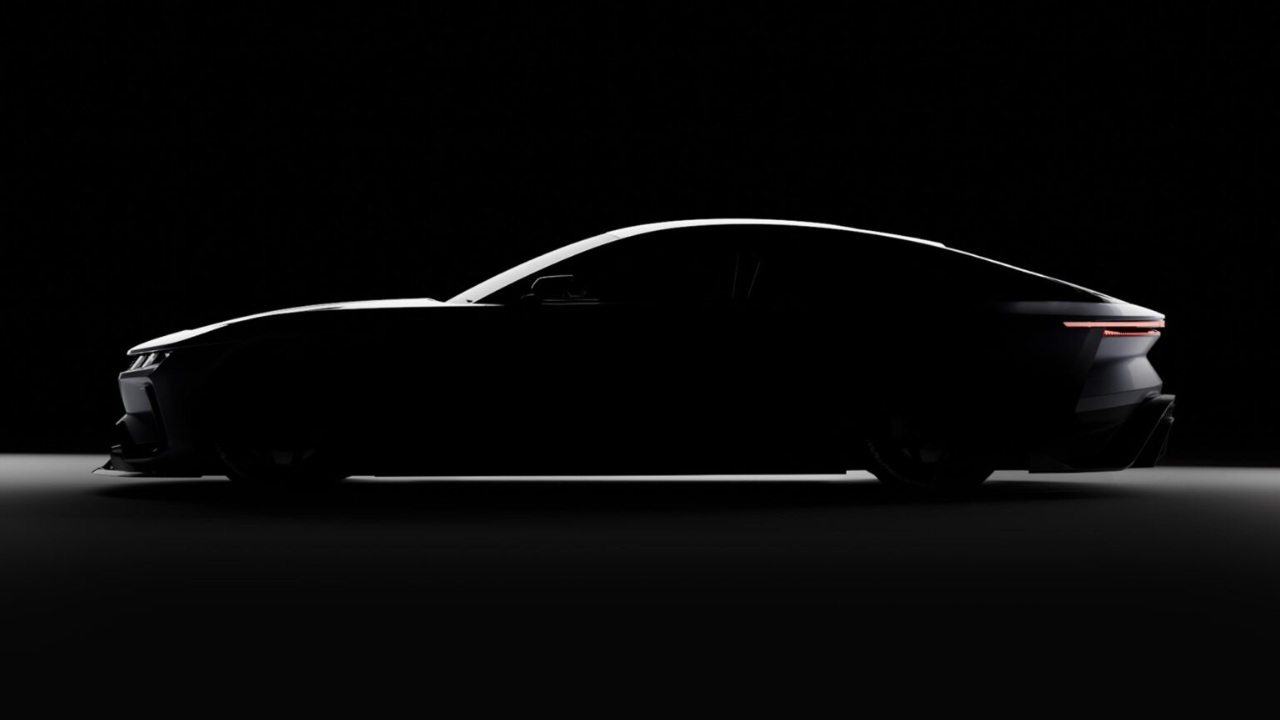
What makes this rebirth compelling is how closely the new car appears to track the visual DNA of the original while updating it for modern expectations. Early descriptions of the redesigned Jensen Interceptor emphasize that it retains key heritage cues such as the fastback GT silhouette, the wraparound rear window, and the long bonnet with a cab‑rearward stance. Those elements, which made the classic car instantly recognizable, are being reinterpreted rather than discarded, so the new model reads as a faithful modern Interceptor rather than a generic coupe with an old badge.
At the same time, Jensen has not frozen the design in amber. The company has signaled that it is working with an established and respected design agency to craft the new V8 grand tourer, which suggests a more contemporary surfacing language, tighter proportions, and a cabin that can stand alongside current luxury rivals. Social media teasers describing Jensen’s Interceptor reimagined for 2026 talk about a car that still pairs British elegance with American muscle beating underneath, hinting at a stance and detailing that are more muscular and planted than the original without losing its understated charm.
A Corvette‑sourced V8 at the heart of the experience
Under the skin, the most striking decision is the choice of powertrain. Rather than downsizing or electrifying, Jensen International Automotive is committing to a large‑capacity V8, with reporting pointing to a 6.2‑litre unit derived from the latest Corvette. In the classic Interceptor, big‑block American engines were central to the car’s character, and the new car appears to double down on that formula, promising the kind of torque‑rich delivery that suits a heavy‑hitting GT more than a high‑revving track special.
Technical targets reinforce that grand touring brief. The Corvette’s 6.2‑litre V8 is expected to deliver performance that comfortably exceeds the original Interceptor’s capability, which period tests described as wayward at speed despite its high‑speed cruising intent. The new car is being described as an ultra‑high‑performance British luxury GT, with development focused on stability, refinement, and long‑distance comfort rather than chasing a Nürburgring lap time. That approach aligns with JIA’s experience since 2010 restoring and upgrading classic Interceptor cars, where the goal has been to blend modern reliability and performance with the relaxed, long‑legged feel that owners prize.
From restomod specialist to manufacturer of a “super‑GT”
The team behind this project is not starting from scratch. Jensen International Automotive and Jensen International Alliance have spent more than a decade building restomod versions of the Jensen Interceptor, updating original cars with modern engines, brakes, and interiors while preserving their character. That background gives JIA an unusually intimate understanding of what works and what does not in the Interceptor formula, from chassis tuning to cabin ergonomics, and it explains why the company now feels confident enough to move beyond restorations to a completely reimagined model.
Company figures have been explicit that the new car is not a continuation model or a simple restomod. Instead, it is being described as a super‑GT for the modern age, created as a new British‑built grand tourer that uses the Interceptor name but is engineered to contemporary standards. Managing director David Duerden has framed the project as “Taking the theme of the luxury” GT that Jensen once offered and rebuilding it around modern expectations of performance, comfort, and safety, while keeping the Interceptor’s core values at the center of its deliverables. That means a focus on craftsmanship, limited production, and a driving experience that feels special at any speed, not just on a racetrack.
Why this car feels like an anti‑Ferrari statement
Set against the current crop of Italian super‑GTs, the new Interceptor’s philosophy looks almost contrarian. Ferrari’s recent grand tourers lean heavily on complex hybrid systems, multi‑mode electronics, and track‑derived aerodynamics, all in pursuit of ever higher performance ceilings. By contrast, Jensen Motors is returning with a front‑engined, V8‑powered British GT that openly rejects electrification for now and prioritizes analog engagement, long‑distance comfort, and a sense of occasion rooted in heritage design. It is a car that seems designed for drivers who would rather savor a cross‑border journey than chase tenths on a circuit.
That stance is reinforced by the way enthusiasts and commentators describe the project. Phrases such as “save us from button overload” capture a growing fatigue with cabins dominated by touchscreens and layered menus, and the Interceptor revival is being cast as a response to that trend, with a focus on tactile controls and clear instrumentation. The Jensen Interceptor for many remains a symbol of a time when a British grand tourer could combine style, power, and luxury without needing to prove itself against every Ferrari or Lamborghini. By reviving that spirit with modern engineering and a Corvette‑sourced V8, Jensen is not trying to beat Ferrari at its own game. It is offering something different: a super‑GT that measures success in miles devoured and memories made, rather than in lap records and launch‑control sprints.
More from Fast Lane Only