The 2014 launch of the compact Macan did more than add another badge to Porsche showrooms, it rewired the company’s business model around a new kind of everyday performance car. By shrinking the SUV formula into something more agile and approachable, the Macan pulled in buyers who had never seriously considered a Porsche before and helped turn record sales into a habit rather than a one‑off spike. I see that moment as the point when Porsche stopped being a niche sports‑car maker with a couple of SUVs and became a broad luxury brand built on performance, profit and volume in equal measure.
The risky bet on a smaller Porsche SUV
When The Porsche Macan arrived in 2014, it landed in a segment that was already crowded with premium crossovers, yet it still felt like a gamble for a brand known for rear‑engined sports cars. The Porsche Macan is described as a compact luxury crossover SUV in the D‑segment, built by the German performance specialist Porsche, and it was deliberately positioned as the smaller, more accessible sibling to the Cayenne rather than a one‑off experiment. By moving into this compact SUV space, the company was effectively betting that its sports‑car credibility could survive being translated into a higher riding, family friendly format without diluting the badge.
That bet hinged on the Macan feeling like a true Porsche from behind the wheel, not just looking like one in the driveway. The engineering brief was to deliver an SUV that still behaved like a sports car, with sharp steering, strong brakes and powertrains that rewarded enthusiastic driving instead of merely coping with it. In other words, the Macan had to prove that an SUV could carry the soul of a 911, and that is exactly the balance reviewers still highlight in detailed drives of the latest combustion Macan, where they describe how the Porsche engineers have kept the SUV character while preserving the sports‑car edge in the way the Macan accelerates, turns and stops, a combination that continues to define the model in its current form in reviews such as this in‑depth look at the modern Porsche Macan SUV.
From concept to showroom: how the Macan was engineered to win
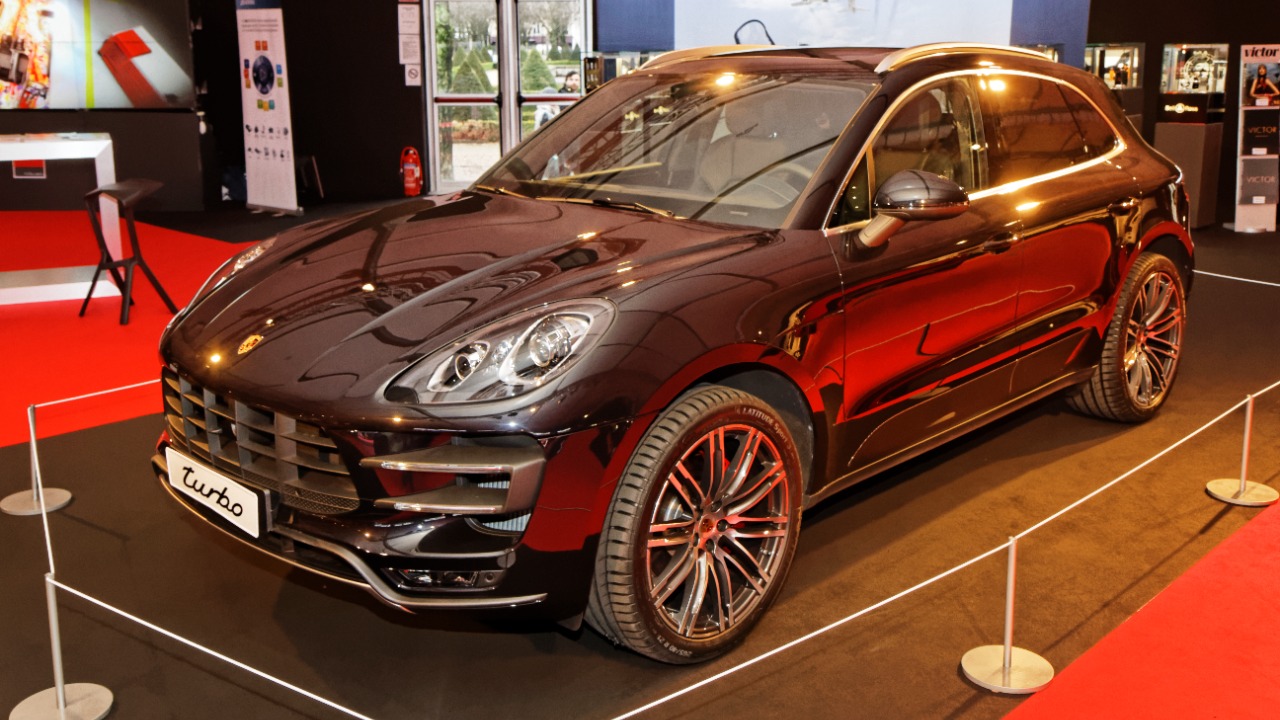
Long before customers started signing order forms, Porsche treated the Macan as a strategic project rather than a quick spin‑off. The production version was first shown to the world at both the Los Angeles Auto Show and Tokyo Motor Show, a twin‑city debut that underlined how important the car was to two of the most SUV‑hungry markets on the planet. By choosing those stages, Porsche signalled that this compact SUV was meant to be a global volume player, not a regional curiosity, and that it was ready to compete head‑on with established luxury crossovers in North America and Asia from day one.
Under the skin, the Macan shared some architecture with other group products, but the engineers worked hard to make sure it did not feel like a rebadged cousin. While Volkswagen offers its scalable MLP platform in many lengths, the Macan rides on a 110.5-inch wheelbase that is identical to the Aud Q5, yet early drives made clear that the tuning, steering and power delivery were very much Porsche’s own. That focus on differentiation is part of what enthusiasts still point to when they argue that the Macan Turbo is no Audi Q5 clone, and it helps explain why the car quickly built a reputation as the driver’s choice among compact SUVs, as detailed in first‑ride impressions that emphasise how the Macan on the MLP platform feels distinct from its platform mates.
Designing everyday desirability, inside and out
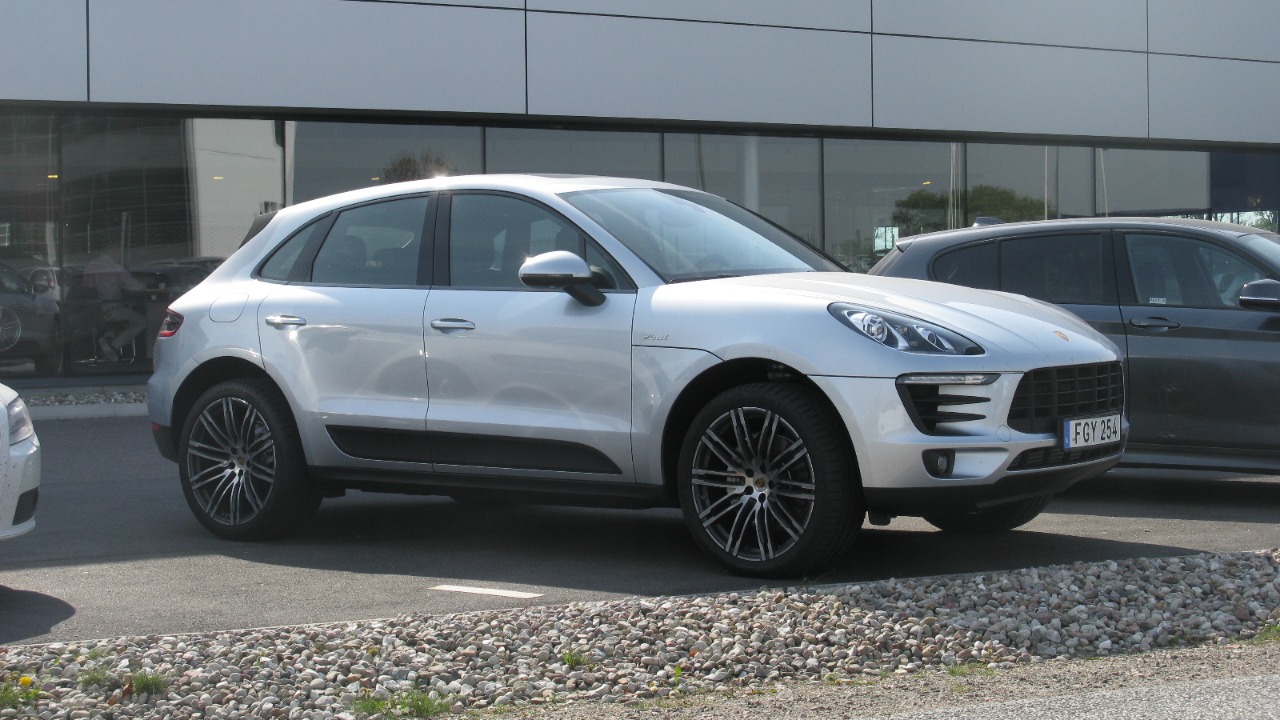
From the outside, the Macan had to walk a fine line between practicality and presence, and Porsche leaned into subtlety rather than flash. Details like Chrome lettering on a silver body do not shout for attention, but they contribute to a sense of restrained quality that fits the brand’s image and helps the car age gracefully. Inside, the designers created various levels of trim so buyers could tailor the cabin to their tastes and budgets, and that step up from entry‑level to more luxurious finishes gave the Macan a broad appeal, from first‑time Porsche owners to long‑time customers looking for a daily driver, a strategy that was noted in early reviews that praised how Chrome accents and the layered options Inside the cabin made the Macan feel like a real sports utility vehicle.
That focus on everyday desirability extended to the way the Macan was packaged and marketed. The car offered the raised seating position and flexible load space that SUV buyers expect, but it wrapped those virtues in a body that looked compact and athletic rather than bulky, which made it easier to live with in cities and suburbs alike. By giving customers a way to have a practical family car that still looked and felt like a Porsche, the company created a product that could sit comfortably in a driveway next to a 911 or replace a hot hatch without feeling like a compromise, and that dual‑purpose character is a big part of why the Macan quickly became a default choice for buyers who wanted one car to do it all.
Sales momentum and the profit engine behind it
The commercial impact of the Macan showed up quickly in Porsche’s global numbers, which started to look less like those of a niche sports‑car maker and more like a mainstream luxury brand. In 2014, Porsche delivered 189,850 new cars to customers all over the world, an increase that reflected how the SUV line up, now anchored by the Cayenne and the Macan, was pulling in fresh demand. That figure of 189,850 vehicles marked a fourth consecutive record year for the company and underlined how the compact SUV had become a central pillar of the business rather than a side project, as highlighted in corporate reporting that celebrated a fourth record year in a row with 189,850 global deliveries.
Those volumes mattered not just for bragging rights but for profitability, because Porsche has long been known for making more money per car than almost any rival. Analysts have calculated that the brand earns around £14,200 on every vehicle it sells, a figure that helps explain why adding a high‑volume model like the Macan was so transformative for the bottom line. When you combine that kind of per‑unit profit with the scale that comes from a successful compact SUV, you end up with a business that can fund ambitious engineering projects and motorsport programmes while still satisfying shareholders, a dynamic that has been widely discussed in breakdowns of how Porsche became the profit king with margins of about £14,200 per car.
How the Macan reshaped the Porsche customer base
What really changed with the Macan was not just how many cars Porsche sold, but who was buying them. The Macan’s debut year statistics revealed just how hungry the market was for Porsche’s interpretation of the compact SUV, and the model quickly drew in an entirely new demographic of customers who might previously have shopped brands like Audi or BMW instead. By offering a smaller, more affordable SUV that still carried the full weight of the Porsche badge, the company expanded its reach beyond traditional sports‑car enthusiasts and into households that needed space for kids, luggage and daily commuting, a shift that is captured in analyses of how The Macan opened the door to an entirely new demographic of customers.
That broader customer base also gave Porsche more flexibility in how it developed the Macan over time. The first generation, known internally as the 95B, has run from its 2014 launch through to the mid 2020s as a gasoline powered model, and throughout that span the company has worked to preserve the Macan’s sporty DNA even as it added comfort features and updated technology. A detailed Primer on The Porsche Macan notes how this first generation has been carefully evolved rather than radically reinvented, with multiple powertrain options and chassis tweaks designed to keep the car feeling like a true Porsche despite its SUV shape, a philosophy that is set out in research that tracks how the Primer on The Porsche Macan emphasises preserving that character.
The Macan’s lasting role in Porsche’s lineup
Looking back now, I see the 2014 Macan as the car that quietly locked in Porsche’s modern identity as a brand that can sell sports cars, SUVs and crossovers without losing its core. The Porsche Macan is still described as a compact luxury crossover SUV produced by the German manufacturer Porsche, and that simple description hides just how influential the model has been in normalising the idea that a performance brand can live comfortably in the family‑car aisle. By sitting below the Cayenne in size and price, the Macan created a ladder into the brand that starts with a practical SUV and can lead all the way up to a 911 or a Taycan, a progression that has helped Porsche keep customers in the fold as their lives and needs change, as outlined in reference material that defines how The Porsche Macan SUV from German Porsche fits into the wider range.
As the industry shifts toward electrification, the Macan’s story is still being written, but its original combustion‑engined form has already done the heavy lifting of changing Porsche’s fortunes. Enthusiast guides now look back at the 95B generation, covering model years from 2014 onward, as a key chapter in the brand’s evolution and offering detailed advice on what to look for when buying used, from engine choices to common wear points. Those buyer’s guides underline how the Macan has become a staple of the second‑hand market as well as the new‑car showroom, a sign of true mainstream success, and they trace that journey back to the moment the car was first shown in production form at the Los Angeles Auto Show and Tokyo Motor Show, a debut that is still referenced in resources like a comprehensive Macan buyers guide from Apr that walks through the 95B generation’s strengths and weaknesses.
More from Fast Lane Only: