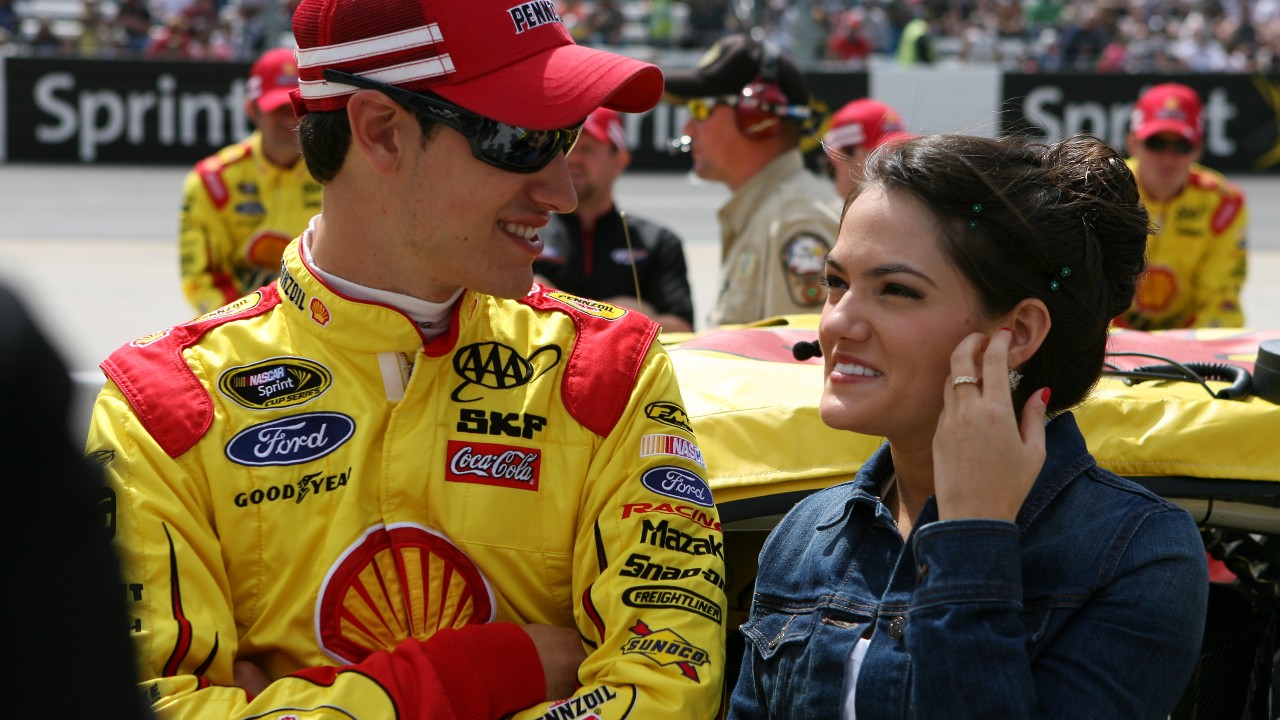
Joey Logano has spent his career turning aggression into a competitive edge, and the ripple effects have reshaped how NASCAR’s biggest prizes are decided. His willingness to lean on rivals, test the limits of etiquette, and exploit the playoff format has forced the entire field to reconsider what is acceptable when a championship is on the line.
As I look at the modern title fights, I see Logano not just as a two-time champion but as a driver who helped redefine the cost of being too polite in a cutthroat system. His style has invited retaliation, criticism, and even questions about the playoff structure itself, yet it has also become a blueprint for how to survive and thrive in the current era.
From Martinsville to Texas: Aggression as a Career Defining Choice
Logano’s reputation did not materialize overnight, it hardened through specific flashpoints where he chose contact over compromise. One of the most cited examples came at Martinsville, where his move in traffic became a shorthand for the way he was willing to move a rival out of the groove to secure a path toward the 2018 title, a moment that still colors how competitors race him in tight quarters. Earlier in his career, that same instinct at Texas, when he tangled with Matt Kenseth while both were running at similar speed, set off a chain of retaliation that raised questions about whether his approach might actually cost him a Sprint Cup championship rather than deliver one, as detailed in reporting on that Texas clash.
What stands out to me is that Logano rarely shows regret for those moments, even when the short-term fallout is brutal. Coverage of that Kenseth feud noted that he showed little remorse or willingness to change, a stubbornness that could have already cost him one title shot, yet he stayed the course and eventually turned the same mindset into a championship at Martinsville and beyond. Later analysis of his career framed that Martinsville move as his most infamous, indirectly responsible for the 2018 crown, and placed it within a broader pattern of assertive driving that has followed him since his early days, as chronicled in a detailed look at Logano and his history of aggression.
Normalizing the Edge: How Logano Helped Shift NASCAR’s Driving Standard
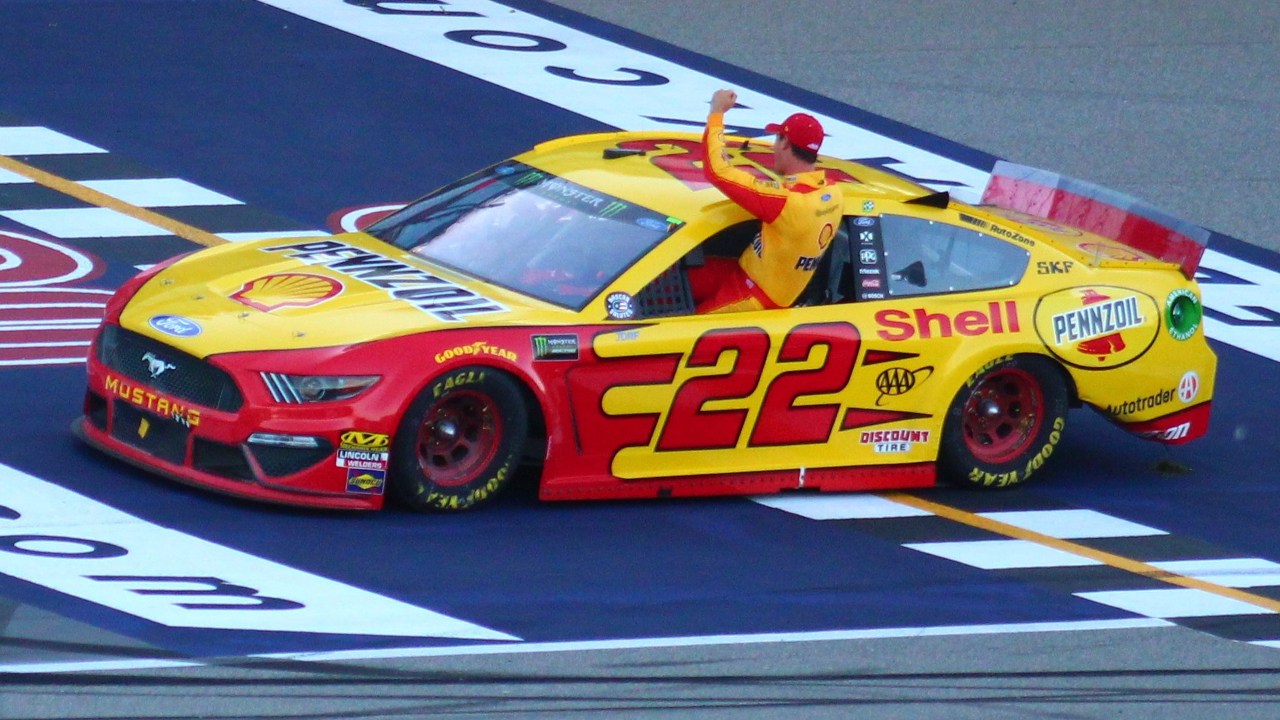
Logano’s style did not exist in a vacuum, it helped normalize a broader shift in how drivers approach risk, especially in the playoffs. Modern Cup racing has tilted toward elbows-out aggression, and the way that notorious Texas incident is now remembered is a marker of how much the sport’s standards have changed, with hard contact increasingly accepted as part of racing when everyone is running roughly the same speed and fighting for limited real estate. Recent analysis of why NASCAR drivers are getting more aggressive links that evolution to the playoff format, where a single race can decide whether a season’s work survives or dies.
Logano has been unusually candid about that environment, and I see his comments as both explanation and justification. When he was asked at Bristol after the Food City Dirt Race about his own reputation while weighing in on Ty Gibbs, he said he could relate to Gibbs’s aggressiveness and framed it as a natural product of racing for wins and survival, not personal malice, a perspective captured in his remarks on the Food City Dirt Race weekend at Bristol. More recently, he has described how the behavior of drivers has “gotten crazy,” while still defending the need to push in a playoff system that rewards aggression, a point echoed by Alex Bowman as both men reflected on how the pack raced at The Atlanta event that Joey Logano won, a conversation detailed in coverage of The Atlanta race and the remaining nine playoff events.
Exploiting the Playoff System and Redefining Championship Tactics
Where Logano has most clearly altered title battles, in my view, is in how openly he treats the playoff format as something to be exploited rather than endured. He has been unapologetic about tailoring his strategy to the elimination rounds, focusing on peaking at the right time and using aggression as a tool to control track position and points. In recent comments, he defended the way he and his team have taken advantage of the current structure, insisting that if the rules reward a certain approach, it would be irresponsible not to lean into it, a stance laid out in detail in a feature on how Unapologetic Joey Logano Defends Exploiting NASCAR Playoff Format for Championships.
That mindset has not softened even when his success has been labeled controversial. After his latest championship, Logano faced skepticism from those who argued that the playoff system itself, rather than season-long dominance, delivered his title, yet he fired back at critics and remained firm that he had earned it within the rules as written. He pointed to his ability to handle big moments and the pressure of elimination races as proof that his approach is valid, a response captured in coverage of how Despite the criticism he stayed unapologetic. He has also credited his partnership with crew chief Paul Wolfe for helping him rise to playoff pressure, explaining that their preparation and decision making in “go home” races have paid dividends more often than not, as detailed in a breakdown of how his team responds to Oct playoff pressure.
Logano’s posture has also fed a larger debate about whether the system he exploits is the right one for the sport. Dale Earnhardt Jr. has argued that it is possible to respect Logano as a legitimate champion while still believing the playoffs should be structured differently, a nuanced view that reflects how many in the garage separate the driver from the format he uses to his advantage, as outlined in a discussion of Joey Logano and “scared drivers.” For his part, Logano has shown little interest in dialing back his aggression or lobbying for change, and that steadfastness has forced rivals to either match his intensity or risk watching him dictate the terms of the championship fight year after year.
More from Fast Lane Only: