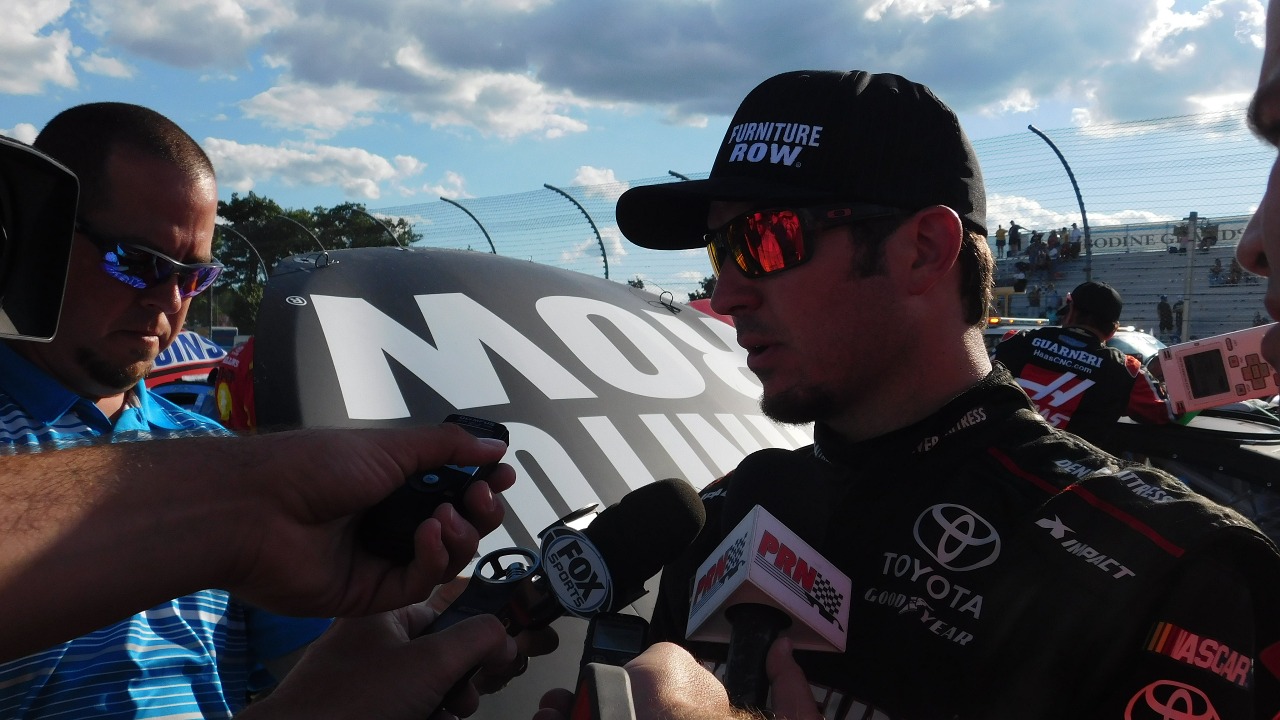
Martin Truex Jr. did not arrive in the NASCAR Cup Series as an instant superstar, and his championship moment was anything but inevitable. His rise was a slow burn, marked by setbacks that would have ended other careers, and by a late surge that turned a solid driver into a dominant force and, eventually, a Hall of Fame lock.
Tracing how Truex went from overlooked prospect to Cup champion reveals one of stock car racing’s most compelling comeback arcs. His story runs through struggling teams, personal heartbreak, and a one-car operation that somehow toppled the sport’s giants, all before he finally sealed his legacy with a title and a body of work that rivals any modern driver.
From rising prospect to Cup Series reality check
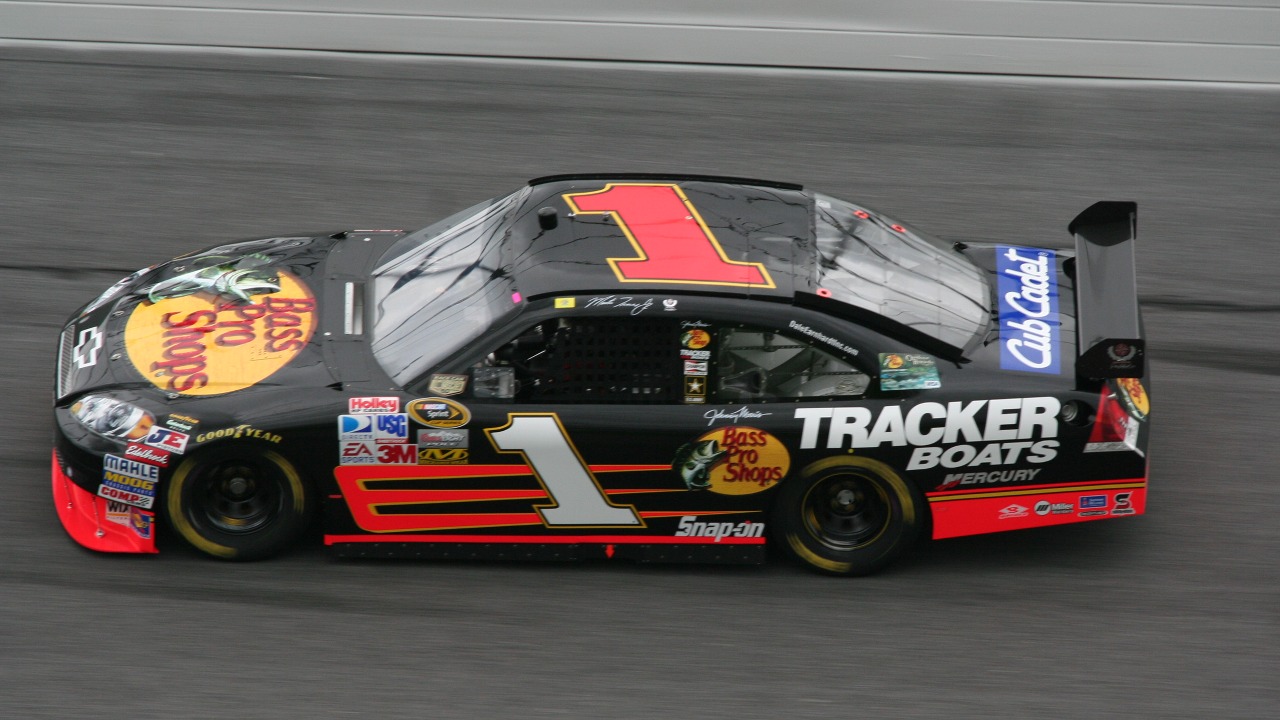
Martin Truex Jr. entered the top level of NASCAR with the credentials of a future star, but the early years showed how fragile potential can be once it meets the Cup Series grind. He arrived in the Cup Series with back-to-back second-tier championships already on his résumé, yet the move to the big stage with the group at Dale Earnhardt Inc quickly turned into an uphill climb. When Truex stepped into that ride, he found a once-mighty organization already slipping, and the transition exposed him to the political and performance turbulence that can derail even the most promising careers.
The numbers from that era hint at a driver doing enough to stay relevant but not enough to break through, a pattern that matched the instability around him. As the team cycled through changes and eventually faded, Truex was often left trying to overachieve in equipment that could not consistently match the sport’s elite. Commentary looking back on that period notes that when teammates such as Regan Smith and Kurt Busch were in similar cars, the organization as a whole struggled to keep pace, which left Truex’s talent partially obscured. It was a reminder that in the Cup Series, even a future champion can look ordinary when the structure around him is crumbling.
The gamble on Furniture Row and a one-car long shot
The turning point in Truex’s career came when he bet on a team that, on paper, looked like a dead end rather than a lifeline. He joined Furniture Row Racing, a one-car outfit based far from NASCAR’s Charlotte hub, at a time when few believed such a small operation could consistently win races or contend for titles. As one retrospective put it, this one-car team was not likely to be a path to winning races and competing for championships, But that is exactly what it became once Truex arrived and the organization committed to giving him the right equipment.
The transformation accelerated when Furniture Row secured a technical alliance with Toyota and linked up with Joe Gibbs Racing and its engine program. That move gave Truex the horsepower and engineering depth he had long lacked, and suddenly the one-car outsider was running with, and often ahead of, the sport’s powerhouses. The partnership did not just elevate the team’s speed, it unlocked Truex’s full potential, turning him from a driver who occasionally flashed brilliance into one who could control races, lead long stretches, and impose his will on the field.
Watkins Glen, a season of dominance, and the race that made a champion
By the time Truex rolled into Watkins Glen in the late 2010s, his career had already shifted from survival mode to something closer to a sustained surge. That day at Watkins Glen, he won despite a pair of unusual pit-crew suspensions and the kind of strategic chaos that often punishes the fastest car. Instead, Truex and his team turned adversity into a statement, managing fuel and track position with a calm that reflected how far they had come from the days when simply finishing in the top ten felt like a victory. That win became a symbol of a larger narrative, one in which Truex was authoring what some observers called one of the greatest comeback stories in NASCAR history.
The culmination of that rise came in the championship finale, where Truex capped a career season by winning his first Cup title. In that race, he outdueled a stacked group of contenders and closed the year as the clear benchmark for speed and consistency. Coverage of that night underscored how he had turned a season of dominance into a defining moment, with his car out front when it mattered most and his crew executing under maximum pressure. The same reports that chronicled that title run also noted the broader stakes of the event, from the struggles of other stars to the fact that drivers like Patrick saw their own nights unravel with incidents such as a blown tire and wreck that left her deep in the order. Against that backdrop of chaos and heartbreak, Truex’s controlled march to the flag stood out even more sharply.
What made that championship drive resonate was not just the trophy, but the way it validated years of incremental progress and personal resilience. The same season that ended with Truex on top also featured the emotional weight of his partner Sherry Pollex battling ovarian cancer, a fight that earned the couple recognition through the Myers Brothers Award. Accounts of that period describe how Martin and Truex balanced the demands of a title chase with hospital visits and charity work, and how their story resonated with fans and competitors alike. That human dimension, captured in part through a poll of sentiment within the garage, turned a championship run into something larger than a single season’s stats.
By the numbers: a late-career surge into all-time company
Measured strictly by statistics, Truex’s Cup career tells the story of a driver who did his best work after most of his peers had already peaked. Over time he amassed 34 Cup victories, a total that places him comfortably among the winningest drivers of his era and underscores how potent he became once he landed in the right environment. That win count, paired with his championship and repeated deep playoff runs, is the backbone of the argument that his career belongs in the Hall of Fame conversation, not just as a feel-good comeback but as a body of work that stacks up with the sport’s best.
Those numbers gain even more weight when set against the context of his early struggles and the unique path he took. Truex’s rise was not built on a powerhouse team from day one, but on a series of reinventions that culminated in his dominance with Furniture Row and later with the group aligned with Martin Truex Jr driving for organizations tied to top-tier technical support. His ability to adapt to new manufacturers, new crew chiefs, and evolving car rules while still piling up wins is part of what separates him from drivers whose success was confined to a single era or package. When I look at his stat line, I see less a tale of raw totals and more a reflection of a competitor who kept finding new gears long after the sport had written him off as a mid-pack presence.
Legacy, Las Vegas, and the enduring image of a champion
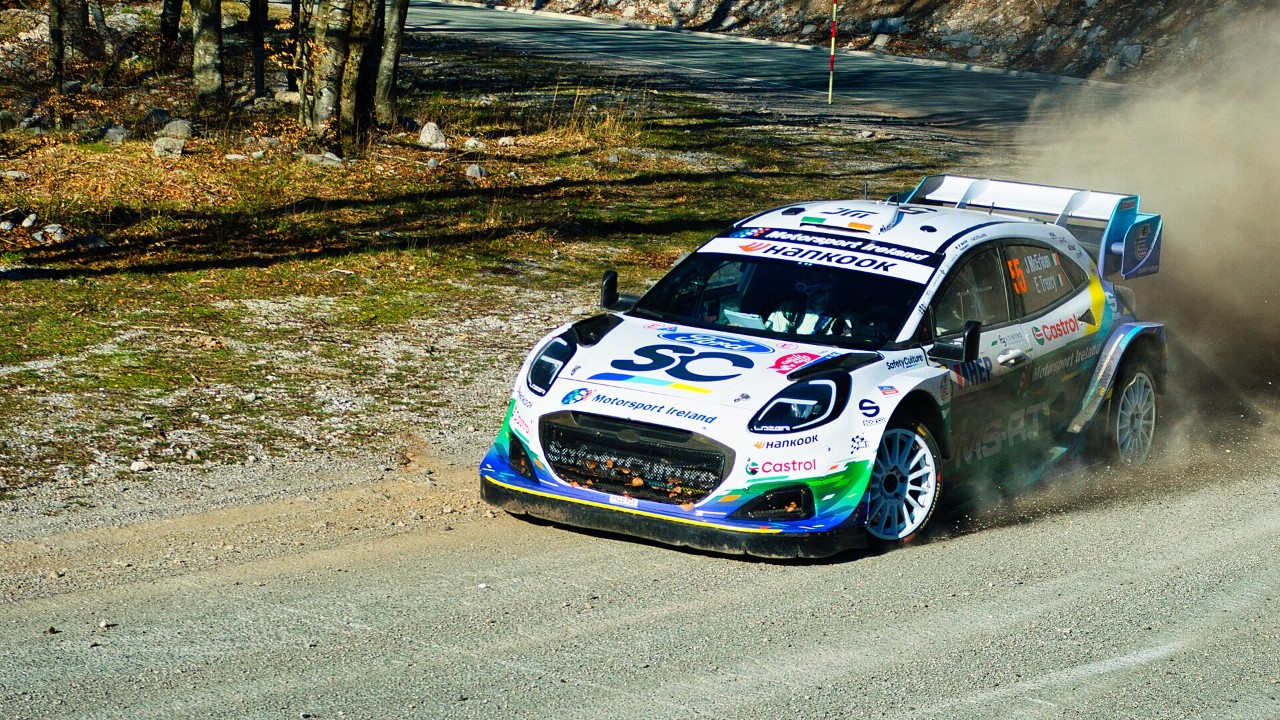
By the time Truex was racing at venues like Las Vegas Motor Speedway in the later stages of his career, the narrative around him had shifted from “can he win enough” to “how high can he climb on the all-time lists.” Images of Truex Jr in those years show a driver fully in command of his craft, comfortable as a weekly favorite rather than an occasional spoiler. The same career that once seemed destined to be defined by missed opportunities instead became a case study in how patience, the right technical alliances, and a relentless work ethic can rewrite a legacy.
Looking back now, the arc of Martin Truex Jr feels less like a single comeback and more like a series of them, each building on the last. He rebounded from organizational decline at Dale Earnhardt Inc, from the uncertainty that followed the closure of teams around him, and from personal trials that would have made it understandable if he had stepped back. Instead, he kept pushing, and in doing so turned a once-fragile career into one that future drivers will study when they look for proof that a late rise can still end with a champion’s legacy.
More from Fast Lane Only: