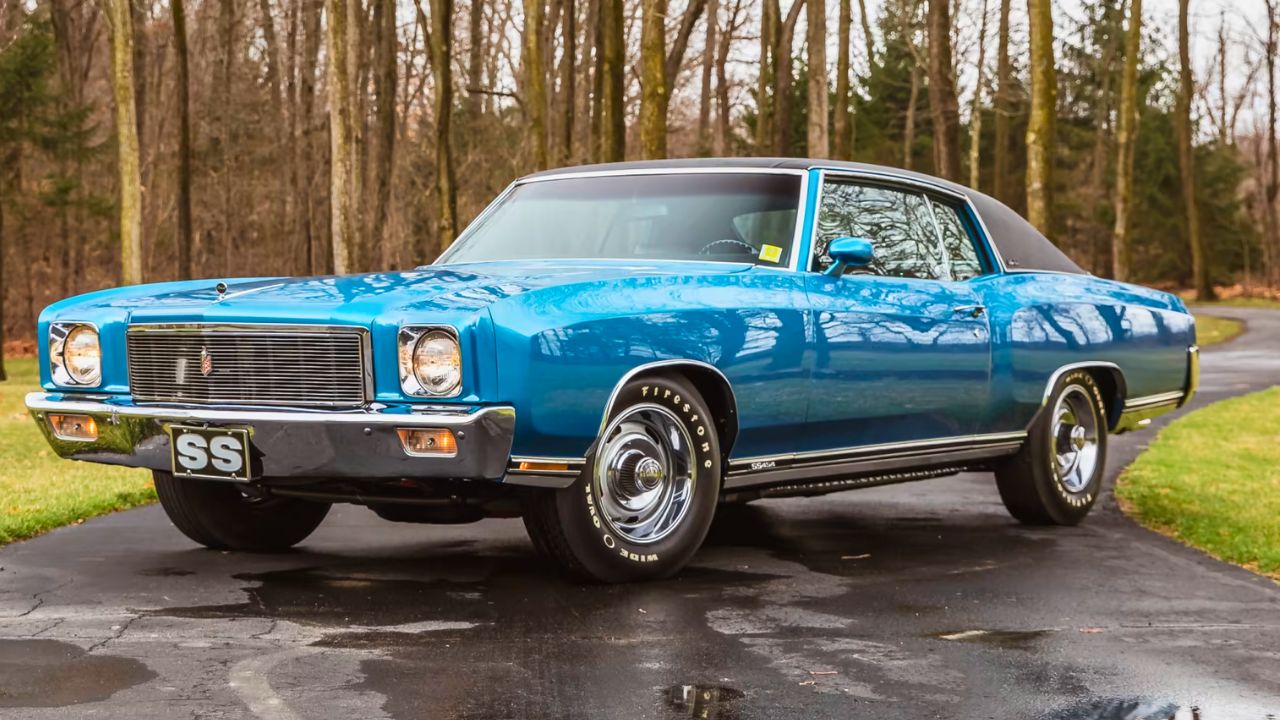
The 1971 Monte Carlo SS 454 didn’t just show up—it made an entrance. Born from Chevrolet’s desire to blend brute force with personal luxury, this one-year-only version of the Monte Carlo packed real muscle under its long hood. It wasn’t built for flashy decals or quarter-mile times alone—it was a gentleman’s muscle car, something that looked at home in a country club lot but could still roast the tires when asked.
For gearheads and collectors alike, the ’71 SS 454 stands out because of how short its run was—and how much power it packed into a smooth-riding coupe. You didn’t just cruise in this thing. You commanded the road. Let’s take a look at what made this short-lived Monte Carlo such a standout.
The Final Year of the SS 454 Option
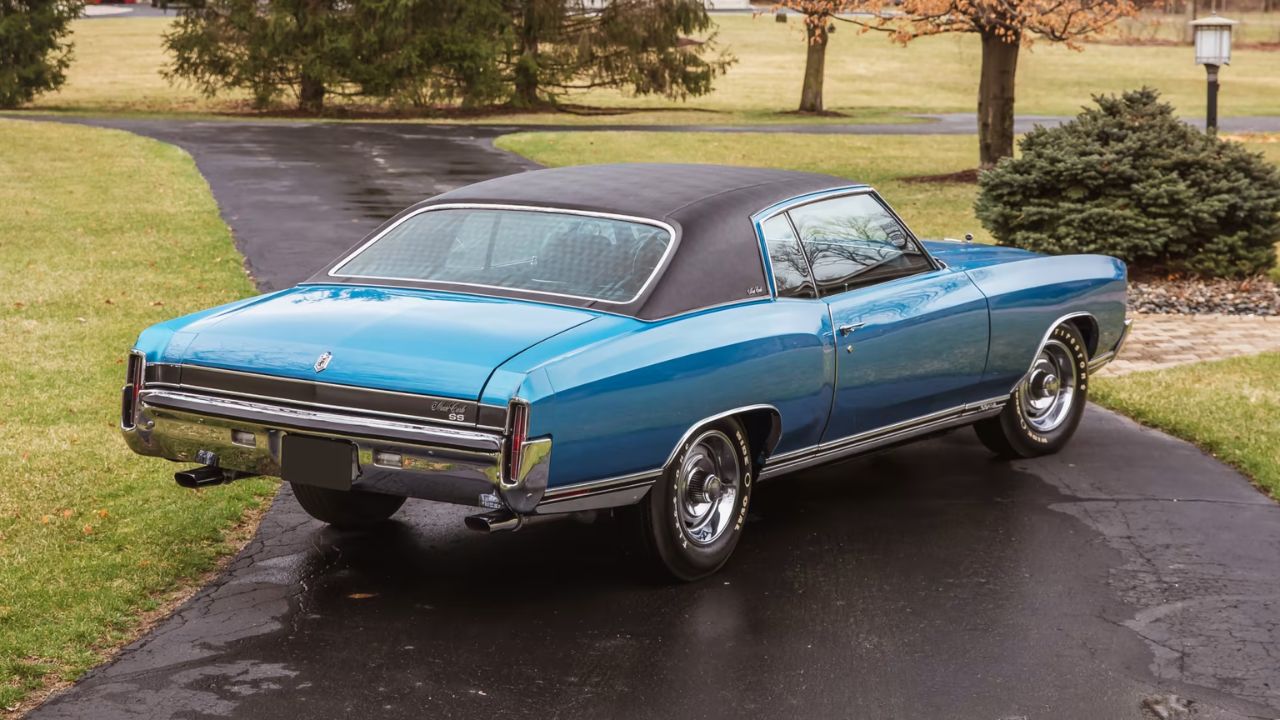
1971 marked the last time you could check the SS 454 box on a Monte Carlo. Chevrolet had introduced the option in 1970 as a luxury-laced alternative to the Chevelle SS, but by ‘72, the SS 454 was quietly dropped. This makes the ’71 model especially rare, with only about 1,919 units produced with the Z20 SS package.
With insurance rates climbing and emission regulations tightening, GM was already pulling back on high-performance trims. The Monte Carlo SS was caught in the middle of that shift—still packing heat but already facing the writing on the wall.
Big-Block Power: LS5 454 V8

Under the hood sat the LS5 454-cubic-inch V8, factory rated at 365 horsepower and 465 lb-ft of torque. While not the fire-breathing LS6, it was still plenty aggressive for a personal luxury coupe. The torque came on strong down low, making for effortless acceleration even in a 4,000-pound car.
It used a 4-barrel carburetor, 8.5:1 compression, and delivered a deep, throaty rumble that let you know it meant business. Paired with the right axle ratio, it could launch surprisingly hard for a car with opera windows.
Turbo Hydra-Matic Only
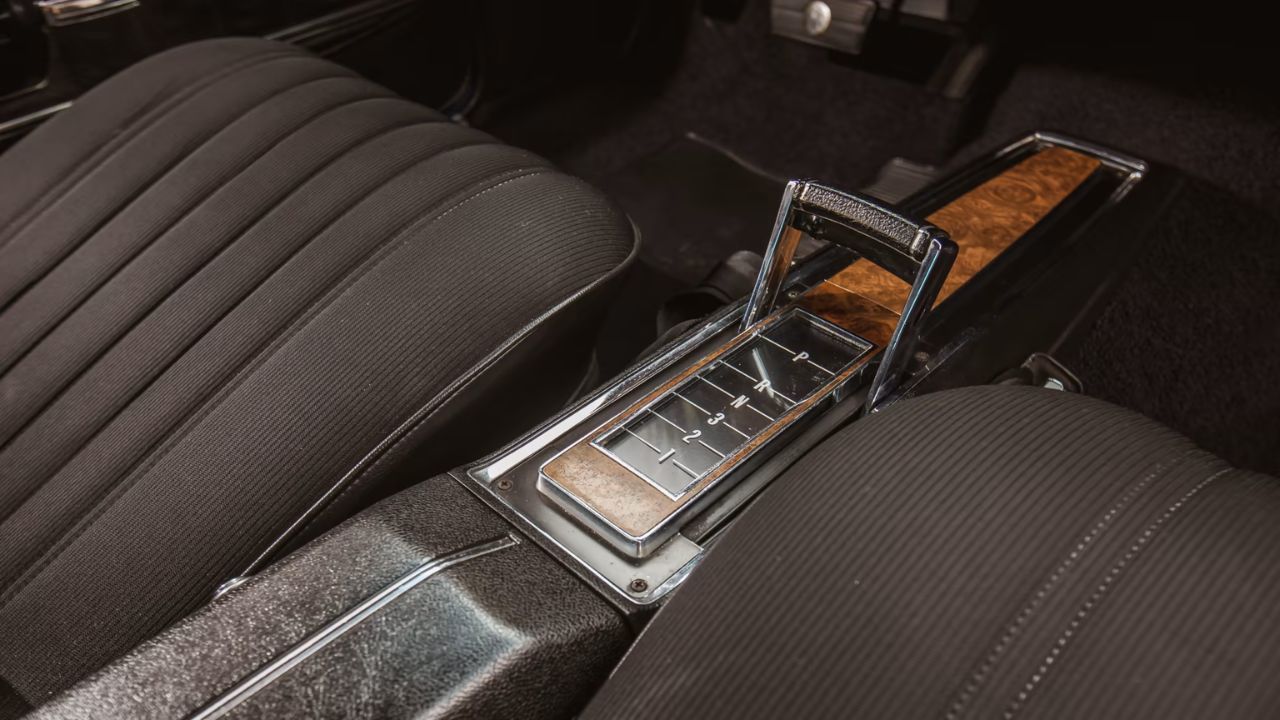
The 1971 Monte Carlo SS 454 didn’t offer a manual transmission—Turbo Hydra-Matic 400 was the only game in town. It made sense, considering this was marketed as a refined muscle coupe. Smooth shifts, strong internals, and enough guts to handle big-block torque without flinching.
While some gearheads wished for a 4-speed option, the TH400 helped deliver consistent performance with less drama. It also made the car easier to live with, especially for folks who wanted luxury without sacrificing speed.
Heavy-Duty Chassis Upgrades
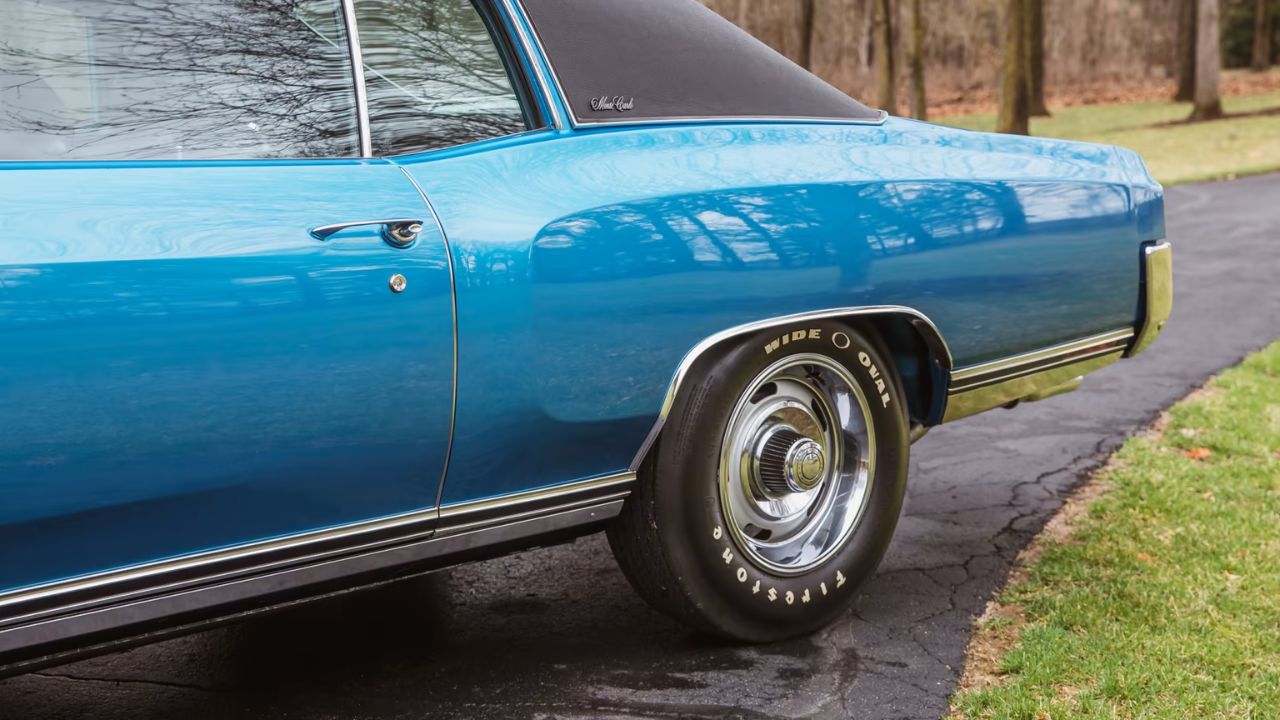
The SS 454 wasn’t just a big engine stuffed in a Monte. Chevy gave it serious upgrades underneath, including F41 suspension, stiffer springs, heavy-duty shocks, and a rear stabilizer bar. The result was better cornering and less float than your average Monte Carlo.
Disc brakes up front and power steering came standard, helping tame the weight up front. It wasn’t a canyon carver, but it handled better than most expected—and stayed composed when pushed.
Subtle SS Styling Cues
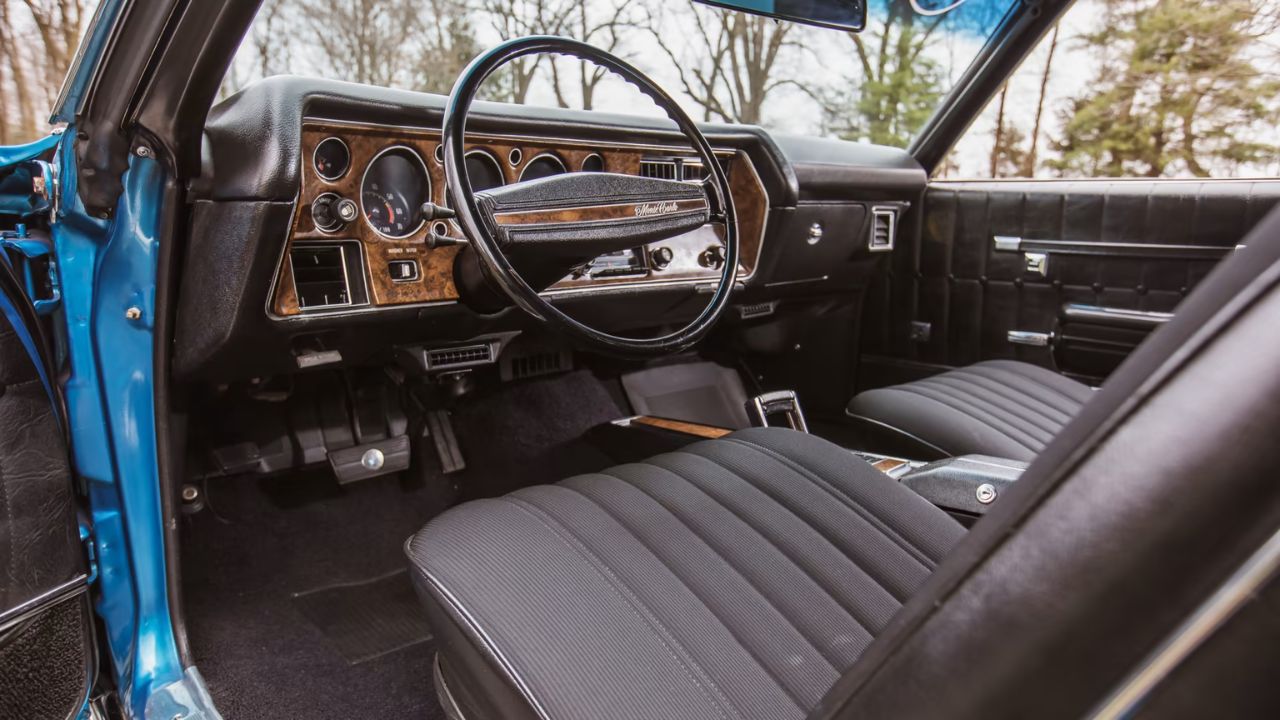
Unlike its flashier muscle car cousins, the Monte Carlo SS 454 played it cool. A blacked-out grille, SS badges on the fenders and trunk, and 15-inch Rally wheels were the main giveaways. No stripes, no hood scoops—just quiet confidence.
Inside, the SS came with upscale touches like simulated wood trim, bucket seats, and optional console shifter. It looked just as comfortable pulling into a steakhouse as it did staging at a stoplight.
Limited Production Numbers
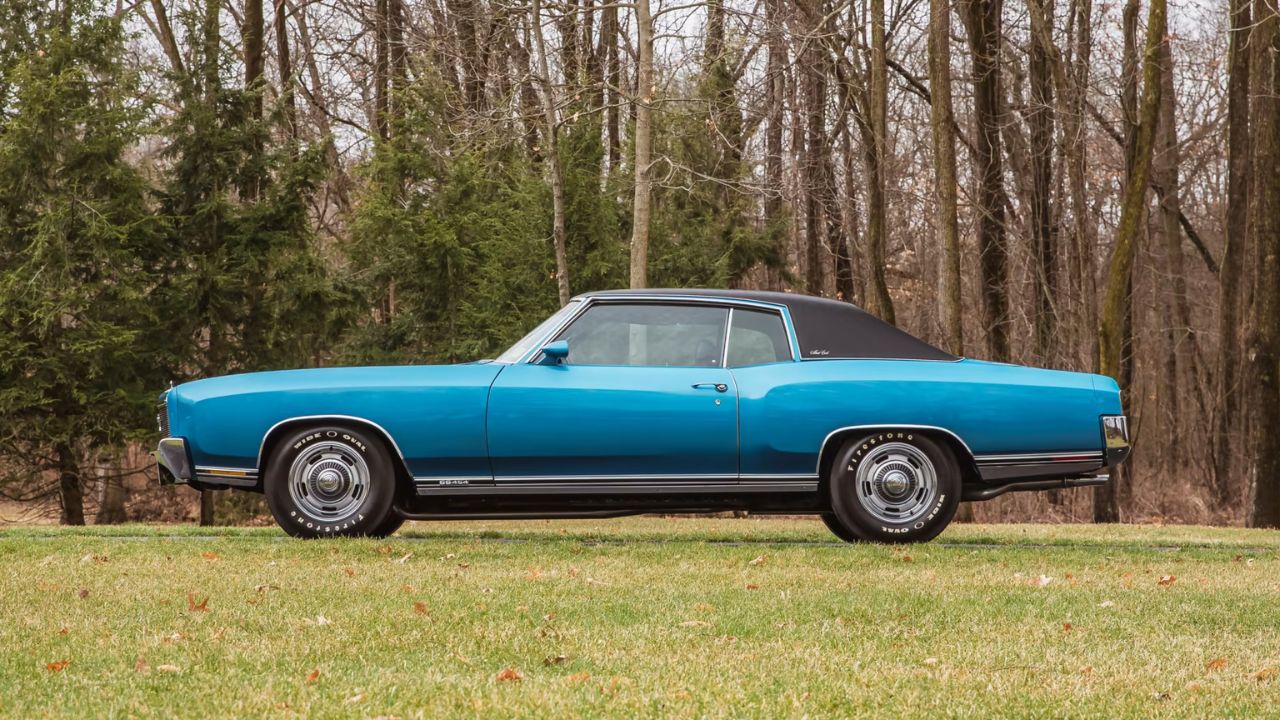
Chevrolet only built 1,919 Monte Carlo SS 454s for 1971, making it one of the rarest muscle-era Chevys to wear the SS badge. Many buyers leaned toward the Chevelle or even the Corvette when shopping for big-block performance.
As a result, surviving examples are few and far between, especially in original condition. That scarcity has helped push values higher in recent years, especially for low-mileage or unrestored cars.
Performance That Surprised
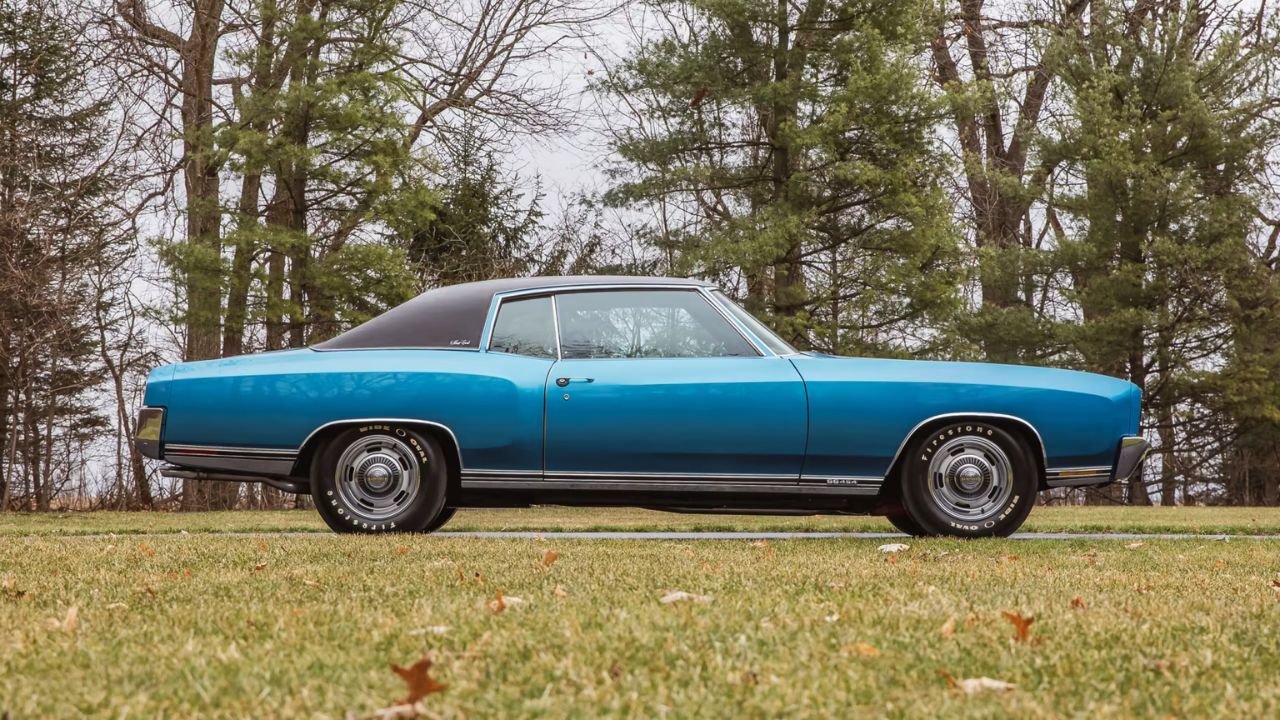
Despite its size, the 1971 Monte Carlo SS 454 could hold its own. Factory tests showed 0–60 mph in around 6.5 seconds and quarter-mile times in the high 14s. Not bad for a car that looked more cruiser than bruiser.
Much of that performance came from the LS5’s torque curve. It didn’t need to be revved hard to move fast. Just drop the hammer and let the rear tires figure it out.
Insurance and Emissions Began the Fade

By 1971, rising insurance premiums and tightening emission standards were squeezing the life out of factory muscle. GM was already dialing back compression ratios and fiddling with timing to meet regulations.
The Monte Carlo SS 454’s output dropped slightly from 1970, and though it still felt strong, you could tell the era was shifting. It became clear this version was nearing the end of the line before it even got a real chance to shine.
Built in Baltimore and Los Angeles
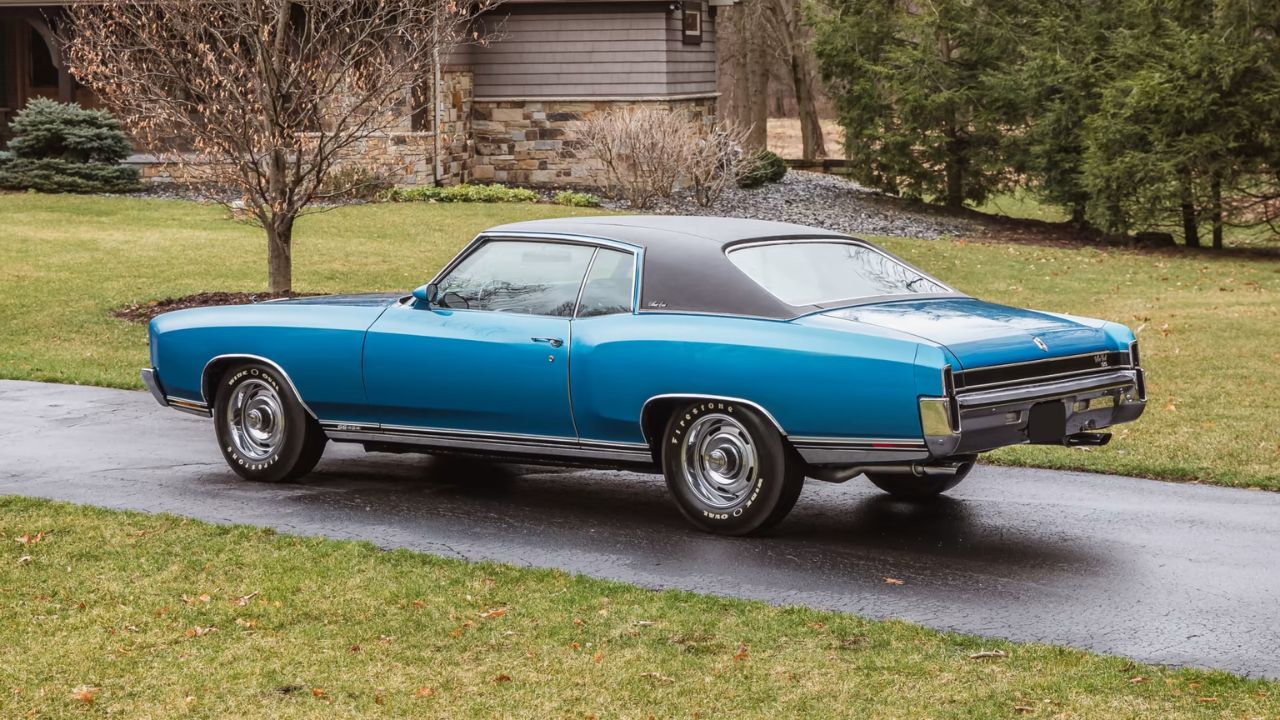
The 1971 Monte Carlo SS 454 rolled out of GM’s plants in Baltimore and Van Nuys (Los Angeles). The majority were built in Baltimore, but West Coast cars pop up now and then, often with less rust and more unique dealer options.
These plants were churning out everything from Chevelles to full-size sedans, and the Monte Carlo shared its A-body platform with several others. Still, the SS 454 was a standout for those who knew what to look for.
A Collector Favorite Today
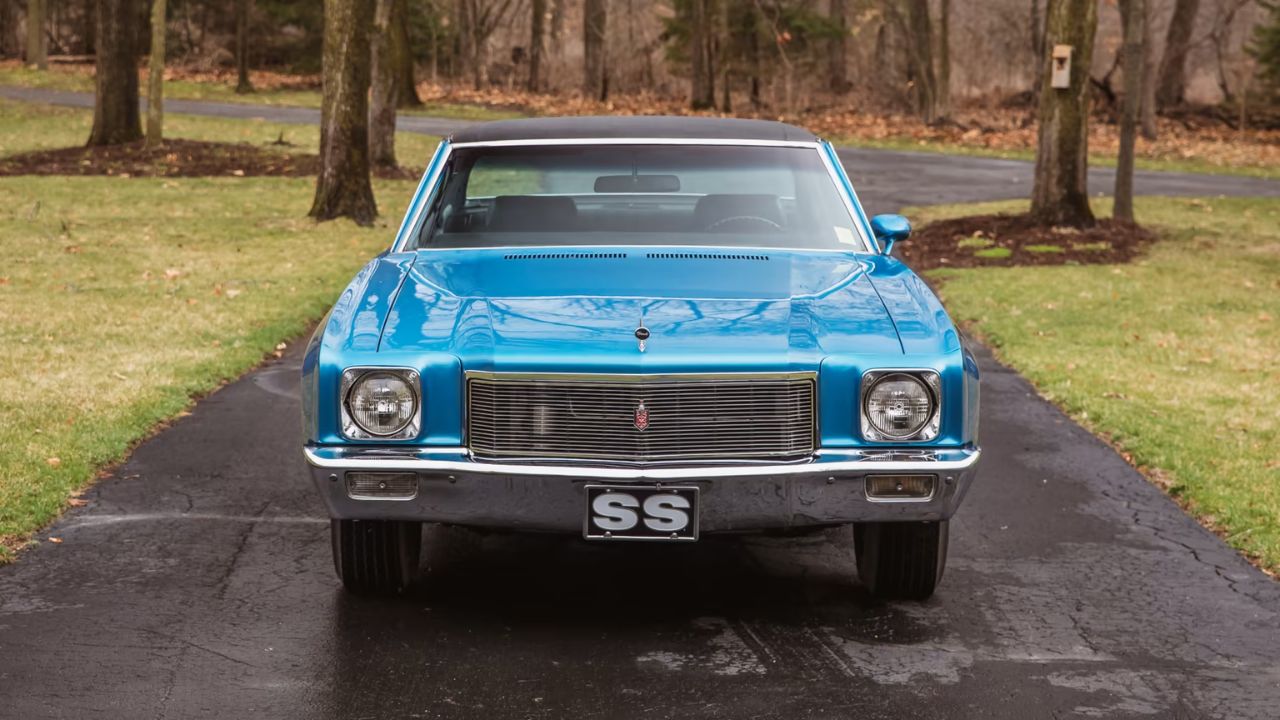
Today, the 1971 Monte Carlo SS 454 sits in a sweet spot—rare enough to matter, but not so unattainable that you’ll never see one. Collectors who appreciate a more refined muscle car gravitate toward it for its comfort, torque, and understated looks.
Auction prices have crept up, especially for matching-numbers examples. And while it may have disappeared from showrooms after ’71, it left behind a legacy as one of the last full-size muscle coupes with serious bite.
Like what you read? Here’s more by us:
*Created with AI assistance and editor review.