There was a time when old trucks sat in fields, forgotten under layers of rust and weeds. Not anymore. Today, classic pickups are some of the most sought-after machines in the collector world. Whether it’s the clean lines of a ’55 Chevy 3100 or the attitude-packed stance of a ’78 Lil’ Red Express, these trucks bring more than just nostalgia—they bring style, simplicity, and serious value.
What makes them so appealing? It’s not just the looks. Many were built tough, with easy-to-fix mechanicals, clean dashboards, and just enough horsepower to keep things interesting. Here’s a look at 10 classic trucks that prove why old-school pickups are hotter than ever.
1955 Chevrolet 3100 Task Force
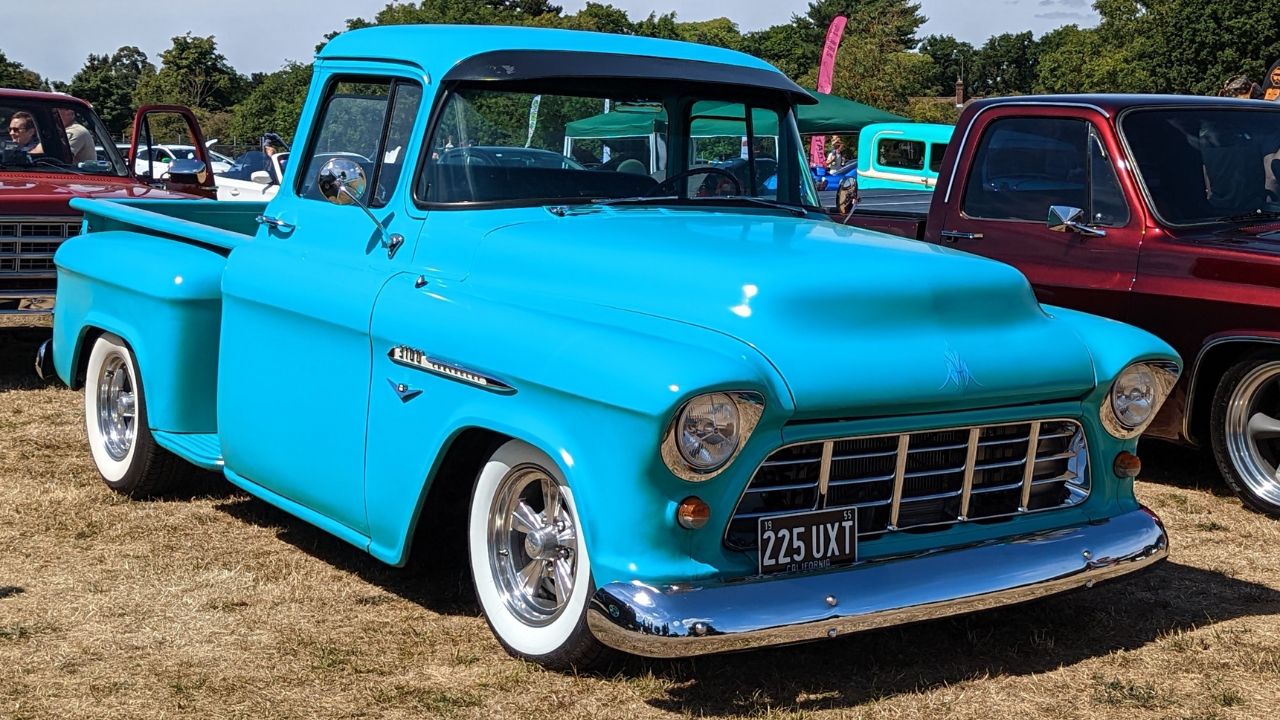
The ’55 Chevy 3100 marked a shift. With the new wraparound windshield, sleeker fenders, and optional small-block V8, it felt closer to a car than a farm tool. The 265-ci V8 brought 145 hp—enough to give it life off the line.
It rode on a straight axle up front with leaf springs all around. Interiors were simple but well-fitted, with color-matched dash and optional heater. It was the first year of the Task Force series and the first step toward turning the pickup into something people drove by choice—not just necessity.
1967 Ford F-100
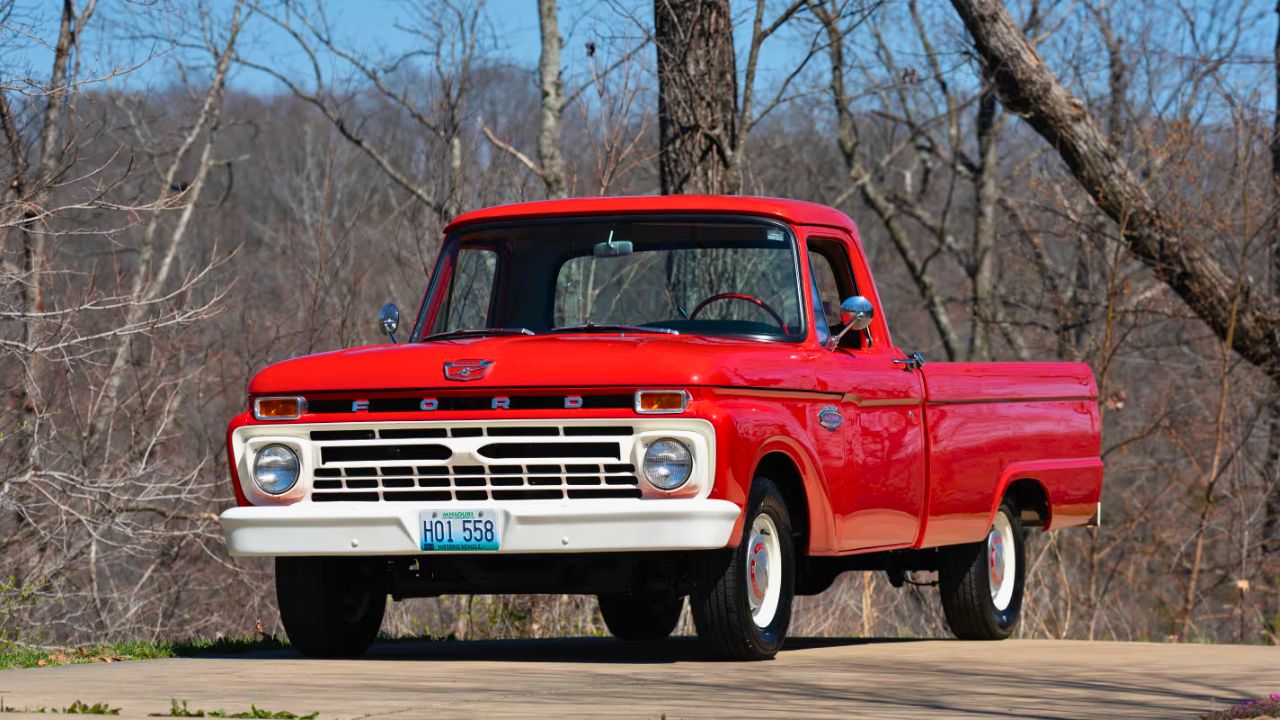
The ’67 F-100 was part of Ford’s fifth-generation line and had a cleaner, squared-up look. This model year brought Twin I-Beam suspension up front, which helped absorb road bumps better than older straight axles.
Under the hood, options ranged from a 240-ci inline-six to a 352-ci V8. The cabin was still no-frills but more comfortable than the earlier models, with optional padded dash and upgraded seats. These trucks have gained real collector interest lately, thanks to their balance of vintage looks and usable performance.
1972 Chevrolet C10 Cheyenne Super
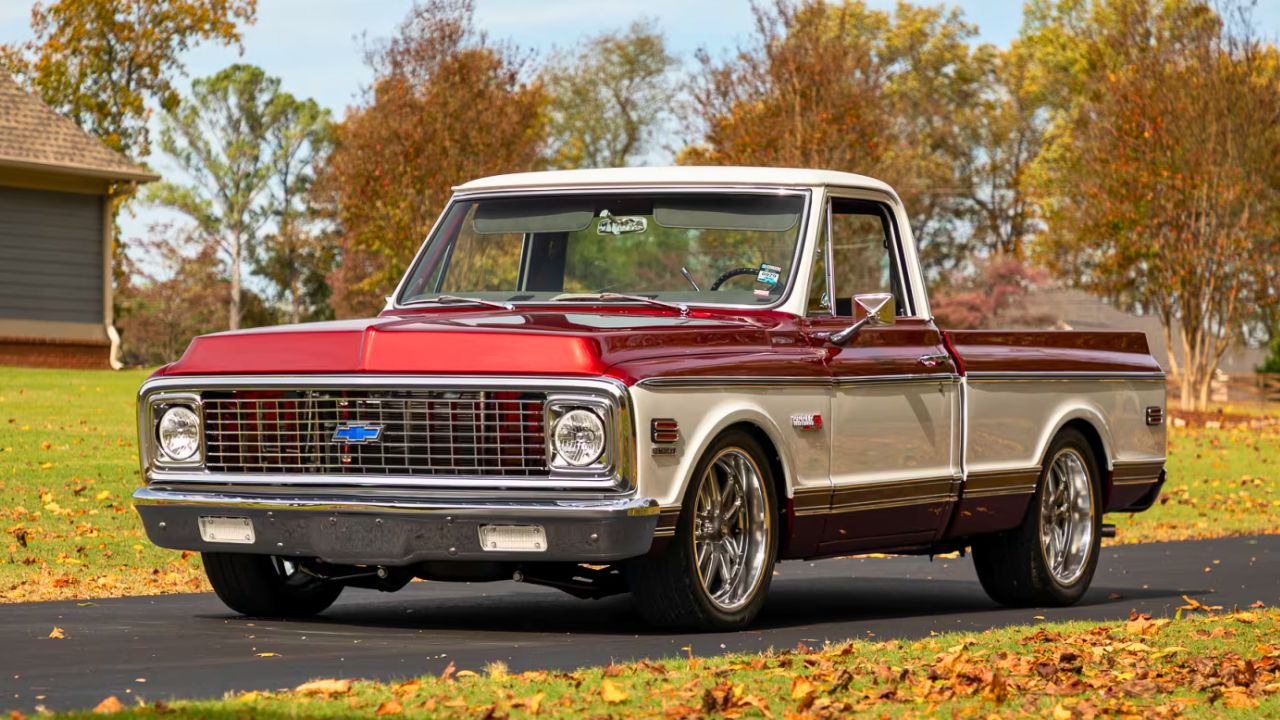
The ’72 C10 Cheyenne Super hit the sweet spot—smooth enough to daily, old enough to feel real. It had independent front suspension and coil springs in the rear, giving it a more refined ride than most trucks of its time.
Buyers could get a 350-ci V8 making around 175 hp, and the Cheyenne Super package added woodgrain trim, upgraded bench seats, and extra insulation. It was the last year before major design changes, which makes it a favorite among collectors who want classic lines with modern drivability.
1969 Dodge D100 Adventurer

The ’69 D100 Adventurer is one of those trucks that flew under the radar until recently. It came with a choice of slant-six or V8 engines—many were spec’d with the 318-ci, offering decent torque and reliable output.
Its torsion-bar front suspension gave it a unique ride feel compared to other leaf-spring setups. Inside, the Adventurer trim brought in upgraded vinyl, color-coordinated panels, and a padded dash. Dodge didn’t sell these in huge numbers, which only adds to their collector appeal today.
1956 Ford F-100
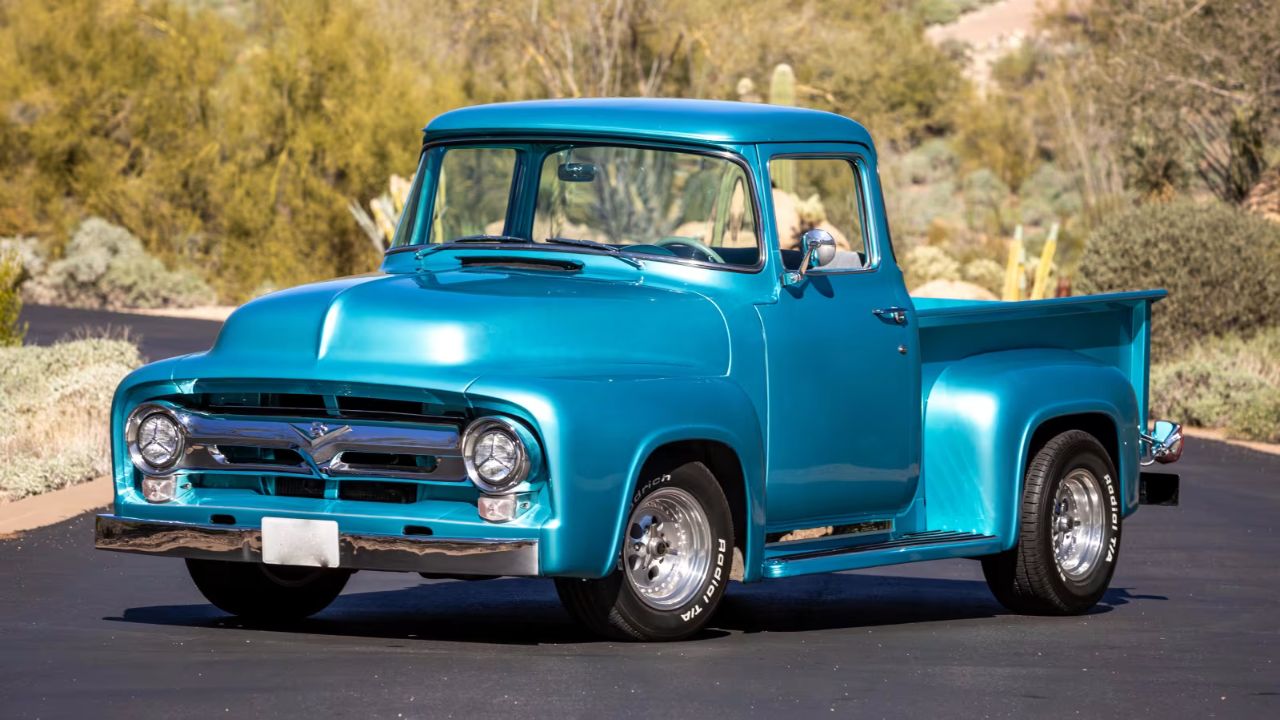
The 1956 model year was a one-year-only body style, which makes it especially valuable now. It had a wraparound windshield and vertical A-pillars, a combo that gave it a more squared-off look than the rest of the second-gen F-Series.
Power came from a 223-ci inline-six or the optional 272-ci Y-block V8. The suspension was leaf springs front and rear, with a solid front axle. Inside, you got bare necessities, but the styling had character—painted dash, deep-set gauges, and big switchgear. Clean examples are increasingly hard to find.
1970 GMC Sierra Grande

By 1970, GMC had carved out a premium niche in the pickup market, and the Sierra Grande was their top trim. It came with the same mechanicals as the Chevy C10—independent front suspension and coil springs—but had more upscale features.
Engine choices included the 350 and 402 big-blocks. Inside, you got more than just vinyl and steel. The Sierra Grande added carpet, chrome trim, and padded surfaces throughout the cab. It was a truck built for work but ordered by people who wanted something nicer than average.
1961 Chevrolet Apache 10

The ’61 Apache marked the end of the forward-leaning “eyebrow” hood era. It also came with the early version of independent front suspension, which gave it better on-road manners than earlier solid-axle setups.
Engine options included the 235-ci inline-six and the 283 V8, both solid performers. Interiors were basic, but the dash layout was clean, and everything was easy to reach. These trucks have been showing up more often at shows and auctions, especially short-bed fleetsides with factory V8s.
1948 Ford F-1
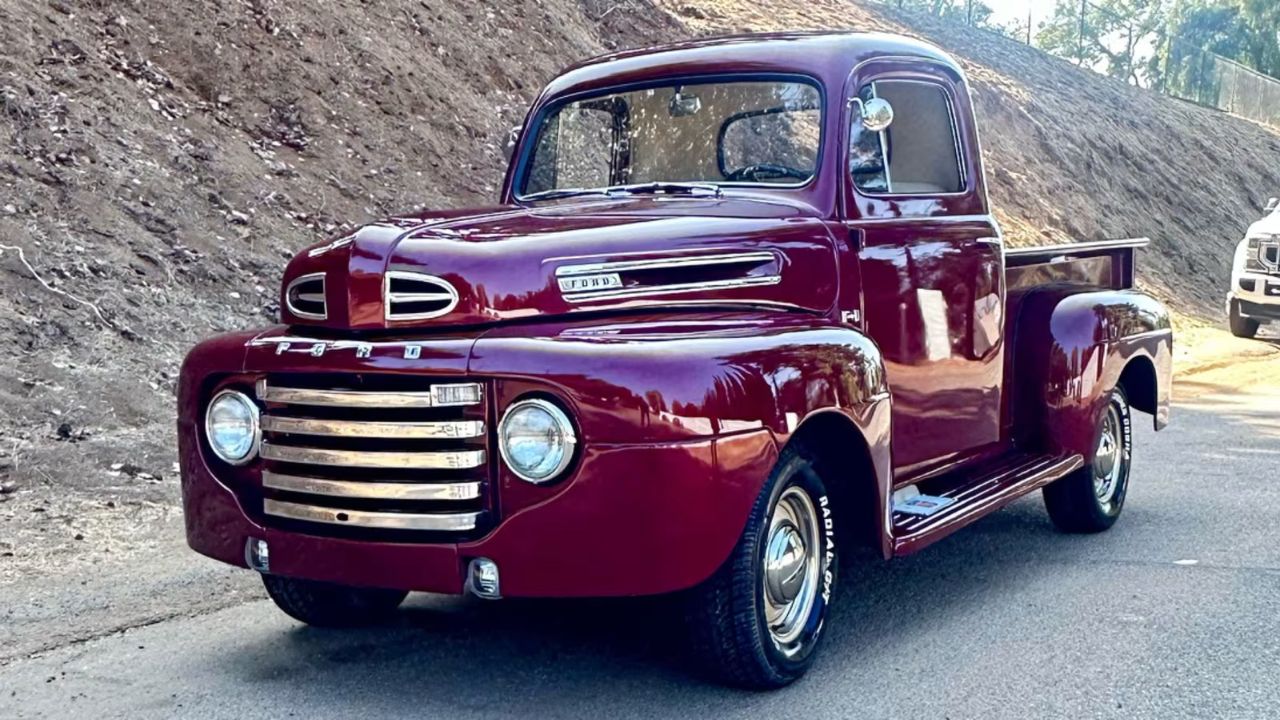
The first of the postwar Ford F-Series, the 1948 F-1 kicked off a whole new chapter in truck design. It rode on a ladder frame with leaf springs front and rear, and came standard with a flathead V8.
The cab was wider and more comfortable than earlier pickups, with improved ventilation and a slightly curved windshield. The interior was still work-first, but offered more refinement than its predecessors. Its clean, simple body lines make it a favorite for both original restorations and tasteful custom builds.
1978 Dodge Lil’ Red Express

The Lil’ Red Express wasn’t subtle, and that’s part of the appeal. With a 360-ci V8, factory headers, and vertical exhaust stacks, it was one of the fastest vehicles on sale in 1978—not just trucks, vehicles.
It had heavy-duty suspension, raised white-letter tires, and a short-wheelbase layout. Inside, there was real effort—wood trim, red bucket seats, and a floor shifter. It was built to make a statement when most trucks were dialing things down. Fewer than 7,500 were made, which keeps values strong today.
1959 Chevrolet El Camino
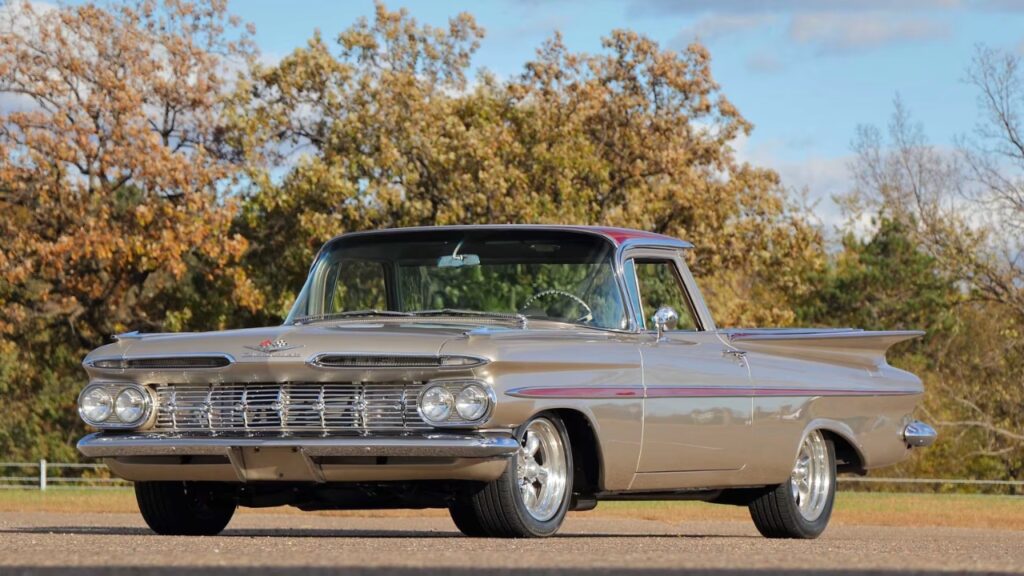
Straddling the line between car and truck, the first-gen El Camino launched in 1959 as Chevy’s answer to the Ford Ranchero. It shared a chassis with the Impala, so it handled more like a car than a pickup.
It could be had with engines ranging from a 235 six to a 348 V8 with triple carbs. Suspension was coil springs all around, and ride quality was smoother than most haulers. The interior borrowed from the passenger car lineup—full dash, radio, and optional two-tone trim. It was a stylish, functional blend, and still turns heads today.