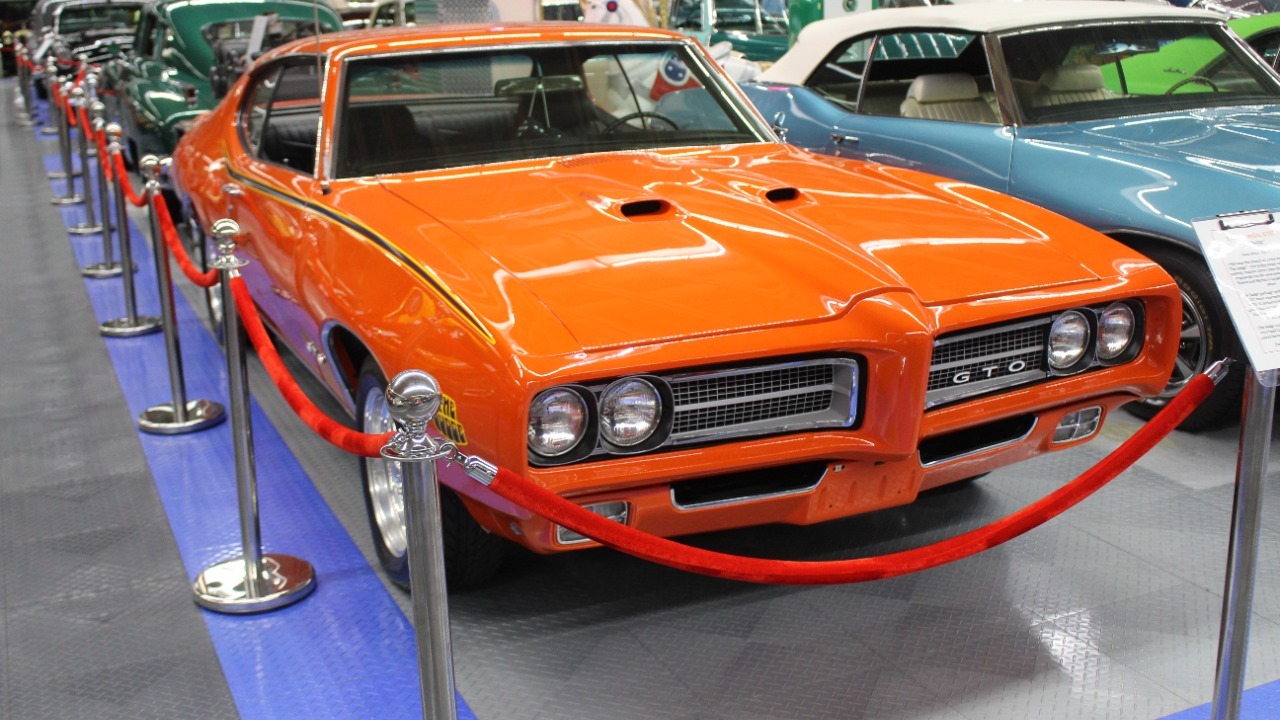
It started the way a lot of modern car stories do: late-night scrolling, a few too many tabs open, and that familiar “I’m just looking” lie. The listing was clean, the photos were glossy, and the price landed in that dangerous sweet spot where a dream feels almost reasonable. A 1969 Pontiac GTO—one of the nameplates that basically wrote the muscle car playbook—was sitting at an auction site, waiting for a winning bid and a new garage.
After a quick round of mental math and a slightly slower round of rationalization, the bid went in. Not long after, it was official: the GTO was his. The plan was simple—get it shipped, do a careful inspection, and start mapping out a restoration that could be as mild or as wild as the budget allowed.
The Auction High, Then the Quiet Wait
Anyone who’s bought a car online knows the emotional whiplash. One minute you’re riding the adrenaline of winning, and the next you’re staring at a calendar, waiting for shipping updates like they’re stock prices. In the photos, the GTO looked like a solid project: straight-ish lines, decent trim, and an interior that wasn’t perfect but didn’t scream “barn ecosystem,” either.
There were the usual auction disclaimers, of course. “Sold as-is,” “no guarantees,” and “buyer responsible for verification” are basically the fine print version of a shrug. Still, the seller’s description suggested the car was complete and largely original, and the idea of bringing a classic back to life can make even the cautious among us a little optimistic.
The Call That Changed the Mood
Shipping day finally arrived, and with it came the call. Not from the auction house, not from the seller, but from the transport driver—one of those people who’s seen enough vehicles in enough conditions to develop a sixth sense. The voice on the other end didn’t sound panicked, just careful.
“There’s something you should know about this car,” the driver said. That’s the kind of sentence that can make your stomach drop even if you’re sitting down.
The driver explained that while loading the GTO, a couple of things didn’t match what the photos seemed to promise. Nothing about it looked like an obvious scam, but it also didn’t look like a simple weekend project anymore. And before heading out on the road, the driver wanted the buyer to understand what was actually being shipped.
What the Driver Noticed Right Away
First, the driver mentioned the stance. The car sat a little oddly, like the suspension wasn’t just old but possibly compromised, and that can mean anything from worn bushings to a bent component. It’s not unheard of in classics, but it’s the kind of thing you want to know before you start dreaming about your first cruise night.
Then came the more practical concerns: the GTO didn’t roll as smoothly as expected. The driver said it took extra effort to position it, and one wheel seemed to resist more than the others. A stuck brake, a seized caliper, or an unhappy wheel bearing can all cause that, and none of them are fun when the car arrives and you’re trying to push it into the garage with two friends and a lot of hope.
The biggest surprise, though, was underneath. The driver had glanced under the rocker panels and floor area while securing the car—something drivers often do because tie-down points and frame condition matter for safety. What was visible suggested more rust than the listing implied, including spots that looked soft or patched in a way that didn’t inspire confidence.
When “Surface Rust” Isn’t Just Surface Rust
Rust is the classic car world’s most reliable villain because it never looks as bad in photos as it does in real life. A little oxidation on a quarter panel might be nothing, but corrosion around structural areas—floor pans, body mounts, trunk floor, frame rails—can quickly turn a “fun project” into a “how much is a rotisserie?” situation.
The driver didn’t claim to be a restoration expert, and to be fair, most transport drivers won’t diagnose a car like a mechanic. But they do know what solid feels like when a car is being strapped down. If tie-down points look questionable, that’s not cosmetic; it’s the kind of problem that can affect safe transport and safe driving later.
There was also a small detail that raised eyebrows: a couple of spots where the paint finish seemed too fresh compared to the rest of the body. Fresh paint isn’t automatically suspicious—people repaint cars all the time—but when only certain areas look newly sprayed, it can hint at quick cover-ups or patchwork repairs meant to photograph well.
The Buyer’s Next Moves (And Why They Make Sense)
After the call, the initial excitement didn’t vanish, but it definitely got quieter. The smart play in that moment wasn’t to spiral—it was to get specifics. He asked the driver for a few quick photos: the areas underneath that looked rough, the wheel that resisted rolling, and any visible patches or questionable mounting points.
That’s one of the underrated advantages of working with an experienced transport driver. They’re already there, already looking at the car in person, and they usually don’t mind snapping a few shots if you ask politely. It’s not a pre-purchase inspection, but it’s a reality check, and sometimes that’s priceless.
With those images, he could decide whether to proceed, renegotiate, or at least prepare. Even if the auction sale was final, knowing what’s coming lets you line up the right help: a trailer jack, a winch, a shop that can assess structural rust, or a body specialist who won’t sugarcoat the repair costs.
Why These Surprises Happen More Often Than People Admit
Online auction photos are designed to show a car at its best, and that’s not inherently dishonest. Sellers tend to photograph flattering angles, avoid harsh lighting, and skip the underside unless they’re proud of it. And on a car as old as a ’69, a lot can be “technically true” while still being misleading—like calling rust “patina” or describing a non-running engine as “should run with a tune-up.”
There’s also the simple fact that classics aren’t uniform. Two 1969 GTOs can look similar from ten feet away and be totally different underneath. One might be a dry-climate survivor with honest wear; the other might be a well-disguised patchwork of old repairs, moisture, and good intentions.
Transport drivers often become the accidental messengers in these situations. They’re the first neutral party to touch the car after the sale, and they’ve got no reason to hype it up. If anything, they’d prefer fewer surprises, because surprises make loading harder and deliveries more complicated.
What Arrives Is Still a GTO—Just Maybe a Different Kind of Project
By the time the truck finally pulled up, the emotional tone had shifted from “new toy” to “serious assessment.” That doesn’t mean the dream was dead. It just meant the dream needed a clipboard, a flashlight, and maybe a slightly larger budget than originally planned.
Classic cars are like that—especially the icons. A 1969 GTO can be a weekend cruiser, a show car, or a long-term resurrection, and sometimes you don’t know which one you bought until it’s in your driveway. The good news is that the surprise came with a warning, not an accident, and that’s a rare kind of luck in the auction world.
And if nothing else, it’s a reminder that the most valuable “option” on a shipped classic isn’t power steering or a four-speed. It’s an honest phone call from the person strapping it to a trailer, saying the one thing you need to hear before you fall in love all over again.
More from Fast Lane Only