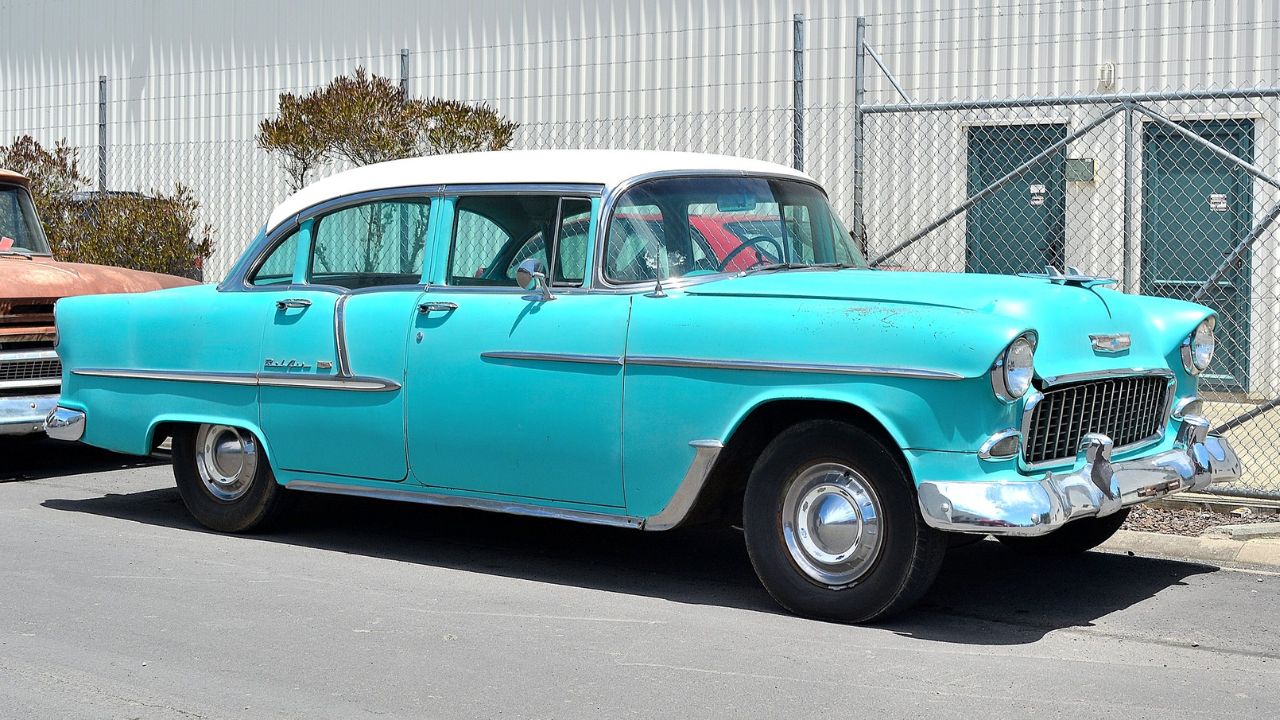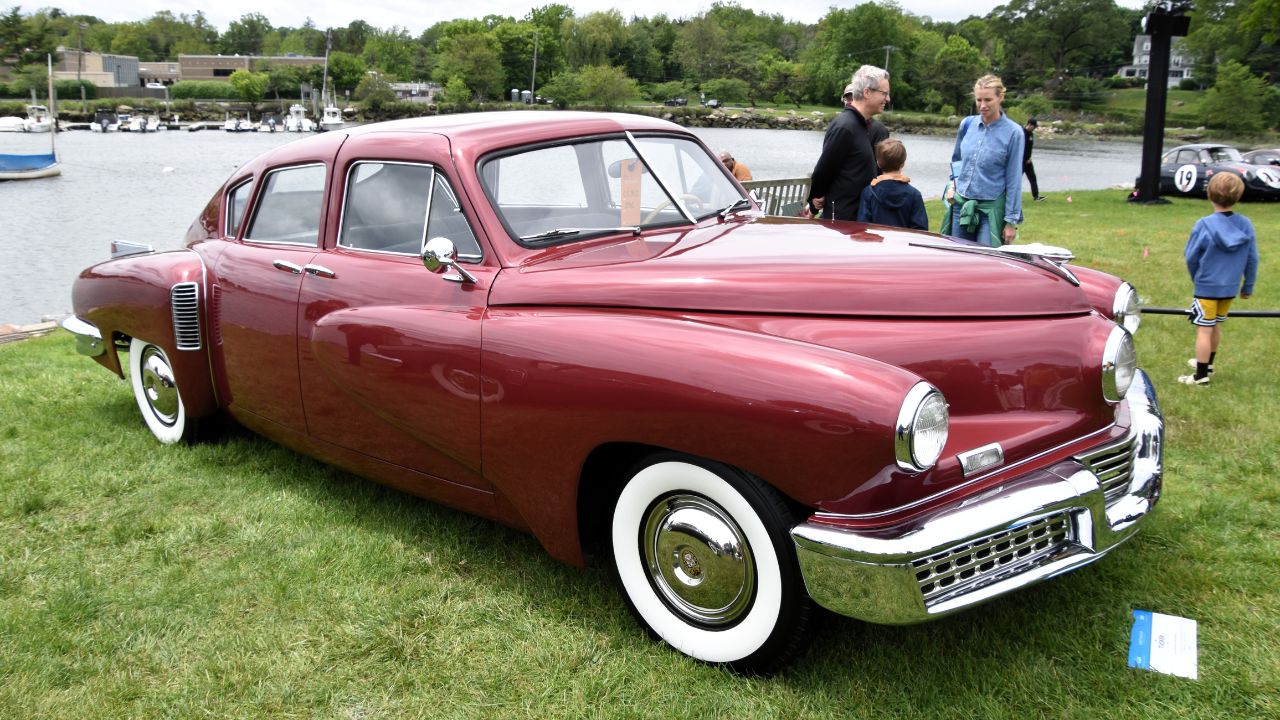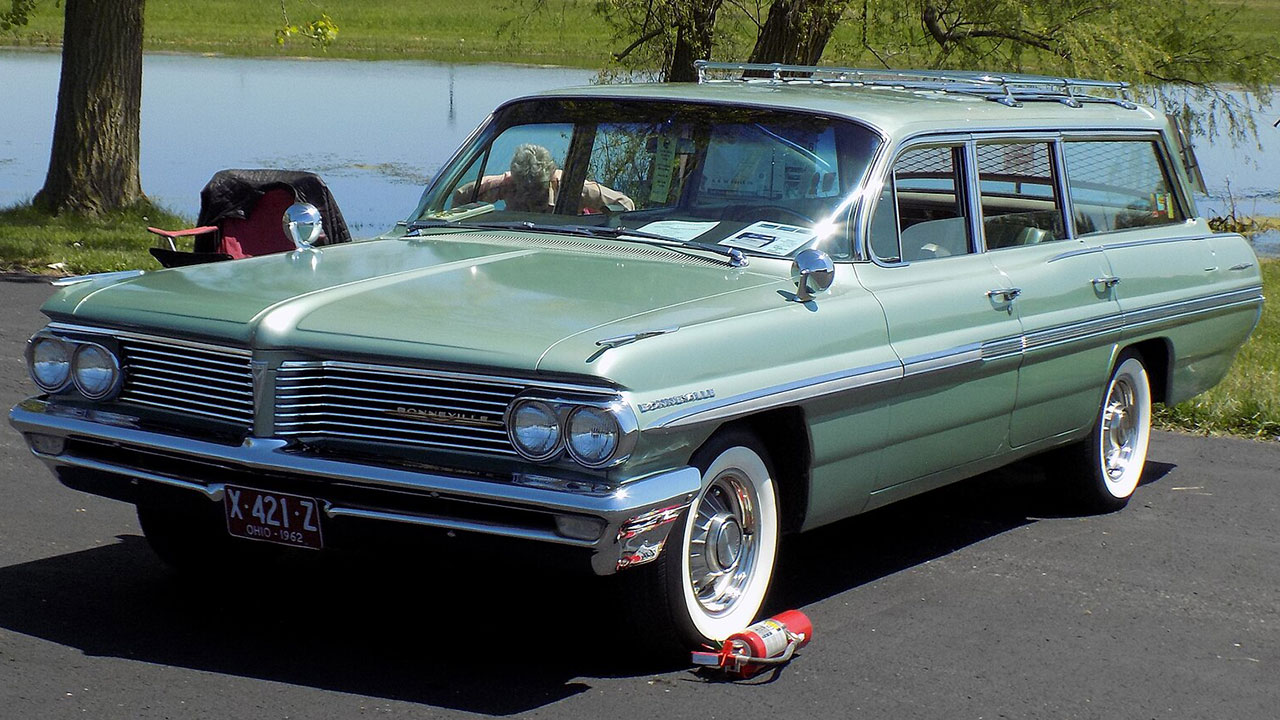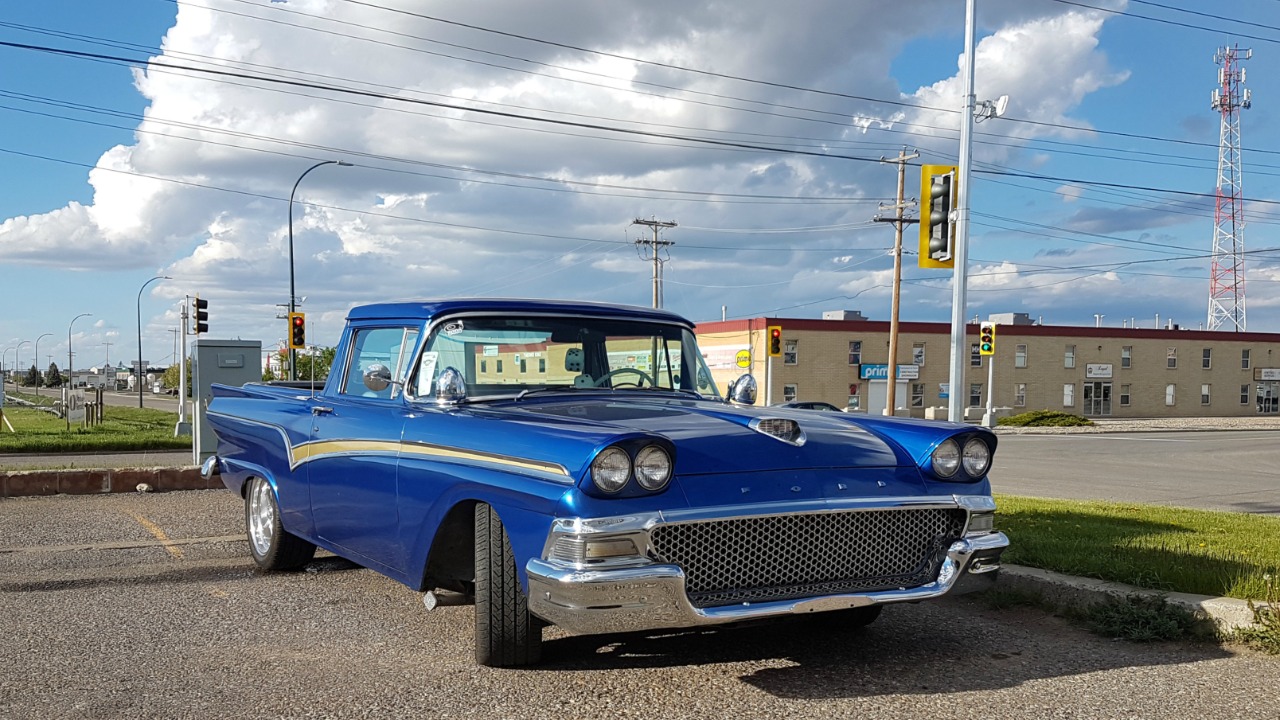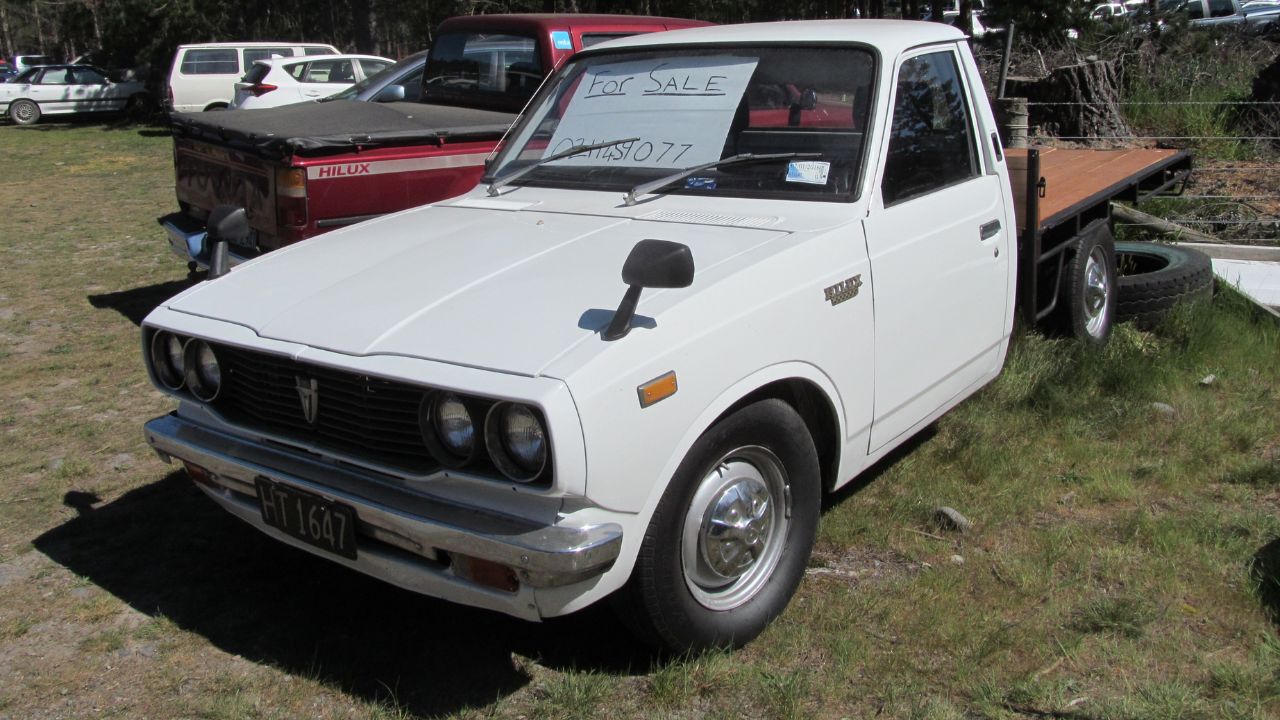
It started the way a lot of modern “barn find” dreams do: late-night scrolling, a tempting listing, and that little thrill of thinking you just beat everyone else to a deal. He says the photos showed a tidy classic—straight panels, clean interior, and the kind of patina that looks intentional instead of accidental. The price wasn’t pocket change, but it felt believable for a driver-quality vintage car.
Then the delivery truck showed up, the ramp dropped, and his excitement turned into a long, quiet stare. “This isn’t the same car,” he says he thought immediately, not in a dramatic way—more like the stunned disbelief you get when your food order is very much not what you ordered. He says he’d expected some surprises, but not a full-on mismatch between the listing photos and the vehicle in front of him.
A listing that looked almost too perfect
According to him, the online ad had the right buzzwords: “well maintained,” “original charm,” “runs strong,” and “ready for weekend cruises.” The photos showed a classic that looked presentable from every angle, including flattering shots in soft light that made the paint look consistent. There were close-ups too—dash, seats, engine bay—enough to make him feel like he wasn’t buying blind.
He says he asked a few questions before paying, mostly about rust, recent maintenance, and whether anything major needed attention. The responses came back quickly and confidently, which reassured him. Like a lot of buyers, he figured any small issues would be the normal kind of classic-car stuff: leaks, squeaks, maybe a stubborn gauge.
The moment the car arrived
He says the first clue was the color tone. In the listing photos it looked like a warm, even shade; in person, it looked different—less “vintage character,” more “several eras of touch-up paint.” He walked around it once, then again, trying to reconcile what he’d seen online with what sat on the driveway.
Body lines that looked straight in the photos now looked wavy under direct sunlight, he says. Trim pieces were missing or mismatched, and there were areas where the finish didn’t just have patina—it had problems. The interior, which had looked clean and intact online, seemed more worn and pieced together than expected, with details that didn’t line up with the ad’s close-ups.
What “photos didn’t match” can really mean
Not every mismatch is a full switcheroo, and that’s part of what makes these situations messy. Sometimes sellers reuse photos from an earlier stage of a restoration, or they post older images from before damage happened. Other times, heavy editing and perfect lighting can hide issues so effectively that the car might as well be wearing a costume.
But he believes this was more than flattering angles. He says certain identifiers didn’t line up—small details that are hard to overlook once you know where to look. Things like trim placement, wheel style, and interior patterns weren’t just “a little different,” he says; they were inconsistent in a way that made him question whether the photos were ever of this exact vehicle.
The paper trail: messages, receipts, and the fine print
He says he immediately pulled up the original listing and compared it line by line to what he could see in front of him. He also reviewed his messages with the seller, looking for any wording that could be interpreted as a warning—phrases like “photos are representative” or “similar condition,” which can be red flags when you’re buying something as individual as a classic car. The trouble, he says, is that listings often feel specific until you need them to be specific.
Whether he has a clear path to a refund may come down to how the sale was structured. Private-party sales are often “as-is,” and some platforms offer limited protection once the money has changed hands. He says he’s now learning the hard way that “as-is” doesn’t just mean “expect some quirks”—it can mean “you own the surprise now.”
Why this keeps happening in online classic sales
Classic cars live in a weird space between hobby and high-stakes purchase. They’re emotional buys, and sellers know that a good photo set can trigger the “I need it” feeling faster than any spec sheet. Add the fact that many buyers are shopping across state lines, and it becomes easier for reality to arrive later, on a transporter.
There’s also the simple truth that classics are inconsistent by nature. Two cars of the same model year can be wildly different depending on rust, past repairs, and how honest previous owners were. Online listings collapse all that complexity into a handful of photos and a couple paragraphs, and sometimes that summary is more fiction than fact.
What he says he’d do differently next time
He says the biggest lesson is boring but effective: get a third-party inspection. A knowledgeable local shop or mobile inspector can spot filler, rust bubbles, and mismatched parts in minutes—things that a camera can conveniently “forget” to mention. If an inspection isn’t possible, he says he’d at least ask for a live video walkaround that includes details a seller can’t easily fake, like starting the car cold and showing the VIN plate up close.
He also recommends requesting time-stamped photos that include specific shots you choose: undercarriage points, door bottoms, trunk wells, and windshield corners. If a seller hesitates, that hesitation is data. And if the answer is “trust me,” he says, it’s worth remembering that trust is great, but paperwork and verification are better.
How platforms and buyers are reacting
Disputes like this often turn into a tug-of-war between what was promised and what can be proven. Some selling platforms encourage buyers to report misleading listings, but enforcement can be inconsistent, especially when a transaction happens off-platform or through bank transfers. He says he’s now documenting everything—photos, delivery paperwork, and screenshots of the listing—because memories don’t carry much weight in a formal complaint.
In enthusiast circles, stories like his spread fast because they hit a nerve. Plenty of people have bought a classic that needed more work than expected, but there’s a difference between “needs a carb tune” and “this doesn’t match the ad.” The shared takeaway is familiar: if the deal feels unusually smooth, it’s worth slowing down and double-checking what’s actually being sold.
What to watch for if you’re shopping online
If you’re hunting for a classic online, experts often suggest looking for consistency more than perfection. Do the backgrounds match across photos, or do they look like they were taken in different places and different seasons? Are there clear shots of the VIN tag, engine stampings, and problem-prone rust areas, or is everything photographed from five feet away like it’s shy?
And when something seems off, trust that instinct. Ask for specific photos, ask for a live call, and don’t be afraid to walk away if the answers get slippery. He says that’s the part he keeps replaying: the moment when he felt a tiny doubt, shrugged it off, and clicked “buy.”
Now, with the car in his driveway and the photos still glowing on his screen, he’s left doing what nobody wants to do after a big purchase—figuring out what happened, what’s fixable, and what’s next. He says he still loves classic cars, but he’ll never look at an online listing the same way again. In a hobby built on nostalgia, it turns out the most modern skill is simple: verifying what you’re seeing before it shows up on a truck.
More from Fast Lane Only