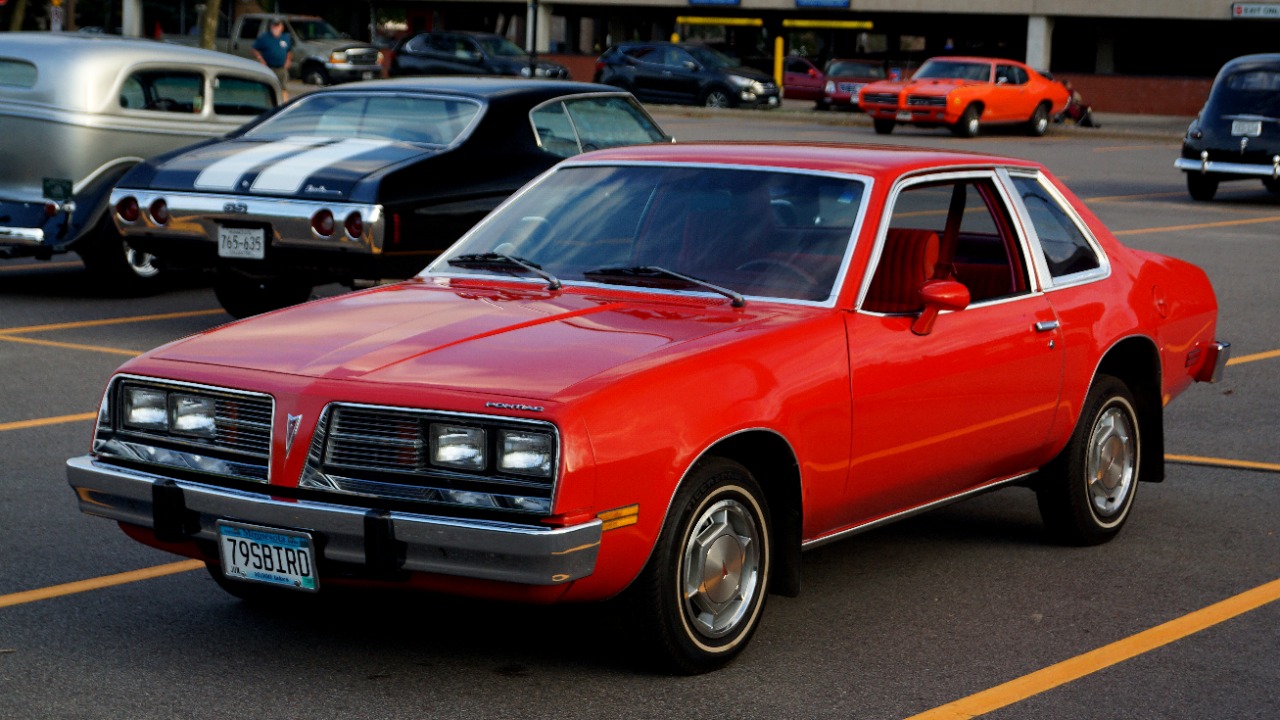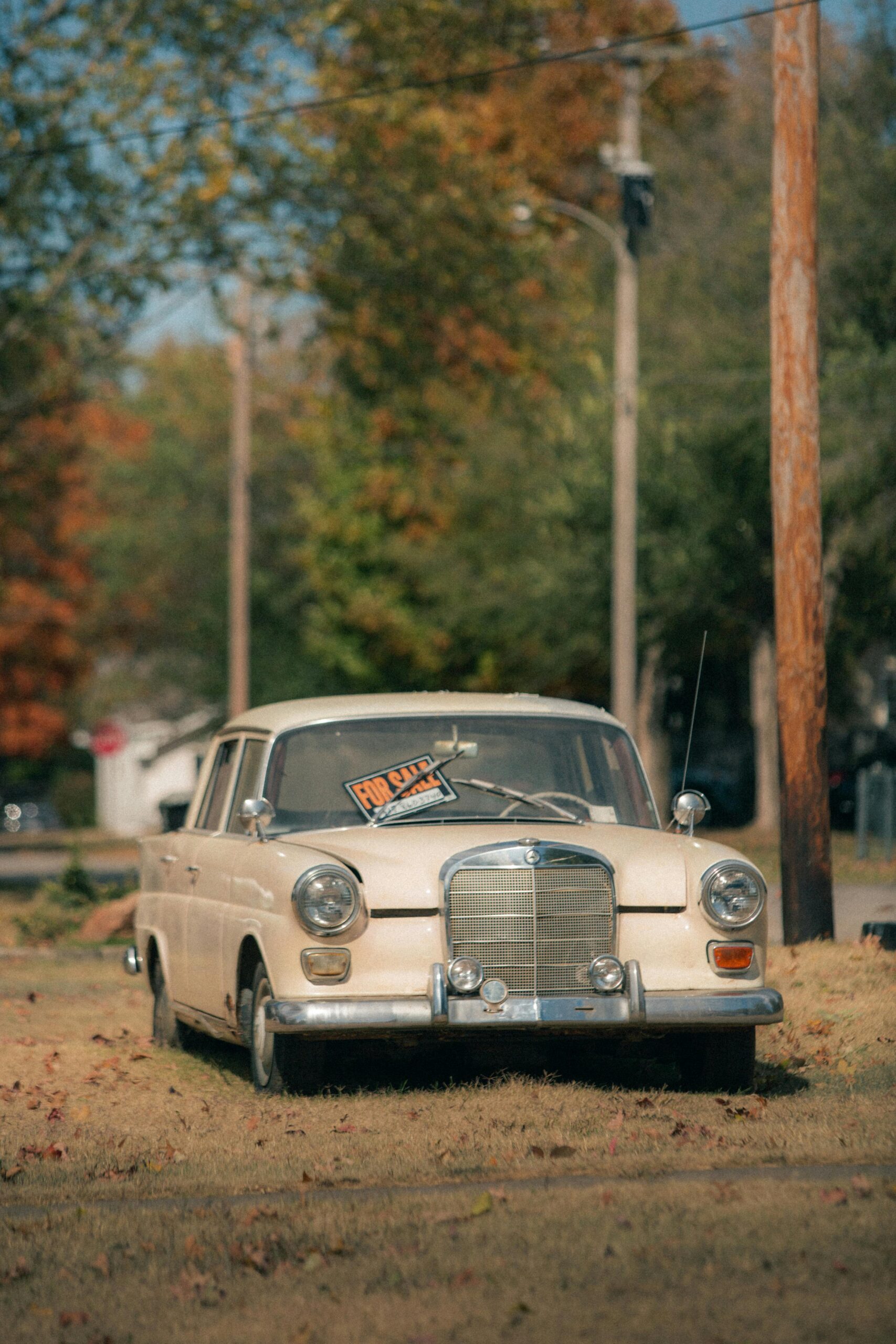
It started the way a lot of used-car stories do: a promising listing, a clean-looking exterior, and a price that felt almost too reasonable for the market. The buyer had done the usual homework—checked comparable listings, read up on common issues for that model, and even lined up a mechanic for a pre-purchase inspection. Then came the first real speed bump: the seller refused to allow an inspection.
Not “I’m busy today” refused. Not “can we do it next week” refused. Just a firm no, followed by a breezy line that the car was “solid” and didn’t need anyone “poking around.”
A Small Request That Shouldn’t Be a Big Deal
Pre-purchase inspections are the boring grown-up step that saves people from expensive surprises. A good mechanic can spot leaks, check for accident repairs, scan for hidden codes, and notice things most of us wouldn’t catch until the check-engine light throws a tantrum on the highway. It’s not a personal attack; it’s basically the car-buying version of reading the fine print.
So when the seller refused, the buyer did what most careful shoppers would do: asked why. The seller didn’t give a clear answer—just repeated that the car was fine and that the buyer could “take it or leave it.” That’s when the situation stopped feeling like a normal negotiation and started feeling like a test.
The Red Flags That Didn’t Look Like Flags at First
Friends told the buyer the same thing people always say: if they won’t let you inspect it, walk away. But the listing had a lot going for it. The seller seemed friendly in messages, the interior looked unusually clean for its age, and the car drove well on a quick test drive around the neighborhood.
There were, however, tiny oddities. The seller insisted on meeting in a parking lot instead of at a home address. They also talked fast when questions got specific—service history, prior accidents, why a few panels looked slightly different in shade under certain light. Nothing was a smoking gun, but it was enough to make the buyer’s instincts clear their throat.
The Decision: Walk Away or Take the Gamble
The buyer ultimately decided not to purchase the car. It wasn’t an easy call, especially after spending time coordinating the meetup and imagining the car in the driveway. But refusing a pre-purchase inspection is like refusing to let someone look at the foundation before buying a house—maybe it’s fine, but why make it weird?
Still, curiosity lingered. The buyer kept thinking: what was the seller hiding? A minor issue they didn’t want to negotiate over? A serious safety problem? Or just an overly defensive personality that made everything harder than it needed to be?
Then the Clue Showed Up Online
A couple of weeks later, the buyer came across the same car again—same color, same wheels, same little scuff on the rear bumper. But it wasn’t listed by the seller anymore. It had popped up in an online auction-style listing, this time with a short disclosure report attached.
And there it was: a branded title history tied to flood damage. Not in big dramatic letters, not highlighted with flashing warnings—just tucked into the paperwork like an uninvited guest at a dinner party. The buyer stared at it for a long minute, equal parts relieved and annoyed. Suddenly, the inspection refusal made perfect sense.
Why Flood Cars Can Look “Perfect” at First
Flood-damaged vehicles are tricky because they can present as totally normal in a short test drive. Sellers can replace carpet, detail the interior, and even swap out modules that visibly fail. But water has a long memory, especially when it gets into wiring looms, connectors, and places you can’t see without pulling panels.
The biggest problem isn’t always what’s broken today—it’s what’s going to fail later. Corrosion can take time to show up. Sensors can act fine until humidity, heat, or vibration triggers a weird intermittent issue that a quick neighborhood drive will never reveal.
What an Inspection Might Have Found
It’s impossible to say exactly what would’ve been discovered without seeing the car, but inspections often catch telltale signs. A mechanic might notice rust where it shouldn’t be, silt in hidden crevices, moisture stains under seats, or a musty smell that air fresheners can’t completely defeat. They might also scan the car’s computer and find a history of electrical faults that were cleared right before the showing.
Even when a car has been cleaned up well, flood cars can have little giveaways: fogging in lights, corrosion on seat rails, unusual oxidation under the dashboard, or mismatched fasteners from recent interior work. Individually, those things can be innocent. Together, they tell a story.
The Seller’s Refusal, Explained the Uncomfortable Way
Once the buyer saw the flood history, the seller’s behavior clicked into place. A pre-purchase inspection increases the odds that a professional will find signs of water intrusion or ask for documentation that doesn’t exist. It also creates a paper trail—texts, invoices, mechanic notes—that can make it harder to pretend the buyer “should’ve known” after the fact.
That refusal wasn’t just stubbornness. It was risk management, just not for the buyer. The seller was controlling the amount of information available, betting that a quick test drive and a shiny interior would do most of the persuasion.
What This Means for Anyone Shopping Used Right Now
Used-car shopping is already stressful, and it’s easy to get worn down by listings that don’t reply, prices that don’t make sense, and people who treat basic questions like an insult. That’s exactly why the inspection matters. It’s the one step that turns “I think it’s fine” into “I have evidence it’s fine.”
If a seller refuses an inspection, it doesn’t automatically prove the car is a disaster. But it does mean you’re being asked to take all the risk. And if you’re the one paying, you shouldn’t be the one gambling blind.
How to Protect Yourself Without Turning Into a Detective
Start simple: ask for the VIN early and run a history report through a reputable provider. Look for title brands like flood, salvage, rebuilt, or “buyback/lemon.” If the seller won’t share the VIN, that’s not a quirky preference—it’s a practical warning sign.
When you arrange a meeting, suggest an inspection location that’s convenient for both sides, or offer a mobile mechanic who can come to them. If they say no, ask a calm follow-up: “What’s the concern with an inspection?” The answer matters, but so does the tone—someone with nothing to hide usually doesn’t get defensive about basic due diligence.
And if you do walk away, don’t beat yourself up for getting excited. That excitement is normal. Just make sure your excitement isn’t the thing signing the bill of sale.
A Lucky Escape, and a Reminder That “No” Can Be Useful
The buyer didn’t get the car, but they did get something almost as valuable: confirmation that their instincts weren’t being dramatic. The seller’s refusal wasn’t a minor quirk; it was a clue. Later, the paperwork told the rest of the story.
In a market full of glossy photos and confident claims, a refused inspection is one of the rare moments when a deal tells on itself. Sometimes the most helpful information isn’t what a seller says. It’s what they won’t let you find out.
More from Fast Lane Only