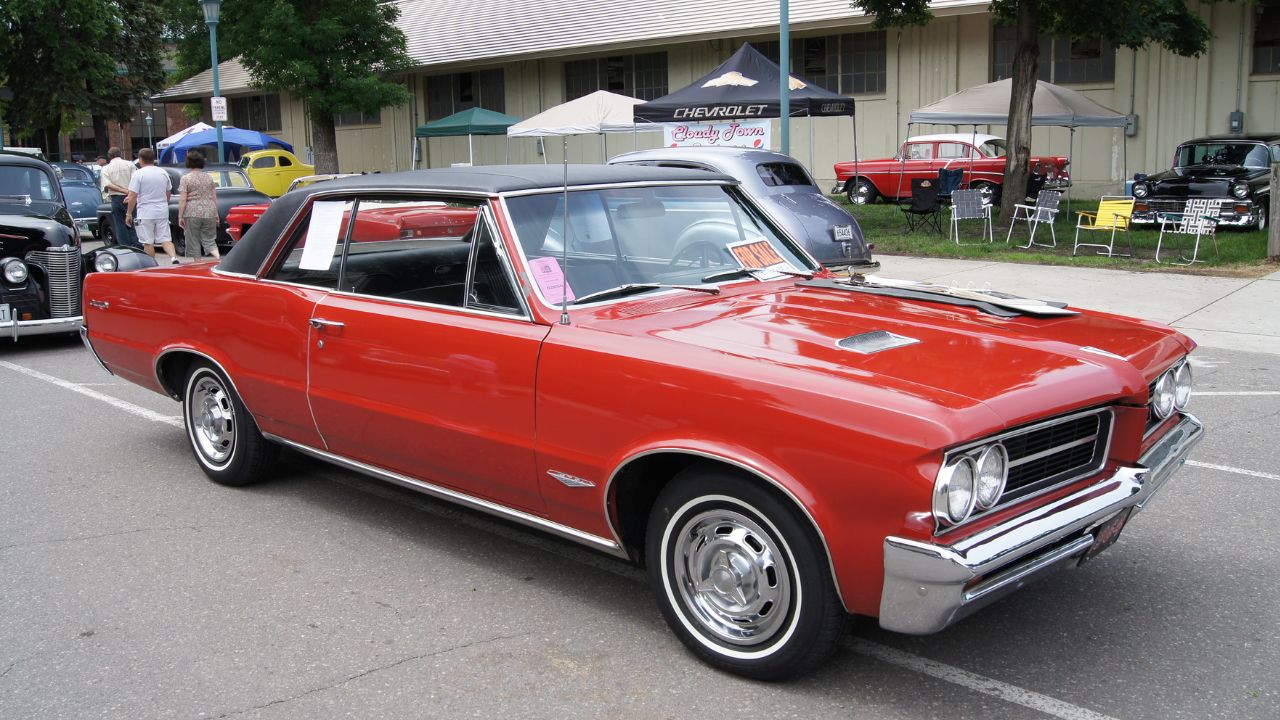
Shopping for a 1964 Pontiac GTO can feel like a straightforward horsepower hunt at first. After all, this is the car that helped kick off the muscle car era, and it’s easy to get drawn into big-cam stories and “it’ll outrun anything” claims. But once you start comparing asking prices and watching what actually sells, a pattern emerges: the cars that stay closest to how Pontiac built them tend to carry the strongest, most durable value.
How the 1964 GTO became a “real” car in collectors’ eyes
For 1964, the GTO wasn’t its own model line yet—it was an option package on the Pontiac LeMans. That detail matters because it ties the car’s identity to specific codes, components, and factory combinations that buyers now look for when judging authenticity. The “GTO-ness” lives in the paperwork and the build, not just in the presence of a 389 under the hood.
It also explains why clone builds exist and why documentation can move the needle so much on price. A well-done tribute can be a fun driver, but collectors typically pay a premium for a car that can be supported as a genuine GTO and, ideally, a correctly equipped one. The closer the car can be traced to its original configuration, the easier it is for buyers to feel confident about what they’re paying for.
Original drivetrain details often matter more than peak output
It’s absolutely true that 1964 buyers could get the 389 with a four-barrel or with Tri-Power, and enthusiasts still argue about which feels “right.” Yet in today’s market, the presence of a correct-style engine, proper induction setup, and period-correct supporting pieces often outweighs any extra horsepower from modern upgrades. A warmed-over engine might be quicker, but it can also introduce questions about what’s been changed—and what else might be incorrect.
Many owners learn this after spending heavily on performance parts that don’t translate into resale value. Things like modern carburetors, aftermarket ignition boxes, or non-stock headers can make the car more drivable, but they can also complicate a sale to someone chasing originality. Even if you keep the old parts, a buyer may still discount the car if the engine isn’t the correct type or if key factory-correct features are missing.
Numbers, castings, and the paper trail are where value hides
When people talk about “numbers-matching,” they’re usually talking about the engine, transmission, and rear axle lining up with what the car should have. In practice, buyers also pay attention to date-correct castings and the overall consistency of the story the car tells. A 1964 GTO that presents as a cohesive, period-correct package tends to inspire more confidence than a car with a patchwork of later parts, even if it runs great.
Documentation can be just as important as metal. Period sales paperwork, dealer invoices, and other records help support how the car was originally equipped, and Pontiac Historical Services (PHS) documentation is widely used by enthusiasts to confirm factory configuration for many Pontiacs of this era. A car with solid paperwork often sells faster and with fewer arguments because the buyer isn’t left guessing about what it started life as.
Restoration choices that help—and ones that quietly hurt
Not every change is a value-killer, but the market tends to reward restorations that respect factory-correct finishes, hardware, and underhood details. Paint color accuracy, correct badging, and an interior that matches original patterns and materials can matter more than people expect, because they’re the things experienced buyers notice first. Even details like the right style of wheels, proper stance, and correct-looking exhaust routing can influence perceived authenticity.
On the flip side, “over-restoration” can hurt if it wipes out the car’s original character or introduces details Pontiac never used. Shiny modern plating everywhere, non-original interior materials, or custom touches that look more street-rod than mid-’60s A-body often narrow the buyer pool. Many collectors would rather have a slightly imperfect but honest restoration than a car that looks great yet feels historically off.
Why reversible upgrades are the sweet spot for real drivers
Plenty of GTO owners want to drive their cars, not just show them, and that’s where smart, reversible changes make sense. Safety and reliability upgrades—done carefully—can make the car more enjoyable without permanently erasing its originality. The key is to avoid cutting, drilling, or modifying rare original parts when there are bolt-on solutions that can be undone.
If you’re considering improvements, keep the factory components whenever possible and store them properly. Buyers often like seeing that the original parts are included, even if the car currently runs a more user-friendly setup. That approach lets you enjoy the car now while protecting the option to return it to a more authentic configuration later.
What seasoned shoppers look for before they talk horsepower
Experienced 1964 GTO shoppers tend to start with identity and correctness: is it a genuine GTO package car, and does the configuration make sense with the documentation? Then they assess condition—rust, bodywork quality, and interior correctness usually outweigh an engine that’s been built for bragging rights. Only after that do performance modifications become a positive, and even then, mainly if they’re tasteful and don’t compromise the car’s historical feel.
If you’re buying, it helps to decide what you want the car to be. A weekend cruiser with a few upgrades can be perfect, but you should pay a price that reflects those changes. If long-term value is the goal, the safest path is typically the one that preserves factory-style components, correct presentation, and a clear paper trail—because that’s what the next serious buyer will be looking for, too.