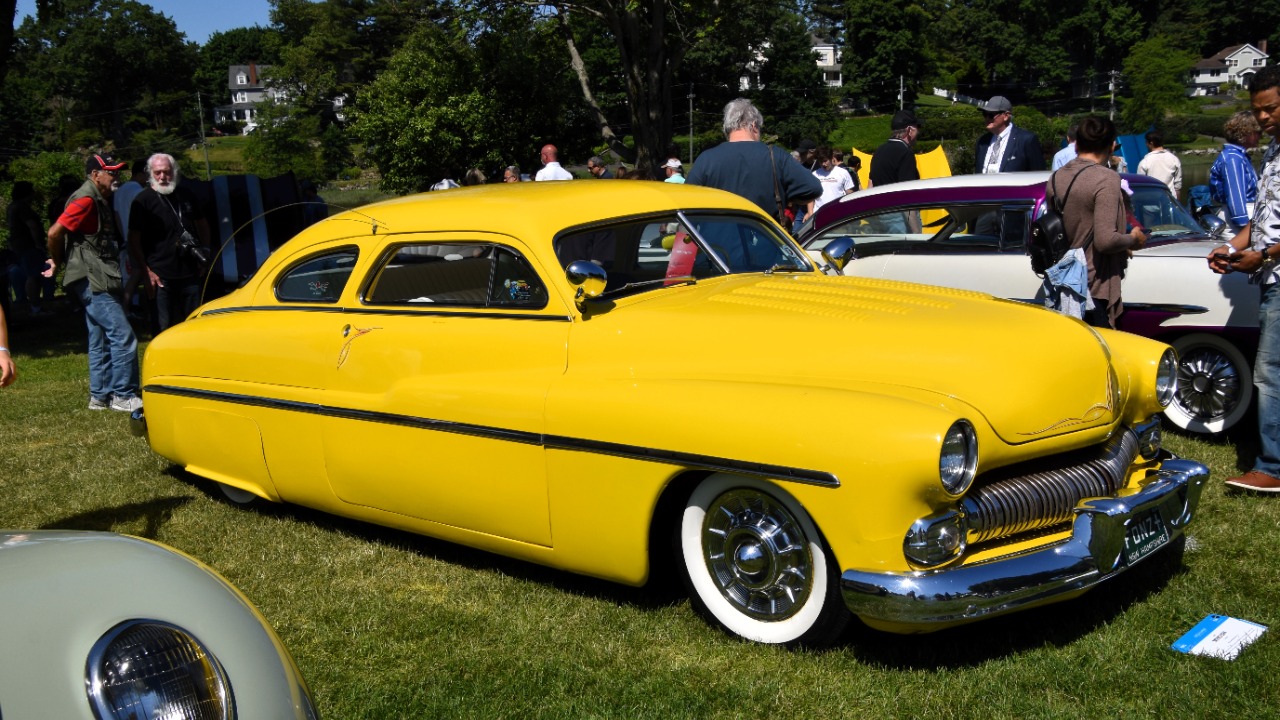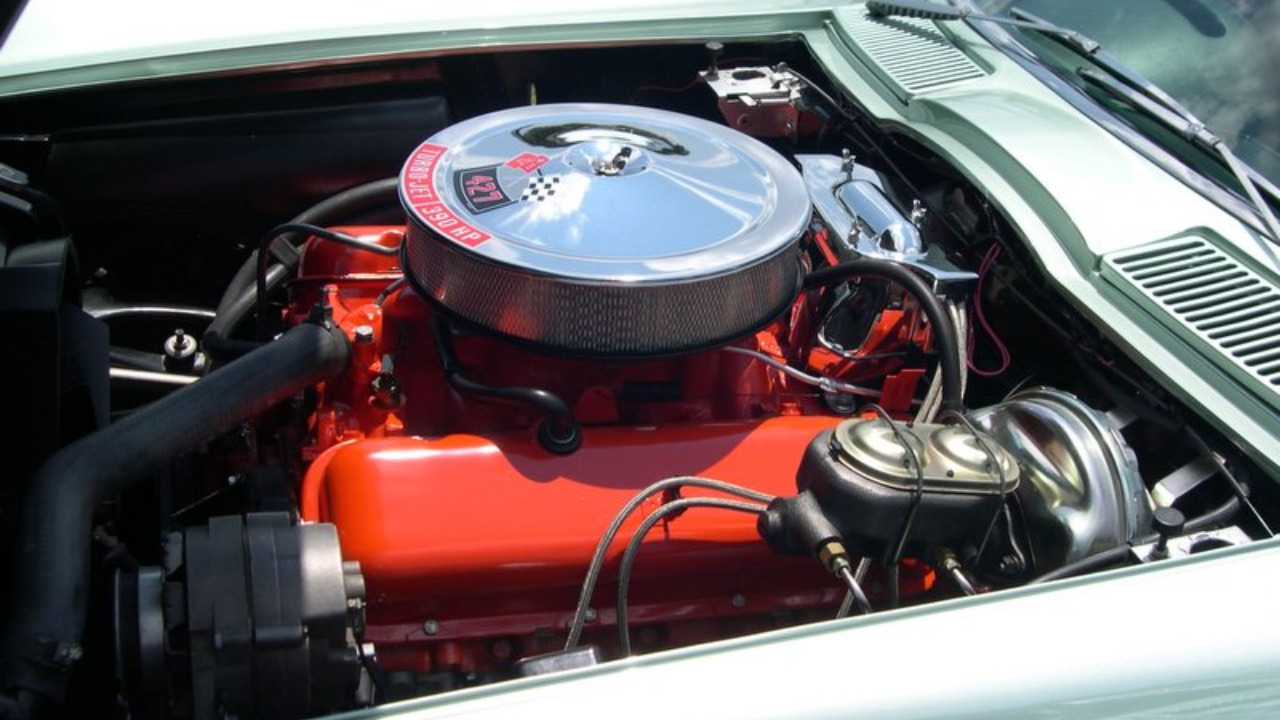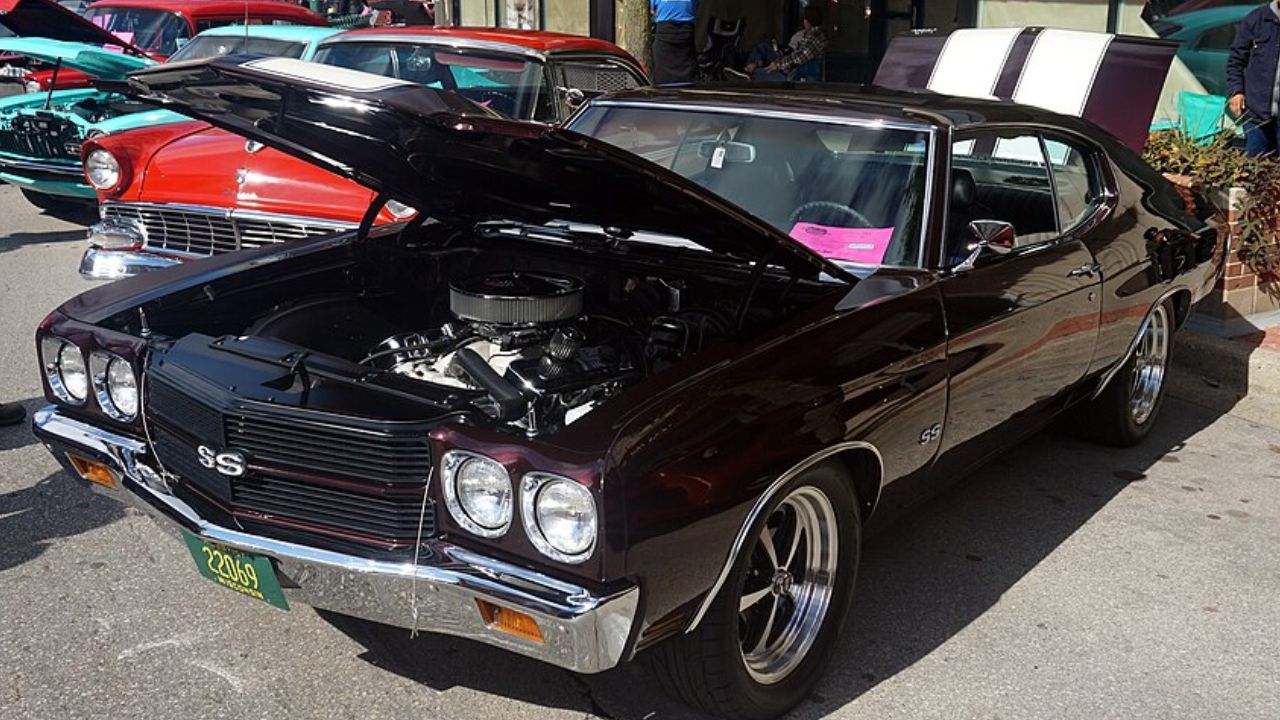
The 1970 Chevrolet Chevelle was designed for an era when 55–60 mph cruising and short bursts of wide-open throttle were more common than long, heat-soaked idling. Put one in today’s stop-and-go traffic—especially with air conditioning, hotter ambient temps, and modern fuel blends—and you’ll quickly see why many owners revisit the cooling system. The good news is that most improvements don’t require changing the car’s character; they just make it more comfortable and dependable.
Why modern traffic exposes old cooling weak points
Cooling systems from the muscle-car era were built around steady airflow through the grille, not extended idling behind SUVs. At low road speeds, the radiator depends heavily on fan performance, shroud design, and unobstructed airflow paths. Add heat sources like higher-output ignitions, headers, and tighter engine bays, and underhood temperatures climb faster than the factory setup was asked to manage.
There’s also the reality of age: radiators silt up internally, fins corrode, hoses soften, and fan clutches get tired. Even a Chevelle that “ran fine years ago” can struggle once it’s driven regularly again. Many owners find that fixing the basics gets them most of the way, and targeted upgrades handle the rest.
Radiator choices: stock-style, higher-efficiency copper, and aluminum
A clean, properly sized radiator is the foundation. The original-style copper/brass units can work very well when they’re in good condition, and a quality recore restores performance without changing the look under the hood. Some owners opt for modern replacement cores with more efficient fin designs while keeping factory-style tanks for an OE appearance.
Aluminum radiators are a common upgrade because they’re widely available, typically lighter, and often offered in thicker or multi-row configurations. Fit and finish matter here—core thickness that’s too great can interfere with fan spacing or shroud placement, and poor mounting can lead to cracked tanks over time. Whichever route you choose, the best radiator is the one that fits correctly, seals to the support, and works with the fan and shroud as a system.
Fan, clutch, and shroud: the low-speed cooling trifecta
If a Chevelle runs hot mostly at idle or in traffic, the fan system is usually the first place to look. A properly working thermostatic fan clutch helps because it reduces drag at speed but pulls hard when underhood air is hot. When they wear out, they can freewheel when you need airflow most—often mistaken for a “radiator problem.”
The shroud is just as important as the fan itself. A well-fitted shroud helps the fan pull air through the entire radiator core instead of just the area directly in front of the blades. Small details—like correct fan positioning relative to the shroud opening and sealing gaps around the radiator support—can make a noticeable difference in traffic.
Electric fans: benefits, tradeoffs, and what people overlook
Electric fans can be a solid solution when you want strong airflow at idle, especially with air conditioning. They also free up space and can simplify belt layouts on modified engines. But the system has to be designed, not improvised: fan capacity, shrouding, relays, wiring size, and alternator output all need to match the load.
A common oversight is control strategy. A thermostatic switch or controller should turn the fan on based on coolant temperature, and many setups also trigger the fan when the A/C is engaged to keep pressures in check at low speed. If the alternator can’t support the extra electrical demand, voltage drops can reduce fan speed and ignition performance, creating problems that look like overheating but actually start in the charging system.
Coolant flow: thermostat, water pump, pulleys, and bypass details
Overheating isn’t always about the radiator; sometimes it’s about how coolant moves through the engine. A healthy water pump with the correct rotation and a thermostat that opens at the intended temperature range are basics that still get overlooked. A stuck thermostat, incorrect unit, or missing gasket details can cause erratic temperature swings and slow recovery after a heat soak.
Pulley ratios matter too. If accessory drive combinations change—common when adding aftermarket brackets or swapping parts—water pump speed at idle can end up lower than stock, hurting traffic cooling. It’s also worth ensuring the system’s bypass and heater circuits are intact, because GM designs of the period often relied on controlled bypass flow to prevent hot spots and stabilize warm-up behavior.
Heat management and tuning: the “hidden” cooling upgrades
Engine tune has a direct impact on coolant temperature. Excessive ignition advance, vacuum leaks, lean mixtures, or a malfunctioning distributor curve can raise exhaust and combustion temperatures, making the cooling system’s job harder. A properly functioning vacuum advance and a sensible timing curve for street driving often improve both drivability and temperature control, especially at part throttle in traffic.
Underhood heat management helps too. Headers and close-fitting exhaust can raise radiant heat near hoses, starter wiring, and the fuel system, contributing to hot restarts and temperature creep at idle. Simple measures—routing lines away from heat, using proper hose materials, ensuring the lower radiator hose has an anti-collapse spring when required, and keeping the engine bay sealing and baffles in place—often deliver real-world gains without changing the car’s look.
Most Chevelle cooling upgrades are really about restoring margin: getting strong airflow at low speed, ensuring the radiator can shed heat efficiently, and making sure coolant and electricity are doing what they’re supposed to do. Whether an owner stays with stock-style parts or chooses modern components, the best results come from treating the system as a whole. Done thoughtfully, the car stays true to its roots while feeling far more relaxed in today’s traffic.