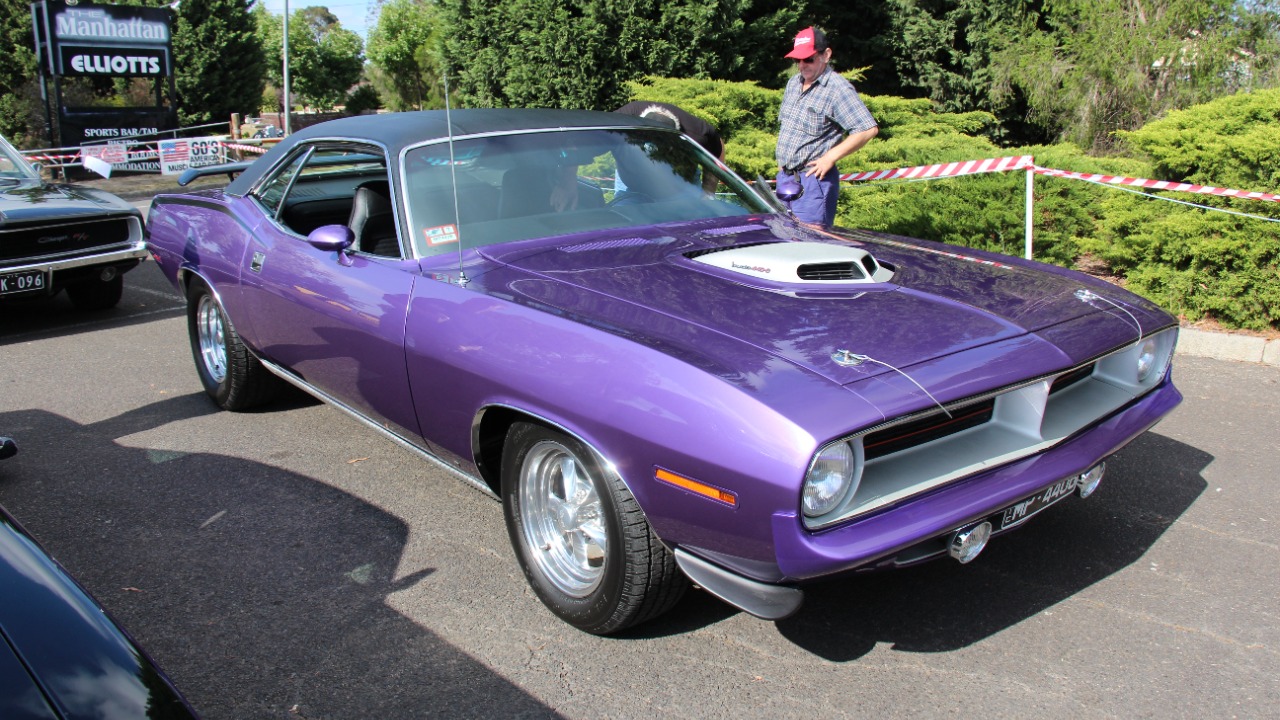
Restoring a 1970 Plymouth ’Cuda often starts with a simple goal—freshen the paint, rebuild the carb, tighten up the interior—and then it snowballs. The cars are old enough that hidden corrosion, prior “creative” repairs, and missing one-year-only parts tend to reveal themselves only after disassembly. Add in the reality that these E-body Mopars have been heavily modified over the decades, and it’s easy to see why a weekend project turns into a long-term restoration.
Why “just fixing a few things” rarely stays small
Most ’Cuda projects grow the moment you begin stripping layers away. Thick undercoating can hide pinholes, old collision work, or patch panels that were never properly welded. Once the drivetrain is out, owners often decide it makes sense to address wiring, brake lines, and suspension bushings while access is easy, even if those weren’t part of the original plan.
There’s also a value-and-correctness factor unique to this era. Because 1970 ’Cudas are highly collectible, many owners pivot from “driver-quality refresh” to “let’s do it right” once they realize how much the car is worth when finished. That shift usually means more time spent researching finishes, fasteners, and factory-correct details than people expect.
E-body rust hides in predictable but expensive places
Even cars that look solid can have significant rust in areas that are hard to inspect before teardown. Common problem spots include lower quarters, trunk floors, rear frame rails, cowl areas, and the base of the windshield where water can sit for years. Torsion bar crossmembers and floor pan seams can also become issues, especially if the car lived in a wet climate or saw winter roads.
The tricky part is that rust repairs are rarely isolated. Replacing a trunk floor can lead to discovering weak extensions or rail sections, and quarter-panel work often reveals issues around the wheelhouse lips and inner structures. Once you’re welding, you’re also committed to refinishing large sections of the body, which quickly expands paint and materials costs.
Parts availability is better than it used to be, but the details can still bite
Reproduction support for E-body Mopars is strong compared with many other classics, but not every part is a perfect bolt-on. Panel fit can vary, small trim pieces may be out of stock, and certain details are specific to ’Cuda vs. Barracuda and to 1970 vs. later years. If your car is missing pieces due to decades of modifications, sourcing correct replacements can take longer than the mechanical work.
Interior restoration is another place where scope creeps in. Seat foam, upholstery, dash pads, woodgrain appliques, and small hardware can add up, and the condition of the underlying frames and mechanisms often dictates how deep you have to go. A cracked dash may also prompt a full gauge service and wiring inspection, especially if the car has had aftermarket stereos or alarm systems installed over the years.
Numbers, documentation, and correctness can turn a rebuild into a research project
The more “factory-correct” you want the finished car to be, the more documentation matters. Enthusiasts commonly track items like casting dates, assembly stamps, and correct finishes on brackets and hardware, and they’ll compare what’s on the car to period references and surviving originals. That level of scrutiny can be rewarding, but it’s also time-consuming and can force you to redo work that looked fine at first glance.
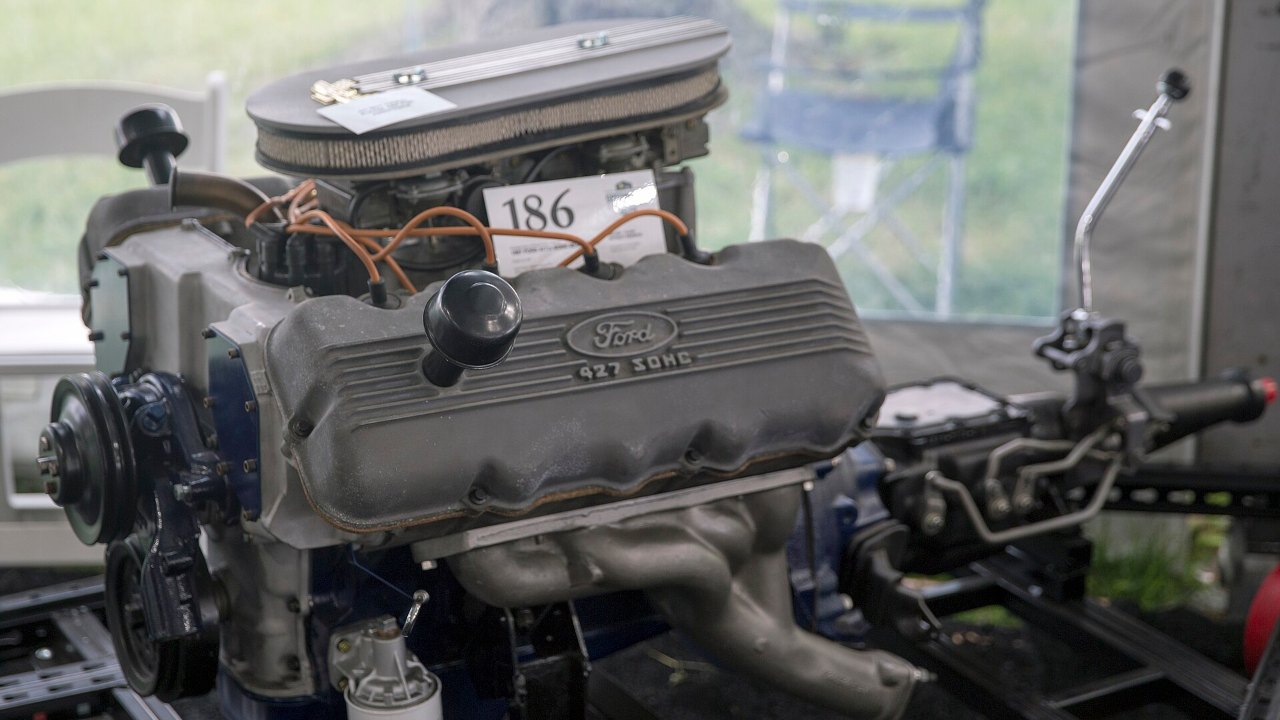
Engine and drivetrain choices also have a way of expanding the plan. If the car is a true performance-spec example, owners often feel pressure to rebuild what’s there rather than swap in something easier. Even when you’re not chasing concours points, you may still want era-appropriate components and factory-style routing for fuel lines, vacuum hoses, and wiring, which adds complexity.
Mechanical “while you’re in there” adds up fast
Once the front end is apart, it’s hard to ignore worn ball joints, bushings, and steering components. The E-body’s torsion-bar front suspension is durable, but after decades it’s common to find tired rubber, sagging springs, and shocks that are long past their prime. Rebuilding the suspension usually means aligning the car, and that can reveal wheel and tire fitment issues—especially if the car was previously modified.
Brakes are another common escalation point. A car that “stops fine” on a short test drive may have old hoses, corroded hard lines, leaking wheel cylinders, or a master cylinder that’s barely hanging on. Once safety items are on the table, owners typically decide to do all of it at once, which is smart, but it turns the project into a full system refurbishment.
How to keep a ’Cuda restoration from running away with you
The best way to keep the scope realistic is to set a clear end goal early: dependable driver, period-correct cruiser, or full factory-style restoration. Then budget in phases and plan for surprises—because on a 1970 car, surprises are part of the deal. Before ordering parts, inspect the body thoroughly, especially the cowl, trunk, floors, and rails, and be honest about how much welding you’re prepared to fund or learn.
It also helps to document everything during disassembly. Bag and label hardware, take photos of routing and fastener locations, and keep notes on what’s original versus what’s been changed. A methodical approach won’t eliminate the “bigger than planned” reality, but it’ll keep the project moving and make sure the finished ’Cuda feels like the car you intended to build.