In an era when new cars are packed with sensors, screens, and subscription software, a quiet countertrend is playing out in repair bays. Mechanics are watching a familiar group of older, mostly analog vehicles sail past 200,000 miles, then 300,000, with little drama. These workhorses are not just surviving; with basic care, many are proving remarkably hard to retire.
For drivers facing high prices for both new and used cars, the appeal is obvious. A paid-off vehicle that can reliably cover another 100,000 miles can be worth more than any cutting-edge gadgetry, especially when a trusted mechanic says it still has plenty of life left.
How the definition of “high mileage” has shifted
Veteran technicians say the old rule that a car is “done” at 100,000 miles no longer holds. Powertrains that were once expected to fade by that point are now routinely going twice as far, helped by tighter manufacturing tolerances, better corrosion protection, and improved lubricants. Many shops now treat 150,000 miles as midlife for a well-maintained engine rather than a retirement signal.
One reason is that modern high-mileage oils and additives are designed specifically to support aging engines. Formulations that condition seals, reduce consumption, and protect worn components let owners stretch the useful life of vehicles that might otherwise start to feel tired. Mechanics often steer long-term customers toward high-mileage oil once engines pass six figures on the odometer, because the chemistry is tuned for older seals and looser clearances.
At the same time, the vehicles that keep showing up in shops with odometers deep into six digits tend to share a few traits. They usually have naturally aspirated engines instead of small turbocharged units, conventional multi-speed automatics instead of complex dual-clutch gearboxes, and relatively simple electronics. Many lack large infotainment screens or advanced driver-assistance suites, which removes entire categories of expensive failure points.
Mechanics also point to owner behavior. The cars that make it past 250,000 miles almost always belong to drivers who follow basic maintenance schedules. Regular oil changes, transmission services, cooling system flushes, and prompt attention to small leaks are recurring themes in the stories behind the longest-lived vehicles.
Models technicians keep seeing at 200,000 miles and beyond
Ask independent shop owners which vehicles they consider “hard to kill” and the same names tend to surface. Long-running Japanese sedans and crossovers, along with a few stalwart American trucks and SUVs, dominate the list of high-mileage survivors.
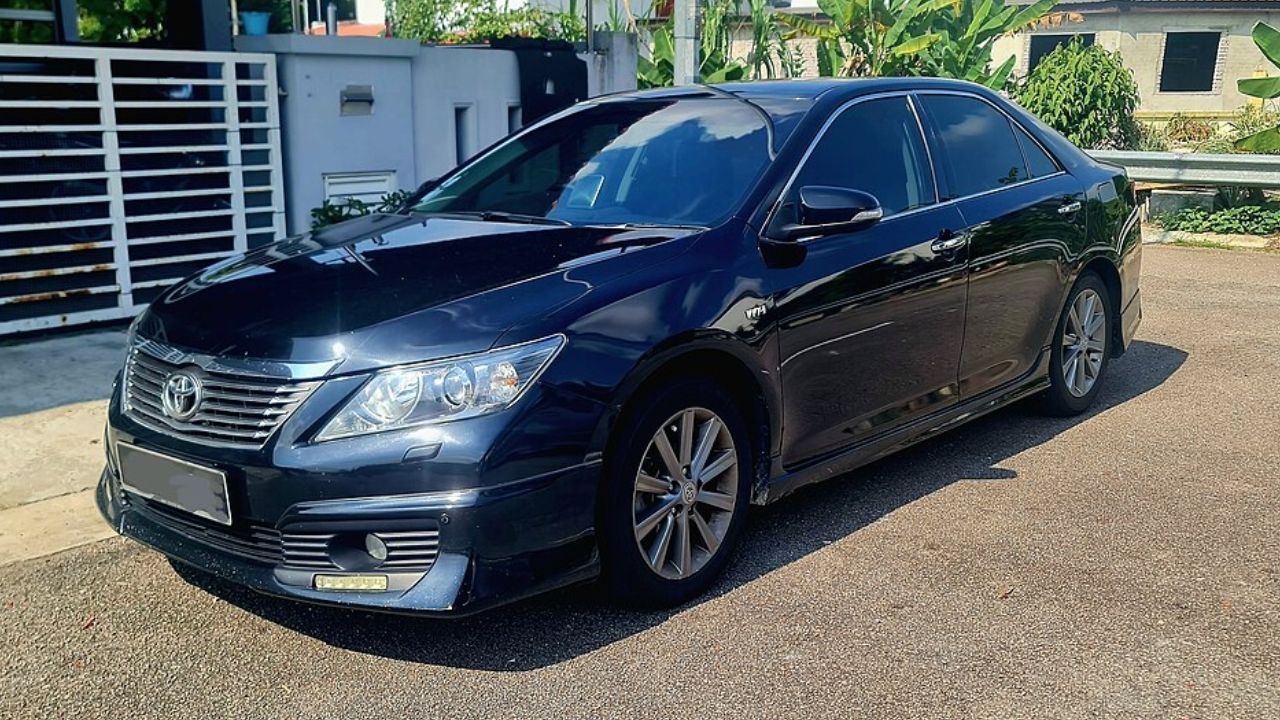
Among passenger cars, mechanics frequently single out older Toyota Camry and Corolla models, Honda Civic and Accord sedans, and similar compact and midsize platforms that prioritize durability over novelty. These vehicles appear again and again on lists of exceptional high-mileage performers, reflecting what technicians see in their bays: engines that tolerate imperfect maintenance, transmissions that handle years of commuting, and parts that are inexpensive and easy to replace when they finally wear out.
On the utility side, Toyota’s 4Runner and certain generations of the Tacoma and Tundra are known in the trade for racking up enormous mileage, especially when used for work or long-distance travel. Many of these trucks arrive at shops with faded paint and worn interiors but original drivetrains that still run clean and strong. Mechanics also point to older Honda CR-V and Pilot models, along with some Subaru Outback and Forester generations, as frequent high-mileage regulars.
Full-size American pickups and body-on-frame SUVs also feature prominently. Chevrolet Silverado and GMC Sierra trucks, along with Ford F-150 models from simpler powertrain eras, often cross 200,000 miles with original engines and transmissions when owners keep up with fluids and address rust. Technicians note that these platforms benefit from abundant aftermarket support and a deep supply of reasonably priced replacement parts, which makes it practical to keep them going even after major repairs.
What unites these vehicles is not perfection but predictability. Mechanics know their common failure points, from timing belt intervals to weak suspension bushings, and can quote repair costs from memory. That familiarity gives owners clearer decisions about whether to invest in a repair or move on.
Why these long-lived cars matter more right now
The resilience of these older models has taken on new significance as vehicle prices and technology have surged. Shoppers who visit dealerships often confront monthly payments that dwarf what they paid for previous cars, while used inventory can be both expensive and heavily worn. In that context, a decade-old sedan with 180,000 miles and a clean service history can look less like a risk and more like a bargain.
Meanwhile, the repair environment is changing fast. Modern vehicles rely on complex software, encrypted diagnostics, and proprietary tools that many small shops struggle to afford. Reporting on how high-tech cars are reshaping the repair business describes independent mechanics squeezed by the cost of specialized equipment and the learning curve for constantly updated systems. When a vehicle demands dealer-level tools for even basic work, owners may face higher bills and fewer choices.
By contrast, the high-mileage stalwarts that technicians praise tend to be friendlier to independent repair. Their diagnostics can be handled by widely available scan tools, and many jobs are still possible with hand tools and experience. That keeps labor rates more manageable and lets owners build long-term relationships with local shops, which further encourages preventive maintenance instead of deferred fixes.
There is also a sustainability angle. Keeping a reliable older car on the road avoids the environmental cost of building a new vehicle, especially one loaded with energy-intensive electronics. While older engines may not match the tailpipe cleanliness of the latest hybrids or electric models, the total footprint of manufacturing, shipping, and eventual disposal matters as well. Mechanics who see vehicles survive past 300,000 miles often describe that longevity as its own form of efficiency.
For households on tighter budgets, the stakes are practical. A dependable, high-mileage vehicle can be the difference between steady work and missed shifts, especially in areas with limited public transportation. When a mechanic says a car has “another 100,000 in it” with routine care, that is not just a compliment, it is a financial lifeline.
How owners and shops are adapting to keep cars alive longer
As more drivers aim to run vehicles deeper into their life cycle, maintenance strategies are evolving. Technicians increasingly recommend condition-based service intervals instead of rigid mileage charts, using fluid inspections, compression tests, and scan data to decide when components truly need attention. That approach can stretch budgets without compromising reliability, particularly on vehicles already past their original warranty window.
High-mileage oils, transmission fluids designed for older units, and targeted additives are part of this toolkit. Mechanics who work with aging fleets often suggest switching to products formulated for worn seals and higher clearances once engines start to consume oil between changes. When paired with shorter change intervals and quality filters, these products can delay the onset of leaks, consumption, and sludge that might otherwise end an engine’s useful life prematurely.
Shops are also coaching owners on realistic expectations. A 250,000-mile sedan that still runs well may need periodic suspension overhauls, brake system refreshes, and cooling system work. Rather than presenting each repair as a surprise, some mechanics map out likely needs over the next few years, then help owners prioritize based on safety and budget. That planning can make the difference between a car being scrapped after an unexpected expense and staying in service for several more years.
Training is another piece of the puzzle. While older cars are simpler than the latest models, technicians still need up-to-date knowledge about known issues, improved replacement parts, and revised service procedures. Many independent shops blend continuing education on new technology with deep familiarity with the platforms that most often hit high-mileage milestones. That mix lets them serve both customers with older workhorses and those with newer, more complex vehicles.
More from Fast Lane Only
- Unboxing the WWII Jeep in a Crate
- 15 rare Chevys collectors are quietly buying
- 10 underrated V8s still worth hunting down
- Police notice this before you even roll window down
*Research for this article included AI assistance, with all final content reviewed by human editors