The latest Mercedes S-Class update sharpens the flagship’s mission with more luminous lighting technology and a meaningful bump in power. Rather than a radical redesign, the facelift refines the sedan’s core strengths, from its signature light signatures to its reworked engines and expanded digital interface. It is a methodical evolution that keeps the S-Class at the front of the luxury pack while hinting at the brand’s next chapter.
As I look across the changes, I see a car that leans into visual drama and technical sophistication without losing the understated character that long-time owners expect. Brighter exterior lighting, stronger outputs and a more immersive cabin screen layout all serve the same purpose: to keep the Mercedes S-Class relevant in a market that is rapidly electrifying and digitizing, yet still hungry for a traditional luxury flagship.
Starry lights and a brighter signature
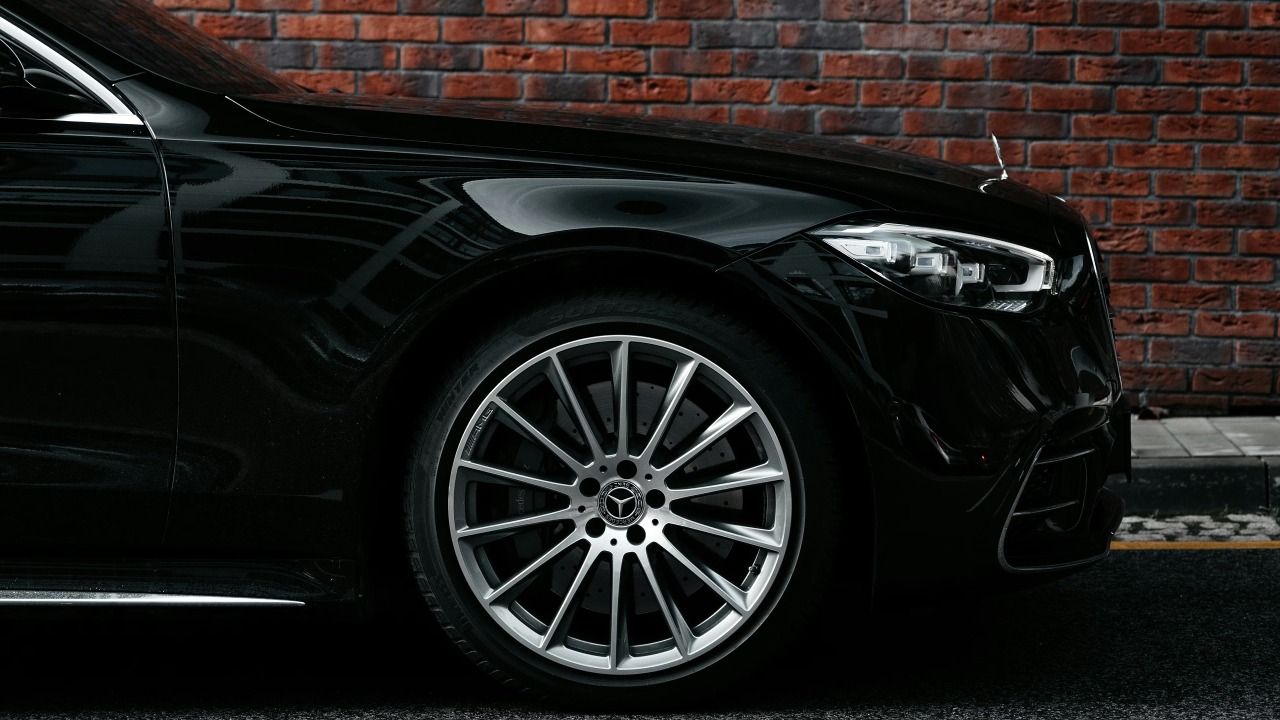
The most immediate change in the facelifted Mercedes S-Class is its lighting, which now turns the car into a moving light sculpture. The front and rear clusters adopt intricate star motifs that echo the three-pointed emblem, creating a “starry” effect that is both decorative and functional. Spy photography of the updated Class shows taillights with three-pointed star motifs and headlights that mirror the latest E-Class, confirming that this visual language is spreading across the range and now anchors the S-Class identity as well.
Mercedes has been steadily evolving its Digital Light technology, and the facelift builds on that groundwork. Earlier iterations already allowed the car to greet occupants with a choreographed light show and to project highly precise beams that adapt to traffic and road conditions. In the new S-Class, that philosophy is pushed further, with the brighter, more detailed lamp graphics reinforcing the sense that the car is aware of its surroundings even before the journey begins. The result is a flagship that uses light not only to illuminate the road but to transform the ambiance of the vehicle’s exterior in the same way advanced LED elements have long done for its interior.
More power under the hood
Beyond the visual tweaks, the facelift delivers a clear performance message. Mercedes has increased both power and torque in its six-cylinder S-Class engines, continuing a long tradition of incremental but meaningful improvements in the Class. In the latest iteration, Output lands at 530 hp and 553 lb-ft, figures that move the sedan decisively up the performance ladder while preserving the smooth, effortless character that defines the model.
To reach those numbers, Mercedes has not relied on brute force alone. The company cites a revised firing order, upgraded injection hardware and reworked airflow as key contributors to the stronger Output, with some of the lessons collected from other Mercedes vehicles now filtering into the flagship. This approach mirrors earlier generations of the Mercedes-Benz S-Class, where engineers extracted more power and torque from tried-and-tested six-cylinder engines through careful refinement rather than wholesale reinvention. The facelifted car therefore feels less like a new chapter and more like a carefully edited second edition, one that gives drivers a deeper reserve of performance without compromising refinement.
Hyperscreen and a tech-forward cabin
Inside, the most dramatic change is the adoption of the EQS-inspired Hyperscreen display in the 2026 S-Class facelift. Instead of a traditional cluster and separate central screen, the Hyperscreen stretches across much of the dashboard, integrating multiple displays under a single glass surface. This layout, first seen in the electric EQS, now migrates into the combustion-powered Class, signaling how Mercedes is unifying its digital experience across powertrains.
I see this as a strategic move to keep the S-Class at the center of the brand’s technology story. The Hyperscreen does more than impress passengers with sheer size; it reorganizes how information is presented, placing navigation, media and vehicle controls within a sweeping, visually coherent interface. Feature Highlights of the 2026 Mercedes-Benz S-Class Sedan already emphasize Design Updates that favor a cleaner, more understated aesthetic, and the integrated screen architecture fits that brief. By reducing visual clutter and consolidating functions, the cabin feels both more modern and more serene, a balance that is essential in a car that still serves as a rolling office and lounge for many of its owners.
Design evolution, not revolution
On the outside, the facelifted S-Class walks a careful line between familiarity and novelty. The new star-shaped lighting elements and revised lamp graphics give the car a fresher face, while the basic proportions and surfacing remain deliberately restrained. Official descriptions of the latest S-Class Sedan highlight a striking new look that still leans into a cleaner, more understated aesthetic, and that is exactly how the update reads in profile: subtle tweaks rather than sweeping changes.
This evolutionary approach is consistent with how Mercedes has treated the S-Class for decades. Even concept visions of a next-generation Mercedes flagship, which show classic Mercedes lines reinterpreted with modern confidence and a bold full height radiator grille, tend to respect the silhouette that buyers associate with the nameplate. The facelifted car therefore feels like a bridge between the current design language and those more expressive future studies. By integrating elements such as the starry lighting and a more assertive grille treatment, the S-Class signals where the brand is heading without alienating customers who value continuity.
Lighting, ambiance and the luxury benchmark
What ties the brighter exterior lights, the Hyperscreen and the powertrain tweaks together is a renewed focus on ambiance. Mercedes has long used lighting to shape the mood inside its cars, from subtle ambient strips to illuminated trim, and even aftermarket parts like step courtesy lights with LED technology promise to transform the ambiance of a vehicle’s interior. The facelift extends that philosophy to the exterior, where the starry motifs and more vivid signatures give the S-Class a presence that is instantly recognizable at night.
In my view, this matters because lighting has become a key differentiator in modern automotive design, much as ride quality or sound insulation once were. Enthusiast discussions about new lighting systems often praise improvements that make scenes look sharper and more vibrant, especially when older setups appear foggy and washed out by comparison. By investing in more expressive Digital Light hardware and pairing it with a thoroughly modern cabin interface, Mercedes positions the S-Class to remain the benchmark for how a luxury sedan should feel, not just how it should drive. The added power and refined six-cylinder engines complete the picture, ensuring that the car’s dynamic performance keeps pace with its visual and technological sophistication.
More from Fast Lane Only