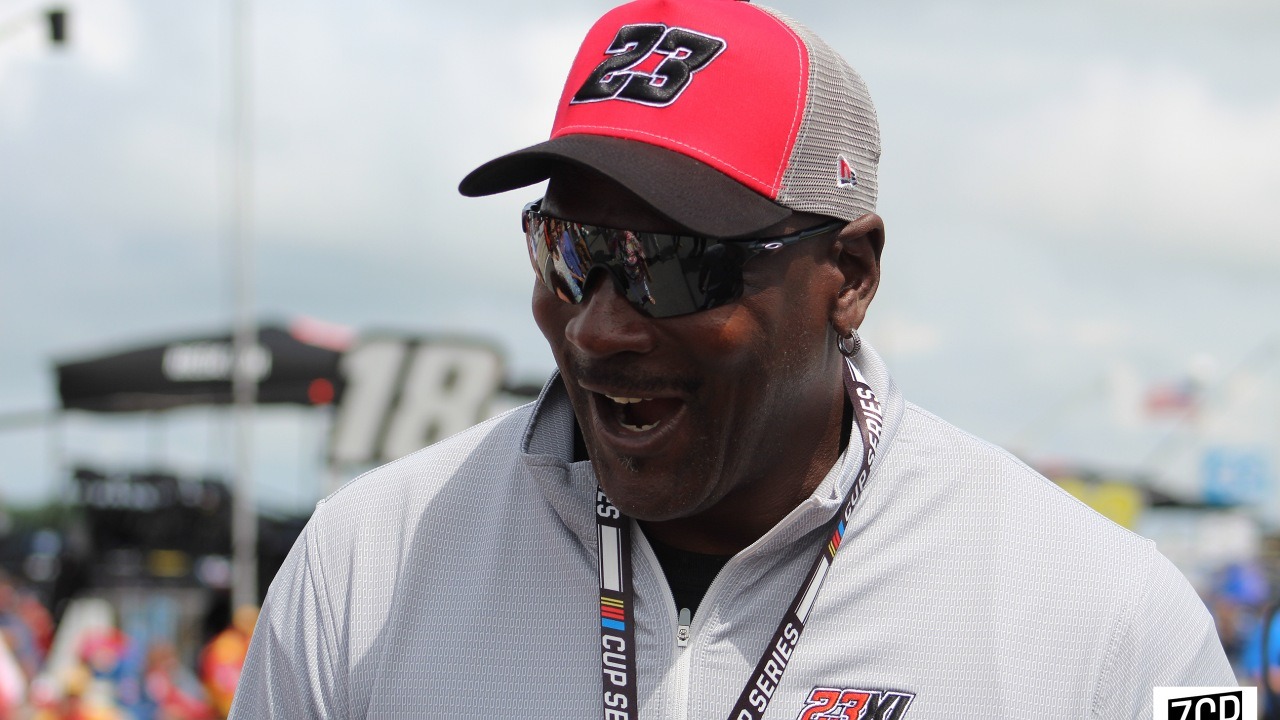
Michael Jordan just turned stock car racing’s biggest stage into a fresh chapter of his winning portfolio, and you are watching a different kind of superteam cash in. With Tyler Reddick taking the checkered flag in the 2026 Daytona 500, Jordan’s 23XI operation did not just score prestige, it tapped into a record purse that reshapes how you think about money in NASCAR. The win pairs the sport’s most famous new owner with its richest single-race payout, and that combination is already changing the business conversation around the garage.
Now you have a global icon, a breakthrough driver, and NASCAR’s crown jewel all colliding in one result, and the financial ripples extend well beyond a single afternoon. To understand what that means for you as a fan, sponsor, or industry watcher, you need to track how the payout structure, the team’s growing empire, and the broader media spotlight are converging around this victory.
The record Daytona 500 payout, explained
Start with the money, and the first thing you see is how the 2026 Daytona 500 set a new financial bar for the sport’s showcase event. Reporting around the race points to an estimated purse in the neighborhood of $31,045,000 for the 500, a figure that reflects how the event has grown into a commercial powerhouse for the NASCAR Cup Series. That total covers the entire field, but it immediately frames why Tyler Reddick’s win in Race 1 of 36 on the schedule carries far more weight than a typical season opener at Daytona.
For you, the key is how that record purse filters down to the winning side. While NASCAR has not publicly disclosed the exact winner’s share since Joey Logano’s previous payout was listed at slightly above $1.6 million, the near doubling of the overall pot signals that Reddick’s cut sits on an entirely different level. The way the purse is structured, from base winnings to bonuses and contingency money, turns a single 500-mile afternoon on the 2.5-mile superspeedway into a multi-million dollar accelerator for any team that can survive the chaos and reach victory lane first.
How Reddick’s win paid off for Jordan and 23XI
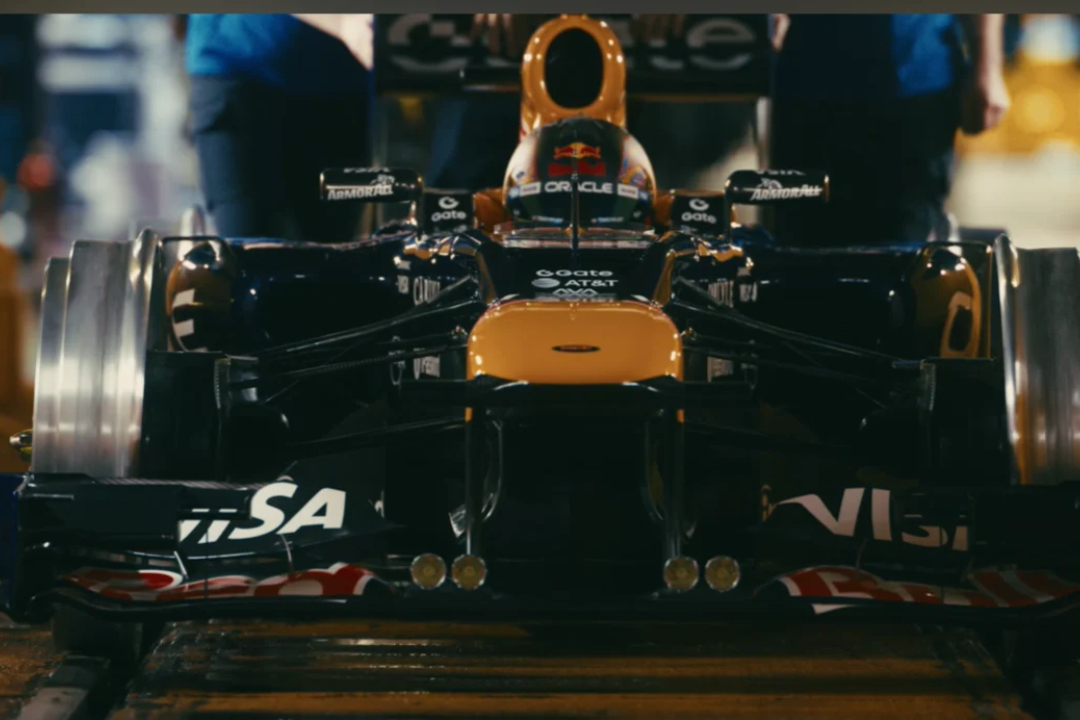
On the competitive side, Reddick’s performance delivered exactly what you would expect from a driver whose profile has been steadily rising. In the closing laps, Tyler Reddick seized control of the Daytona 500 in a car owned by Michael Jordan, capitalizing when Chase Elliott crashed as he and Reddick were battling for the win. That moment locked in the first Daytona triumph for Jordan’s 23XI Racing project, turning a vision that started as an upstart Cup effort into a program that now owns the sport’s most coveted trophy.
Financially, the win handed Jordan and his partners their share of the record purse and an immediate spike in asset value. Coverage of the payout structure notes that Tyler Reddick captured the 2026 Daytona 500 and with it a record Daytona payout for 23XI, with Reddick’s victory and earnings combining to give Racing and Michael Jordan their first Daytona 500 windfall at this scale. For you, that means 23XI now has both a flagship result and the cash to reinvest in everything from engineering staff to data systems, which in turn makes future wins more likely and more profitable.
Inside the purse: where the money actually goes
When you hear about a record purse, the natural question is how much of that money truly lands in the winner’s pocket. The answer is that the 500 payout is sliced into several layers that you need to understand if you want a clear picture. There is the base race-winning share, which historically sat in the low seven figures when Joey Logano last had his amount disclosed, plus manufacturer bonuses, points fund implications, and sponsor-linked incentives that can push the total value of a win much higher than any single check. That structure is why some coverage of the event focuses on what the prize money means for Tyler Reddick and why he could still see portions of his earnings offset by tax obligations or contractual splits.
As a team owner, Jordan benefits from that complexity. In NASCAR, the organization typically receives the bulk of the official purse, then allocates a negotiated percentage to the driver while using the rest to fund operations. With the 2026 Daytona 500 purse described as a record-setting pot for the Daytona race, you can infer that 23XI’s operational war chest just grew significantly. That money helps cover everything from engine leases to pit crew salaries and also strengthens Jordan’s position when he sits down with sponsors to renegotiate deals in the wake of a crown jewel victory.
Jordan’s growing NASCAR empire and the business upside
To fully grasp how big this payday is, you need to place it within the broader rise of Michael Jordan as a NASCAR owner. The same competitive drive that defined Michael Jordan in the NBA now shows up in his approach to 23XI, where he and Denny Hamlin have built a team that already fields multiple contenders in the Cup Series. Earlier this year, reporting highlighted how Jordan’s team held the top two spots in the Cup Series points standings with Reddick and Bubba Wallace, a sign that the operation is not just a marketing play but a competitive force that can command premium sponsorship pricing.
That is where the Daytona win becomes a multiplier for you if you are following the business side. Analysis of Jordan and Hamlin’s 23XI project notes that crown jewel race wins drive up sponsorship pricing power and heighten exposure in the media, and with the Daytona 500 win, 23XI acquires the kind of leverage that is as important as horsepower. Combine that with the team placing three drivers in the top ten at Daytona, including Herbst and Bubba Wallace, and you see a portfolio that offers brands multiple storylines and camera time in a single event. The record purse is the immediate payoff, but the longer tail is a surge in brand value that keeps paying every time a new deal is signed.
Reddick’s star turn and what it means for you as a fan
Tyler Reddick’s own trajectory is just as important if you care about who carries NASCAR into its next chapter. The driver, already recognized as an emerging Cup Series talent, now owns a 500 win that cements him as one of the faces of the sport. When you look up Tyler Reddick in league statistics, you see a pattern of speed and adaptability that made this breakthrough feel like a matter of when, not if. NASCAR’s own coverage of the race describes how Bubba Wallace, Reddick’s teammate, led a race-high 40 laps, setting the stage for Reddick to close the deal and give Jordan his first 500 win.
For you, that pairing of Reddick and Jordan changes how you experience NASCAR’s biggest events. The race itself, cataloged among the 2026 Daytona 500 details as a wild affair with dozens of lead changes, now feeds into a broader media ecosystem that includes a streaming documentary titled Full Speed: The Daytona 500, where Tyler Reddick described his win as “true Daytona madness.” That kind of storytelling, combined with social clips like the Arizona Daily Star noting that Tyler Reddick won the Daytona 500 in a car owned by Michael Jordan when Chase Elliott went around, gives you more entry points into the sport. Whether you arrive as an NBA fan curious about Jordan’s latest project or as a long-time NASCAR follower tracking Cup Series points, the record payout and the personalities involved make this 500 feel like a turning point.
More from Fast Lane Only