The golden era of muscle cars wasn’t just about quarter-mile times or hood scoops—it was about rivalry. Brands fought for street cred and showroom dominance with louder engines, sharper styling, and bigger numbers on the spec sheet. But the real story came from the head-to-head matchups that shaped how people picked sides and what they remembered. These weren’t just cars—they were statements, and the battles between them helped define an entire generation of performance. Here are ten matchups that still spark debate decades later.
1. Mustang GT vs. Camaro SS (1967–69)
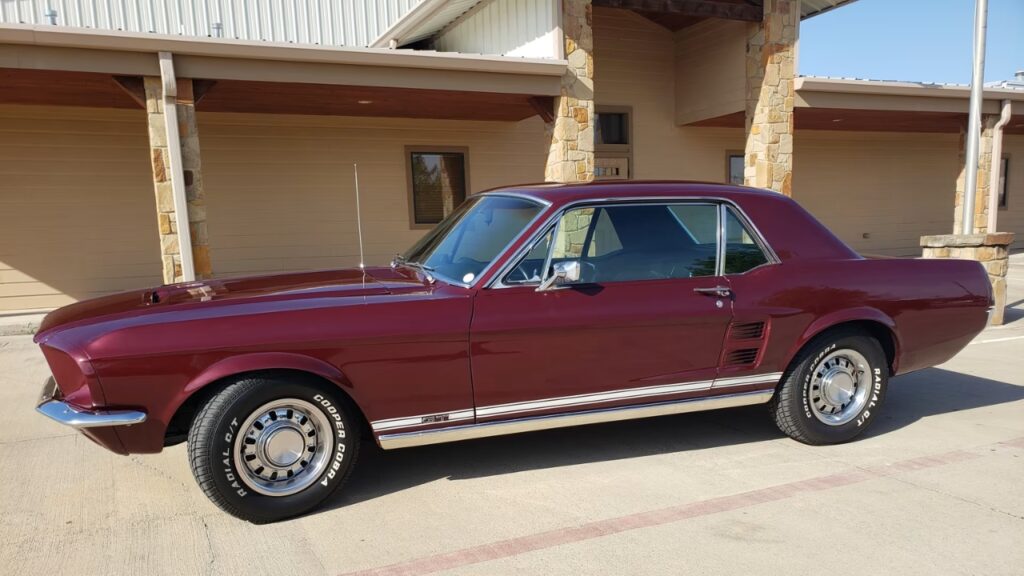
When the Camaro SS showed up in 1967, it was a direct shot at the Mustang GT’s turf. Ford had a head start, but Chevy came prepared with a 350 or 396 V8 and tighter handling. The Mustang countered with the 390 and optional 428 Cobra Jet, bringing more torque to the fight. Both had basic interiors by today’s standards, but these were street brawlers, not lounge chairs. The real battle happened at traffic lights and drag strips across America.
2. Plymouth Road Runner vs. Dodge Super Bee (1968–70)
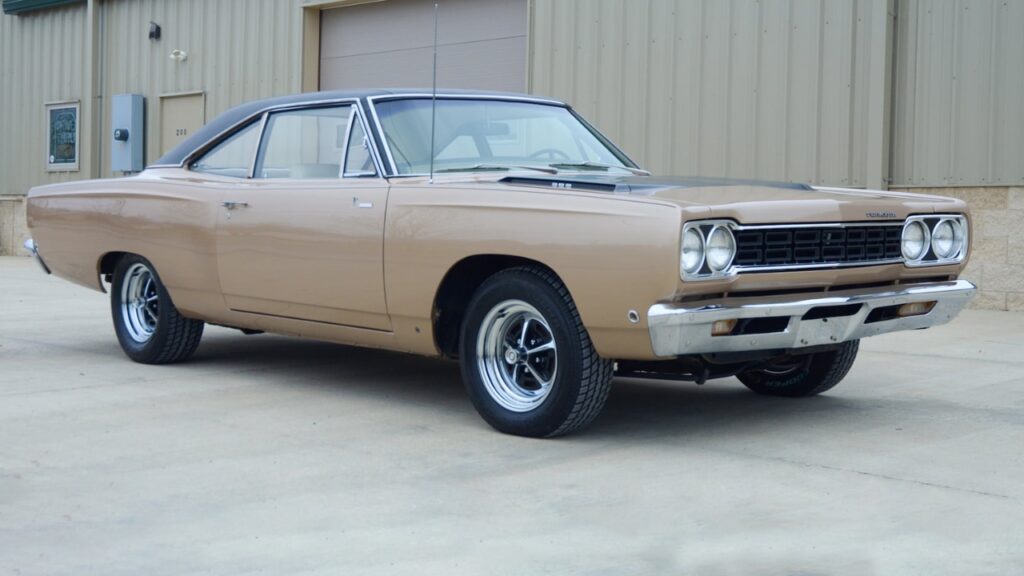
Both under the Chrysler umbrella, the Road Runner and Super Bee took similar formulas—big engines, stripped interiors, and affordable price tags. The Road Runner used the 383 V8 as its base and offered the 426 HEMI for serious buyers. The Super Bee mirrored that, but often leaned on the 440 Six-Pack for high-end performance. While nearly identical under the skin, brand loyalty turned this into a real backlot rivalry between Mopar guys.
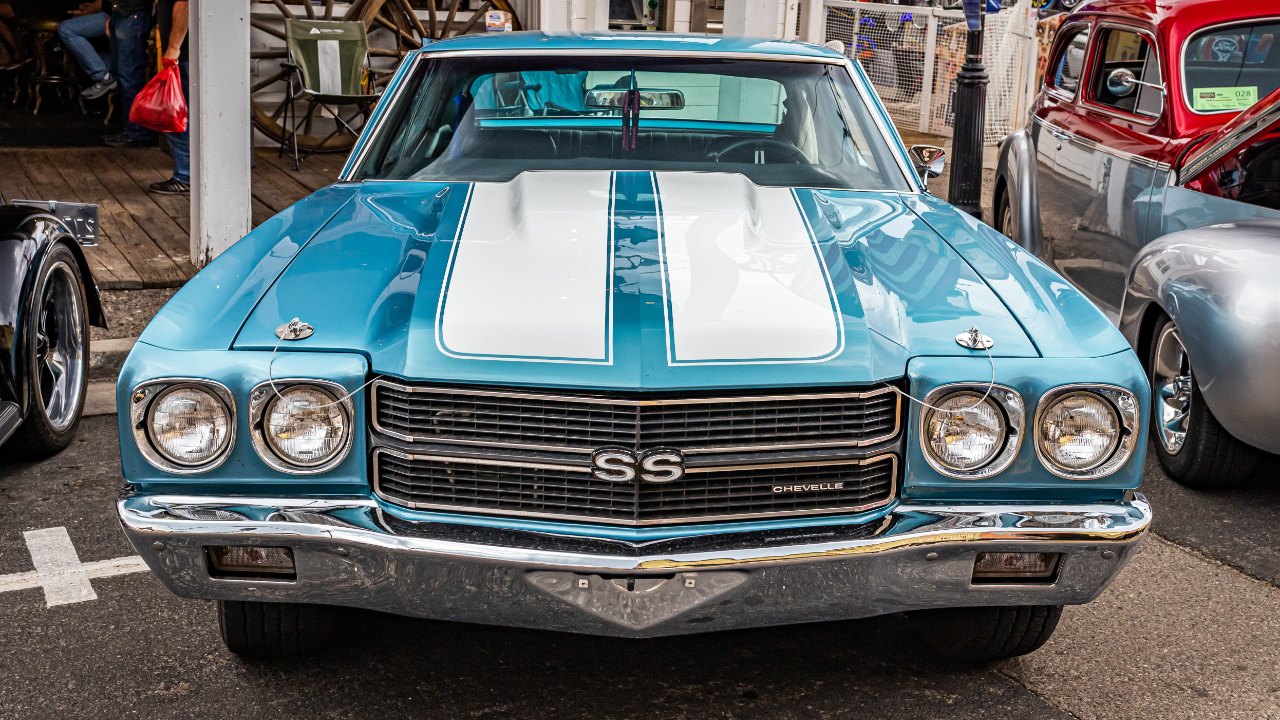
3. Chevelle SS 454 vs. GTO 455 HO (1970)
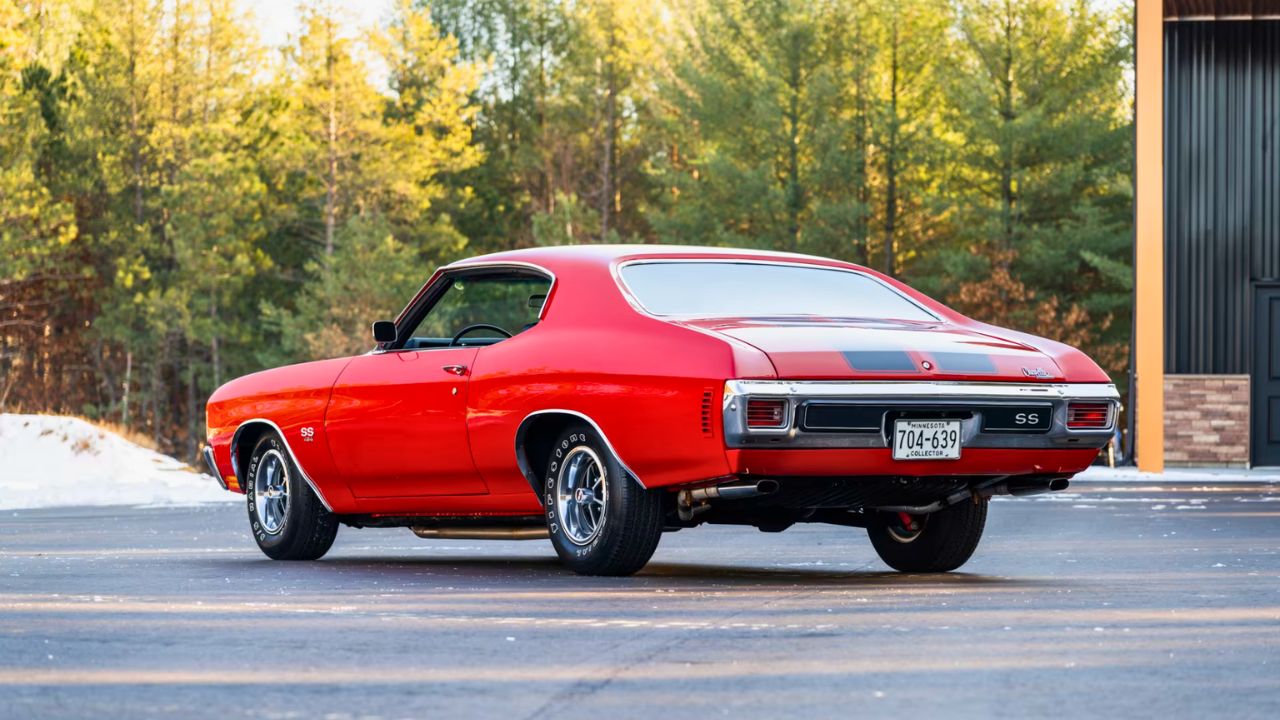
In 1970, Chevrolet dropped the LS6 454 into the Chevelle SS, officially rated at 450 hp and 500 lb-ft of torque—though real output was likely higher. It could run the quarter-mile in the low 13s with the right setup, making it one of the fastest factory muscle cars of the era.
Pontiac’s answer was the new 455 HO in the GTO. While rated at 360 hp, it offered strong low-end torque and better drivability on the street. The GTO leaned slightly more upscale inside, but on the strip, these two were dead serious rivals.
4. Boss 429 vs. Charger Daytona (1969)

Ford’s Boss 429 was built for NASCAR homologation, packing a semi-hemi 429 V8 with 375 hp and a race-bred bottom end. Dodge countered with the Charger Daytona, designed in a wind tunnel with a pointed nose cone and massive rear wing. Under the hood, the Daytona could be optioned with a 440 or the legendary 426 HEMI. These weren’t just muscle cars—they were race cars wearing license plates.
5. Buick GSX vs. Olds 442 W-30 (1970)
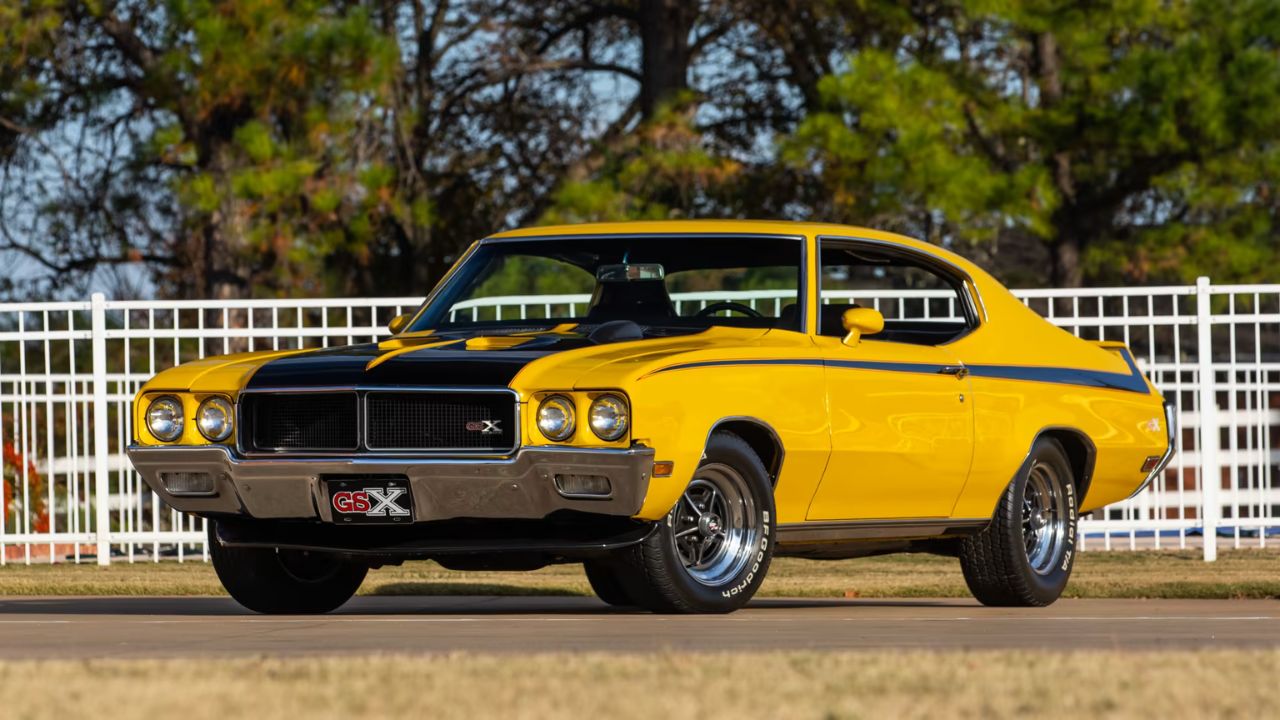
Buick’s GSX might’ve looked clean, but it hid a 455-cubic-inch V8 making 510 lb-ft of torque—more than anything else in 1970. Oldsmobile’s 442 W-30 used its own 455, tuned for a strong midrange and backed by upgraded internals. Both came with heavy-duty suspension and functional scoops. Interiors were upscale for muscle cars, but these weren’t just cruisers. They were low-key fast, and they didn’t need to shout about it.
6. AMC AMX vs. Pontiac Firebird Formula (1968–70)
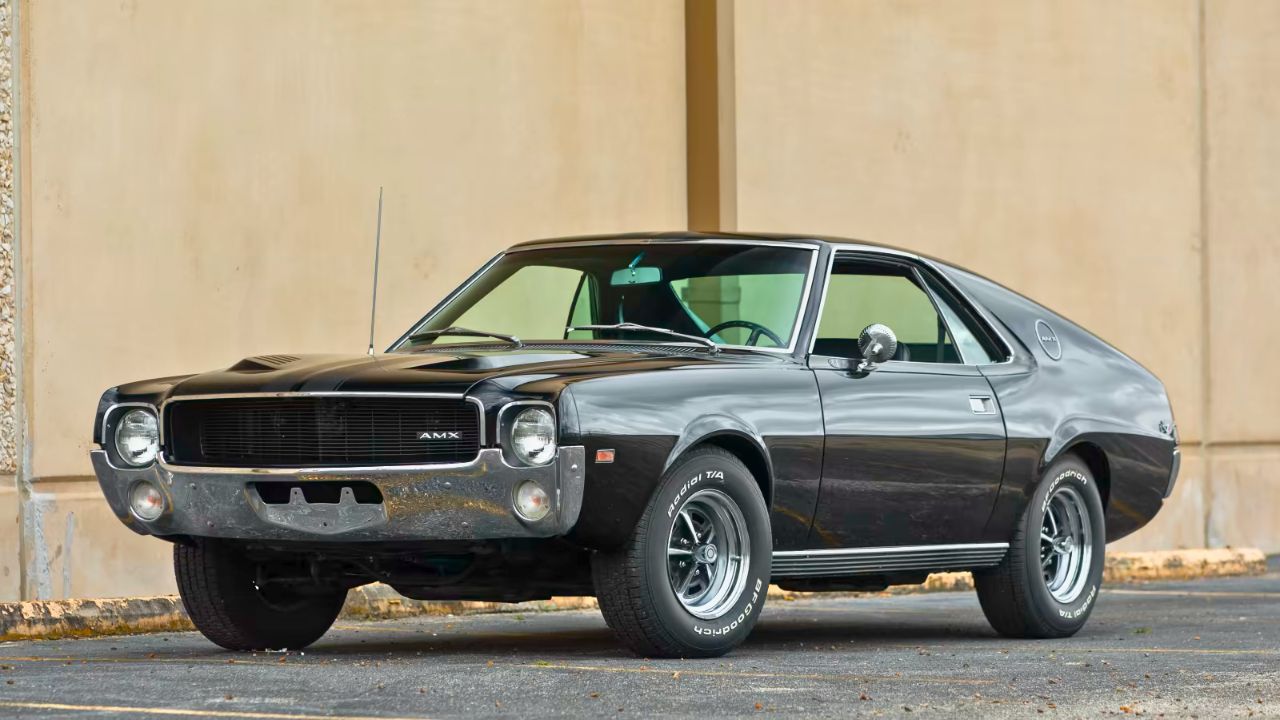
AMC’s AMX was a two-seat outlier with a 390 V8 and a short wheelbase that made it agile but twitchy. Pontiac’s Firebird Formula didn’t have Trans Am flash but came with serious power—especially when optioned with the 400 HO or Ram Air III. The AMX handled tighter tracks better, while the Pontiac had more top-end grunt. Both were underrated, and both appealed to people who didn’t follow the usual muscle car script.
7. Dodge Demon 340 vs. Chevy Nova SS 350 (1971–72)

These weren’t the biggest or loudest muscle cars, but they were quick and cheap. The Demon 340 made around 275 hp with a light curb weight and sharp gearing. The Nova SS had a 350 V8, usually rated around 270 hp, but tuners knew it had more in it. Neither had fancy interiors—just basic gauges, buckets, and maybe an AM radio. In the hands of a good driver, either one could make a Chevelle or Road Runner nervous.
8. Mercury Cougar Eliminator vs. Dodge Challenger T/A (1970)
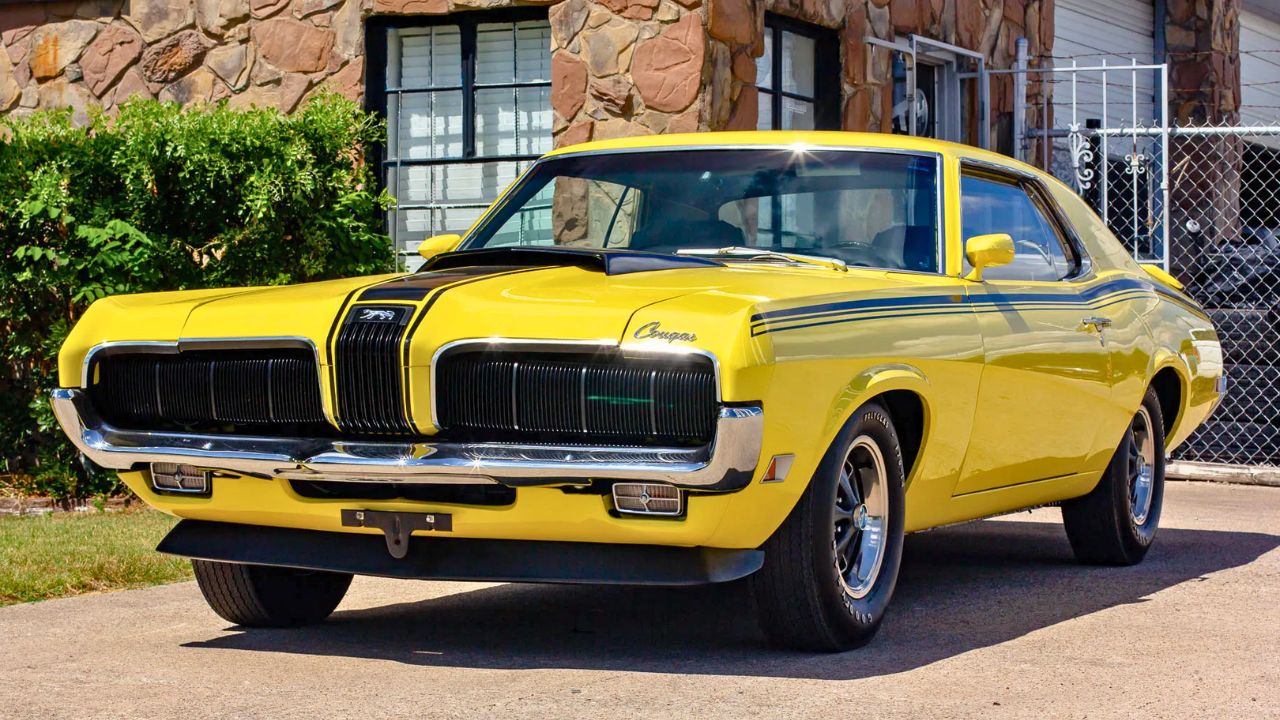
The Cougar Eliminator was Mercury’s answer to the muscle market—available with a 428 Cobra Jet and a reasonably refined interior. The Challenger T/A was Dodge’s Trans Am homologation special, with a 340 Six-Pack and side-exit exhausts. The Cougar was quicker in a straight line; the Challenger was more balanced on a road course. Both were one-year flashes in the pan, and both proved there was more to muscle cars than just Mustangs and Camaros.
9. Plymouth GTX vs. Ford Torino Cobra (1969–71)
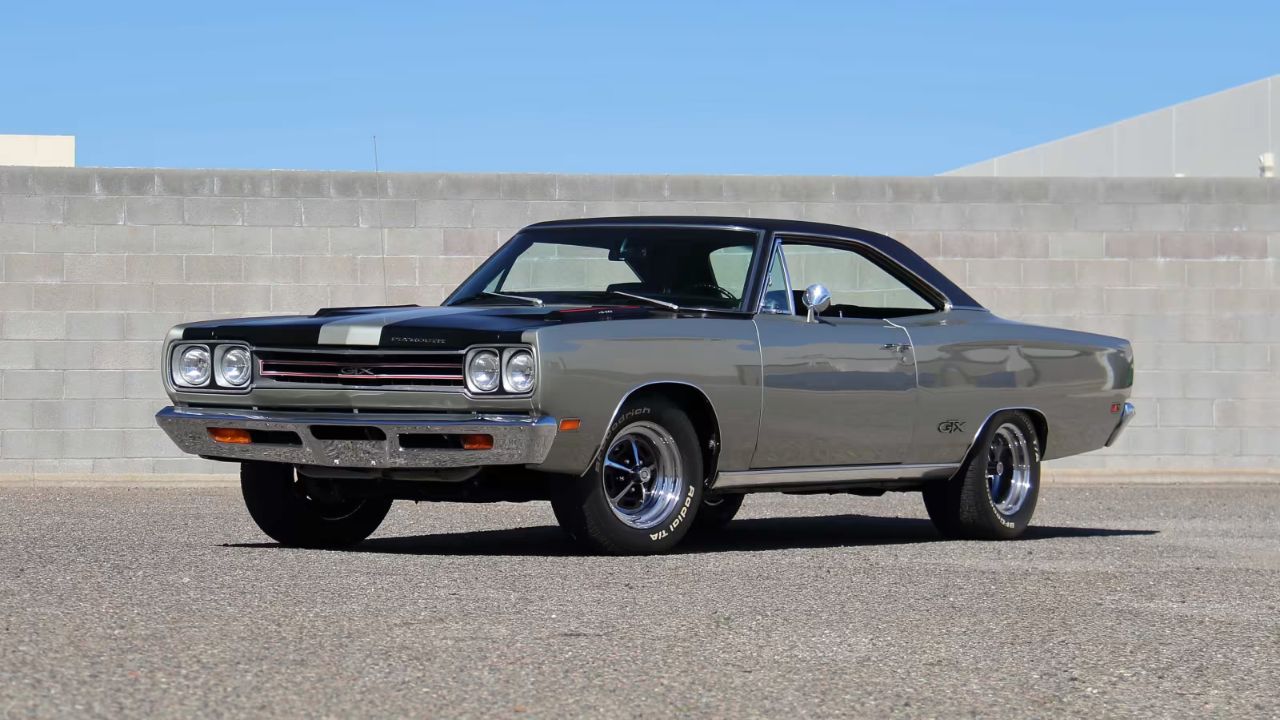
The GTX came loaded with either a 440 or a 426 HEMI, depending on your appetite for speed. The Torino Cobra offered a 429 Cobra Jet that could be paired with Drag Pack goodies and a 4.30 rear. Interiors were basic but functional in both. On the strip, they were close, with driver skill making the real difference. These weren’t entry-level cars—they were full-size muscle machines that didn’t mind getting rowdy.
10. Shelby GT350 vs. Yenko Camaro 427 (1967–69)
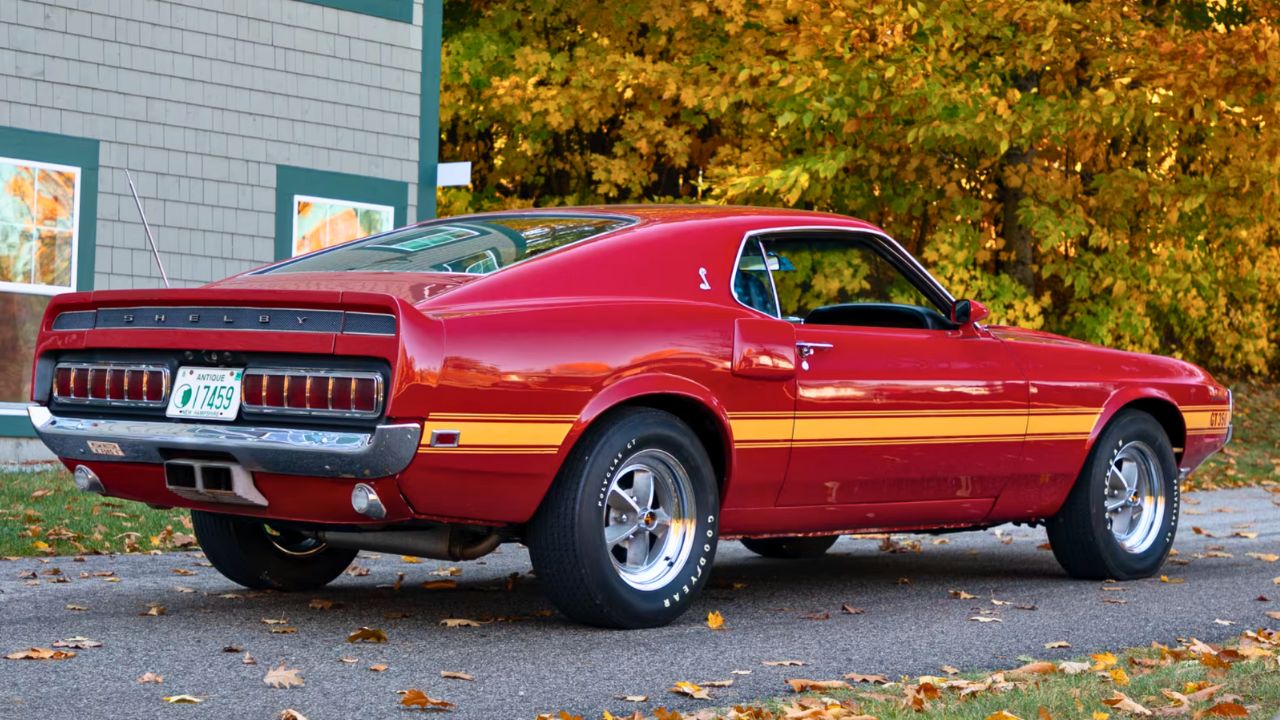
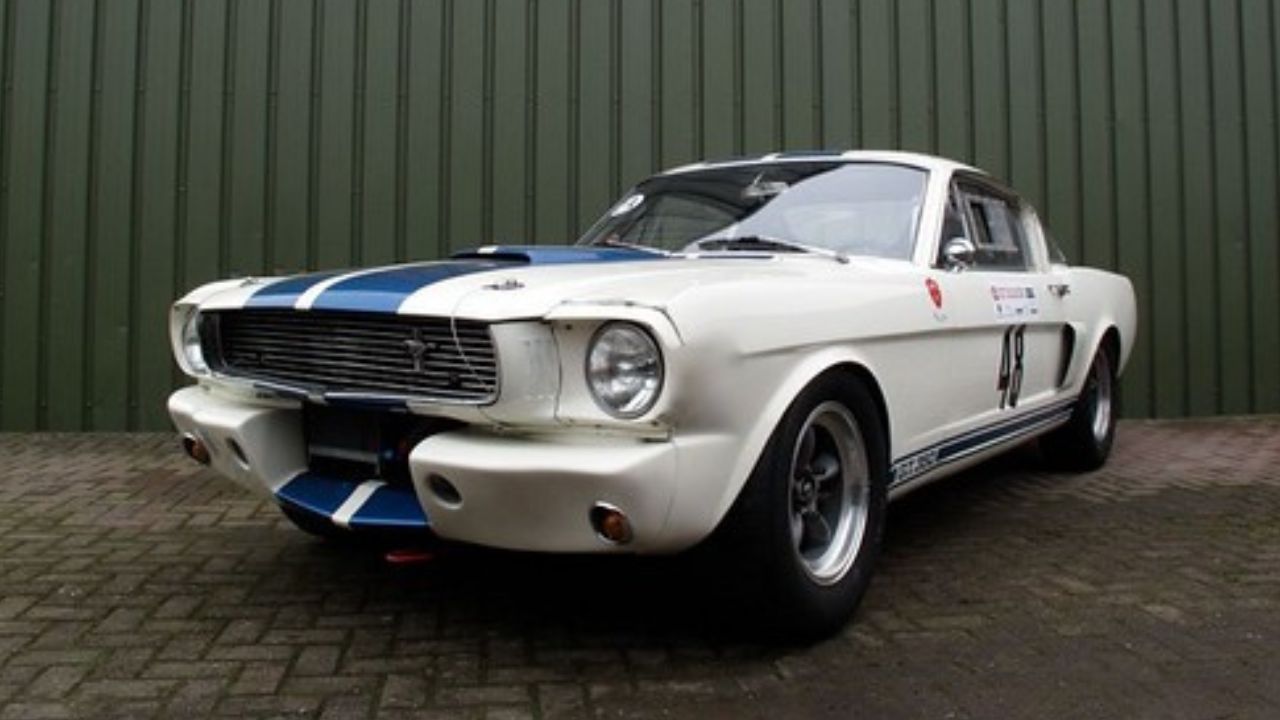
The GT350 was the factory-tuned Mustang, packing a 306 hp 289 (later 302) and suspension mods that made it feel sharp and twitchy. Yenko’s 427 Camaro was another beast entirely—dealer-installed big-block power pushing over 425 hp in a chassis never really meant to handle it. The Shelby was precise, the Yenko was raw. They represented two very different takes on going fast, and the people who loved one usually hated the other.