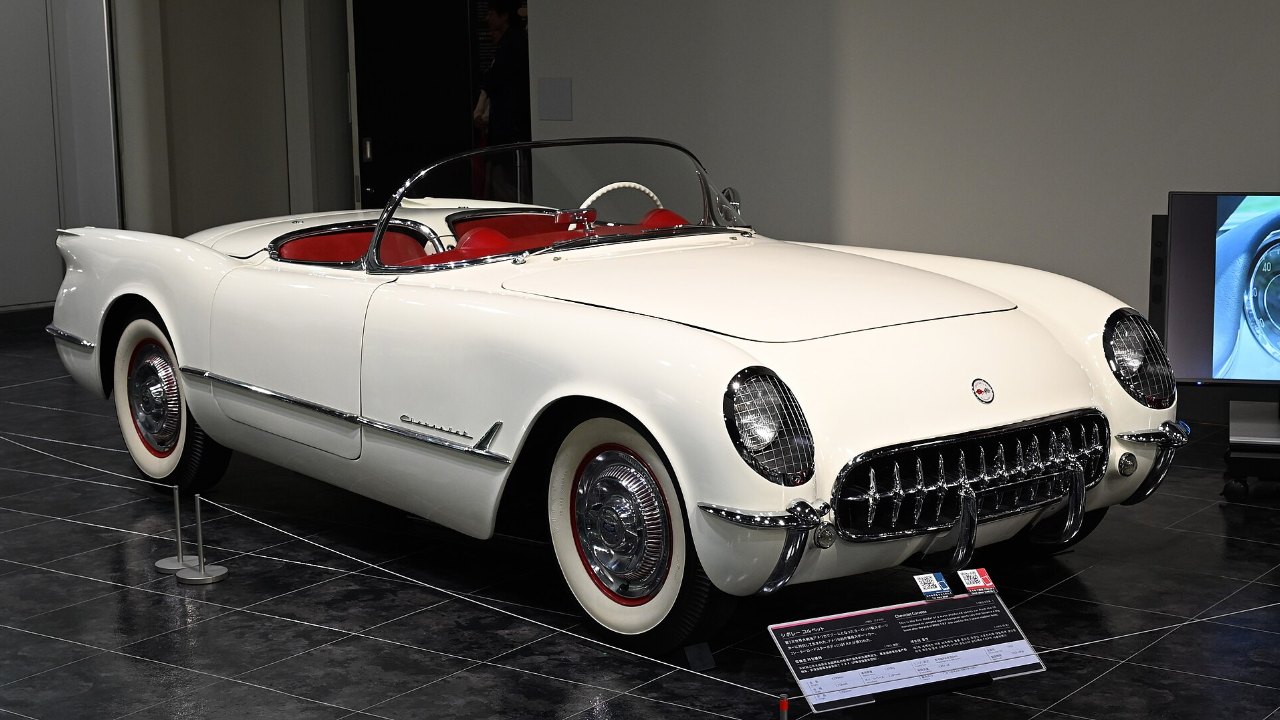
Electric vehicles promise cleaner air and lower emissions, but the batteries that power them pose a mounting waste and resource challenge. A new generation of recycling technology is now closing that loop, recovering nearly all of the lithium and other critical materials from used packs and turning what was once hazardous scrap into a strategic resource.
By pushing recovery rates toward total material capture, these systems are reshaping the economics and environmental footprint of electric mobility. Instead of treating end-of-life batteries as a problem to manage, automakers and recyclers are beginning to see them as a cornerstone of a circular supply chain that can support mass EV adoption at scale.
Why near‑total lithium recovery is a turning point
The ability to reclaim almost all of the lithium from spent EV batteries changes the basic math of electrification. Lithium is one of the most expensive and geopolitically sensitive ingredients in modern cells, and every percentage point of recovery reduces pressure on new mining, cuts exposure to volatile commodity prices, and lowers the embedded emissions of future packs. When recyclers can pull nearly all of that lithium back into circulation, the battery life cycle starts to look less like a straight line from mine to landfill and more like a loop that can be run again and again.
This shift is especially important as EV sales climb and the first big wave of high‑capacity packs from models like the Tesla Model 3 and Nissan Leaf reaches retirement age. Analysts already describe advanced battery recycling as a critical step in supporting a sustainable transition to electric mobility, with the explicit goal of making recycling an integral part of every vehicle’s life cycle rather than an afterthought at the scrapyard, a point underscored in reporting on innovations in EV battery recycling technologies.
How next‑generation recycling tech actually works
Near‑total lithium recovery is not the product of a single breakthrough, but of several maturing technologies that handle batteries more precisely than the blunt shredding and smelting approaches of the past. Modern facilities increasingly combine mechanical disassembly, targeted chemical leaching, and carefully controlled thermal treatments to separate cathode materials, anode powders, current collectors, and electrolytes without destroying their value. By tuning each step to the chemistry of the incoming pack, recyclers can extract lithium, nickel, cobalt, manganese, and copper in purer streams that are ready for refining.
Some of the most promising systems focus on recovering the so‑called “black mass,” the dense mixture of active materials that holds most of a battery’s critical metals. Instead of burning or melting this material, advanced hydrometallurgical lines dissolve it in tailored solutions, then selectively precipitate each element with high yields. Reporting on EV battery recycling innovations notes that these processes are being refined specifically to maximize recovery of lithium and other high‑value metals, while also reducing energy use and emissions compared with older pyrometallurgical routes.
The scale of the looming EV battery waste problem
As electric vehicles move from early adopters to the mainstream, the volume of batteries reaching end of life is set to surge. Packs typically last eight to fifteen years in a car, which means the rapid sales growth of the late 2010s and early 2020s will translate into a steep rise in retired batteries over the next decade. Without robust recycling, that wave would translate into millions of tons of complex, chemically active waste that is expensive to store safely and risky to landfill.
Industry analyses already warn that unmanaged battery waste could undermine the environmental credibility of electric mobility, especially if packs are exported to jurisdictions with weaker safety and environmental standards. The same reporting that highlights new recycling technologies also frames them as a necessary response to this looming waste stream, arguing that integrating recycling into the life cycle of every EV is the only way to keep the transition to electric transport genuinely sustainable.
From waste to resource: closing the EV materials loop
Recovering nearly all of the lithium from used batteries does more than prevent pollution, it turns end‑of‑life packs into a domestic resource base for future cells. When recyclers can consistently reclaim high percentages of lithium, nickel, and cobalt, those materials can be fed back into cathode production, reducing the need for fresh mining and long, carbon‑intensive supply chains. In effect, every retired battery becomes a mobile ore body that can be tapped again, with far lower environmental and social costs than digging new rock out of the ground.
This circular approach is already influencing how automakers and cell manufacturers think about long‑term supply security. Reporting on battery recycling innovations stresses that high‑efficiency recovery is central to building a closed‑loop system in which materials from old packs are systematically reintegrated into new ones. As recovery rates climb toward total capture, that loop tightens, making it more realistic for regions with strong recycling infrastructure to meet a significant share of their battery material demand from existing stock rather than new extraction.
Economic stakes: cutting costs and stabilizing supply
Near‑complete lithium recovery also carries major economic implications for the EV industry. Raw materials account for a large share of battery pack costs, and lithium prices in particular have swung sharply as demand has grown. By reclaiming almost all of the lithium from retired packs, recyclers can provide a secondary supply that buffers automakers and cell producers against price spikes, while also lowering the average cost of materials over the long term. That, in turn, can help bring down the sticker price of EVs and make them more competitive with combustion models.
Advanced recycling technologies are being developed with this economic logic in mind. The reporting on innovative recycling processes notes that the goal is not only to improve environmental performance, but also to make recycling itself commercially viable by maximizing the recovery of high‑value metals. When nearly all of the lithium and other critical elements can be sold back into the battery supply chain, recycling plants become profit centers rather than compliance costs, which encourages more investment and accelerates deployment.
Environmental gains beyond the battery pack
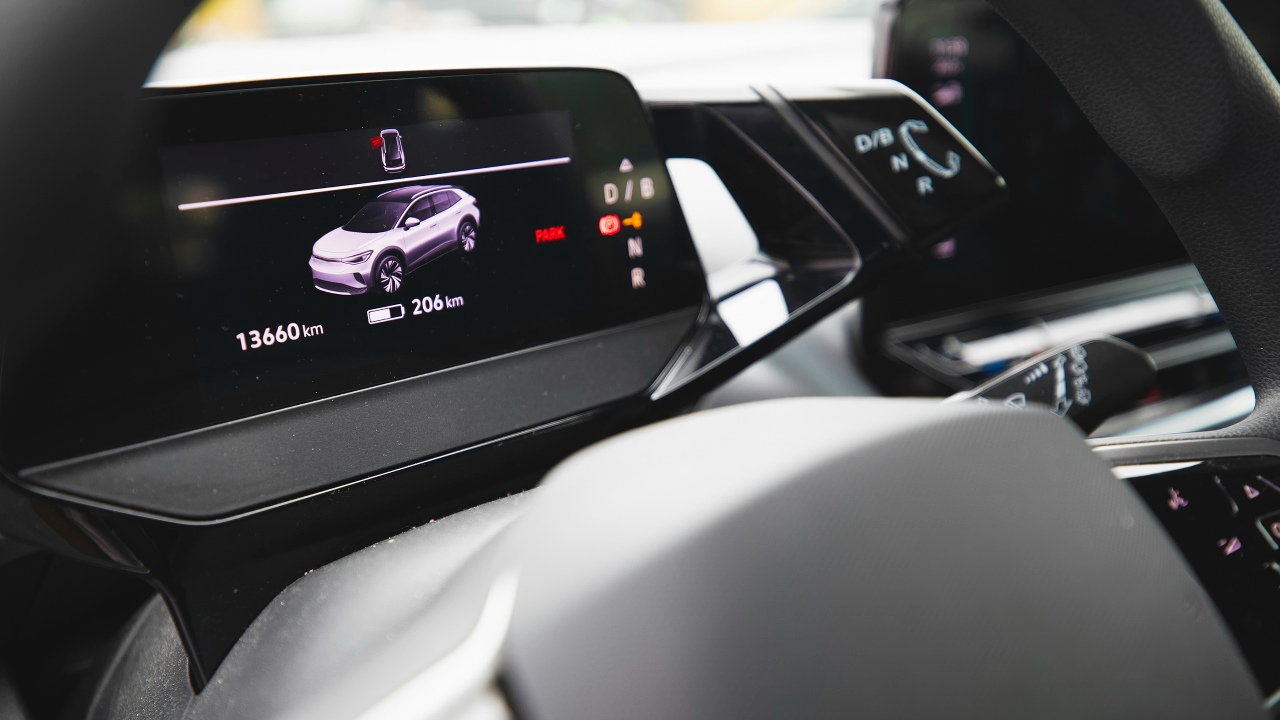
The environmental benefits of high‑efficiency recycling extend far beyond the footprint of individual vehicles. Mining and refining lithium, nickel, and cobalt are energy‑intensive activities that can damage ecosystems, strain water resources, and generate significant greenhouse gas emissions. Every kilogram of lithium recovered from a used battery is a kilogram that does not have to be mined, processed, and shipped, which reduces the overall climate and ecological impact of the EV transition.
Modern recycling technologies are also being designed to minimize their own environmental burdens. The same analysis that highlights new recycling methods emphasizes efforts to cut energy use, reduce chemical consumption, and capture emissions within recycling plants. When combined with near‑total material recovery, these improvements mean that each generation of batteries can be produced with a smaller environmental footprint than the last, reinforcing the climate benefits that motivated the shift to electric mobility in the first place.
Designing EV batteries with recycling in mind
To fully unlock the potential of near‑total lithium recovery, battery packs themselves need to be designed for easier disassembly and material separation. Many current EV batteries were engineered primarily for performance, safety, and cost, with little attention to how they would be taken apart at the end of their lives. Complex pack architectures, glued cells, and mixed material housings all make recycling harder and more expensive, even when the underlying chemical processes are highly efficient.
Industry experts now argue that “design for recycling” must become a core principle of battery engineering, on par with energy density or fast‑charging capability. Reporting on EV recycling advances points to modular pack designs, standardized cell formats, and clearer labeling of chemistries as practical steps that can make it easier for recyclers to recover nearly all of the lithium and other materials. As more automakers adopt these practices, the technical gains in recycling plants will be matched by upstream design choices that reduce costs and improve yields.
Policy pressure and global competition
Government policy is emerging as a powerful driver for high‑efficiency battery recycling, including near‑total lithium recovery. Regulators in major EV markets are increasingly setting minimum recovery targets for critical materials and requiring producers to take responsibility for end‑of‑life packs. These rules push automakers and battery makers to partner with advanced recyclers and to invest in technologies that can meet or exceed mandated recovery rates, rather than relying on lower‑yield legacy methods.
At the same time, countries are competing to build domestic recycling industries as a way to secure strategic materials and create green manufacturing jobs. Analyses of recycling innovations frame them as part of a broader industrial race, in which regions that master high‑yield recovery can reduce import dependence and position themselves as hubs for battery production. In that context, the ability to recover nearly all of the lithium from used packs is not just an environmental milestone, but a competitive advantage in the global EV economy.
What near‑total recovery means for drivers and the EV future
For drivers, the rise of near‑complete lithium recovery will be mostly invisible, but it will shape the vehicles they buy and the infrastructure that supports them. As recycling becomes more efficient and widespread, the long‑term environmental case for choosing an electric car over a combustion model grows stronger, because the materials in its battery are far more likely to be reused than discarded. Over time, that closed‑loop dynamic can help stabilize prices, reduce the risk of supply shocks, and support a broader range of models, from compact city cars to large electric SUVs and pickups.
The broader signal is that the EV transition is maturing from a focus on tailpipe emissions to a full life‑cycle perspective that includes production, use, and end of life. Reporting on battery recycling makes clear that integrating high‑efficiency recovery into every stage of the value chain is now seen as essential, not optional. As technologies that can reclaim nearly all of the lithium from used packs move from pilot plants to industrial scale, the promise of truly sustainable electric mobility comes closer to reality, grounded not just in cleaner driving, but in smarter use of the materials that make it possible.