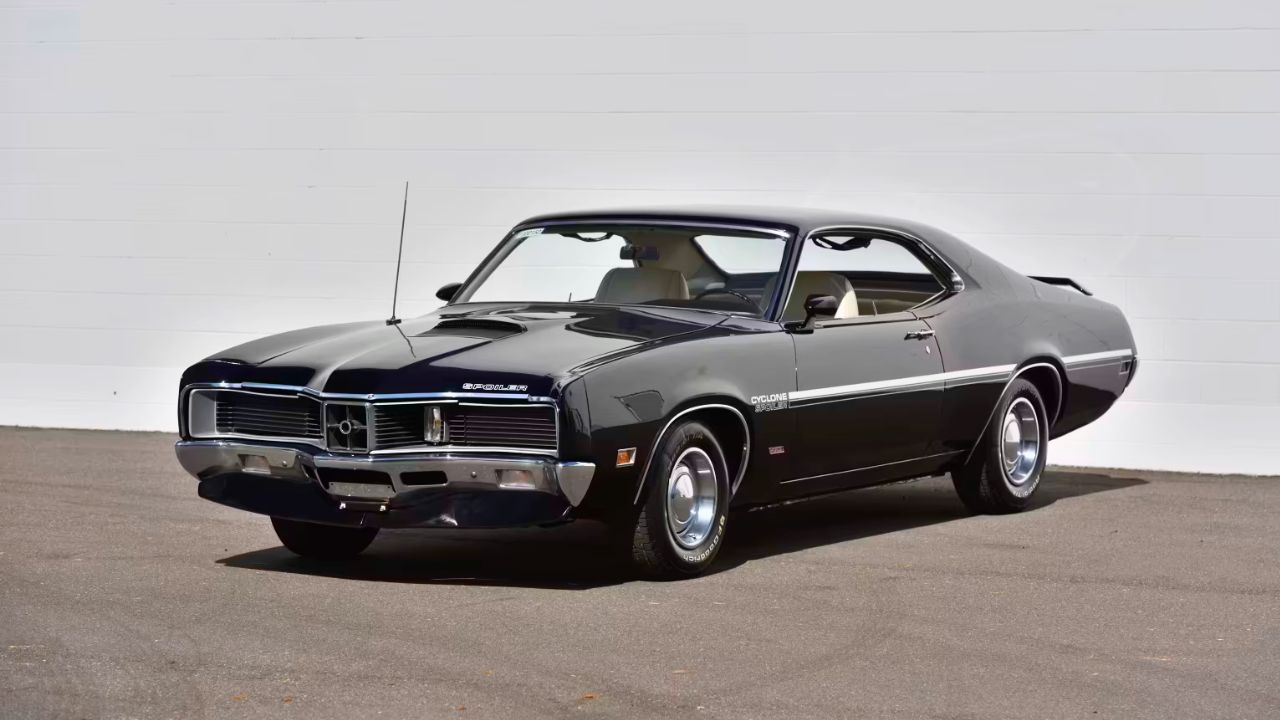
Some muscle cars left a lasting legacy—others barely got out of the gate. These are the machines that showed up with the right specs, made all the right sounds, and then vanished before they ever had a real shot. Whether it was bad timing, lackluster marketing, or getting overshadowed by bigger names, these cars had the hardware—but not the history.
This list isn’t about the legends. It’s about the one-year wonders and brief experiments that disappeared almost as fast as they arrived. You probably know the names—but maybe not these chapters.
1. 1970 AMC Rebel Machine
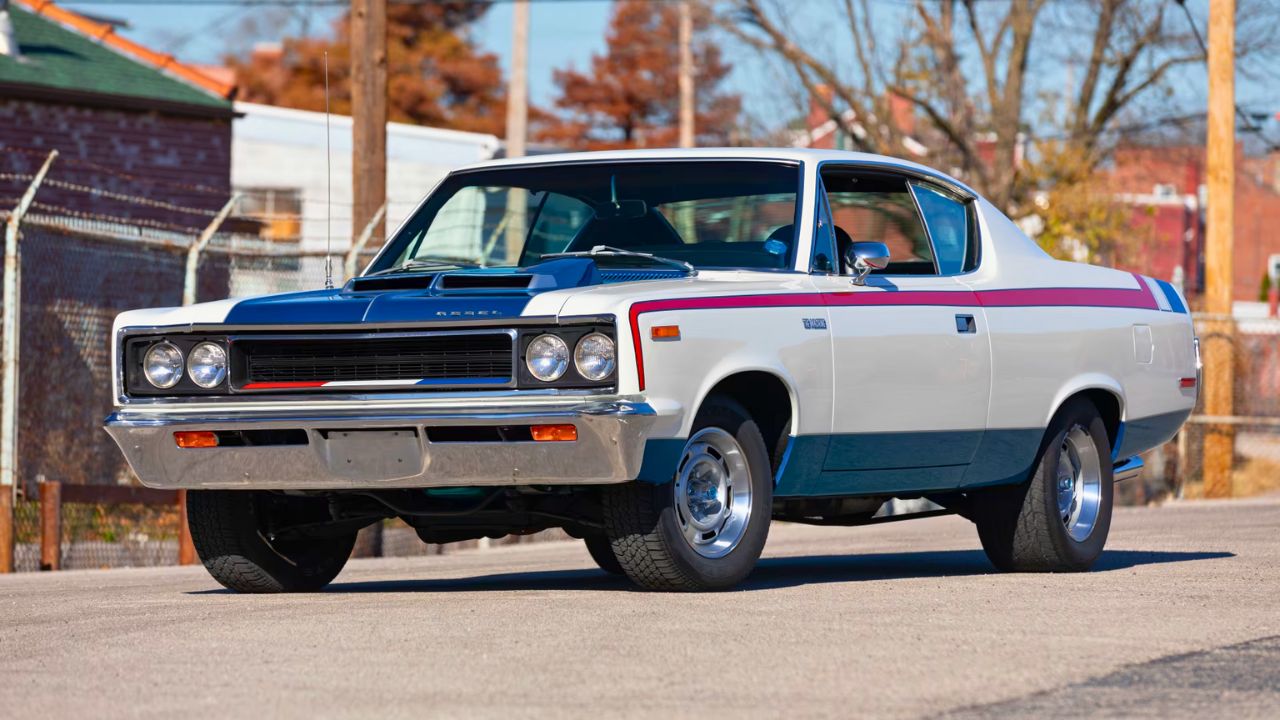
The Rebel Machine was AMC’s muscle car hail mary—an in-your-face, red-white-and-blue bruiser with a 390-cubic-inch V8 rated at 340 hp and 430 lb-ft of torque. It came standard with a functional ram-air hood scoop, 4-speed manual, and attitude to spare.
Only available in 1970, fewer than 2,400 were built. AMC pushed it hard as a working man’s muscle car, but buyers didn’t bite. The company’s limited budget and brand image didn’t help. Today, they’re rare, loud, and surprisingly capable on the road—and most folks have never seen one.
2. 1969 Dodge Charger 500

Before the Daytona stole the headlines, Dodge quietly launched the Charger 500 to improve the original Charger’s poor aerodynamics on NASCAR tracks. They swapped in a flush Coronet grille and fastback rear window, then stuffed in either a 440 or 426 HEMI.
Just 392 were built before it was replaced by the Daytona. The 500 was a one-year, purpose-built track weapon that never got a proper spotlight. Most were overshadowed by the cars that came after, but without it, the winged warriors may never have taken flight.
3. 1970 Mercury Cyclone Spoiler
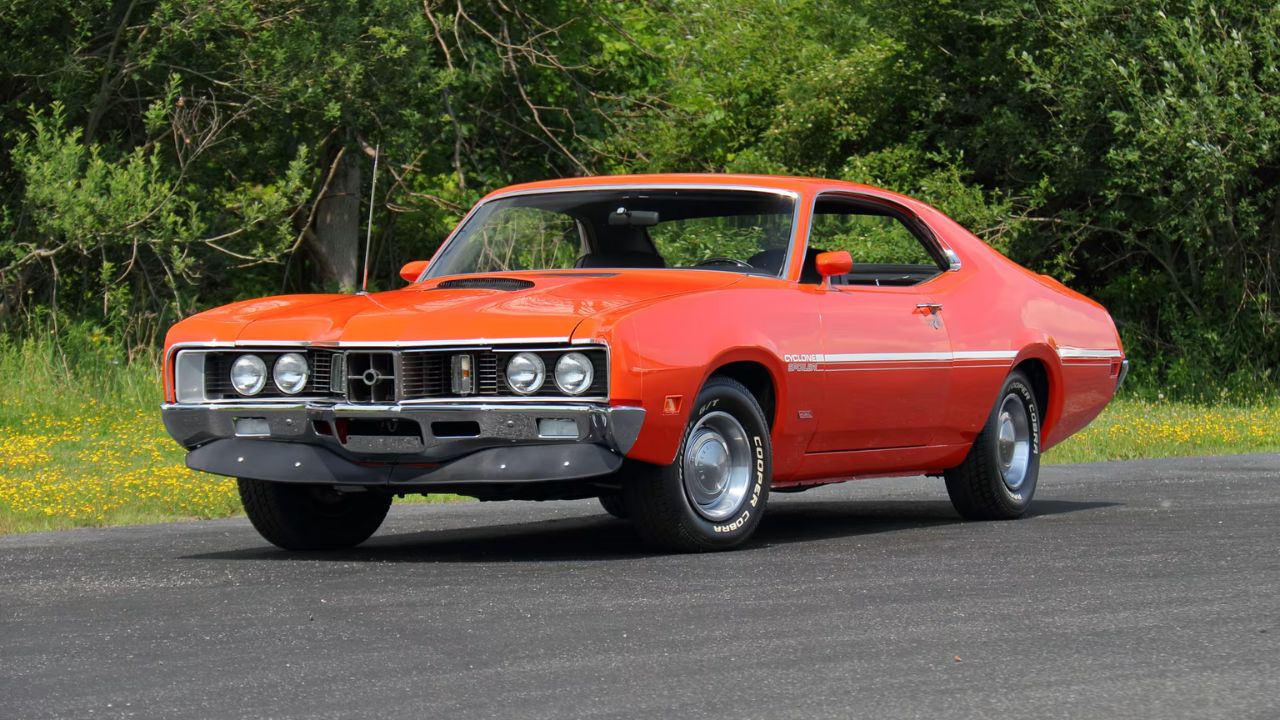
Mercury’s 1970 Cyclone Spoiler was a high-powered muscle coupe with little brand identity. It came with a 429 Cobra Jet as standard equipment, backed by either a C6 automatic or a 4-speed manual. With 370 hp and 450 lb-ft, it was no slouch.
Despite its NASCAR ambitions and standout styling, the Spoiler got lost in the Ford lineup. It was too close in performance to the Torino Cobra and didn’t have a loyal following. Production was limited, and it quietly disappeared after a single model year.
4. 1964 Ford Thunderbolt
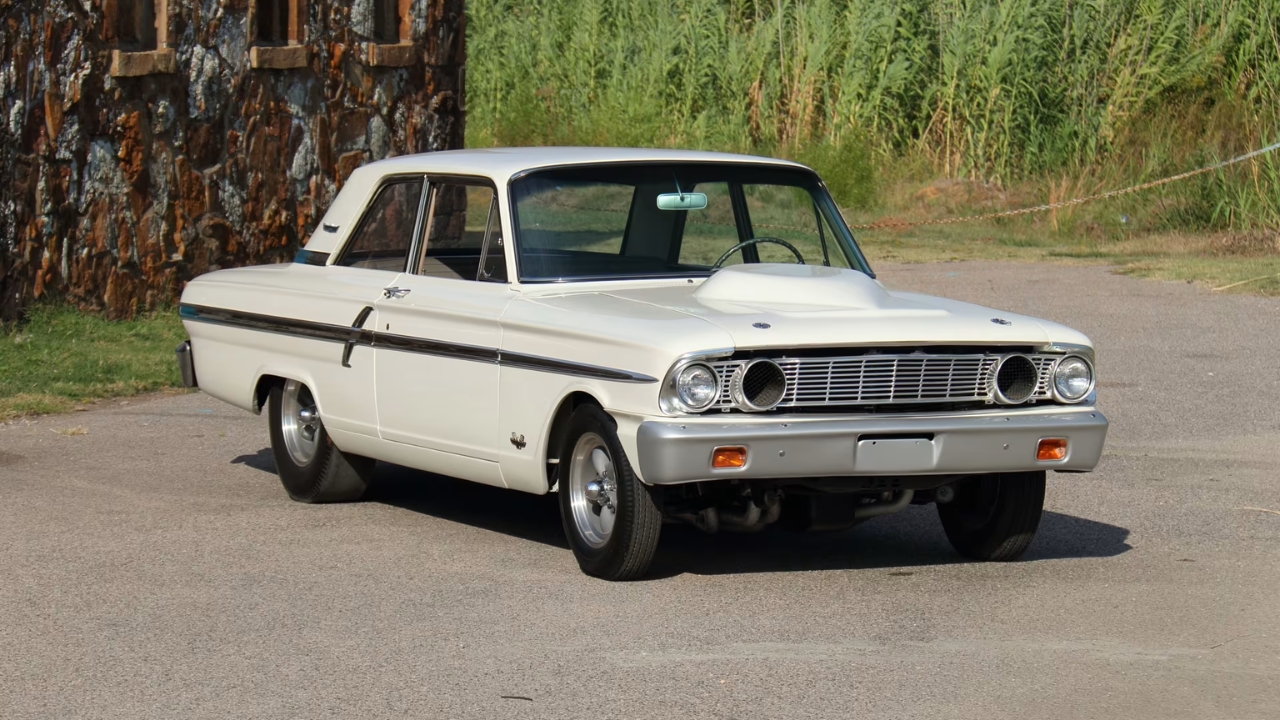
Built strictly for drag racing, the 1964 Thunderbolt was a factory experiment gone feral. Ford dropped a 427 High Riser V8 into a stripped-down Fairlane body, rated at 425 hp but often putting out much more in race trim.
Only 100 were built, most of them going straight to NHRA Super Stock teams. With fiberglass panels, no rear seats, and barely functioning street equipment, it was never meant to be practical. The Thunderbolt dominated for a brief moment—then vanished once the rules changed.
5. 1971 Plymouth GTX 440+6
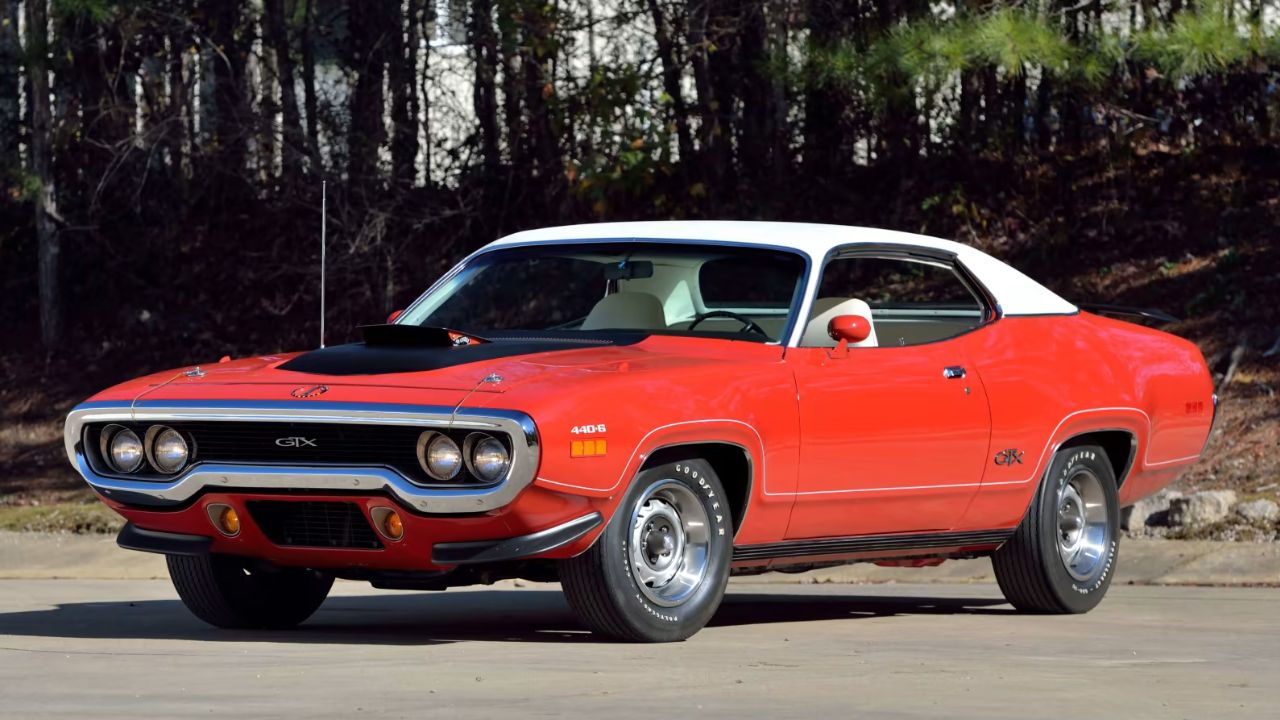
The 1971 GTX was the last year the car stood on its own before being folded into the Road Runner lineup. That year, you could option it with the 440 Six Barrel setup—390 hp and triple carbs—making it one of the last high-performance Plymouths before emissions took over.
Sales were dismal, and the model was phased out almost immediately. Most people think of the GTX in its ’68–’70 form, but the ’71 440+6 cars are incredibly rare. It was the end of the line dressed in all the right gear—and no one was paying attention.
6. 1970 Chevrolet Monte Carlo SS 454
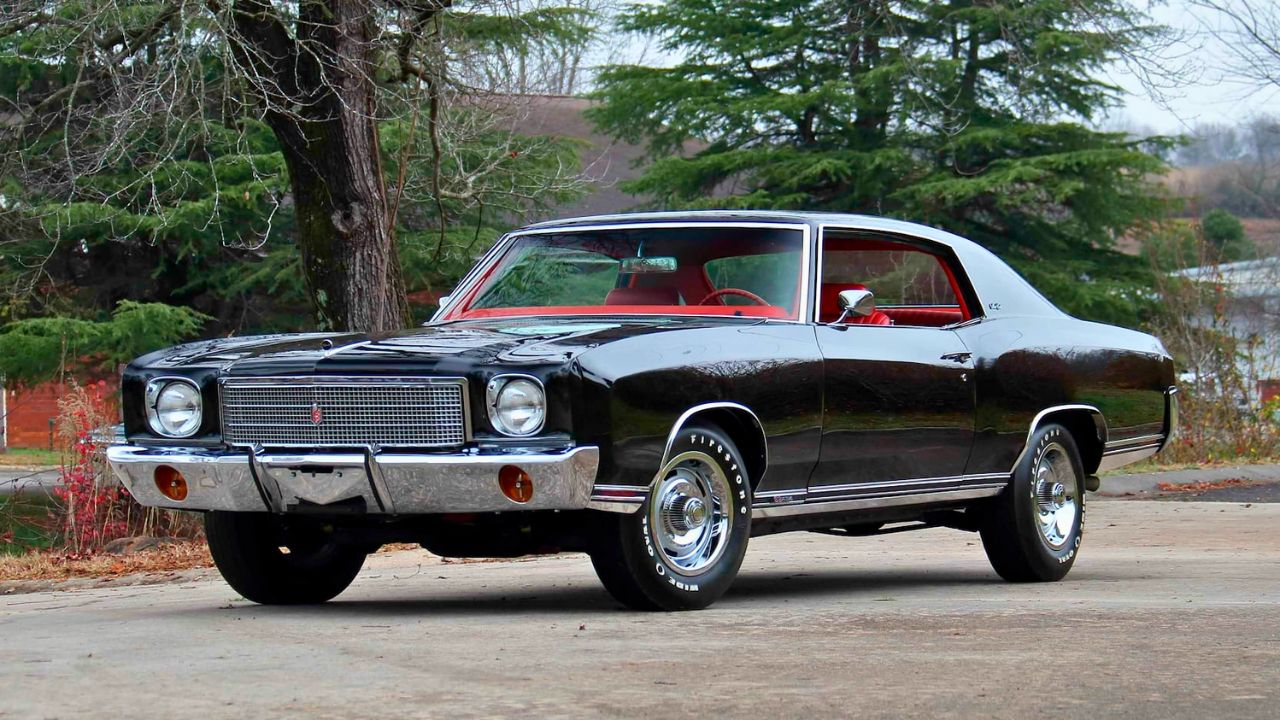
In 1970, Chevy offered the Monte Carlo SS with an LS5 454 that cranked out 360 hp and 500 lb-ft of torque. It was a luxury coupe with serious grunt and a surprisingly capable suspension setup.
Despite solid performance and restrained styling, the SS 454 package didn’t sell well and was dropped after just two years. Most buyers went for small-block comfort or moved to Chevelles for more flash. The big Monte SS was a one-time shot at blending elegance with muscle—and it didn’t catch on.
7. 1969 Pontiac Trans Am
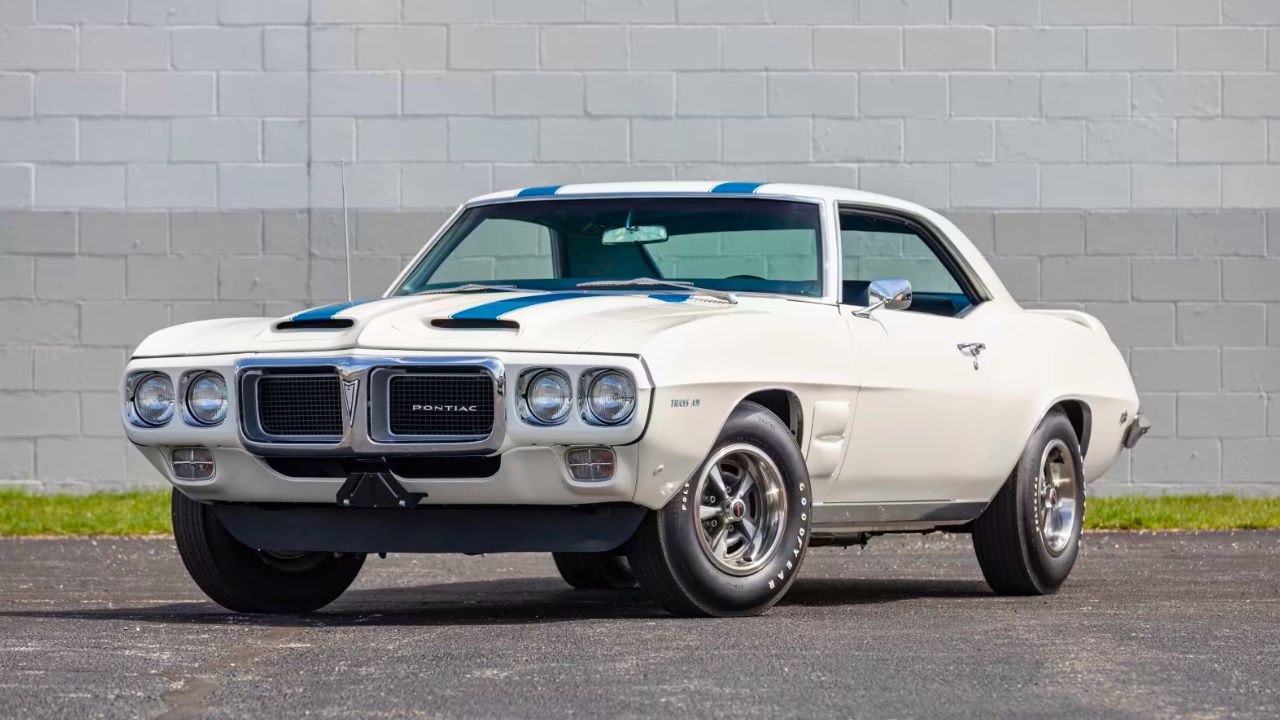
The first Trans Am didn’t come with a screaming chicken decal or a gold paint job. It was white with blue stripes, came standard with a 400 Ram Air III, and was offered in both coupe and convertible forms (only 8 ragtops were built).
Pontiac only made 697 of them in 1969. It was supposed to be a performance package for the Firebird, but it got overshadowed by everything else Pontiac was doing that year. It wouldn’t gain fame until Smokey and the Bandit—this first one was gone before most people noticed.
8. 1970 Chrysler 300 Hurst
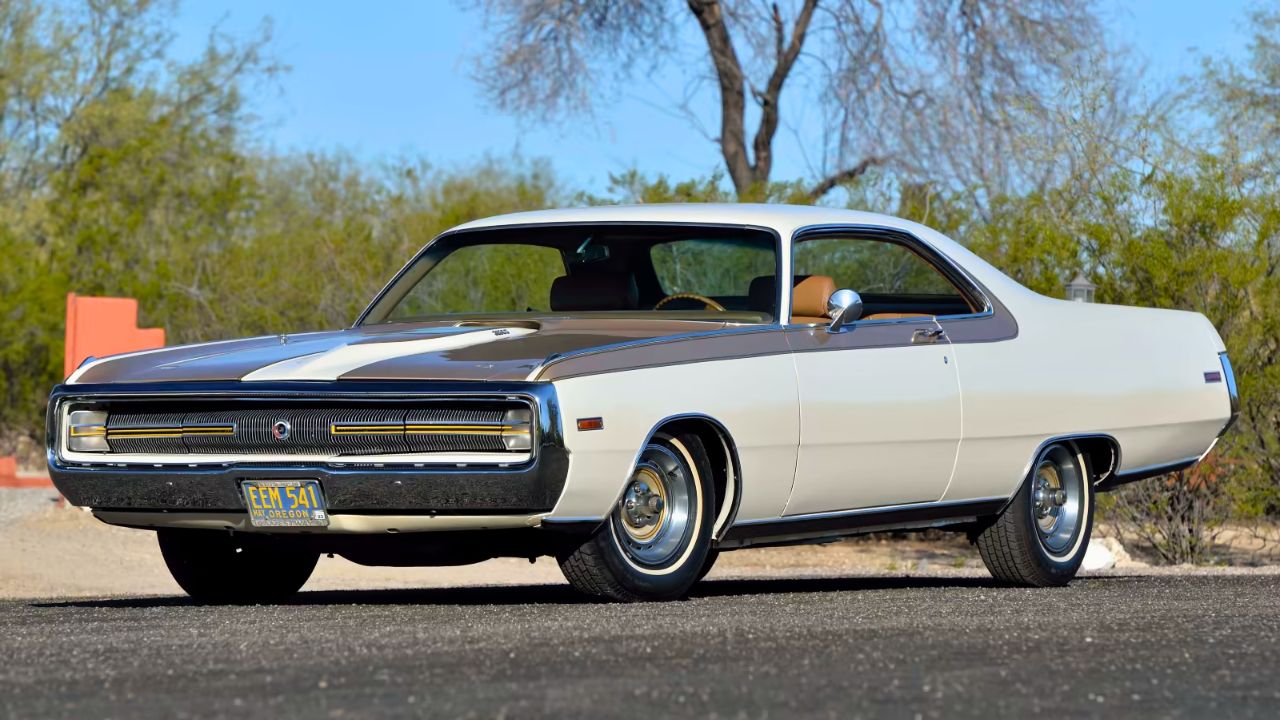
The 300 Hurst was an unlikely muscle car—a full-size luxury coupe tuned by Hurst Performance. It came with a 375-hp 440 TNT and a wild fiberglass hood with functional scoop. Only 501 were made, most painted Spinnaker White with gold trim.
It wasn’t fast enough for purists or luxurious enough for Cadillac buyers. But it looked the part, with hidden headlights, massive proportions, and Hurst badges. The car made its debut at Daytona and disappeared shortly after, leaving behind a strange but fascinating chapter in Chrysler’s muscle era.
9. 1967 Chevrolet Camaro Z/28 RS
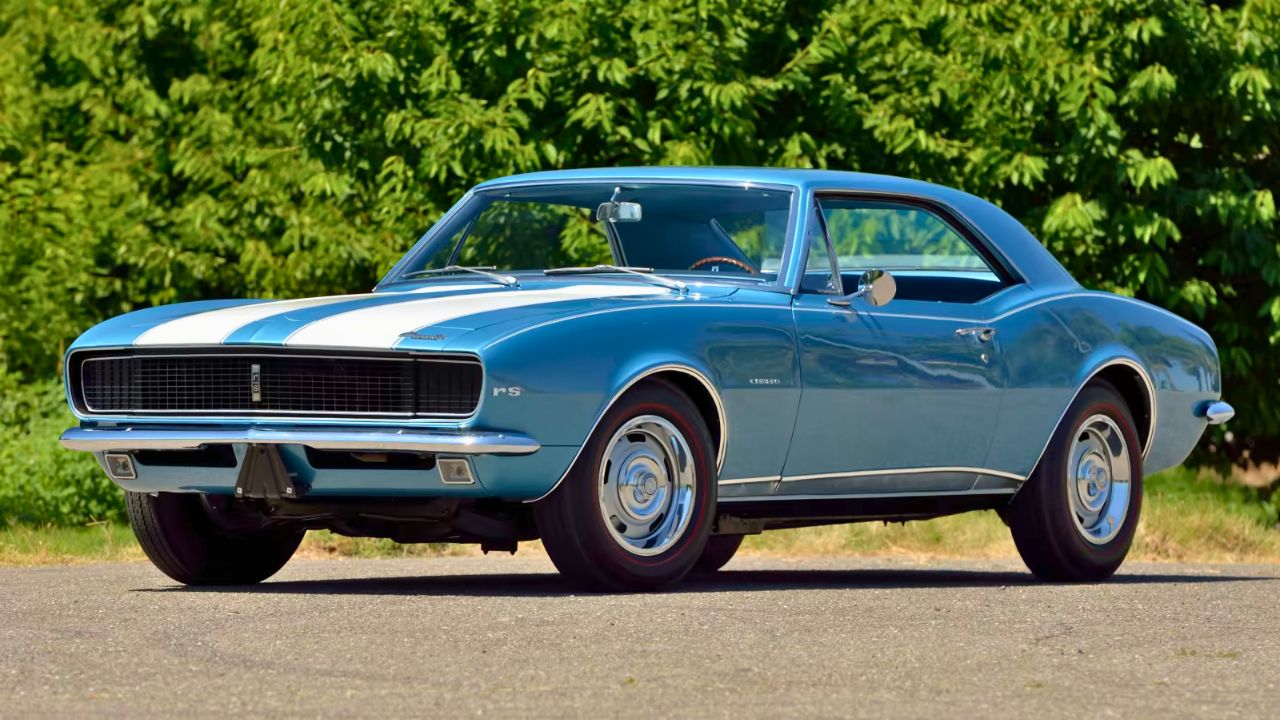
The Z/28 started in 1967 as a track-focused option buried deep in the order book. It came with a 302 small block built for SCCA Trans-Am racing, underrated at 290 hp but capable of much more. Only 602 were sold that year.
Most buyers didn’t even know it existed. It required manual brakes, manual steering, and a close-ratio 4-speed. Add the Rally Sport appearance package and you had something seriously rare. It stuck around in later years, but the ’67 Z/28 RS combo was a one-year flash that nearly vanished.
10. 1971 AMC Matador Machine
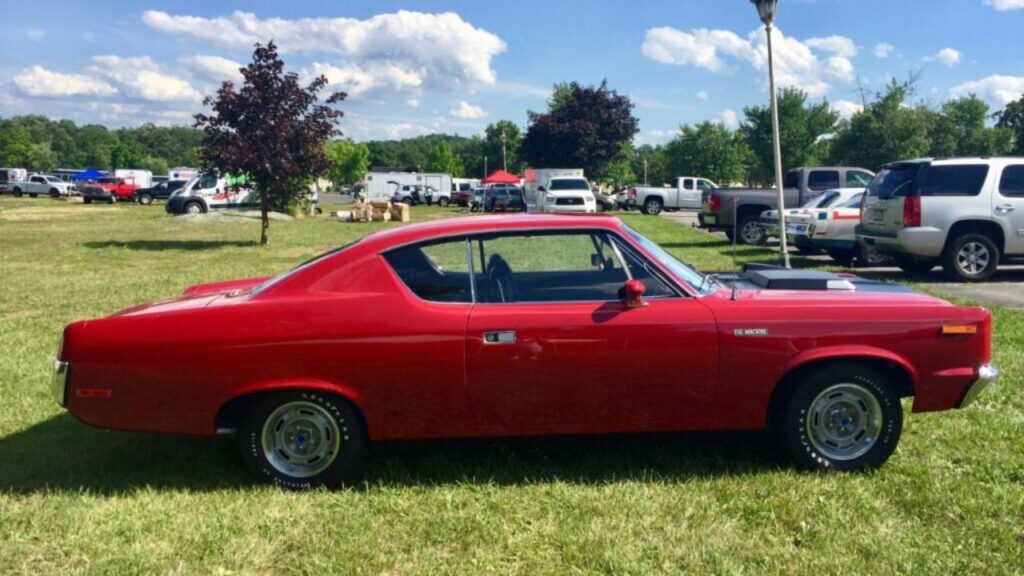
Following the Rebel Machine, AMC offered a Matador Machine appearance package in 1971. It didn’t include a specific engine, but could be optioned with a 360 or 401 V8, both backed by optional Go Package hardware.
The problem? Hardly anyone knew it existed. AMC didn’t advertise it, and only a handful were produced before the nameplate was dropped entirely. It never had the visual punch or identity of its predecessor. As far as one-hit wonders go, the Matador Machine might be the rarest of all.
Like what you read? Here’s more by us:
*Created with AI assistance and editor review.