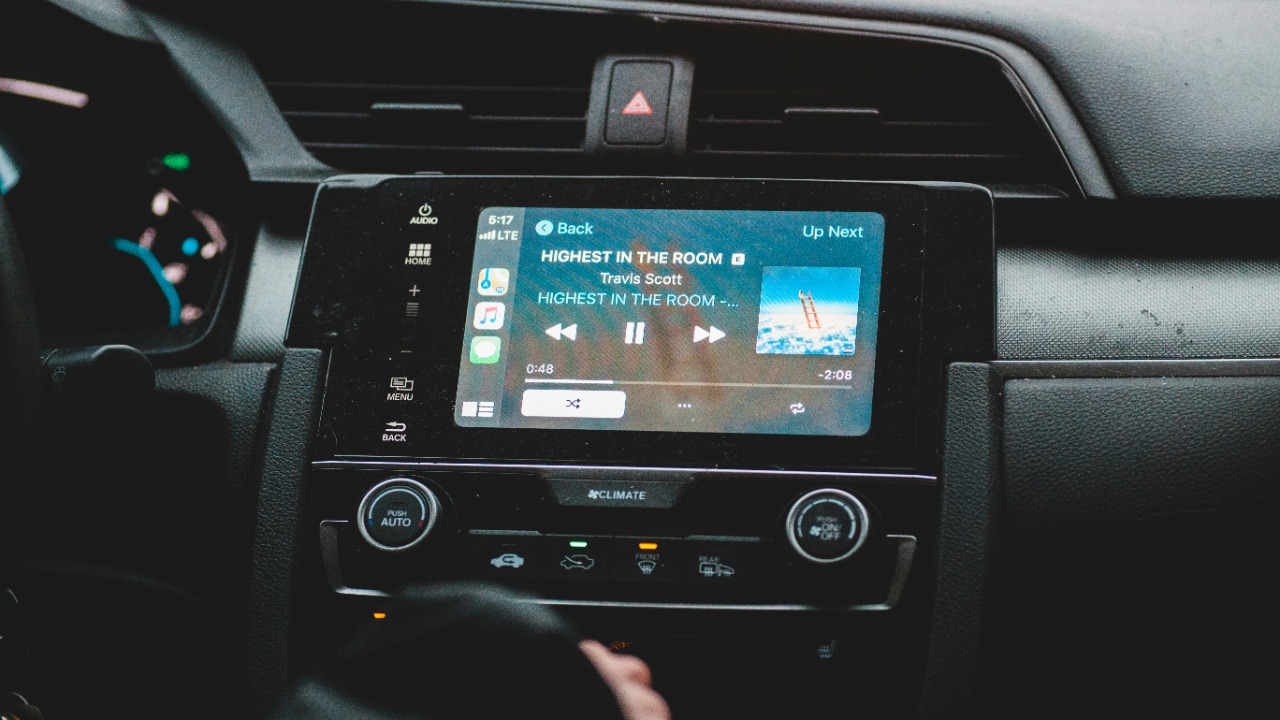
You keep hearing that automakers are putting physical buttons back into cabins, yet every new model you sit in seems to have an even bigger screen. The reason is simple: over-the-air software updates have turned that glass panel into the one part of the car that never really stops changing. Once you understand how much money, flexibility, and control those updates give manufacturers, you see why touchscreens are not going anywhere.
Why carmakers flirt with buttons but marry the screen
If you love driving, you probably cheered when Jan and other presenters began highlighting how automakers were quietly restoring knobs and switches in videos about why carmakers are bringing back buttons. In that coverage, you see brands reacting to years of complaints about buried climate controls and volume sliders that are impossible to use by feel, with companies openly admitting that some experiments went too far into flat glass.
In another segment featuring Jan, you are told that those same automakers are not ripping out the central display. Instead, they are trimming the worst excesses, like touch-only steering wheel buttons, while leaving the main touchscreen as the hub for navigation, media, apps, and vehicle settings. That pattern matters: the industry is revising the interface, not abandoning it.
Over-the-air updates turned the screen into infrastructure
The real shift arrived when over-the-air updates stopped being a novelty and became part of the business model. In one analysis of connected vehicles, you see how remote software updates let automakers roll out continuous improvements, add new features, and cut warranty and recall costs without asking you to visit a dealer. That only works if your car has a consistent digital canvas where those updates can appear, which is exactly what a large central touchscreen provides.
Volvo engineers, quoted in a piece on the rise of software updates, openly concede that touch interfaces had gone too far in some models, yet those same software specialists explain that screens are here to stay because they let the company fix bugs and add clever new features overnight. When your infotainment system can gain a new driver-assistance view or a revised energy-use graph while you sleep, the glass panel stops being a gadget and becomes part of the car’s core infrastructure.
Why software outpaces physical design
Once you look at the pace of software change, the logic behind digital controls gets sharper. A detailed explainer on the rise of touch controls points out that having more digital interfaces lets manufacturers tweak layouts and functions far faster than interior design cycles. You might wait six or seven years for a dashboard redesign, but a badly labeled on-screen button can be moved in the next firmware release.
That same piece, titled with Over and There as key markers, reminds you that physical controls are not automatically safer. There are countless examples of cars with confusing stalks or identical knobs that led drivers to the wrong function at the worst time. With a touchscreen, you can at least correct those mistakes for every owner at once, instead of living with a bad decision until the next generation of the car.
Safety backlash and the quiet return of key buttons
Of course, you cannot ignore the safety data. Researchers have documented how long drivers’ eyes leave the road when they hunt through layered menus, and one analysis of distraction concludes that drivers do not even like large touchscreens when they have to divert attention to operate them. Those studies, summarized under headings like Drivers and Concerns, show that the more you rely on flat glass for essential tasks, the more you risk slower reactions and missed hazards.
Regulators and testing bodies have started to respond. An overview of how automakers are reacting to safety pressure describes how Automakers are being pushed to restore physical buttons for vital functions, with Euro NCAP tying some assessments to how easily you can access key safety features. That pressure has already nudged Volkswagen to reinstate dedicated controls for volume and climate in models that previously buried them in screen menus.
Consumer frustration is just as loud. A widely shared column on distraction argues that the lack of physical buttons forces you to take your eyes off the road for tasks that used to be handled by muscle memory. The piece notes that drivers are tired of diving into a digital submenu to change cabin temperature, and it quotes owners who say they feel less in control when every action requires a tap or swipe.
How brands try to split the difference
Faced with that backlash, brands are experimenting with hybrids instead of pure glass cockpits. Mazda is a good example. In one review of its latest cabin, you see how Mazda uses a touch-sensitive screen that limits what you can prod depending on the app and whether you are moving. At speed, you are pushed toward a rotary controller and simple lists, which keeps your eyes up and your hands anchored.
Analysts who have spoken with designers describe a similar compromise elsewhere. Some companies now insist that climate, hazard lights, and basic audio volume always have hard controls, while everything from ambient lighting to drive modes lives on the touchscreen. You still get the flexibility of software for non-essential features, but you are not forced to jab at icons just to demist the windshield.
Market data shows screens are only getting bigger
If you look at the money, the direction is clear. A market outlook on automotive touch systems notes that Technology Trends Reshaping the Market include Larger and Multi Display Cockpits, with Vehicles shifting from a single center screen to wide, multi-panel layouts that stretch across the dashboard. That same analysis lists over-the-air capability as a powerful driver of market expansion, since carmakers can monetize new apps and services over the life of the vehicle.
Another forecast for connected cars explains that as automakers integrate more connected technologies, the ability to deliver remote software updates becomes central to their plans for customer retention and cost savings. When the revenue model depends on ongoing digital services, you are not going to see those brands go back to a small radio display and a cluster of knobs.
The business case you do not see from the driver’s seat
From your perspective behind the wheel, a giant display might look like a styling fad. Inside the industry, it is a spreadsheet decision. A video breakdown featuring Dec walks through how a single large screen can be cheaper to produce than a spread of bespoke buttons, dials, and small displays. Once you standardize that hardware across multiple models, you can differentiate them with software packages instead of new plastic parts.
Commentators in that segment also highlight how over-the-air updates let carmakers fix embarrassing bugs, such as malfunctioning driver-assistance alerts, without paying dealers to reflash every car. When you add the potential to sell subscription features, like upgraded navigation or performance tweaks, the touchscreen becomes a revenue platform rather than a cost center.
Industry voices focused on technology echo that logic. In a discussion about software-defined vehicles, Oct and other presenters describe how future cars will be engineered around a central computing architecture that expects a rich human-machine interface. In that world, the touchscreen is not an optional accessory; it is the main way you interact with a constantly evolving software stack.
Why you should expect a smarter, calmer screen instead
Given all of this, you should not expect the glass to disappear. You should expect it to grow up. Analysts who study interface trends argue that the next phase will focus on calmer, more context-aware screens that show less, not more, while you are moving. Voice control, haptic feedback, and smarter defaults will all work together so you tap less often and think less about the interface.
More from Fast Lane Only