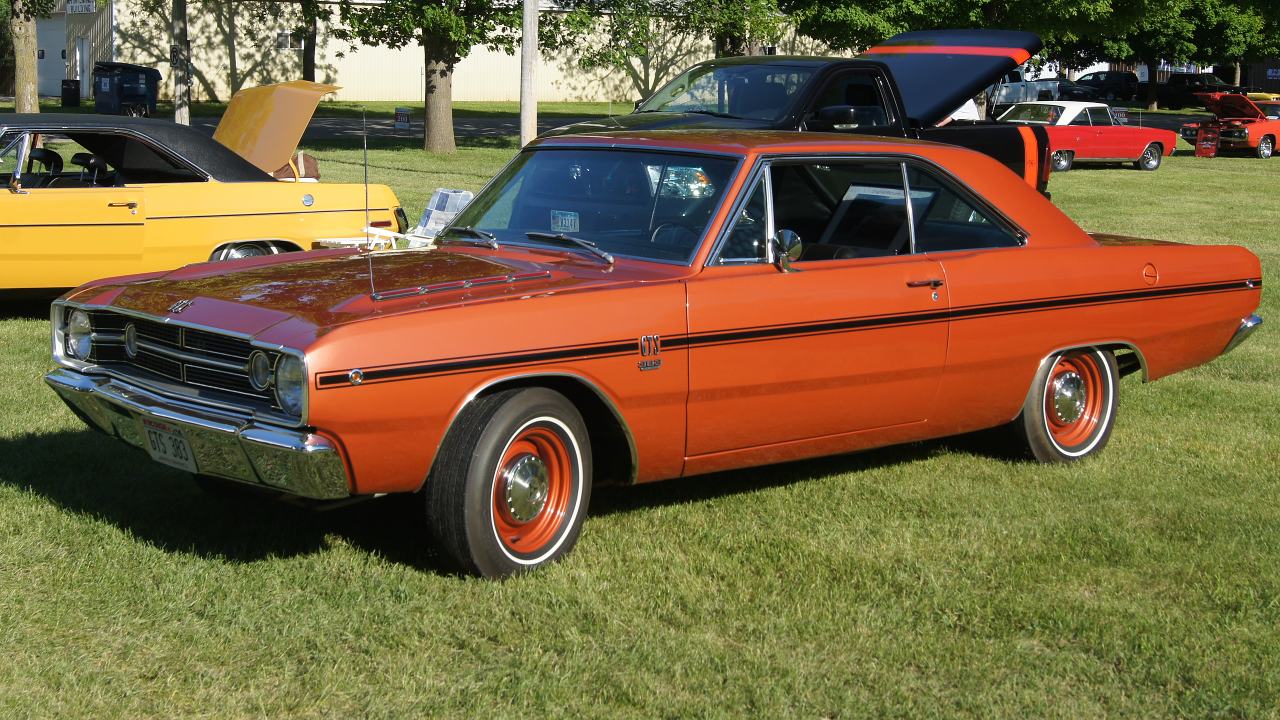
With a 1968 Dodge Dart GTS, it doesn’t take long for owners to realize they aren’t just caring for “a” muscle Dart—they’re caretaking a specific configuration. Dodge offered the GTS as a compact performance package, but the details could vary widely depending on what the original buyer checked on the order form. Those choices are a big part of why two cars that look similar at a cruise night can sit in very different places on the collector spectrum.
Why “factory options” matter more than people expect
Collectors tend to reward cars that are easy to document, true to how they left the factory, and representative of what made a model special in its era. On the 1968 GTS, factory options can change performance character, rarity within the model run, and even how comfortable the car is to drive today. That means options affect not only value, but the type of buyer who’s interested.
It also helps that Chrysler products from this period are well served by documentation culture. Build sheets, fender tag information, and period sales literature are common reference points in the hobby, so enthusiasts routinely compare option codes and original equipment. When the paperwork backs up the hardware, the car’s story becomes much easier to defend.
Engine choices and how they steer demand
The biggest fork in the road is what’s under the hood. The 1968 Dart GTS is commonly associated with V8 power, and the availability of different engines means the GTS badge can represent very different experiences. In period, the “right” engine depended on what the buyer wanted—street torque, easier insurance, or a more balanced daily-driver feel.
From a collectibility standpoint, buyers generally pay closest attention to factory-correct, numbers-matching drivetrain combinations and the performance reputation attached to them. An original, correctly equipped high-performance car tends to draw broader interest than one that’s been engine-swapped, even if the swap is period-correct in spirit. The key is that the market often values provenance as much as horsepower.
Transmission and axle equipment: the feel of the car changes
Transmission choice is another area where factory options shape both driving personality and desirability. A four-speed car can feel more “purpose built,” while an automatic-equipped GTS can be a more relaxed cruiser and may appeal to a different slice of enthusiasts. Because these cars are often restored or modified over the decades, verifying that the transmission is original or correctly specified can matter a lot to collectors.
Rear axle ratio and differential type also influence how the car behaves, especially at highway speeds versus around-town punch. Performance-minded buyers often look for factory performance gearing and a limited-slip differential when available, but those details are easy to change during a rebuild. Documentation that ties the car to its original drivetrain spec can separate a truly special example from one that’s simply been “built to look right.”
Brakes, steering, and suspension: options that age differently
Not every influential option is flashy. Power steering and power brakes can make a compact muscle car far easier to enjoy in modern traffic, and that usability can boost appeal for buyers who want to drive their GTS regularly. On the other hand, some purists prefer the more direct feel of manual systems if that’s how the car was originally ordered.
Factory heavy-duty suspension components and related performance equipment can also matter because they reflect the car’s original mission. Even when aftermarket upgrades outperform factory parts today, collectors often like seeing the correct style of components and hardware where it’s visible. The sweet spot for many owners is keeping the factory “look” while ensuring the car is safe and tight on the road.
Appearance and trim: subtle details collectors actually hunt for
Color combinations, stripe packages, wheels, and interior trims can have an outsized effect on how a 1968 GTS presents itself. A factory color that suits the car’s lines, paired with correct interior materials and a period-correct stance, tends to attract attention from enthusiasts who know what they’re looking at. Because paint and upholstery are commonly redone during restoration, proving an original color change (or the lack of one) can become part of the car’s value conversation.
Even seemingly small items—like the right badging, correct seat style, and proper dash components—matter in a market that rewards authenticity. Collectors don’t always agree on which combination is “best,” but they do agree that coherent, factory-correct combinations are more compelling than a mash-up of parts from different years. The more consistent the car is with its original build, the easier it is to buy with confidence.
Documentation, restoration choices, and how options get verified
Because factory options play such a big role, verification becomes part of ownership. Original paperwork, broadcast sheets, and correct tag information can support claims about engine, transmission, colors, and equipment—and those claims often influence pricing. A well-documented car can be more desirable than a similarly restored example that’s missing its paper trail.
Restoration decisions can either preserve option-driven collectibility or blur it. Replacing worn components is normal, but changing major option-related features—like drivetrain configuration or interior trim style—can move the car into a different category for many collectors. Owners who plan to sell someday often find it’s worth keeping take-off parts, photographing stampings and tags, and saving receipts so the car’s configuration remains defensible years later.
For the 1968 Dart GTS, factory options aren’t just trivia—they’re the framework that defines what the car is. Whether an owner is chasing originality, building a respectful driver, or trying to understand market values, the car’s option list is usually where the real story starts. The most collectible examples tend to be the ones that can prove that story clearly and keep it intact.