Once a car passes the six-figure mark on the odometer, its weak points start to show in predictable ways. High mileage does not automatically mean a vehicle is finished, but it does mean certain components are far more likely to fail, often in a repeatable pattern across brands and model years.
By looking at long-term reliability data, common repair records, and how modern vehicles are engineered, I can map out the parts that most often give up first as the miles pile on. Knowing where those failures tend to occur helps an owner budget, schedule preventive work, and decide when a repair still makes sense versus when it is time to walk away.
Engines and timing components that wear out from long-term stress
Engines usually fail at high mileage not because of a single dramatic event, but because small, cumulative wear finally crosses a threshold. Oil control rings lose tension, valve stem seals harden, and bearings develop excess clearance, which shows up as oil consumption, low compression, or knocking. On some engines, the weak link is the timing system: stretched chains, worn guides, or failing tensioners can throw valve timing off enough to trigger misfires or, in interference designs, catastrophic contact between valves and pistons. Owners often first notice subtle symptoms such as rough cold starts, a check-engine light for camshaft correlation, or metallic noise on startup before a full failure occurs.
Specific engines have become case studies in how timing components can limit long-term life. Several Volkswagen and Audi 2.0 TSI engines from the early 2010s, for example, developed well-documented timing chain tensioner issues that could lead to chain slack and internal damage at higher mileage, prompting extensive technical guidance and, in some cases, extended coverage for affected owners, as detailed in timing chain litigation records. BMW’s N20 and N26 four-cylinder engines have also been scrutinized for timing chain and guide wear that can surface as the odometer climbs, with repair bulletins outlining updated parts and inspection procedures in service documentation. These examples underline a broader pattern: even when the bottom end of an engine is fundamentally sound, the timing hardware can become the practical life limit if it is not monitored and refreshed on schedule.
Automatic transmissions, clutches, and driveline components
Powertrain failures at high mileage often shift from the engine to the components that transmit power. Automatic transmissions accumulate heat and shear in their fluid, which gradually erodes clutch material and valve body precision. Once internal passages gum up or friction material is depleted, drivers feel harsh shifts, slipping under load, or delayed engagement into gear. Continuously variable transmissions (CVTs) add another layer of risk, since their belts or chains and pulleys depend heavily on clean, correct-spec fluid to avoid glazing and metal transfer. In manual cars, the clutch disc, pressure plate, and release bearing are classic wear items that can reach the end of their life around the same time as other high-mileage repairs, forcing an owner to weigh the cost of dropping the transmission against the remaining value of the vehicle.
Real-world data shows how these patterns play out. Nissan’s use of CVTs in models like the Altima and Rogue led to a wave of complaints about shuddering, slipping, and early transmission failure, particularly as vehicles aged and accumulated miles, which is documented in class-action filings and related repair records. Traditional automatics are not immune either: some Ford Focus and Fiesta models equipped with the dual-clutch “PowerShift” transmission generated extensive reports of shudder, hesitation, and premature clutch wear, issues that became more pronounced as mileage increased and are detailed in technical service bulletins. These cases highlight a key point for high-mileage owners: transmission fluid changes, software updates, and early attention to minor shift issues can significantly influence whether a gearbox survives past 150,000 miles or becomes the repair that totals the car.
Suspension, steering, and wheel-end wear
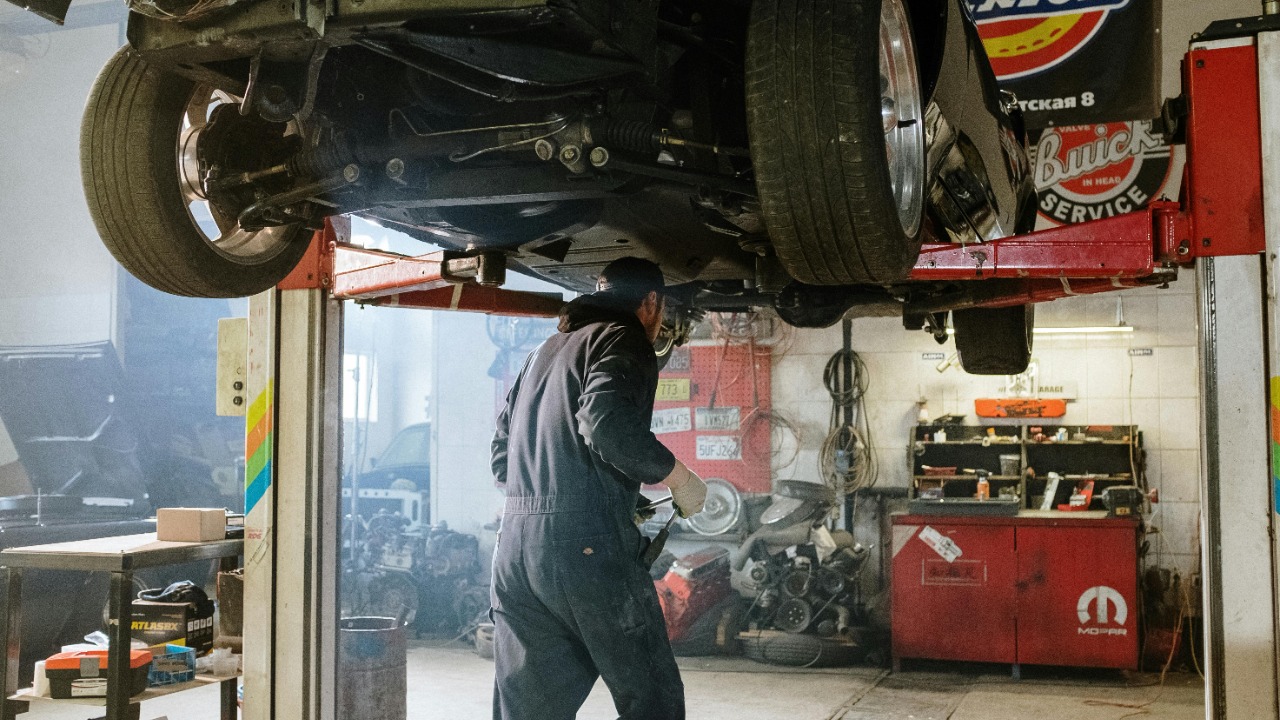
As a vehicle ages, the parts that connect it to the road absorb years of potholes, speed bumps, and emergency maneuvers. Rubber bushings in control arms and subframes dry out and crack, ball joints develop play, and struts lose their damping ability. The result is a car that feels loose, wanders on the highway, or crashes over bumps instead of absorbing them. Steering components such as tie-rod ends and rack-and-pinion seals also wear, which can introduce play in the wheel or fluid leaks. At high mileage, these issues often appear together, turning what seems like a simple alignment problem into a multi-part suspension refresh.
Inspection campaigns and recall records show how critical these parts become as miles accumulate. General Motors, for instance, has issued multiple bulletins addressing front control arm and ball joint wear on older Chevrolet and GMC trucks and SUVs, noting that looseness in these joints can lead to clunking, poor alignment retention, and, in extreme cases, separation, as outlined in front suspension guidance. Similar concerns appear in documentation for certain Toyota and Lexus models where rear suspension arm corrosion and bushing deterioration in rust-belt climates can affect stability at highway speeds, as described in service campaigns. For high-mileage owners, the takeaway is straightforward: if the car starts to feel vague or noisy over bumps, a thorough suspension and steering inspection is not optional, it is a safety check.
Cooling systems, gaskets, and fluid leaks
Cooling systems are another frequent failure point once a car has spent years cycling from cold starts to full operating temperature. Plastic radiator end tanks, thermostat housings, and coolant flanges become brittle and crack, while rubber hoses soften and swell. Water pumps can develop bearing play or seal leaks, which may start as a faint coolant smell and progress to overheating if ignored. At the same time, engine gaskets that have been clamped and heated thousands of times, especially valve cover gaskets and oil pan gaskets, begin to seep. These leaks may not strand a driver immediately, but they can lower fluid levels, contaminate other components, and mask more serious issues if they are not addressed.
Manufacturers have repeatedly had to address high-mileage cooling and sealing issues through technical guidance. BMW’s use of plastic coolant flanges and expansion tanks on models like the 3 Series and 5 Series, for example, has been linked to age-related cracking and leaks that often appear as vehicles move into higher mileage brackets, prompting detailed replacement procedures and updated parts in cooling system bulletins. Subaru’s earlier 2.5-liter engines provide another illustration: external head gasket leaks, particularly of coolant and oil at the lower edges of the block, became a known pattern as these cars aged, leading to revised gasket designs and conditioner recommendations documented in engine sealing guidance. When a high-mileage car starts to show small coolant or oil spots on the driveway, those patterns suggest it is time for a careful inspection rather than topping off and hoping for the best.
Electronics, sensors, and emissions equipment
Modern vehicles rely on a dense network of sensors, control modules, and emissions hardware, and those systems are increasingly what fails first as a car ages. Heat, vibration, and moisture gradually degrade solder joints and connector pins, while moving parts inside components like EGR valves and throttle bodies accumulate carbon. Oxygen sensors and mass airflow sensors drift out of spec, causing poor fuel economy or drivability issues long before they fail outright. High-mileage cars also see more trouble with evaporative emissions systems, where brittle plastic lines and aging purge valves trigger check-engine lights that can be tricky to diagnose without a smoke test and scan tool.
Regulatory and recall records show how these electronic and emissions components become chronic issues over time. Volkswagen’s diesel emissions scandal, for instance, brought intense scrutiny to the long-term reliability of exhaust aftertreatment systems such as diesel particulate filters and NOx catalysts, with settlement documents detailing extended warranties and repair programs for affected TDI models as they aged, as outlined in court filings. On the gasoline side, many manufacturers, including Toyota and Honda, have issued service bulletins for aging oxygen sensors, catalytic converters, and evaporative system components that tend to fail more frequently on older, high-mileage vehicles, as reflected in emissions system guidance. For an owner, that means a dashboard full of warning lights on a 12-year-old car is often less about one catastrophic failure and more about a cluster of aging electronic parts reaching the end of their useful life at roughly the same time.