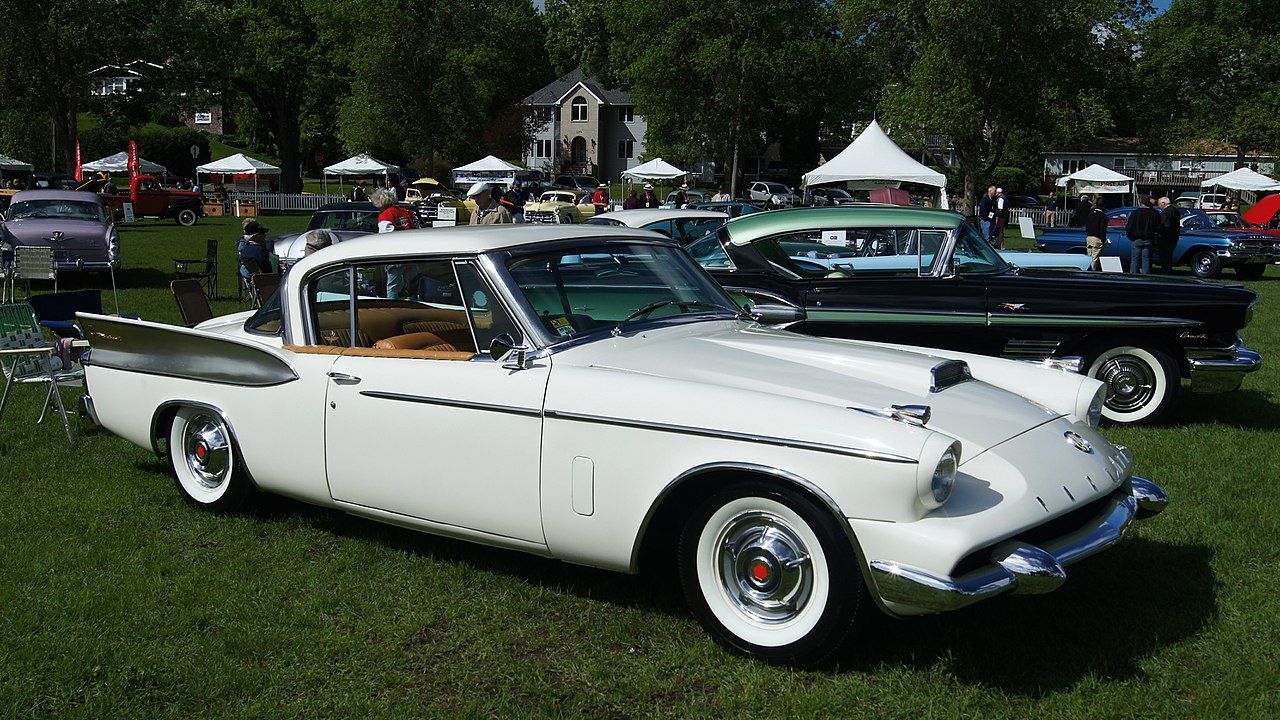
Packard closed out 1958, its final model year, with a supercharged coupe called the Packard Hawk. Few people remember it today, and the same goes for a whole crowd of two-door personal cars that once filled showrooms.
These coupes sold comfort, style and a little swagger to buyers who didn’t need a back seat for the kids. Most got traded in, rusted out or forgotten. These are our picks for the ones we’d keep in the garage for good. The verdict is ours, but every date and figure comes from sources we checked.
1. 1958 Packard Hawk
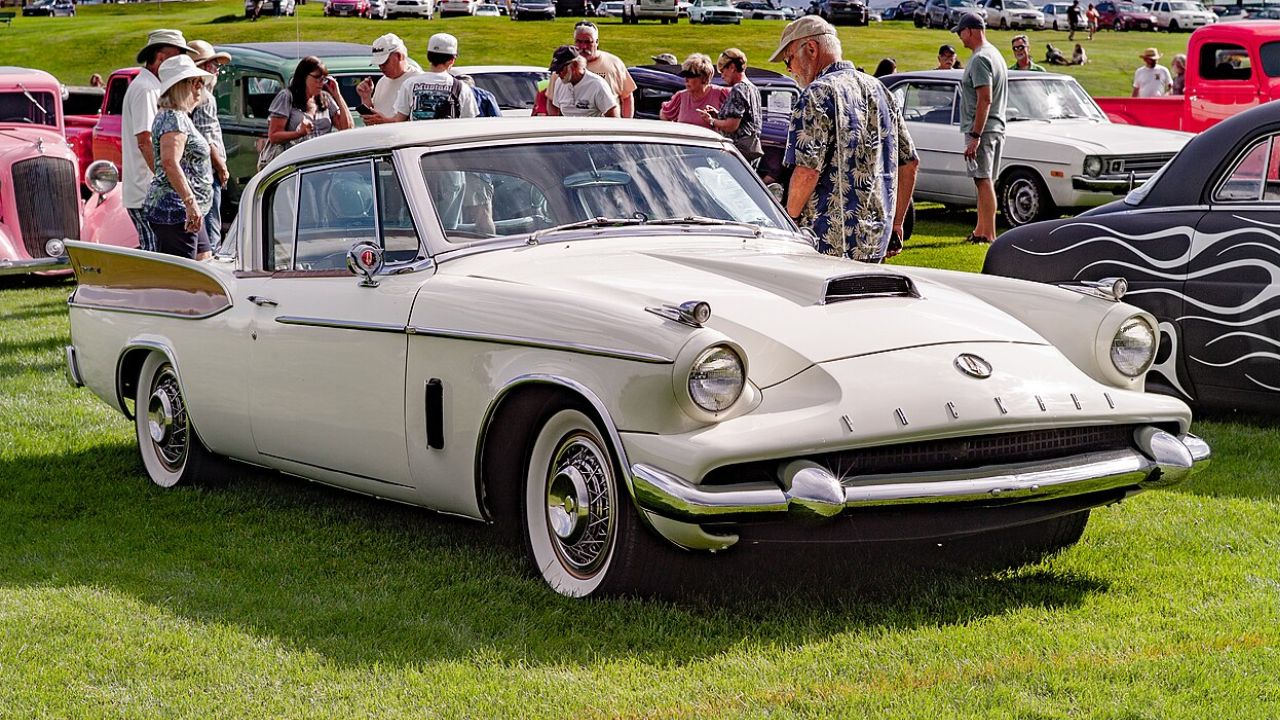
Under the skin, the Packard Hawk was a Studebaker Golden Hawk 400 with a fiberglass nose and hood. Its supercharged 289 V8 made 275 hp, and the price of $3,995 ran about $700 over the comparable Studebaker. In the end, only 588 left the line. The Studebaker National Museum notes that its padded exterior armrests were styled to recall a World War I airplane cockpit. We’ve covered a 1958 Packard Hawk that wasn’t built to blend in, and that odd charm is exactly why we’d never let one go.
2. 1962 Studebaker Gran Turismo Hawk
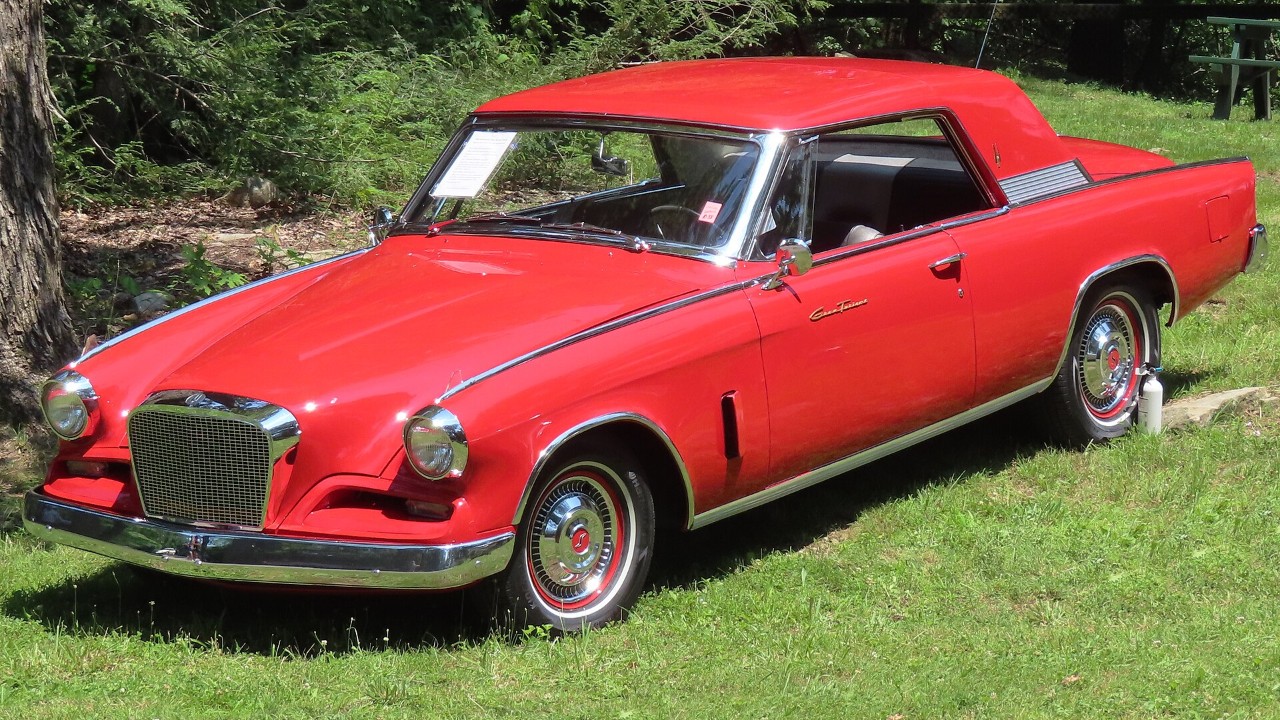
Brooks Stevens took the aging Hawk body and gave it a crisp new roof that borrowed heavily from the Ford Thunderbird. For 1962, the 289 V8 came with 210 or 225 hp. Studebaker then sold 8,388 that year. However, the pleated vinyl seats wore out fast, so the company switched to Naugahyde for 1963. South Bend production ended in December 1963. A well-trimmed survivor with good seats is one we’d hang on to.
3. 1956 Continental Mark II

At $9,966, the Mark II cost more than any other American-built car of its day. Even so, Ford reportedly lost close to $1,000 on each one. In fact, workers assembled them largely by hand, and each 368 V8 came apart for inspection before it went in. Frank Sinatra, Elvis Presley and Dwight Eisenhower all owned one. Ford built 3,005 in all, counting prototypes, and roughly half survive. Once you had one, why would you sell?
4. 1966 Oldsmobile Toronado
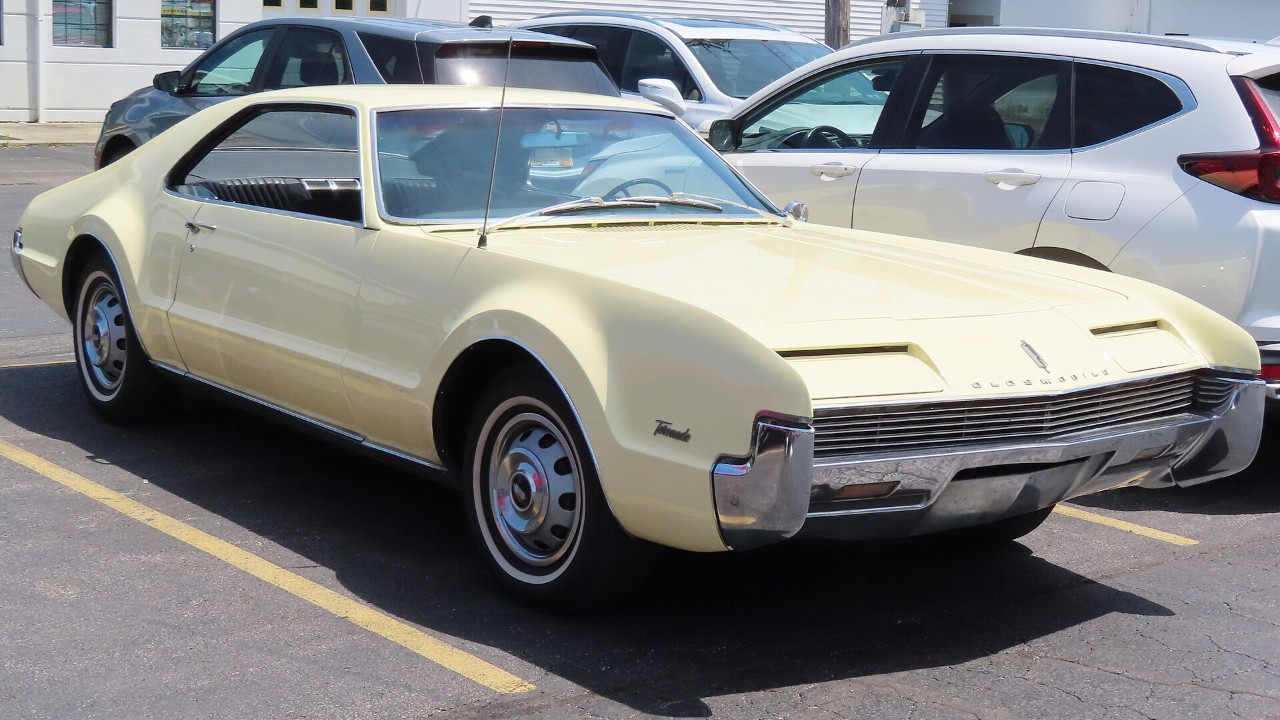
Oldsmobile packed a 425 V8 rated at 385 hp into a front-wheel-drive layout it called the Unitized Power Package. A two-inch-wide silent chain linked the torque converter to the gearset. As a result, the engine bay stayed no bigger than a rear-drive car’s. Soon after, Motor Trend named it Car of the Year, and Oldsmobile built 40,963 for 1966. We’ve written about how the 1966 Toronado broke the rules, and that rule-breaking is why one would never leave our garage.
5. 1968 Mercury Cougar XR-7

Mercury added the XR-7 in early 1967 for buyers who wanted a dressier Cougar. It brought a simulated wood dash, black-face gauges, toggle switches and an overhead console. The Cougar was also the first Lincoln-Mercury car with hidden headlamps, and its sequential turn signals came from the Thunderbird. For 1968, a 210-hp 302 V8 became standard on the XR-7. Since it rode on a 111-inch wheelbase, three inches longer than a Mustang’s, it felt like the grown-up choice. We’d keep it for good.
6. 1969 Pontiac Grand Prix SJ

John DeLorean ordered a new Grand Prix for 1969, and it arrived with the longest hood in Pontiac history. At the same time, it rode on a 118-inch wheelbase, three inches shorter than the old Catalina-based car. Inside, a “Command Seat” instrument panel wrapped around the driver like a cockpit. Pontiac then built 112,486 of them that year. The SJ package made it the one to have, and we’d treat it as a keeper.
7. 1974 AMC Matador X coupe

At first, AMC fitted the base 1974 Matador coupe with a 232 six and a three-speed manual. The Matador X, by contrast, got a 304 V8 and wraparound body stripes. Popular Mechanics reported that the coupe’s looks “swept most owners off their feet.” On the track, Penske ran factory-backed Matadors in NASCAR, and Bobby Allison won the 1975 Southern 500 at Darlington in one. We’ve already argued why collectors care about the Matador coupe, and an X with the V8 is one we’d never part with.
8. 1976 Ford Elite

Ford launched this car on February 18, 1974, as the Gran Torino Elite, then dropped the Gran Torino part for 1975 and 1976. It rode a 114-inch wheelbase and wore a vinyl roof with twin opera windows. Ford aimed it straight at the Monte Carlo and Grand Prix. As a result, combined sales reached about 366,000 over three model years. After 1976, Ford retired the name and moved the Thunderbird badge onto the next mid-size coupe. Few people remember the Elite at all, which is half the reason we’d keep one.
9. 1975 Chrysler Cordoba
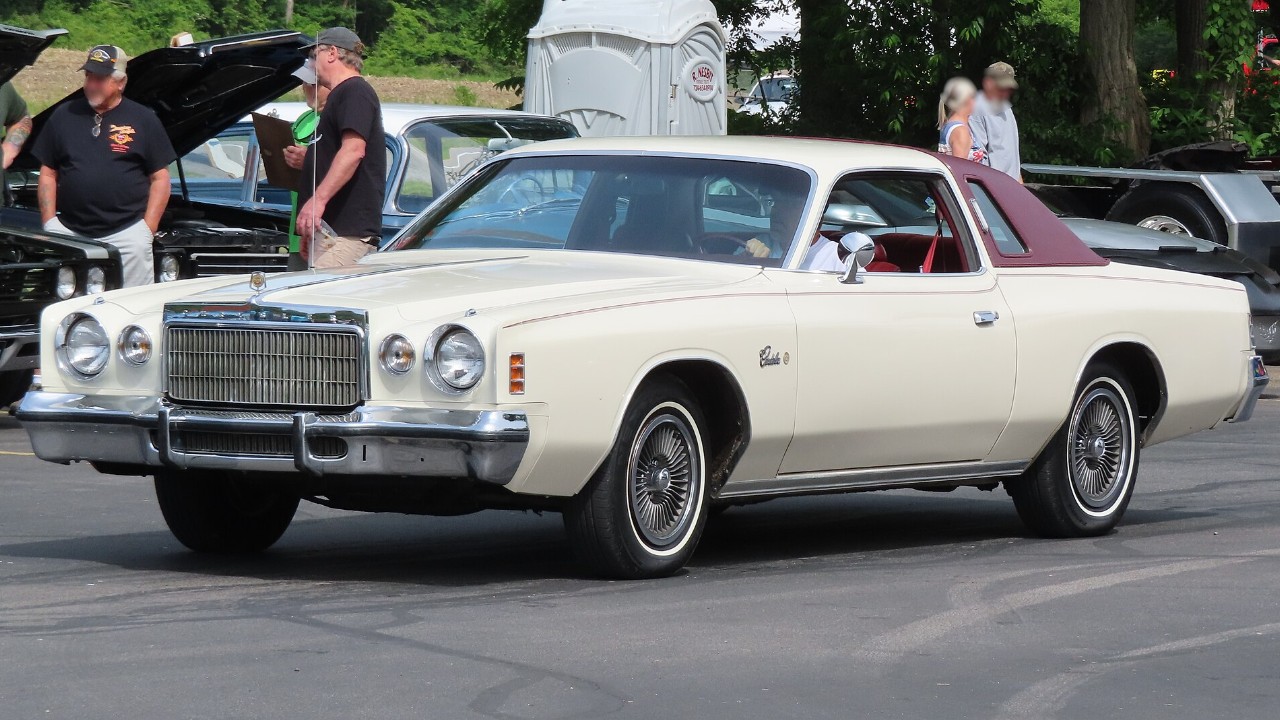
Chrysler introduced the Cordoba as its first small Chrysler, on a 115-inch wheelbase. Initially, Chrysler planned it as a Plymouth Sebring before switching brands. Ricardo Montalbán sold it on TV with his line about “rich Corinthian leather.” Its crest, in fact, came from an Argentine cordoba coin. Chrysler moved over 150,000 in 1975, a rare bright spot in a bad sales year. That makes it a piece of history we’d happily never sell.
10. 1971 Buick Riviera
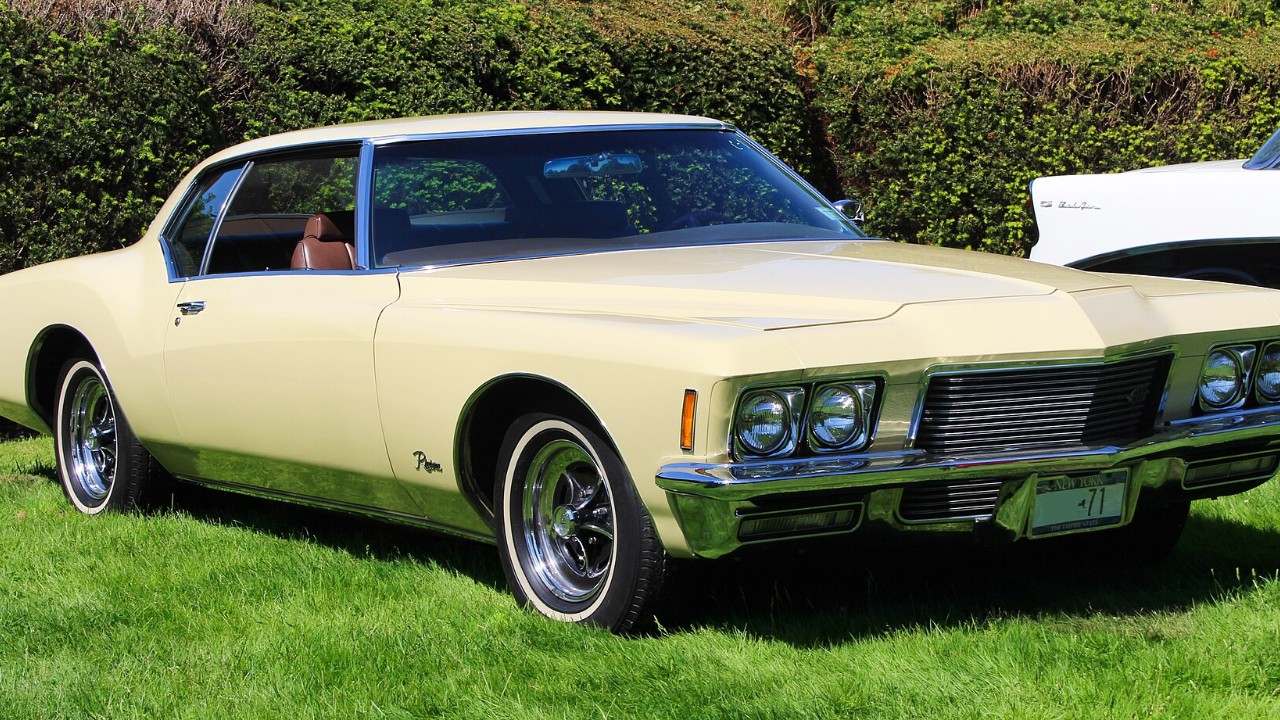
Jerry Hirshberg penned the 1971 “boattail” Riviera under Bill Mitchell, and he later ran design for Nissan. Its two-piece fastback rear glass met in a vee, inspired by the 1963 Corvette Sting Ray. The 455 V8 carried a 315-hp rating, or 330 with the Gran Sport package. Buick also offered Max Trac, an early traction control system. Still, sales fell to 33,810 for 1971. A daring shape that sold poorly is exactly the kind of car we’d never give up.
11. Lincoln Continental Mark V
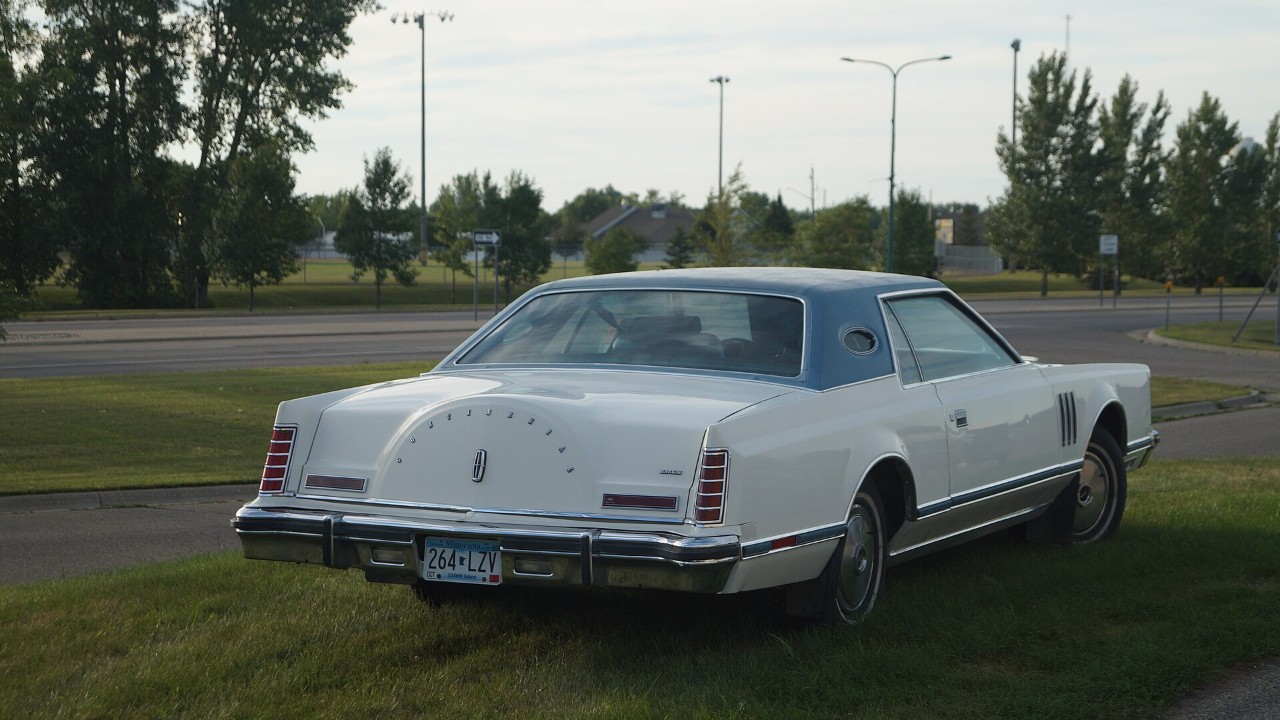
Lincoln built the Mark V for the 1977 through 1979 model years, and it stretched about 230 inches long. For 1977, a 400 V8 with 179 hp came standard, while a 208-hp 460 was optional outside California. Lincoln also sold Designer Series cars dressed by Bill Blass, Cartier, Givenchy and Pucci. Then the 1979 Collector’s Series arrived as a farewell, and Lincoln built 6,262 of them. A land yacht with a designer’s name on the opera window is one we’d keep forever.
More from Fast Lane Only