After more than a decade away from the action, Ram is making a bold return to the NASCAR Craftsman Truck Series—and fans of American muscle and motorsport couldn’t be more excited. Known for its brute strength and unmistakable styling, the Ram badge hasn’t been seen on the grid since 2011. Now, it’s roaring back with modern engineering, fierce competition in its sights, and a legacy to uphold.
This comeback marks more than just a nameplate revival—it’s a signal that Ram is ready to shake things up in a big way.
Ram’s Return Ends a Decade-Long Hiatus

It’s been over a decade since Ram had any factory-backed presence in the NASCAR Truck Series. After exiting the sport in 2012, Ram left a noticeable gap in the grid—especially for fans who grew up with Dodge’s brawny V8 trucks tearing it up on short tracks and superspeedways.
Now, Ram is officially back, and not just in name. Backed by Stellantis and built around a serious race-prepped version of the Ram 1500, the new entry is ready to compete head-to-head with Ford, Chevy, and Toyota in Craftsman Truck competition.
The Ram 1500 Gets a Track-Ready Makeover

The truck hitting the track isn’t your average Ram 1500. Underneath the skin, it’s a purpose-built race machine designed for short sprints and long ovals. Expect a tubular chassis, custom aero, and a stripped interior—all built to meet NASCAR specs.
While the body resembles the street-going 1500, everything from the suspension geometry to weight distribution has been overhauled. It’s a full-on racing setup with coilovers, huge sway bars, and slicks where the trail tires used to be.
HEMI Power Is Still the Heartbeat

Even though NASCAR’s rules keep engine configurations tight, the Ram entry stays loyal to its roots. The race truck will run a 5.9-liter pushrod V8 built to NASCAR specs—carbureted, naturally aspirated, and packing around 700 horsepower.
This isn’t the same engine you’d find in a street Ram, but it keeps the HEMI legacy alive. Power delivery is immediate, throttle response is sharp, and the sound? Pure growl—especially when these trucks are pack-running on a high-banked oval.
Built by TRICON Garage, Not a Random Shop
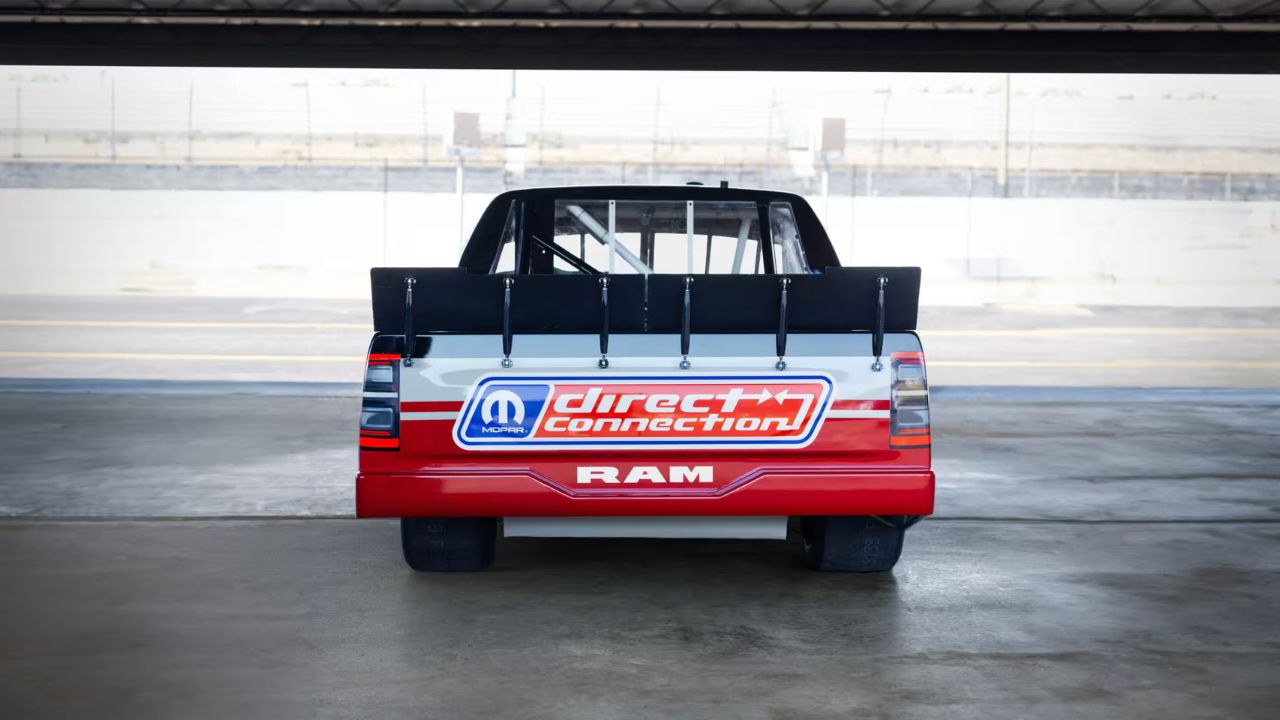
Ram’s not just showing up—they’ve partnered with TRICON Garage, one of the better-organized operations in the series. TRICON has a history of fielding competitive entries and knows how to set up a truck for every track on the calendar.
With TRICON in their corner, Ram has access to deep data, capable crew chiefs, and proven strategies. This isn’t a one-off experiment. It’s a calculated re-entry into serious racing with the right technical team behind it.
The Return Starts at Daytona
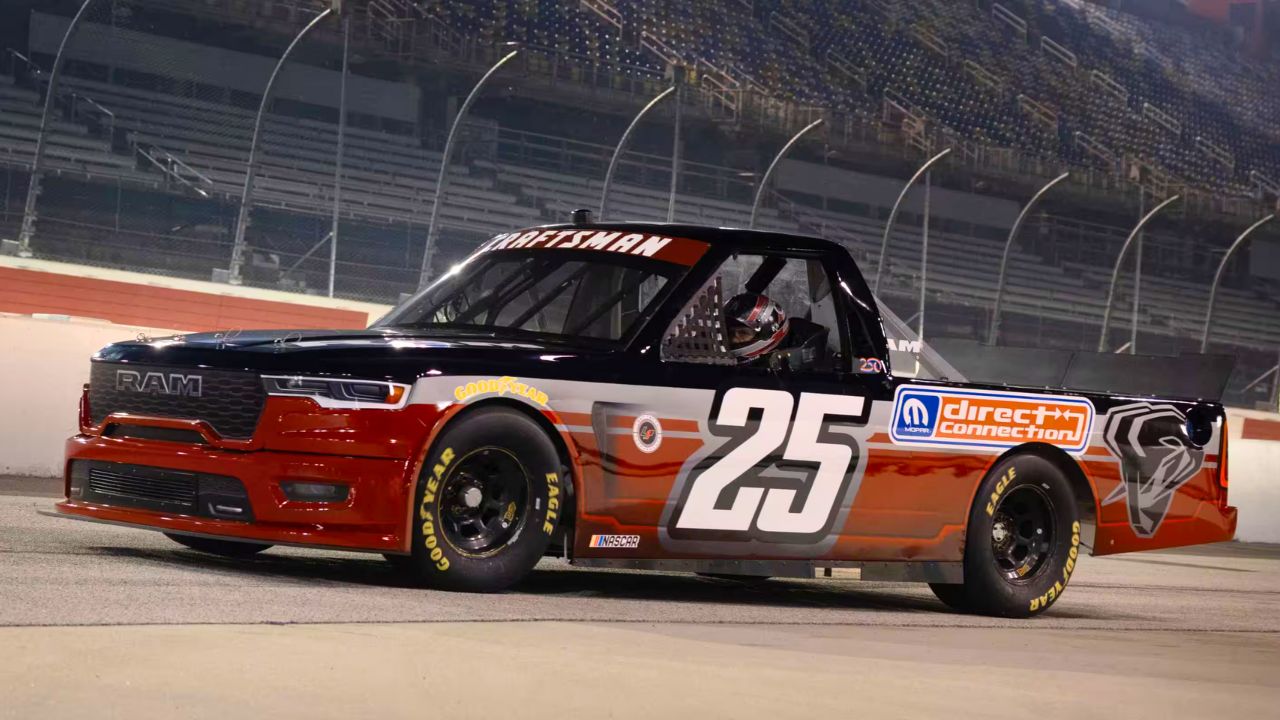
Ram’s return kicks off at none other than Daytona. It’s a gutsy move considering the level of drafting precision and pack racing involved, but it’s a fitting stage for a comeback this big.
The 2.5-mile superspeedway will put the Ram trucks through a high-speed stress test—especially the aero and engine cooling setups. Daytona’s not forgiving, and if the new Ram can hang here, it can hang anywhere.
NASCAR’s Bodies Are Still Brand-Loyal

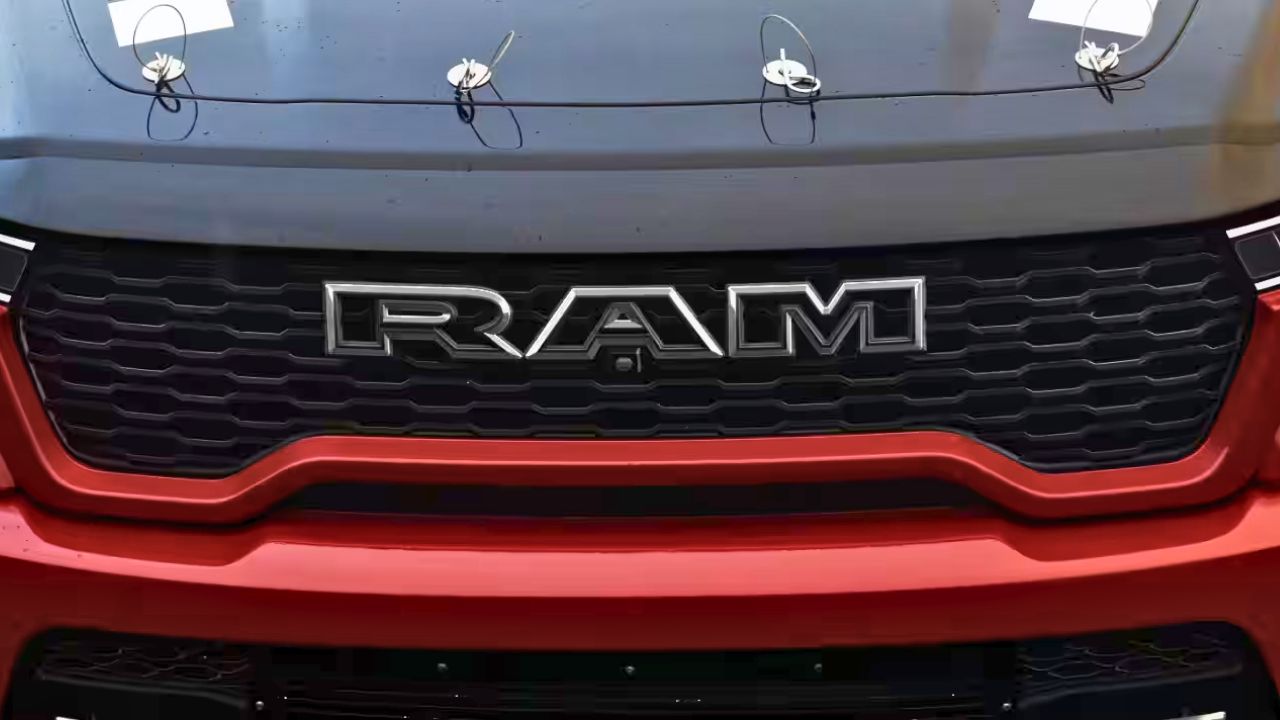
Even though NASCAR trucks are built to spec, the body panels are where the manufacturers show their identity. Ram’s version of the truck keeps the signature crosshair-style grille and aggressive headlight shape.
It’s not just a sticker package either. The nose and tail designs are wind tunnel-tested for real downforce and drag balancing. Ram didn’t want to show up with something generic—it looks like a Ram, and it fights like one too.
Ram Is Betting on the Long Game
This isn’t just a feel-good one-season comeback. Stellantis says it’s in this for the long haul, signaling more investment in racing at multiple levels. That means development over time, more data collection, and possibly expanding Ram’s motorsports footprint.
We may even see crossover tech feeding into future street trucks. It’s not about selling race trucks, but rather using racing as a proving ground for performance tuning, durability testing, and brand heat.
Expect Familiar Faces Behind the Wheel

The driver lineup isn’t just about rookies or underdogs. Ram and TRICON are putting experienced hands behind the wheel—guys who’ve been around the garage and know how to get a truck through traffic at Martinsville or Talladega.
There’s a good mix of strategy and aggression, and the drivers are backed by crews who understand how to adapt on the fly. Pit stops, race strategy, and setup calls are all part of what will make or break Ram’s results.
Suspension Tuning Will Be a Key Factor
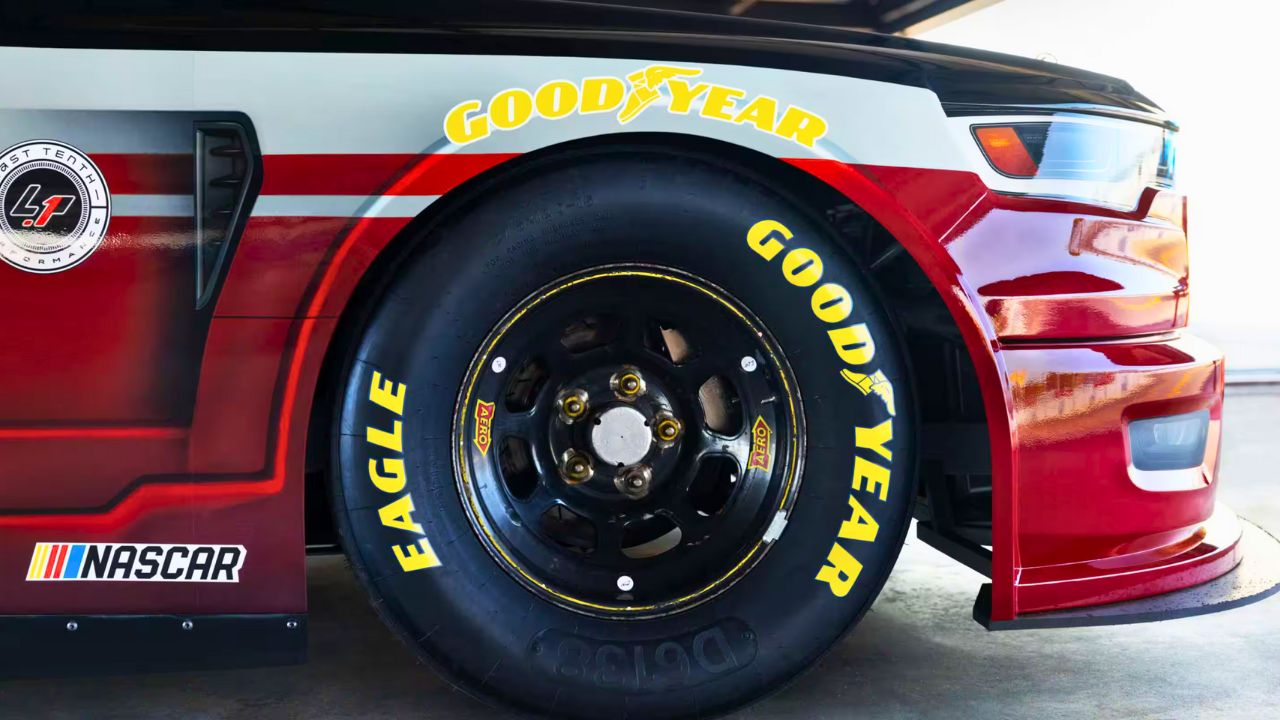
One of the biggest wildcards in the Truck Series is how well a team can dial in suspension across different tracks. From rough short tracks to slick intermediate ovals, every setup is a balancing act.
The new Ram trucks are rumored to run high-rate springs, adjustable dampers, and modular sway bars—all designed to keep the chassis planted without chewing up tires. Getting the ride height, camber, and rebound just right is how races are won, and TRICON knows it.
Ram’s Return Brings Balance Back to the Field

For a while, the Craftsman Truck Series felt like a two-horse race between Chevy and Toyota, with Ford hanging on. With Ram back in the mix, the grid finally feels competitive again, both in terms of manufacturer pride and on-track performance.
It also reopens the conversation about brand loyalty among fans. People who grew up with Dodge and Mopar on the track finally have a reason to watch again—and Ram’s betting that’s going to translate into both track wins and truck sales.
Like Fast Lane Only’s content? Be sure to follow us.
Here’s more from us: