The 1967 Ferrari 365 California Spyder isn’t the car people bring up first in a Ferrari conversation—and that’s exactly why it matters. It didn’t rely on racing stripes, huge scoops, or production bragging rights. It was built in tiny numbers, by hand, for buyers who didn’t need to show off. It was a different kind of Ferrari—more refined, more grown-up, and far more rare.
This was one of the last coachbuilt Ferraris of its kind, borrowing its chassis from the 500 Superfast and its power from a smooth Colombo V12. It was designed for open roads and quiet confidence, not checkered flags. Let’s take a closer look at what makes this understated grand tourer such a standout—without needing to raise its voice.
A Grand Finale for Ferrari’s Coachbuilt Era
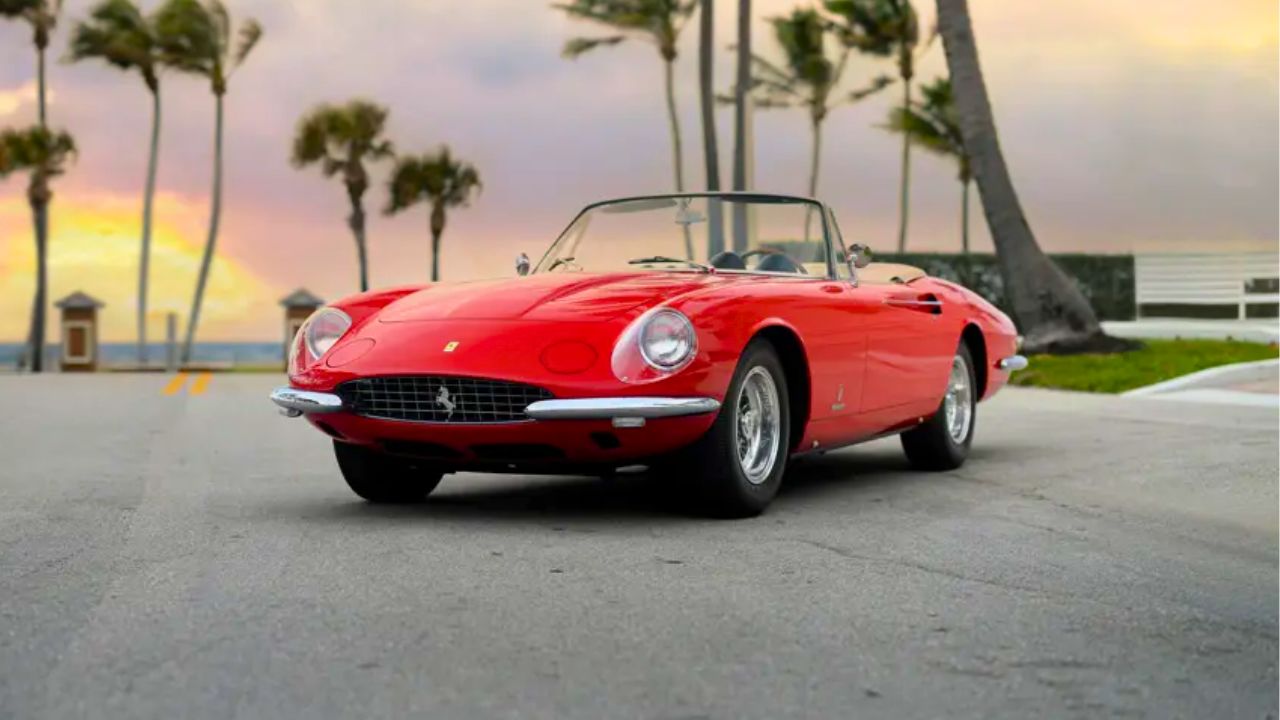
The 1967 Ferrari 365 California Spyder marked the end of an era—just 14 were built, making it one of Ferrari’s rarest front-engine grand tourers. It wasn’t about mass production; this was old-school, hand-built Pininfarina craftsmanship wrapped around serious performance hardware. The long nose, sweeping rear deck, and signature covered headlights gave it presence without shouting.
Under the hood sat a 4.4-liter Colombo V12, putting out around 320 horsepower. It wasn’t just fast—it had that smooth, high-revving character that only a well-tuned Ferrari V12 delivers. Subtle, powerful, and purposefully exclusive.
A Colombo V12 That Loved to Work
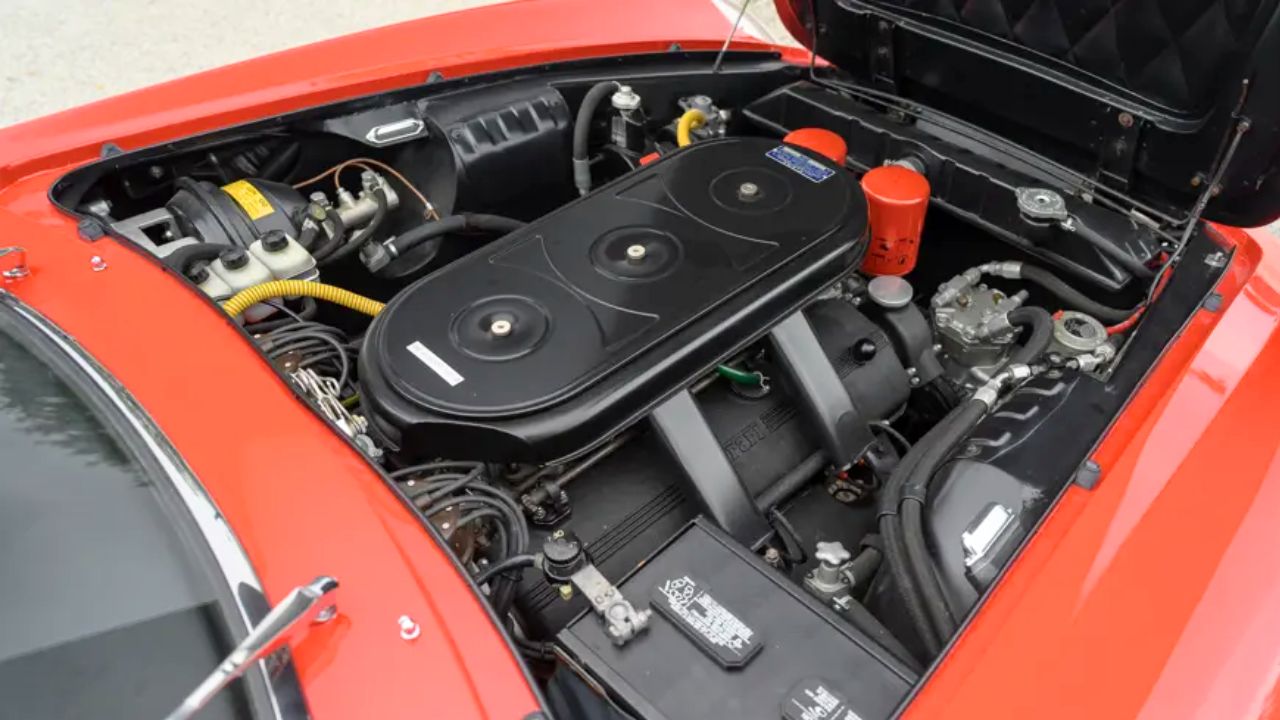
Ferrari used the Tipo 217B engine in the 365 California Spyder—a 4.4-liter version of the Colombo V12. It had three Weber 40 DFI carburetors and pushed out around 320 hp at 6,600 rpm. That meant strong mid-range torque and smooth delivery all the way to redline.
Zero to 60 came in about 6.5 seconds, which was brisk for a luxury drop-top in the late ’60s. More than the numbers, though, it was the way it pulled—refined, responsive, and mechanical in all the right ways.
Built on the 500 Superfast Chassis
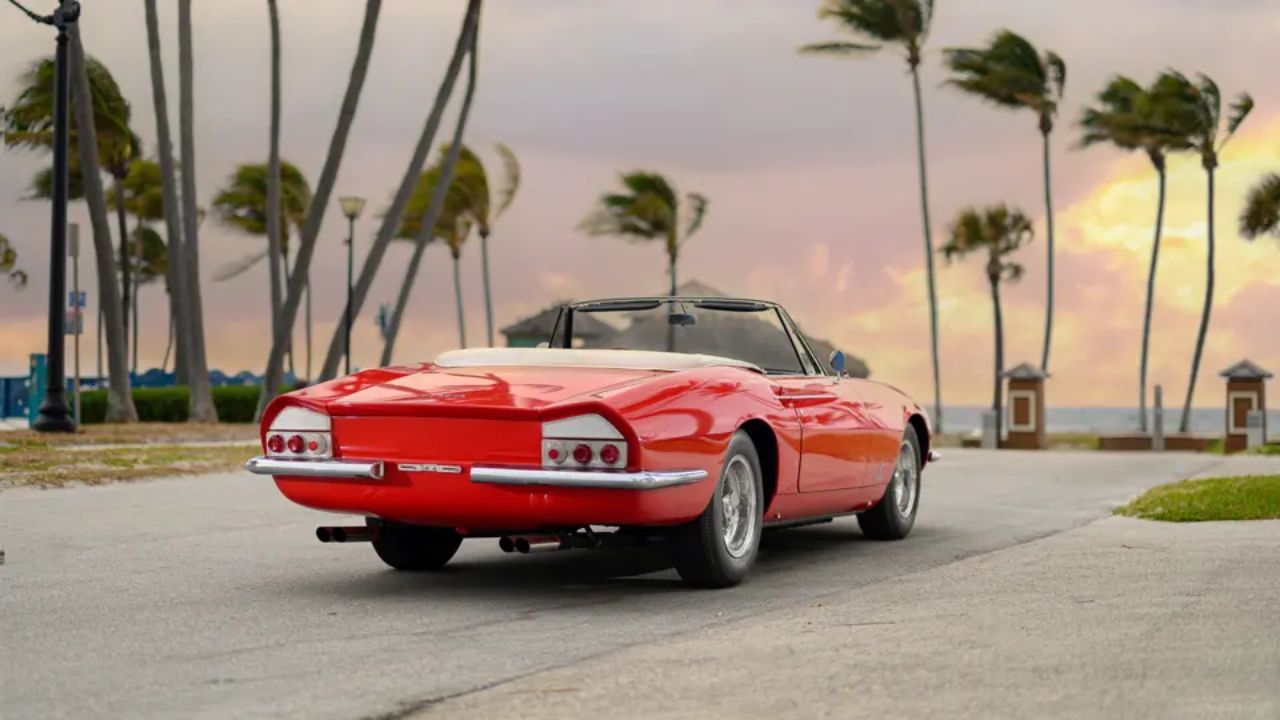
The 365 California borrowed its bones from the Ferrari 500 Superfast. It used the same 104-inch wheelbase, which gave it a planted stance and a smooth ride. This wasn’t a tight-handling sports car, but it wasn’t lazy either. It was designed for long-distance comfort at high speeds.
With independent front suspension, rear live axle with leaf springs, and disc brakes all around, it had modern underpinnings by 1967 standards. It was a true grand tourer—meant for winding coastal roads, not racetracks.
Hand-Finished by Pininfarina
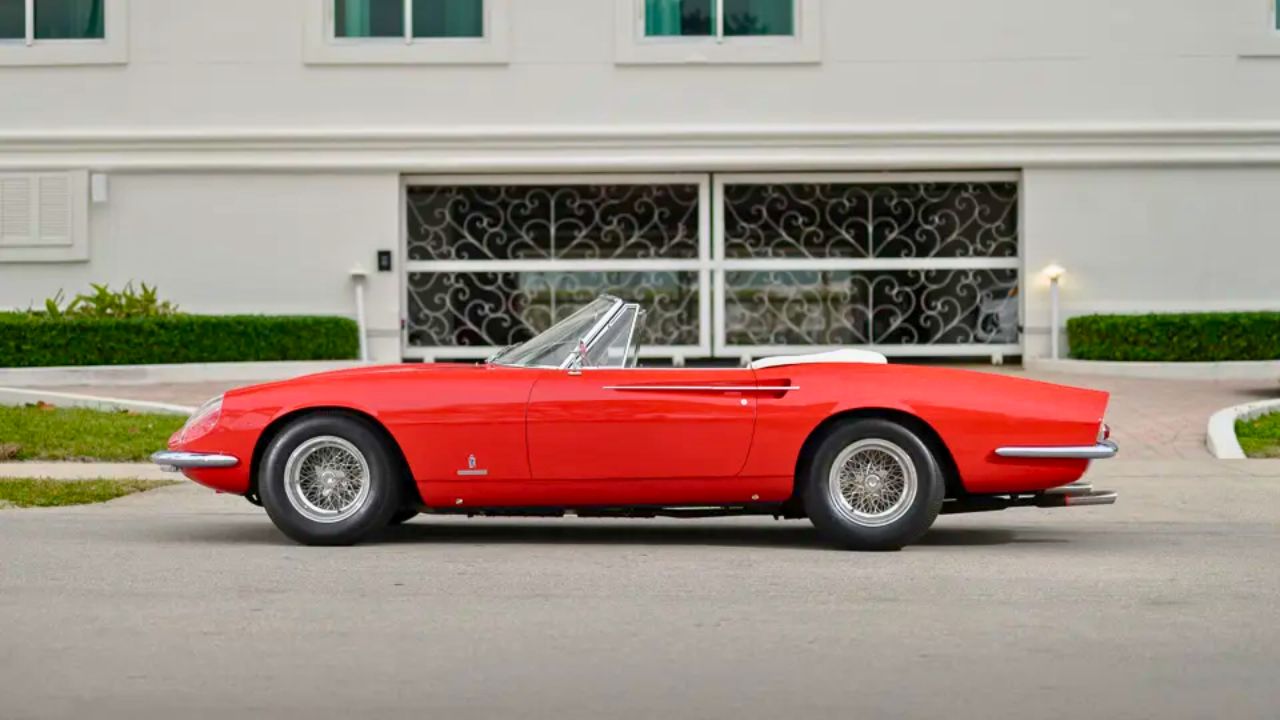
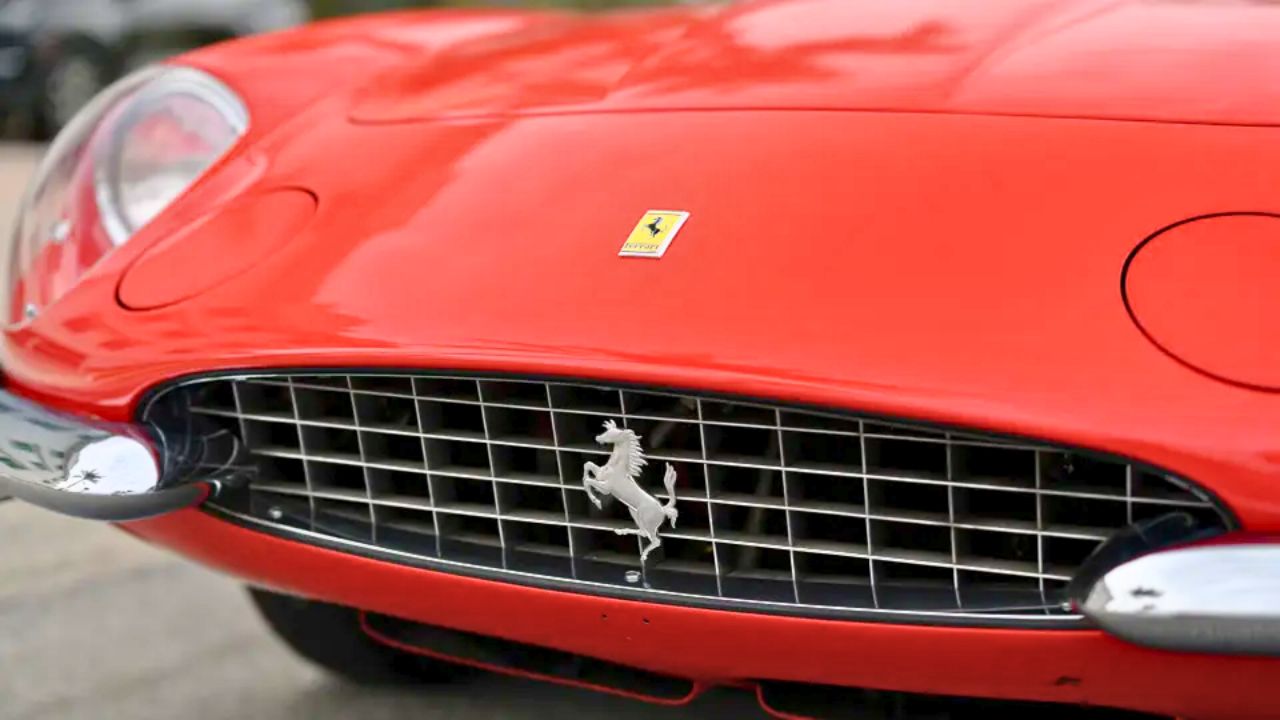
Each 365 California Spyder was finished by hand at Pininfarina’s factory, and no two were exactly alike. The bodywork was aluminum and steel, with signature design cues like vertical tail lights, minimal chrome trim, and a clean, understated grille.
The detailing was subtle but deliberate. From the flush door handles to the tucked-in bumpers, this car looked expensive without relying on gimmicks. It was a visual outlier in a decade of flashier Ferraris, but that’s exactly what gave it staying power.
Luxurious, Not Flashy Inside
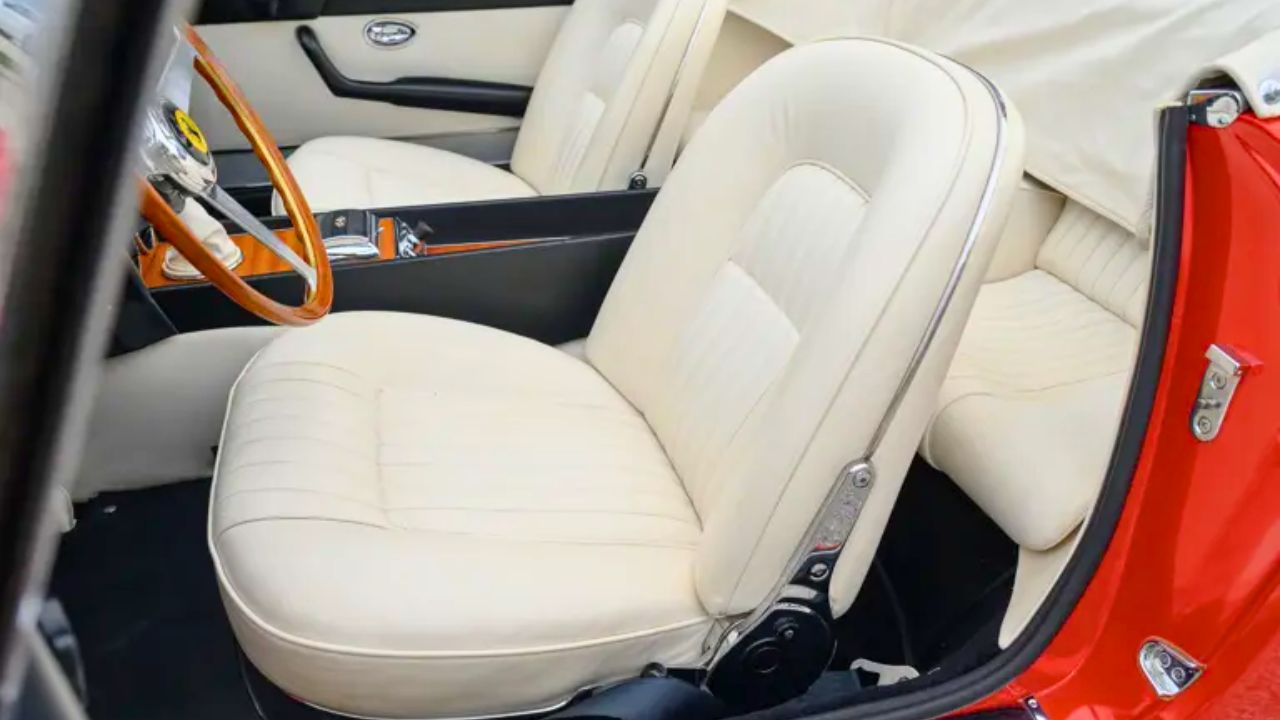
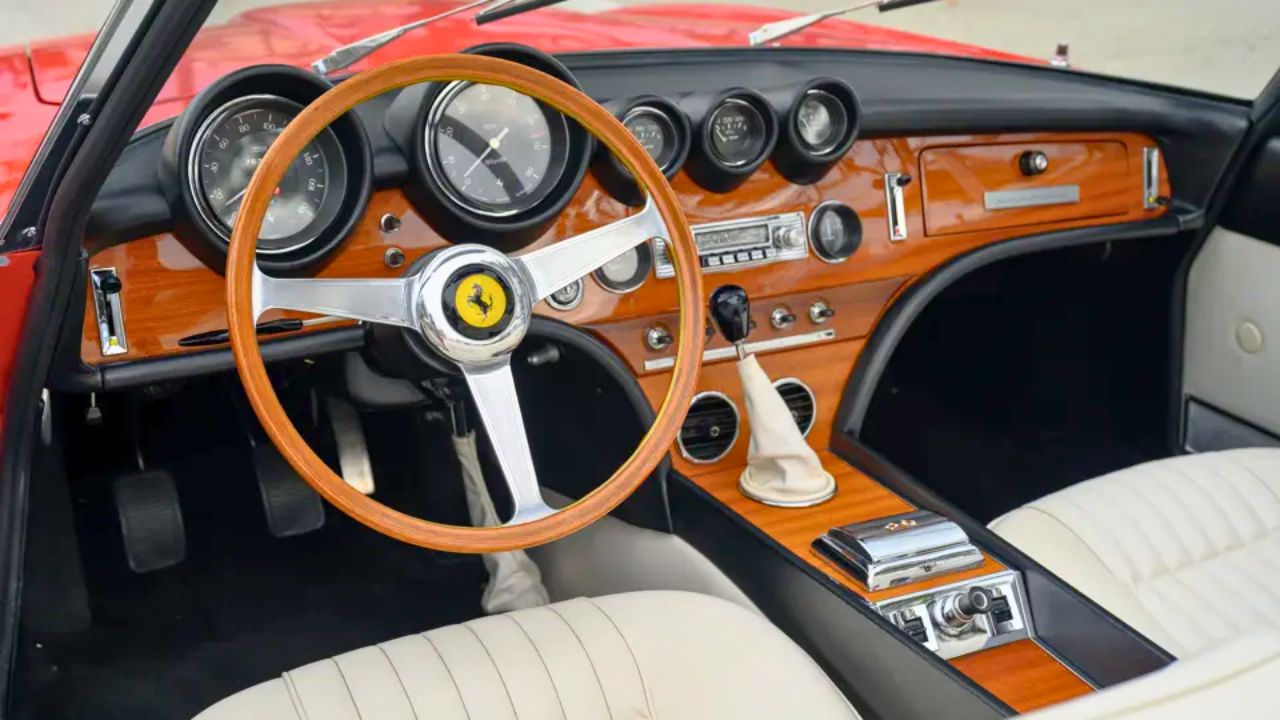
Inside, the 365 California Spyder felt more like a gentleman’s club than a sports car. Leather-wrapped everything, real wood trim, and big, legible Veglia gauges made it feel expensive without being fussy.
The seating position was low and relaxed, the gear lever sat in a gated shifter, and the three-spoke Nardi wheel gave it just the right amount of sporting flavor. It was designed to be used, not just admired—and that showed in the honest, well-appointed interior.
A Ferrari Built for Quiet Wealth
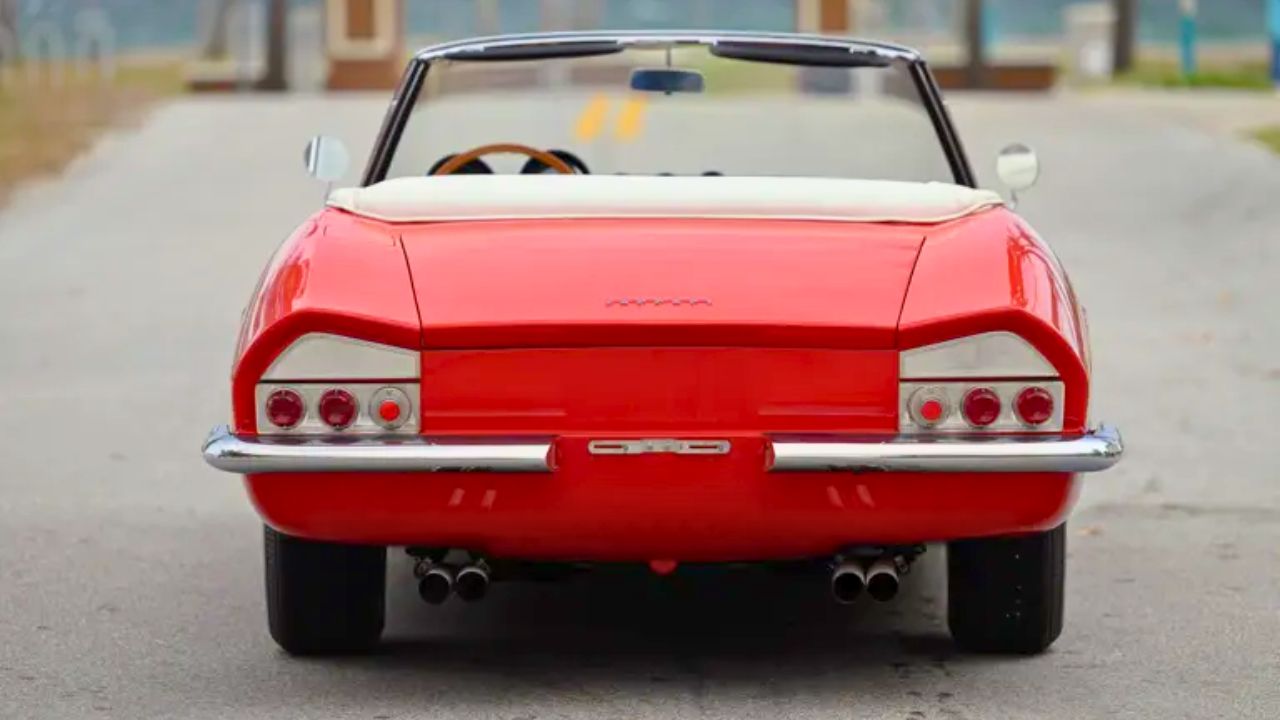
Unlike the more aggressive 275 or later Daytonas, the 365 California Spyder was aimed at a different buyer. It didn’t scream for attention. It was understated and elegant, and its owners often preferred to stay that way.
This was the Ferrari you bought if you didn’t need to prove anything. It had presence, sure, but the kind that came from craftsmanship and engineering—not noise or drama. Even among Ferrari collectors today, it’s the one that tends to quietly hold its value.
Low Volume, High Value
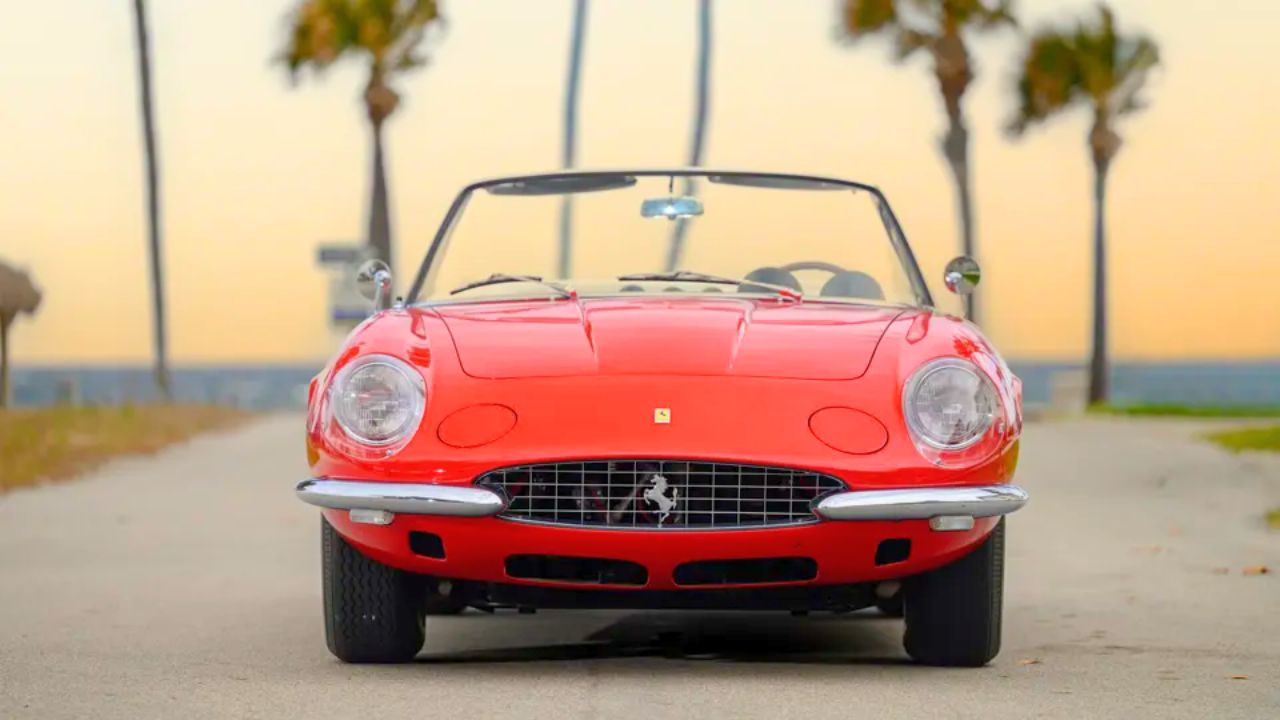
With just 14 units ever produced, the 365 California Spyder is one of the rarest Ferraris from the 1960s. Rarity alone doesn’t always drive value—but here, it does. These cars seldom come up for sale, and when they do, they command serious money.
In recent years, they’ve fetched north of $2 million at auction. But the price is only part of the appeal—it’s the low production and coachbuilt heritage that keep collectors interested. This wasn’t a car you stumbled upon. You had to be invited into that world.
Not Built for the Track—And That’s the Point
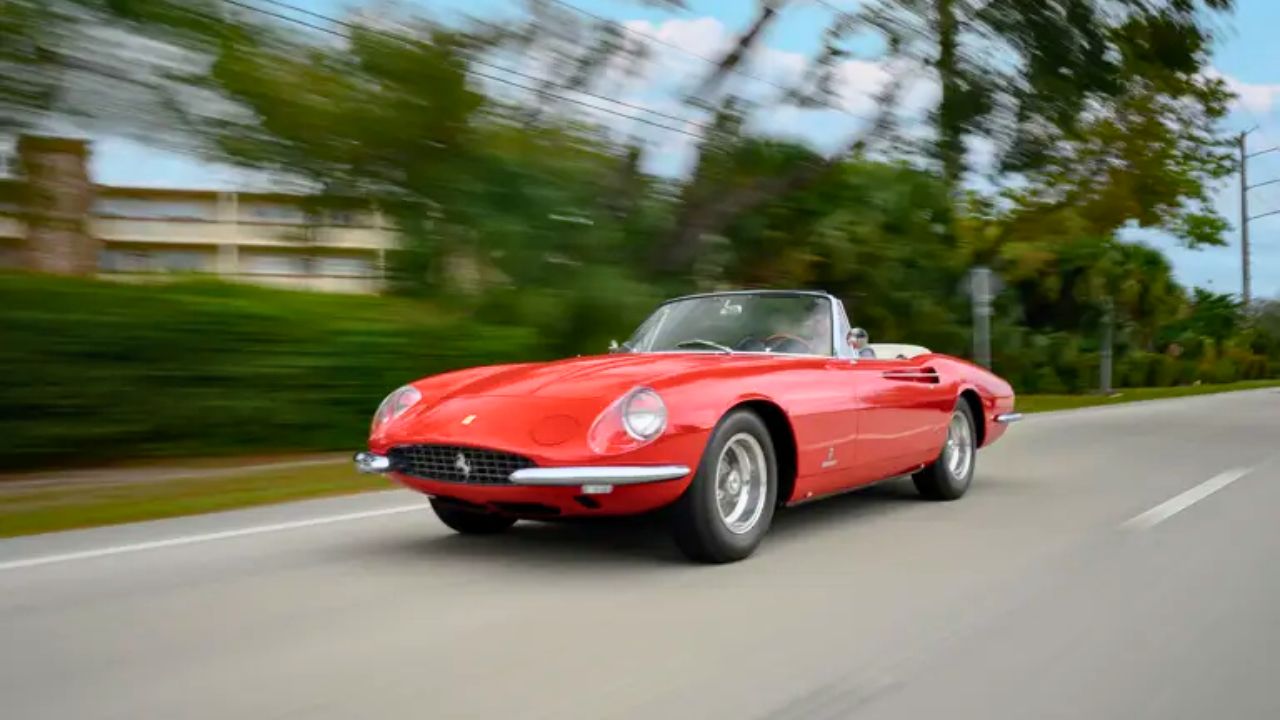
Some Ferraris beg to be tracked. The 365 California Spyder doesn’t. It was meant to be driven briskly on open roads, not pushed to its limit. The suspension leaned more toward comfort, the gearbox was relaxed, and the V12 was happiest cruising at triple-digit speeds.
But don’t confuse that with softness. It had the same precision and feedback you’d expect from Maranello—just dialed into a different frequency. It was built for long-haul enjoyment, not lap times.
A Rare Ferrari That Stayed Off the Radar
Even in Ferrari circles, the 365 California Spyder flies under the radar. It’s rarely talked about alongside the 275 GTB or Daytona, and that’s part of what makes it appealing. It’s a low-profile car that doesn’t chase attention but earns respect from those who know.
Part of the reason is the ultra-low production. Part is the styling—it doesn’t follow the usual Ferrari playbook. And part is its purpose: it wasn’t built for speed alone, but for style and presence, quietly delivered.
A Proper Send-Off to Ferrari’s GT Craftsmanship
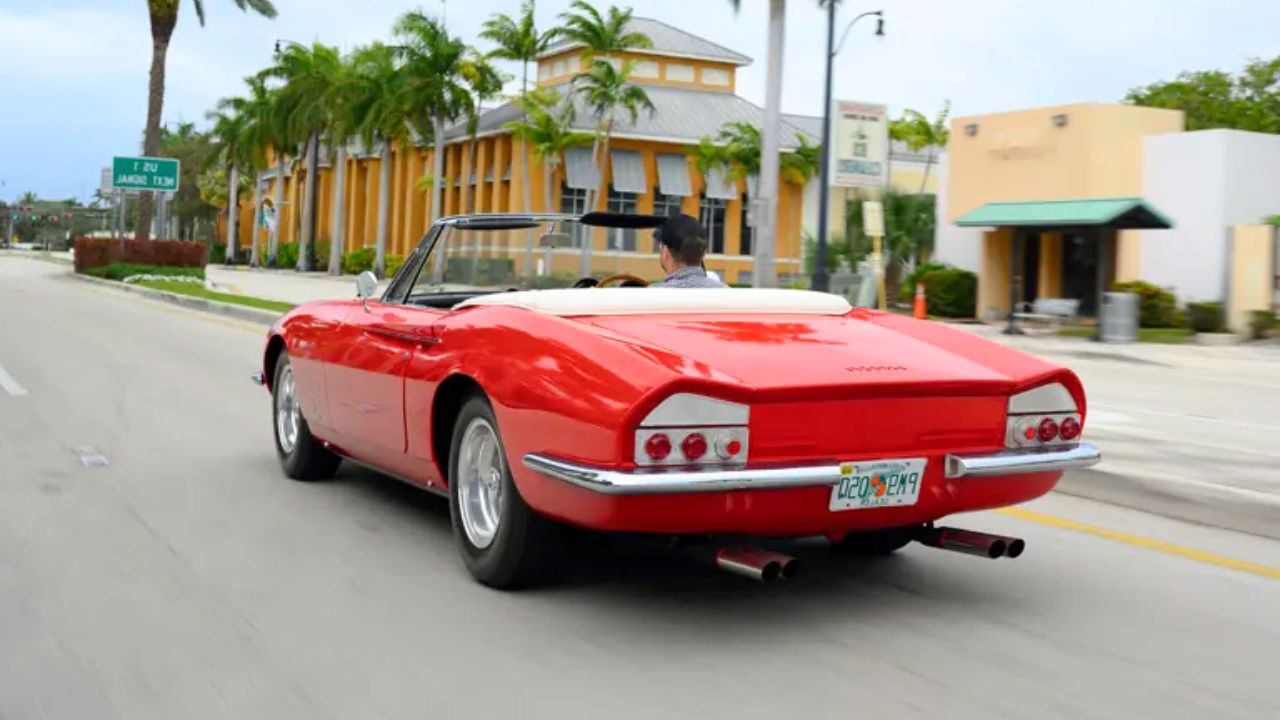
By 1967, Ferrari was moving toward more standardized builds and higher production numbers. The 365 California Spyder was one of the last holdouts of the custom-coachbuilt era. It was a final nod to the kind of car where nothing was rushed, and everything was done by hand.
That’s why it stands out today. Not because it’s the fastest or the loudest—but because it reflects a time when Ferrari was willing to slow down and let its craftsmen take over. That kind of care doesn’t come around often anymore.
Like Fast Lane Only’s content? Be sure to follow us.
Here’s more from us: