Ram’s parent company, Stellantis, has quietly secured a patent that would let its pickups wear a sharply angled bed cap, visually echoing the wedge profile that made the Tesla Cybertruck impossible to ignore. Instead of redesigning the entire truck around a radical shape, the company has found a way to bolt a futuristic silhouette onto a more traditional body. The move signals how far even legacy truck brands are willing to go to chase aero gains and EV-era buzz without abandoning their core formula.
What Stellantis actually patented
At the center of this story is a filing with the United States Patent and Trademark Office for an “Angled Bed Cap for Truck,” a piece of hardware that turns a conventional pickup bed into a sloping, almost triangular form. Rather than a flat tonneau or a simple canopy, the cap rises from the tailgate and climbs toward the cab, creating a continuous line that mimics the kind of geometric roofline that has defined the Cybertruck’s look. Stellantis is not changing the underlying boxy bed, it is layering a new structure on top of it, which is why the patent focuses on the cap itself rather than a full body redesign tied to the frame and sheetmetal of the truck beneath it, as described in the “Angled Bed Cap for Truck” documentation.
The patent material frames this cap as an aerodynamic aid, not just a styling flourish, with the angled surface intended to smooth airflow over the rear of the vehicle and reduce drag. Traditional pickups suffer from turbulence at the back of the cab and over the open bed, which is why so many aftermarket covers and spoilers exist. Stellantis is effectively trying to bake that logic into a factory solution that can be integrated with the truck’s design language and potentially tied into other aero elements, a point underscored in coverage of the angled bed cover that highlights its role in improving aero performance for Stellantis trucks.
How close it gets to a Cybertruck silhouette
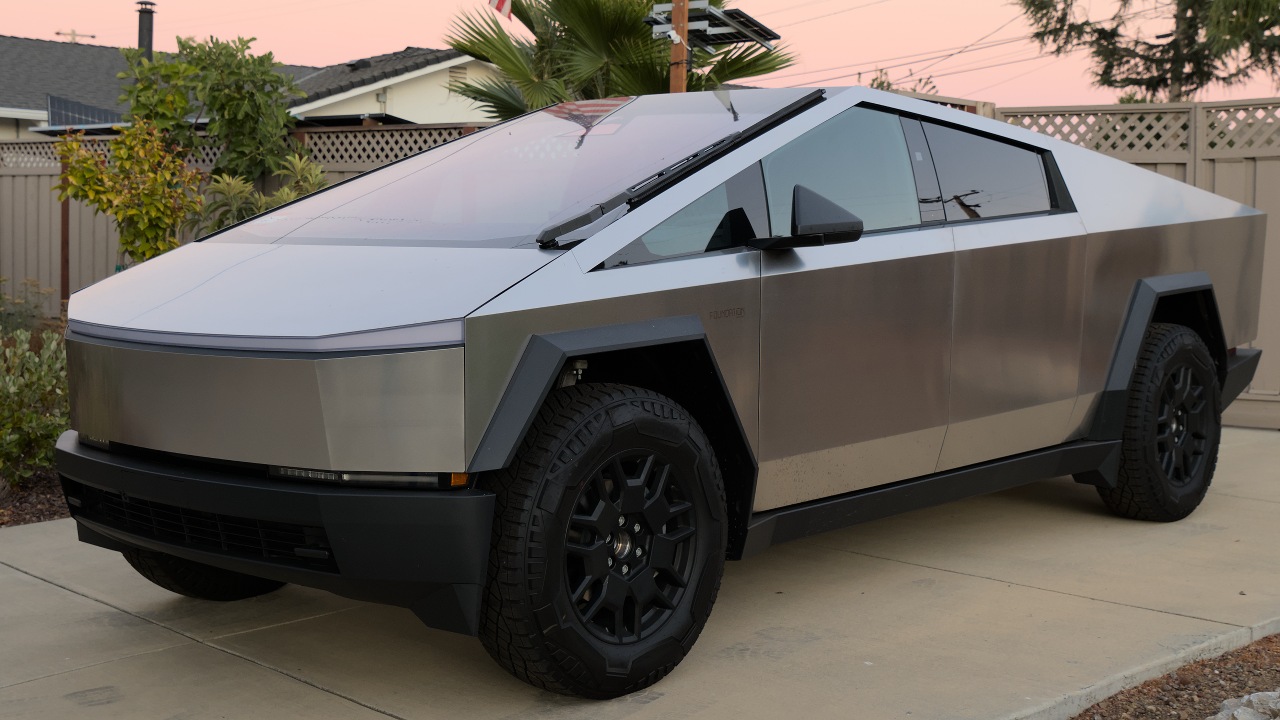
Visually, the most striking thing about the patent is how much it can make a Ram or other Stellantis pickup resemble the angular profile that has come to define Tesla’s entry in the segment. The Cybertruck’s stainless steel body and sharply creased roofline are baked into its structure, while Stellantis is proposing a cap that sits on a more conventional bed, yet the end result from a side view is surprisingly similar. The sloping plane from the top of the cab toward the tailgate creates that familiar wedge, which is why some observers have framed the patent as a way to make Stellantis trucks look more like Tesla’s product, a comparison explicitly drawn in analysis of how the angled cap can push Stellantis designs closer to Tesla’s aesthetic.
There are, however, important differences baked into the patent language. Unlike the Tesla approach, Stellantis is not hinging the entire rear of the vehicle on a radical exoskeleton or structural bed design. Instead, the cap is described as a system that can be added to an existing truck, potentially removable or configurable, and potentially working with features like a rear spoiler to further manage airflow. That distinction matters, because it means Stellantis can chase some of the same visual drama and aerodynamic benefits without committing to the same manufacturing overhaul that Tesla undertook, a nuance highlighted in reporting that contrasts the Cybertruck’s integrated body with Stellantis’s more modular cap system.
Why Ram and Stellantis care about aero now
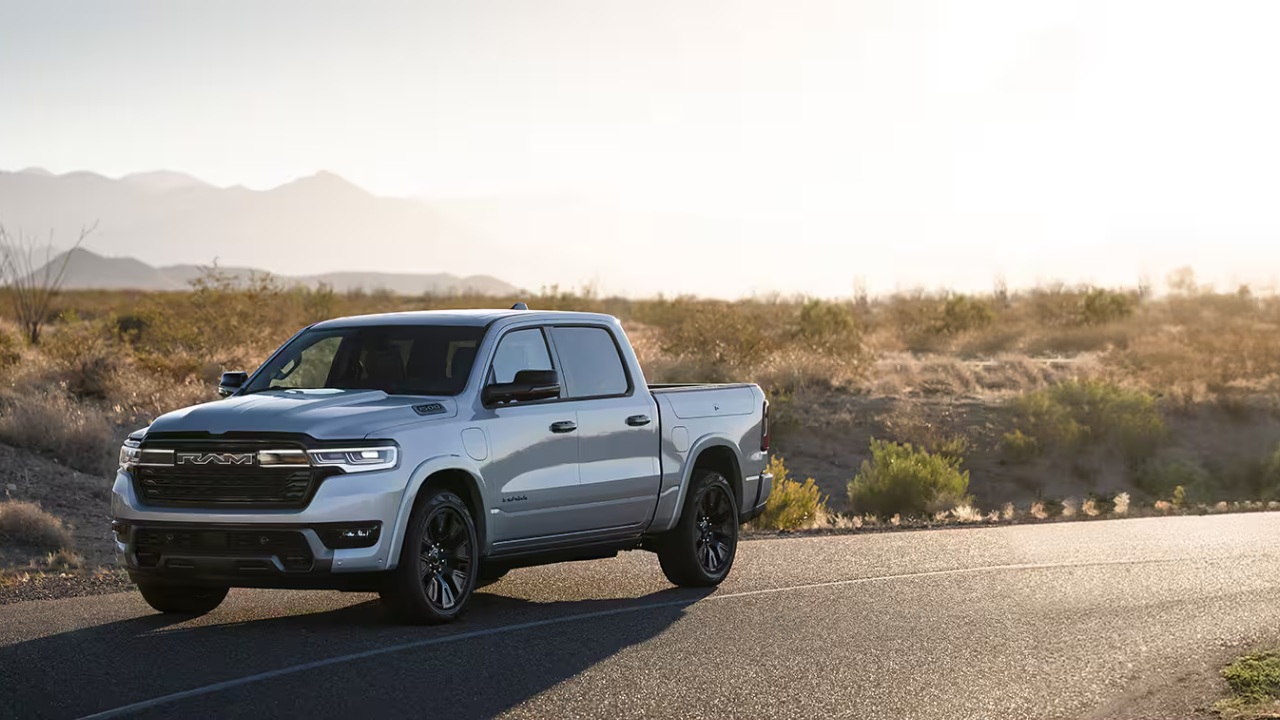
The timing of this patent makes more sense when viewed alongside Ram’s electric ambitions. The Ram 1500 REV is being promoted as “BUILT TO DEFY THE DISTANCE,” with the company emphasizing a “distinctly Ram Brand exterior design” that still has to deliver competitive range and efficiency. Electric pickups are heavy and power hungry, so every bit of drag reduction translates into more usable miles, and a sloping bed cap is a relatively low impact way to trim aerodynamic losses without sacrificing the upright, muscular stance that Ram buyers expect, a balance the official Ram 1500 REV materials stress by pairing range claims with a familiar Ram Brand look.
Stellantis also has to think beyond a single model. The patent is not limited to one nameplate, which suggests the company is exploring a broader aero toolkit for its truck portfolio as emissions rules tighten and electric or hybrid variants spread across Ram and other Stellantis brands. By locking down intellectual property around an angled cap that can be integrated with spoilers or other airflow management pieces, Stellantis gives itself flexibility to adapt the concept to different bed lengths, cab configurations, and powertrains. Reporting on the angled bed cover notes that it is framed as a general solution for Stellantis trucks, not just a one-off styling exercise, which reinforces the idea that aero is becoming a core part of the company’s truck strategy rather than an optional add-on.
Design theater versus functional innovation
There is an unavoidable element of design theater in any move that makes a traditional pickup suddenly resemble one of the most polarizing vehicles on the road. The Cybertruck’s shape has become shorthand for “future truck,” so when a legacy brand patents a way to approximate that outline, it invites questions about whether this is genuine innovation or simply a styling shortcut. The patent’s focus on an angled surface and potential integration with a rear spoiler suggests Stellantis wants to claim real aerodynamic benefits, but it also acknowledges that the visual impact is part of the appeal, a point that comes through in commentary that notes how the angled cap “somehow feels way more futuristic” than a typical bed cover.
From a functional standpoint, the cap could offer more than just aero gains. A sloping, enclosed structure over the bed can improve security and weather protection compared with an open box, while still allowing for creative packaging solutions underneath. The patent’s system framing hints at mechanisms or supports that could let the cap open or be removed, which would preserve some of the utility that truck buyers demand. Coverage of the Stellantis design notes that it is conceived as a system rather than a fixed, welded body panel, which leaves room for features like lift mechanisms or integrated storage, even if those details are not fully spelled out in the public summaries.
What it signals about the next wave of Ram trucks
For Ram specifically, the angled cap patent is a signal that the brand is preparing for a future where its trucks have to look and perform like EVs without alienating buyers who still want a recognizable Ram silhouette. The Ram 1500 REV already walks that line by pairing a “distinctly Ram Brand exterior design” with range focused engineering under the “BUILT TO DEFY THE DISTANCE” banner, and an optional angled cap would fit neatly into that strategy. It would let Ram offer a more futuristic profile to customers who want it, especially on electric or range extended trims, while keeping the core cab and bed architecture familiar for fleet buyers and traditionalists who prefer a classic shape, a dual track approach implied by the way Ram markets the REV as both advanced and recognizably Ram.
More broadly, Stellantis’s move hints at how the pickup segment is evolving under pressure from Tesla and other EV entrants. Instead of ceding the “sci fi truck” space to a single player, Ram and its corporate parent are looking for modular ways to experiment with form and function, using patents like the angled bed cap to secure options they can deploy as market tastes and regulatory demands shift. The fact that the company has gone to the trouble of protecting an “Angled Bed Cap for Truck” concept, and that analysts are already comparing it to Tesla’s approach while noting key differences, suggests that the next generation of Ram trucks will not just be about batteries and motors. It will also be about how far a legacy brand can stretch its design language toward the future without losing the identity that made its pickups successful in the first place.
More from Fast Lane Only: