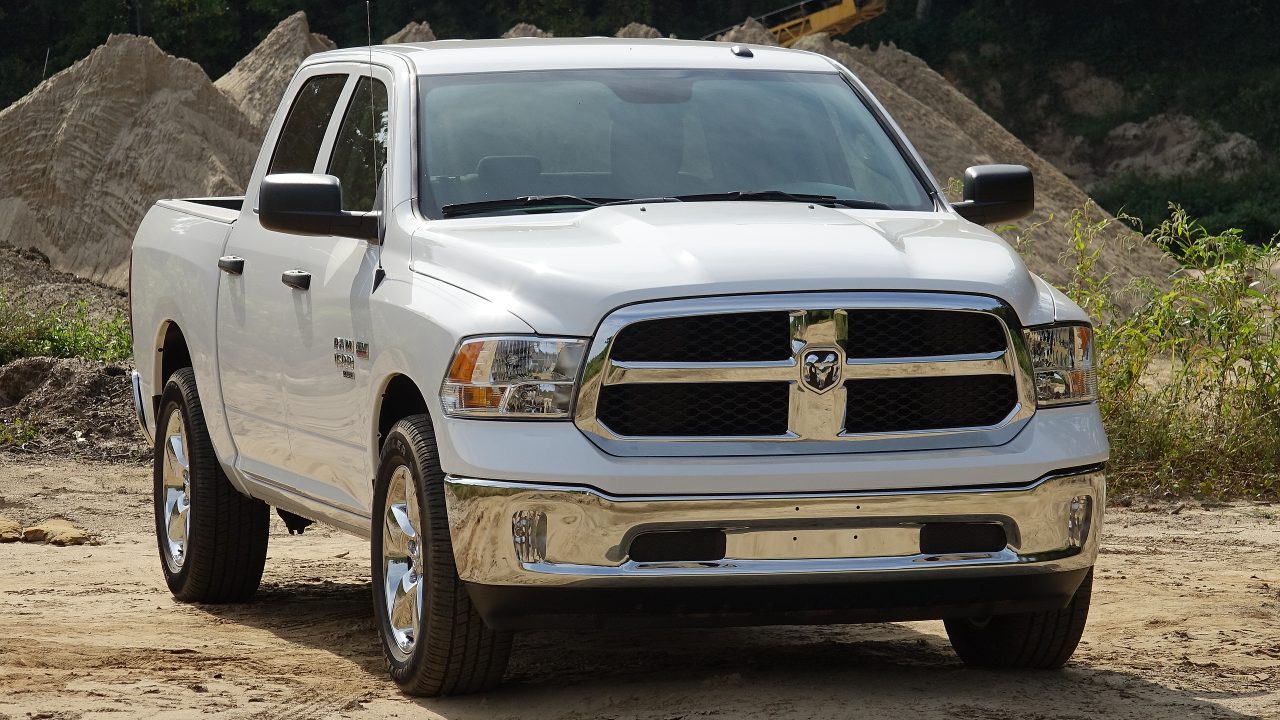
Ram’s decision to replace its beloved Hemi V-8 with a twin-turbo inline-six was always going to be a lightning rod for truck fans. Yet in instrumented testing and spec sheet comparisons, the new Hurricane turbo six is not just matching the old guard, it is outpacing it in the areas that matter most to performance and efficiency minded buyers. The numbers now on record show that sentiment and sound favor the Hemi, but measurable results lean decisively toward the Hurricane.
What is emerging is a clear split between nostalgia and data. The Hemi V-8 still delivers the classic rumble that defines generations of Ram pickups, but the Hurricane’s combination of power, torque, and fuel economy is reshaping what a full size truck engine can be. I see a pattern in the reporting that is hard to ignore: when stopwatches and fuel pumps get involved, the turbo six keeps pulling ahead.
Power, torque, and the spec sheet story
On paper, the Hurricane was engineered to win this fight. In its twin-turbo inline-six layout, The Hurricane is listed with between 400 and 500 horsepower and between 450 and 475 lb-ft of torque, depending on tune, which immediately puts it ahead of comparable Hemi V-8 options in the Ram 1500 lineup. That spread gives Ram room to tailor output for different trims while still keeping the turbo six at the top of the internal hierarchy. When I look at those figures against the traditional V-8, it is clear the company did not treat this as a lateral move, but as a step change in capability.
The Hemi V-8s, by contrast, are described as trailing the Hurricane in both peak power and torque, even before considering the effect of altitude or temperature on naturally aspirated engines. Reporting that walks through the comparison notes that the new inline-six brings more power, better fuel economy, and a tighter, more modern performance envelope than the outgoing V-8. When I line up those claims with the specific horsepower and torque bands already quoted, the conclusion is straightforward: the Hurricane is not a compromise for emissions or efficiency, it is a higher performing replacement that happens to be more efficient as well.
Real-world acceleration: the stopwatch verdict
Spec sheets are one thing, but the clearest evidence that the Hurricane has eclipsed the Hemi comes from measured acceleration. In controlled testing of Ram 1500 models, the standard Hurricane has been recorded as quicker to 60 M than the Hemi V-8, even though the V-8 retains its reputation for a more evocative exhaust note. One detailed comparison notes that the Hurricane powered truck simply reaches highway speed sooner, despite carrying the burden of expectations that a turbo six could never feel as muscular as a big displacement eight. That gap in acceleration is not a rounding error; it is the kind of difference drivers feel every time they merge or pass.
Further testing of higher output versions of the Hurricane reinforces that point. In performance-oriented trims, the twin-turbo six has delivered a 4.2-second pass in instrumented runs, a figure that would have sounded like sports car territory for a full-size pickup only a few years ago. When I compare that to the best numbers associated with the Hemi in similar configurations, the older engine simply does not keep up. Reporting that frames the matchup as a straight fight between the returning Hemi and the new turbo six concludes that the sentimental favorite has been outgunned where it counts most for performance testing.
Efficiency, weight, and the modern truck mission

Beyond raw acceleration, the Hurricane’s advantage extends to how far each gallon of fuel takes a Ram 1500. Coverage of the standard Hurricane configuration notes that it combines strong output with better fuel economy than the Hemi, with city and highway ratings that outpace the V-8’s thirstier figures. One report highlights the standard Hurricane’s 469 pound-feet of torque and improved mileage compared with a Hemi powered truck rated at 15 city and 21 highway, underscoring that the turbo six is not just quicker but also less demanding at the pump. For owners who tow, commute, or do both, that combination of torque and efficiency is a practical upgrade.
Weight is another area where the inline-six layout pays dividends. Detailed comparison testing points out that The Hurricane powered Ram 1500 weighs less than its Hemi counterpart, with the V-8 trucks carrying an extra 160 to 210 pounds according to the Bench Racing analysis. There is no V-8 equivalent in the current Ram 1500 range that can match the Hurricane’s blend of output and mass. That lighter nose helps with payload and gross vehicle weight ratings, and it also improves ride and handling, especially when the truck is unladen. When I factor in the reduced fuel consumption and lower engine weight together, the Hurricane looks like a better fit for the way many owners actually use their trucks today.
Driving character: sound, response, and everyday feel
Numbers alone do not capture why some buyers still gravitate toward the Hemi, and the reporting is candid about that. Evaluations of Ram 1500 models that sample both engines consistently note that the Hemi V-8 Sounds Better Than the Hurricane Turbo Six, with a deeper, more traditional truck soundtrack that enthusiasts associate with power and durability. That auditory character matters, especially to long time Ram owners who have lived with V-8s for decades. When I read those impressions alongside the performance data, I see a clear tradeoff: the Hemi wins the emotional sound battle, but the Hurricane delivers the stronger shove.
From behind the wheel, though, the turbo six appears to narrow even that gap. Testers describe the Hurricane as providing more immediate torque and a tighter, more modern performance feel, with the twin turbos filling in the low and mid-range where drivers spend most of their time. The comparison emphasizes that the new engine brings more power, better fuel economy, and a more responsive character overall. When I weigh those traits against the Hemi’s strengths, it becomes clear why some reviewers argue that the idea that turbocharged engines do not last is outdated, and that the Hurricane’s everyday drivability is a strong argument in its favor even for skeptical V-8 loyalists.
What it means for Ram buyers and the V-8 legacy
For shoppers trying to decide which Ram 1500 engine to buy, the recent wave of testing offers a fairly direct answer. Analyses that ask which engine is the best choice conclude that The Hurricane I-6 in the red truck makes more power and torque, weighs less, and returns better fuel economy than the Hemi V-8 alternatives. There is repeated emphasis that There is no V-8 equivalent in the current lineup that can match this combination of attributes. When I synthesize those findings, the pattern is consistent: if a buyer prioritizes measurable performance and efficiency, the turbo six is the rational pick.
That does not erase the Hemi’s cultural weight. Reporting that frames the matchup as “Let Get Ready Rumble” between Hemi tradition and Hurricane innovation acknowledges that the returning Hemi in the Ram 1500 remains the sentimental favorite among enthusiasts. Yet the same coverage concludes that the twin-turbo six beats the legendary V-8 in new testing, delivering quicker passes and stronger objective results. From my perspective, that leaves the Hemi as an icon whose time at the top of the Ram hierarchy has passed. The Hurricane has taken over as the brand’s flagship engine not by marketing sleight of hand, but by outperforming the V-8 in power, acceleration, efficiency, and everyday usability, even if it has to concede the soundtrack to the old guard.
More from Fast Lane Only: