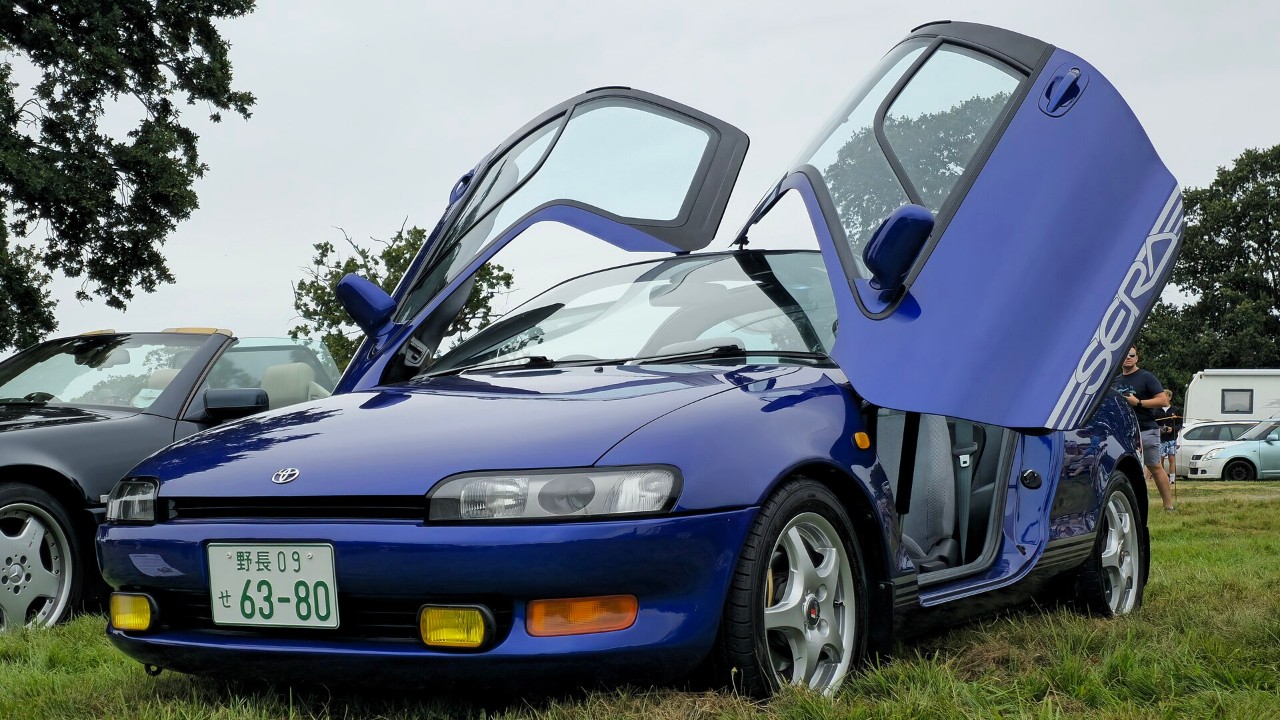
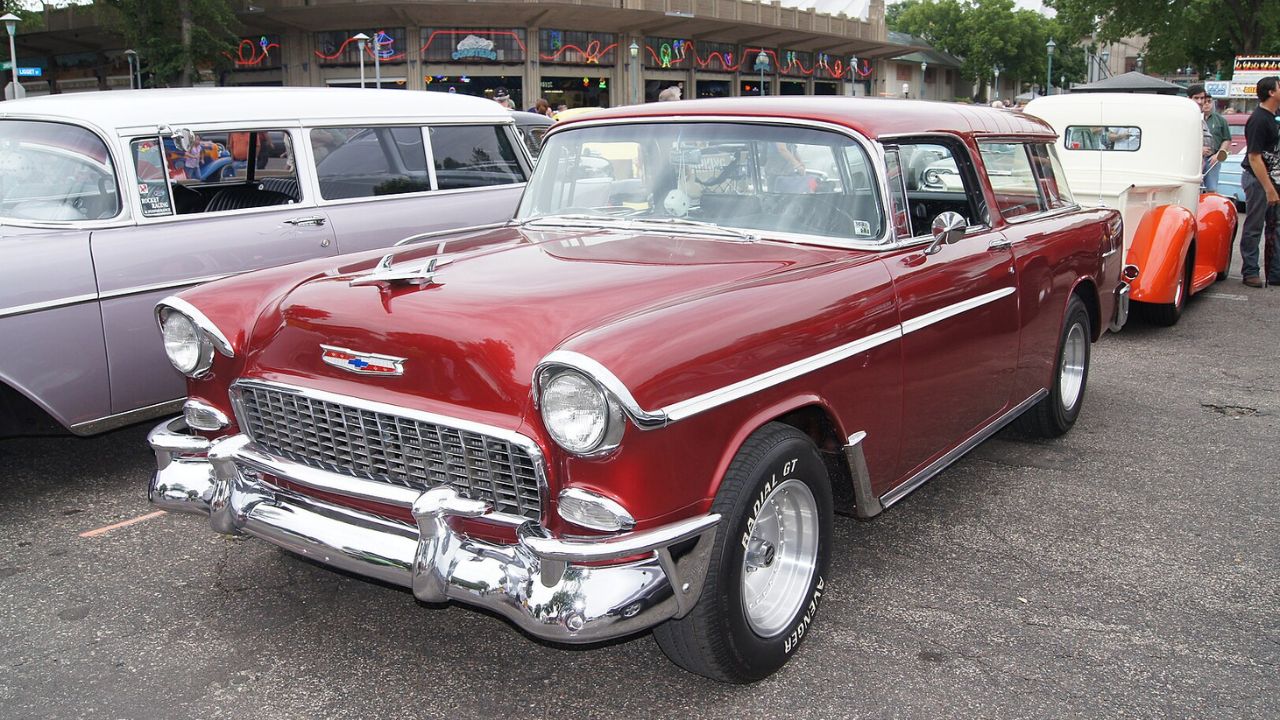
The Riley Nine made a small Coventry company famous between the wars, and its engine still draws a crowd when the bonnet goes up. Riley began as The Riley Cycle Company in 1896. Then Lord Nuffield bought it in 1938, and British Leyland announced the end of Riley production in July 1969.
So the cars are old, British and fairly scarce in America. That is exactly why a clean one stops people at a show. These are our picks, and the verdicts are our own take.
1. 1931 Riley Nine Biarritz

Riley sold the Biarritz as its de luxe saloon from 1929 to 1932. However, the real show is under the bonnet. Percy Riley designed the 1,087 cc four with hemispherical combustion chambers and valves set at 45 degrees. Meanwhile, two camshafts sat high in the block and worked the valves through short pushrods. That clever layout gave the Riley Nine more punch than most small cars of its day. In our view, a Biarritz with its bonnet open draws more questions than any chrome-laden cruiser nearby.
2. 1934 Riley Lynx 9HP tourer

The Lynx was the Nine’s four-seat tourer, built from 1933 to 1936, and it later gained four doors. That makes it the sociable Riley, with room for friends and the top folded down. Also, Riley offered a preselector gearbox for £27 extra in 1934. Show-goers rarely see that option on a small British car. We like a Lynx because it looks ready for a picnic, not a museum shelf.
3. 1935 Riley Imp
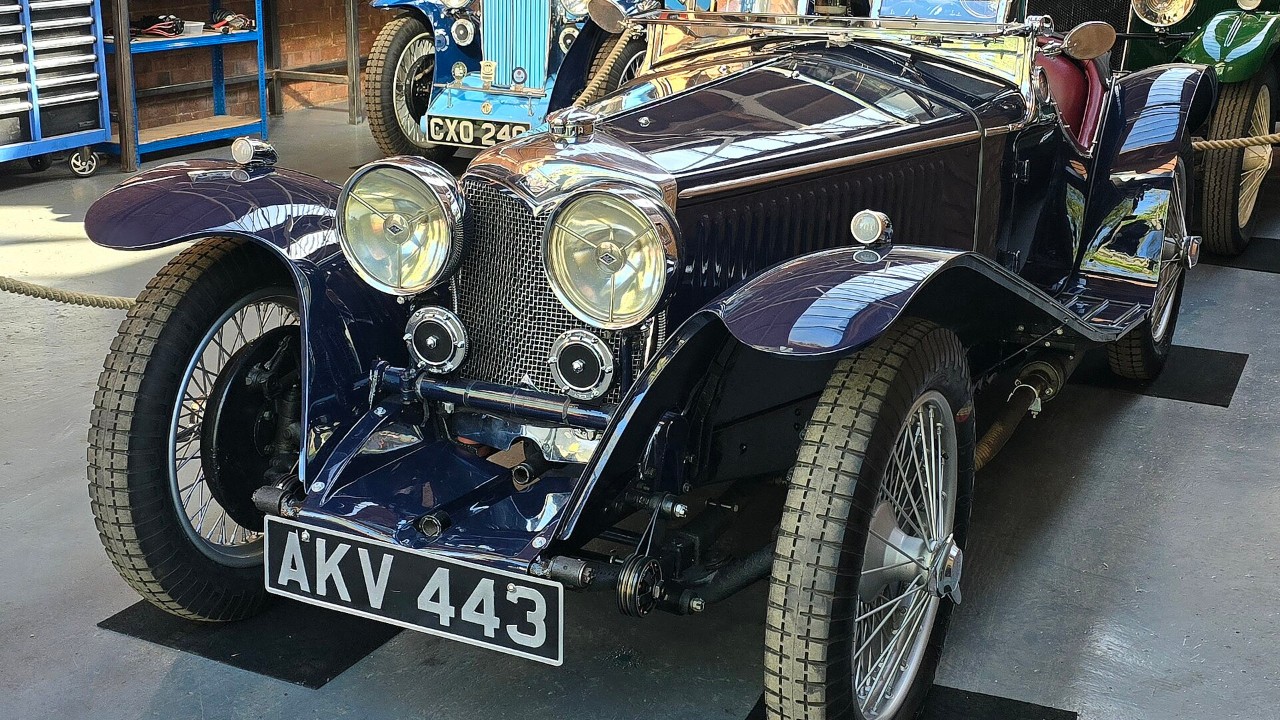
Riley showed the Imp prototype at the 1933 Motor Show at Olympia in London. Production then ran from 1934 to 1935. Those swept-back wings are the reason people walk over, because few small sports cars look this eager standing still. It had racing credentials, too. Kay Petre and Dorothy Champney finished 13th at Le Mans in 1934 in an Imp with a standard body and a competition chassis. For us, the Imp is the Riley that wins the photo line.
4. Riley MPH

Only about 15 MPH two-seaters are believed to have been made, and roughly 14 originals are thought to survive. It cost £550 new, which was serious money for a small sports car. Under that long bonnet sat a six-cylinder engine of up to 1,726 cc, good for about 90 mph. In addition, the windscreen folded flat to cut drag. Many replicas exist, so an original MPH at a show earns a long look and a few careful questions.
5. 1934 Riley Kestrel 1100 saloon

The Kestrel was the Nine’s four-light streamlined saloon, sold from 1933 to 1936. Its sloping tail looked modern next to the upright boxes most rivals still built. In fact, Riley trimmed the 1935 Nine range down to just three cars, and the Kestrel survived the cut. We think it is the most elegant small saloon of its decade. It also proves a family car could look fast parked on the lawn.
6. 1936 Riley Sprite

The Sprite took over from the MPH and used that car’s chassis. Riley built it from 1935 to 1938, mostly with four-cylinder engines and a six as an option. Its racing success, especially in T.T. Sprite form, carried weight inside the company. As a result, Riley used the Sprite name for the sportiest Kestrel saloon. In our book, the Sprite is the car that taught Riley’s family saloons to dress up.
7. 1948 Riley RMB saloon
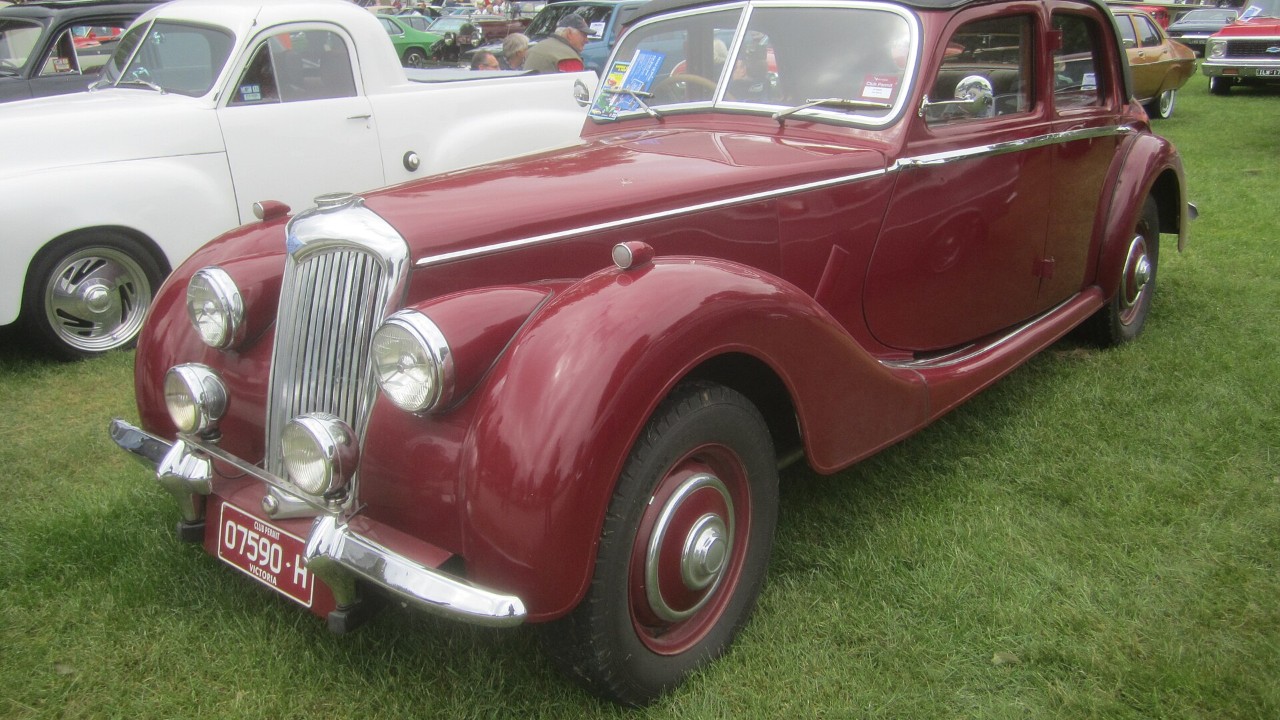
The RMB arrived in autumn 1946 with Riley’s 2,443 cc “Big Four” engine. It made 90 bhp at first, then 100 bhp from May 1948. Torsion-bar front suspension and rack-and-pinion steering kept it sharp for its size. Also, The Autocar praised it in 1949 as “One of the very highest all-round performances available in any car of the present time.” That long bonnet and swooping wing line still turn heads, so we would park one up front.
8. Riley Pathfinder

The Pathfinder replaced the RM saloons in 1953 and stayed in production until 1957. Gerald Palmer designed its all-steel, six-seat body on a perimeter chassis. Meanwhile, the final version of the 2,443 cc Big Four made about 110 bhp. BMC later reworked the design as the Wolseley 6/90. Because many fans call the Pathfinder the last real Riley, owners at a show usually have a story ready about it.
9. 1959 Riley One-Point-Five

Riley built 19,568 of these from 1957 to 1965, while Wolseley built 103,394 of its 1500 twin. The Riley got twin SU carburettors and about 68 hp from its 1,489 cc B-Series four. It also used the Morris Minor’s floor pan and an MG Magnette gearbox. In 1961, The Motor timed one at 82.4 mph. People still race and rally them in historic events, so we read it as a family car with a competition streak.
10. 1968 Riley Elf Mark III
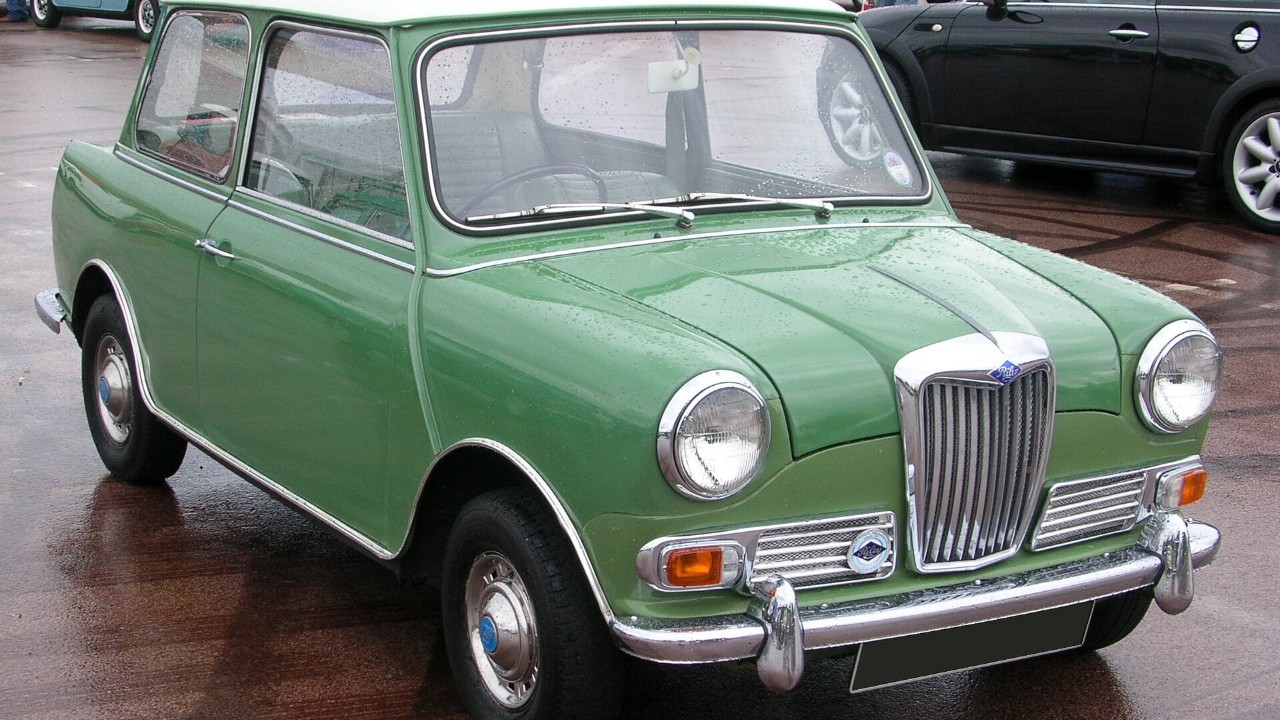
The Elf was the Mini in a three-piece suit, and the Mark III is the most civilized version. It arrived in 1966 with wind-up windows and concealed door hinges. Its long boot, small fins and vertical-bar grille made it look nothing like a basic Mini. Riley and BMC built 30,912 Elfs across three Marks before production ended in 1969. That year Riley itself disappeared, so the Elf closed the book on the marque.
More from Fast Lane Only