Collector car values are finally coming off the boil, and that shift gives you a rare chance to get into the hobby without bidding against speculative money. Instead of watching air-cooled icons and muscle cars climb out of reach, you can now find more realistic prices, more negotiating power, and a wider choice of usable classics. If you have been sitting on the sidelines, the cooling market is turning the dream of a fun older car from fantasy into a workable plan.
To take advantage, you need to understand what is actually softening, where prices are holding up, and how to avoid turning a “cheap” classic into an expensive mistake. With the right strategy, you can use this reset to buy better cars, budget smarter for repairs, and choose models that fit your skills, your space, and your wallet.
What the cooling market really looks like
You are not imagining it: the collector market is easing after a pandemic surge that pushed even ordinary cars into auction headlines. Analysts tracking the Hagerty Price Guide describe a shift from rapid appreciation to a flatter pattern, where many models now hold steady or slip slightly between updates instead of climbing every quarter. That flattening is most visible in higher-end segments that previously saw aggressive bidding, which leaves more room for you to negotiate on cars that were recently treated as guaranteed investments.
The same trend shows up in broader market gauges. The Hagerty Collector Car has fallen to its lowest level in nearly 15 years, signaling a cooler environment across auctions and private sales. Another analysis of auction outcomes notes that the ratio of vehicles posting value increases versus decreases has slipped significantly from its peak, especially for cars valued above $250K, which confirms that the speculative top of the market is soft. For you, that translates into less fear of missing out and more time to inspect cars properly before you commit.
Why values are softening, not collapsing
To use this moment wisely, you need to see it as a recalibration rather than a crash. One detailed review of recent data points out that, historically, the Hagerty Price Guide shows most vehicles staying flat between updates, and that the wild spikes of the pandemic years were the exception. As interest rates rose and stimulus money faded, speculative buyers stepped back, which left prices to normalize after a historic surge rather than fall off a cliff. You are seeing gravity return, not the end of the hobby.
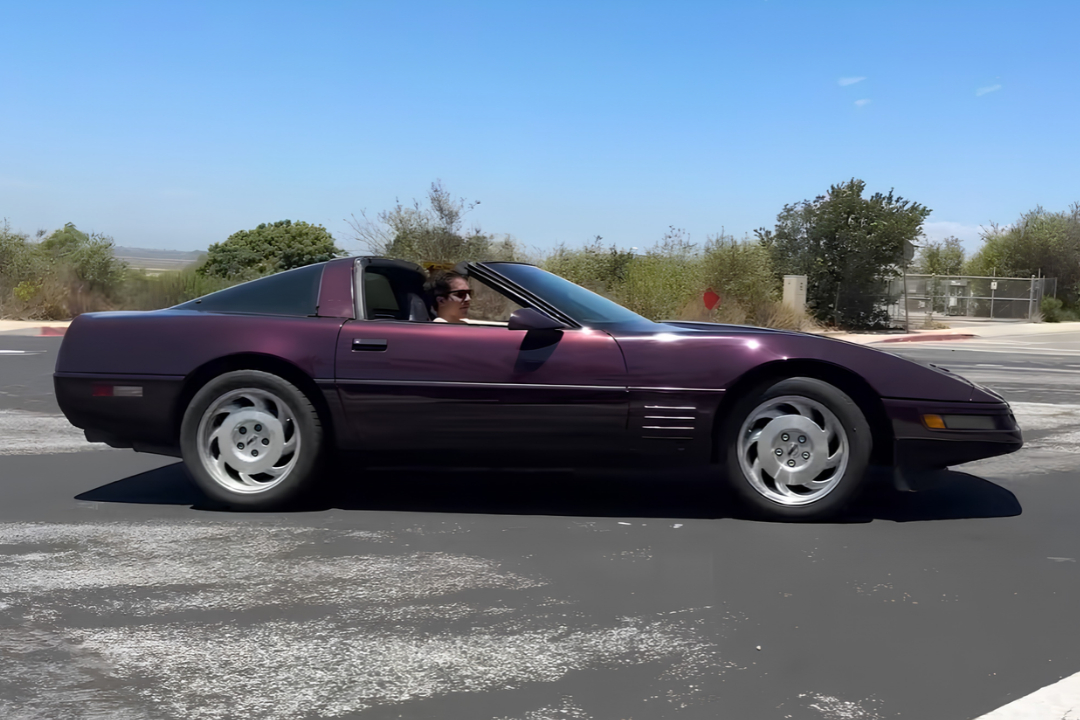
Other forces are changing which cars are most desirable. Commentators in one widely viewed Sep video argue that Millennials do not have the money nor the interest for certain high-dollar 1960s cars, predicting that some of those icons will end up in estate sales and flood the market in the next 15 years. At the same time, younger buyers are gravitating toward 1980s and 1990s Japanese and European performance cars, as highlighted in reporting that contrasts American muscle with newer cult favorites such as the Nissan GT-R Skyline. That generational shift helps explain why some chrome-heavy cruisers are softening while Radwood-era cars stay strong or even rise.
Where you can actually find affordable classics
Cooling values do not automatically put every dream car in reach, but they do widen your options if you are flexible. Online marketplaces now list a surprising number of interesting vehicles under $20,000, from usable British roadsters to entry-level German sedans. A quick search of classic listings with a $20,000 cap reveals everything from driver-quality muscle to quirky imports, and some entries, such as a Subaru Legacy 2000.4WD5 Speed Manual Transmission, show how newer “future classics” are slipping into enthusiast territory at family-sedan prices.
If you are more interested in building than buying, you can also target cars that lend themselves to home restoration. One guide to project-friendly models highlights affordable choices such as the MGB, the Volkswagen Beetle, and the Mazda MX-5, ranking them among the top cars to because of cheap parts and strong club support. Those cars may not generate auction headlines, but they let you get your hands dirty, learn skills, and enjoy a classic without committing to six-figure paintwork. As high-end values cool, sellers of these modest models are often more realistic, which lets you negotiate based on condition instead of hype.
Budgeting smartly so a cheaper car does not become a money pit
Lower purchase prices can tempt you to stretch for a car you cannot really afford to maintain. A practical way to stay grounded is to adapt the $3000 rule that some dealers use for daily drivers, which suggests that if you cannot pay at least $3,000 upfront for a vehicle, you may need to rethink the purchase, and that you should still have at least $300 set aside for immediate repairs. For a classic, you can scale that logic: if you are spending $15,000 on the car, you should be comfortable holding several thousand dollars in reserve for the first year of ownership, especially if you do not do your own work.
Professional restoration costs also matter, even if you plan to do only partial work. One specialist breaks down how a basic classic automobile restoration, focusing on key mechanical and cosmetic elements, can begin around $20,000 to $50,000, and that a more extensive project often falls between $40,000 and $120,000, as detailed in a restoration cost guide. You probably will not spend that on a budget build, but those figures show how quickly invoices can climb if you buy a car that needs paint, interior, and major mechanical work. The cooling market lets you be pickier, so you can prioritize solid, complete cars that need maintenance and light cosmetics instead of full tear-downs.
How to shop like a pro in a buyer-friendly market
A softer market gives you leverage, but you still need a plan. Start by tracking values for the specific models you like through price guides and recent auction results, then compare those figures with current listings on sites such as online marketplaces and upcoming events listed on auction calendars. When you see asking prices above recent sale ranges, you can use that data to negotiate calmly instead of arguing from gut feeling. Sellers are more likely to listen when they know the froth has come off the market and buyers have choices.
It also helps to understand which segments are still moving and which are stuck. One detailed explainer on What Driving the describes how rising costs of ownership, including storage, insurance, and specialist labor, are pushing some owners to sell. At the same time, a popular Aug video that breaks down what is rising and what is falling in 2025 encourages buyers to focus on solid, driver-grade examples rather than chasing the last dollar of appreciation. If you combine that mindset with a professional pre-purchase inspection and a willingness to walk away, you can turn the current soft patch into your entry point to the hobby instead of someone else’s exit strategy.
Finally, be realistic about how you will use the car. Reporting on technician shortages notes that, instead of traditional American and British classics, younger owners are seeking cars that can handle modern traffic and be serviced by shops familiar with fuel injection and electronics. That shift favors models from the 1980s and 1990s that you can drive regularly without hunting for obscure parts. When you match that practicality with today’s more buyer-friendly prices, you give yourself the best chance of enjoying the car you buy instead of watching it sit, unfinished and resented, in the garage.
More from Fast Lane Only