As global conflicts intensify, suppliers across various industries are experiencing unprecedented pressure that is significantly impacting their profit margins. The multifaceted challenges faced by suppliers in the context of ongoing geopolitical tensions are evident as businesses grapple with disruptions, rising costs, and shifting consumer behaviors.
Understanding the Current Global Conflict Landscape
The current geopolitical climate is marked by several significant conflicts, each exerting profound implications on global trade. For instance, the ongoing tensions in the Middle East, particularly surrounding Iran, are reshaping oil prices and supply chains worldwide. The volatile situation in Iran has led to fluctuations in oil prices, affecting not only energy suppliers but also industries heavily reliant on oil, such as transportation and manufacturing.
Regional conflicts can escalate quickly, leading to broader disruptions across multiple sectors. For instance, the recent escalation of tensions in Eastern Europe has highlighted how localized conflicts can ripple through global supply chains, ultimately affecting businesses in distant markets. As suppliers navigate these geopolitical challenges, the interconnectedness of global trade becomes increasingly apparent.
The Direct Impact on Suppliers
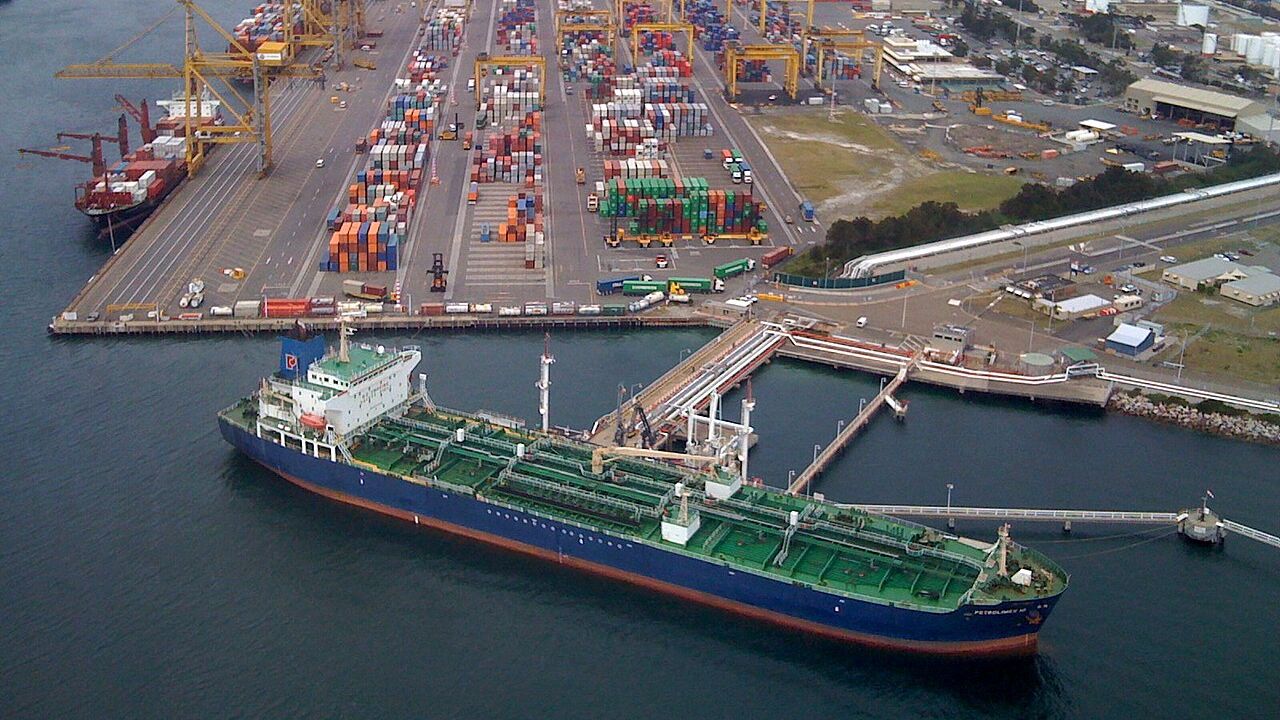
Conflicts disrupt supply chains and logistics in numerous ways. Transportation routes may become unsafe, leading to delays and increased costs. For instance, shipping companies have had to reroute vessels to avoid conflict zones, resulting in longer transit times and higher freight charges. Such disruptions have a domino effect, causing delays in production schedules and inventory shortages, which ultimately impact profitability.
The increased costs associated with transportation delays and heightened security measures are particularly burdensome for suppliers. As seen in the manufacturing sector, companies face rising costs not only for raw materials but also for logistics. A case in point is the automotive industry, where manufacturers like Ford and General Motors have reported production slowdowns due to supply chain disruptions stemming from conflicts. The ripple effect of these disruptions can lead to higher prices for consumers, further complicating the economic landscape.
Profit Margins Under Siege
As suppliers contend with rising costs, their profit margins are increasingly under threat. Many sectors are experiencing shrinking margins as a result of dual pressures: escalating costs and decreasing demand. For instance, the food supply chain has seen significant strains due to rising commodity prices, leading to higher costs for consumers while also squeezing the profit margins of suppliers.
Historical context provides insight into how past global conflicts have affected suppliers economically. During the Gulf War, for example, the oil embargo led to skyrocketing prices that severely impacted transportation and manufacturing sectors. Similarly, the current geopolitical landscape suggests that ongoing conflicts could lead to prolonged economic challenges for suppliers, making it imperative for businesses to adapt and strategize accordingly.
Consumer Behavior and Market Reactions
Consumer behavior plays a crucial role in shaping supplier strategies during times of conflict. Price sensitivity has increased as consumers become more aware of the impact of global conflicts on supply chains. As prices rise due to perceived scarcity, consumers tend to adjust their purchasing habits, leading suppliers to reconsider their pricing strategies. For example, grocery stores have recently reported shifts in consumer demand, with customers prioritizing essential goods while cutting back on discretionary spending.
To adapt to these changing consumer expectations, many businesses are revising their marketing strategies to emphasize value and scarcity. Companies like Unilever and Procter & Gamble have launched campaigns focusing on the quality and necessity of their products, aiming to reassure consumers that their offerings are worth the increased prices. As the market reacts to the pressures of global conflicts, suppliers must remain agile and responsive to shifts in consumer sentiment.
Supply Chain Risks and Vulnerabilities
Identifying key risks in supply chains during conflicts is critical for suppliers aiming to mitigate disruptions. Recent conflicts have highlighted vulnerabilities, such as reliance on single-source suppliers or geographical concentration of production facilities. For instance, many electronics manufacturers depend on components sourced from conflict-prone regions. This reliance can create significant risks if those areas experience instability.
To address these vulnerabilities, suppliers are increasingly adopting strategies to enhance their supply chain resilience. As detailed in a report on supply chain risks, diversification in sourcing and production is a key strategy. By spreading their operations across multiple regions, suppliers can reduce their exposure to disruptions caused by localized conflicts. Additionally, many companies are investing in technology to improve visibility and communication throughout their supply chains, enabling them to respond more swiftly to emerging risks.
Adaptation Strategies for Suppliers
As the landscape of global trade shifts due to ongoing conflicts, suppliers are compelled to adapt their strategies. Diversification in sourcing and production is at the forefront of these adaptations. Companies are increasingly seeking alternative suppliers in more stable regions, thus reducing their dependence on conflict-prone areas. This shift not only mitigates risks but also opens new markets for suppliers.
The role of technology in enhancing supply chain resilience cannot be overstated. Companies are leveraging advanced analytics, artificial intelligence, and blockchain technology to improve transparency and traceability in their supply chains. For instance, companies like IBM have implemented blockchain solutions to enhance supply chain visibility, allowing suppliers to track goods in real-time and respond to disruptions more effectively. Collaborations and partnerships are also becoming essential, as suppliers join forces to strengthen their networks and share resources in times of crisis.
Government and Regulatory Responses
Governments worldwide are responding to supply chain disruptions caused by conflicts in various ways. Some countries are implementing sanctions and trade policies aimed at curbing the economic impact of conflicts. For instance, sanctions against Iran have not only affected oil prices but have also prompted businesses to rethink their strategies in relation to sourcing and supply chain management. Furthermore, governments are increasingly recognizing the importance of supporting local suppliers through financial aid or incentives to help them navigate these turbulent times.
Financial assistance can take various forms, from grants to tax breaks aimed at easing the burden on affected suppliers. These measures can provide temporary relief and help suppliers maintain operations in challenging environments. As governments adapt their policies to address the realities of global conflicts, the relationship between suppliers and regulatory bodies is likely to evolve, with a heightened focus on collaboration and support.
Long-term Implications for Global Trade
The ongoing geopolitical tensions have far-reaching implications for global trade dynamics. As conflicts continue to reshape supply chains, we can expect to see a reevaluation of trade alliances and sourcing strategies. Countries may seek to establish new trade partnerships to mitigate risks associated with reliance on specific regions, ultimately leading to a more fragmented global trade landscape.
The potential for new trade alliances or shifts in supply chain hubs is significant. For example, countries in Southeast Asia are emerging as alternative manufacturing hubs, attracting businesses looking to diversify their supply chains away from traditional centers. The long-term economic consequences for suppliers will likely include increased competition as new players enter the market and existing suppliers adapt to evolving consumer demands and geopolitical realities.
The Future of Supplier Relationships
As pressures mount on suppliers due to global conflicts, we are witnessing shifts in supplier-buyer relationships. The emphasis on transparency and communication is becoming increasingly important in crisis management. Companies that prioritize open dialogue with their suppliers are better positioned to navigate disruptions and maintain stable relationships, which are vital for long-term success.
Successful adaptations in turbulent times highlight the importance of resilience and collaboration. Companies like Toyota have demonstrated the value of strong supplier relationships, allowing them to quickly adapt their production strategies in response to disruptions. By investing in these relationships and fostering a collaborative approach, suppliers can better position themselves to weather the challenges posed by ongoing global conflicts.
More from Fast Lane Only