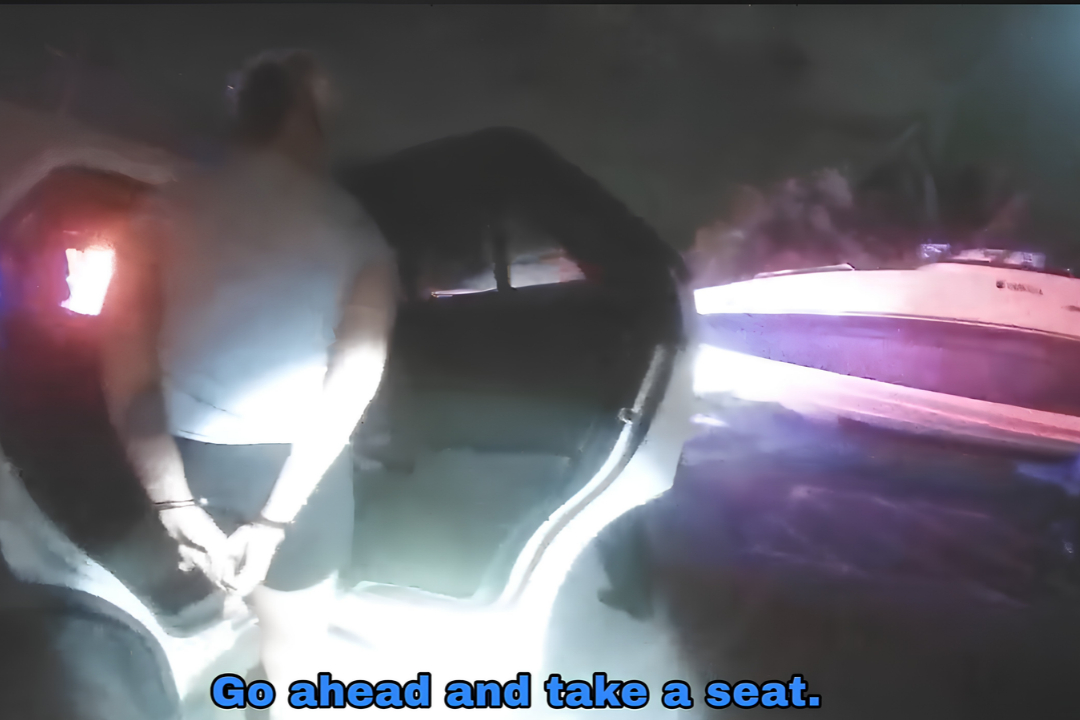
A sophisticated theft ring has managed to steal over 100 vehicles, utilizing advanced technology and tactics that evaded detection for an alarming amount of time. This article delves into the methods employed by these thieves, the impact on victims, and the ongoing efforts to combat such high-tech crime.
The Rise of High-Tech Theft Rings
In recent years, vehicle theft has surged, with thieves employing increasingly sophisticated methods that outpace traditional security measures. According to the National Insurance Crime Bureau (NICB), vehicle thefts in the United States have increased by over 25% in the last decade, with 2022 alone seeing nearly 1 million vehicles reported stolen. This rise in thefts has significant financial implications, not only for victims who face insurance deductibles and loss of property but also for insurance companies, which report billions of dollars in payouts annually.
The advancement of technology has transformed the landscape of car theft. Thieves are no longer relying solely on brute force or simple lock-picking techniques. Instead, they are utilizing high-tech tools such as key fob duplication devices and smartphone apps that can exploit vulnerabilities in vehicle security systems. The introduction of smart keys and keyless entry systems, while convenient for drivers, has also created new opportunities for thieves to target unsuspecting victims.
The Modus Operandi of the Thieves
The methods employed by high-tech thieves are both ingenious and alarming. One of the most common techniques involves key fob hacking, where thieves use devices that capture the signal from a remote key fob and relay it to the vehicle, tricking it into thinking the key is nearby. This method allows thieves to unlock the car and start the engine without physical access to the key itself.
Additionally, criminals have been known to employ sophisticated software to hack into vehicle security systems. For instance, some thieves use laptops and specialized hardware to communicate with a vehicle’s onboard computer system, bypassing security protocols and gaining access to the vehicle’s systems. High-end models, such as the 2021 BMW M5 and the 2020 Mercedes-Benz S-Class, have been particularly vulnerable to such attacks, making them prime targets for these tech-savvy criminals.
The Targeted Vehicles
Luxury cars and supercars are often the primary targets for high-tech theft rings. Models such as the 2021 Lexus RX and the 2022 Audi Q7 not only boast high resale values but are also easier to transport and sell on the black market. Thieves are aware that these vehicles can fetch tens of thousands of dollars, making them attractive targets for quick profit.
In particular, the appeal of high-end vehicles lies in their advanced technology and features, which can sometimes make them more susceptible to theft. For example, high-performance sports cars like the 2021 Porsche 911 and the 2020 Ferrari F8 Tributo are not just desirable for their aesthetics and performance but are also equipped with complex electronic systems that can be manipulated by skilled thieves. The theft of these vehicles often leaves victims heartbroken, as they are not only losing a valuable asset but also the emotional connection tied to their cars.
The Process of Stealing Vehicles
The execution of a vehicle theft by these organized rings involves meticulous planning and coordination. Thieves often begin by conducting detailed research on their target vehicles, identifying models that are easy to steal and in high demand. They may even scout neighborhoods to observe parking patterns and security measures before executing their plan. This groundwork allows them to choose the optimal time and location for the theft.
Accomplices also play a crucial role in these operations. Inside information from individuals working in dealerships or repair shops can provide thieves with valuable insights into security vulnerabilities or the location of high-end vehicles. During the theft itself, timing is critical; many thieves prefer to strike during late-night hours when there is minimal foot traffic and fewer potential witnesses. Their ability to remain undetected during these operations showcases the alarming sophistication of modern car theft.
The Victims and Their Experiences
The emotional toll on victims who lose their vehicles can be profound. Many individuals have shared their stories of heartbreak and frustration after discovering that their cars have been stolen. One victim, who lost her 2021 Tesla Model 3, described the experience as “devastating,” emphasizing the sense of violation and loss of security that followed the theft. The financial impact is equally significant; victims often face high deductibles or may find that their insurance does not fully cover the loss.
Moreover, victims often struggle with the aftermath of such thefts. Some may have to navigate lengthy insurance claims processes, while others face the challenge of finding a replacement vehicle in a market where prices have skyrocketed due to increased demand. The emotional and financial strain can lead to long-lasting anxiety and feelings of vulnerability, highlighting the need for increased awareness and preventative measures.
The Law Enforcement Response
The rise of high-tech car theft has prompted local and federal law enforcement agencies to launch investigations and task forces specifically targeting these organized theft rings. However, tracking and apprehending these sophisticated criminals presents unique challenges. Thieves often operate across state lines or even internationally, making it difficult for law enforcement to coordinate efforts and share intelligence.
Technology is playing a crucial role in modern policing strategies to combat auto theft. Authorities are increasingly using advanced surveillance systems, data analytics, and even social media monitoring to identify patterns and track stolen vehicles. For instance, the integration of license plate recognition systems has proven effective in recovering stolen cars quickly. However, the constantly evolving tactics of thieves mean that law enforcement must remain vigilant and adaptable.
Legal Implications and Consequences
The legal ramifications for those caught in high-tech theft rings can be severe. Individuals apprehended for their involvement in vehicle theft may face charges ranging from theft to conspiracy, which can result in significant prison sentences and hefty fines. Existing laws regarding vehicle theft are often viewed as insufficient to address the complexities of high-tech crime, leading to calls for legislative changes.
In response to the growing threat of high-tech vehicle theft, lawmakers are examining potential reforms that would enhance penalties for offenders and provide law enforcement with additional tools to combat these crimes. Furthermore, international cooperation is becoming increasingly important, as many theft rings operate across borders, requiring collaboration between different countries to tackle the issue effectively.
Preventative Measures for Vehicle Owners
For vehicle owners, taking proactive steps to protect their cars from theft has become essential. One effective measure is investing in advanced security systems that include features such as GPS tracking, immobilizers, and steering wheel locks. These technologies can deter thieves and aid in the recovery of stolen vehicles. For example, systems like LoJack and OnStar offer real-time tracking capabilities that can assist law enforcement in locating stolen vehicles quickly.
Additionally, community awareness plays a vital role in preventing theft. Neighborhood watch programs and local initiatives aimed at educating residents about the risks of high-tech theft can foster a sense of vigilance. Simple practices, such as parking in well-lit areas, using steering wheel locks, and regularly checking the security of one’s vehicle, can significantly reduce the chances of becoming a victim of theft.
The Future of Vehicle Theft and Security
As technology continues to evolve, so too does the landscape of vehicle theft. The rise of electric vehicles and smart cars presents new challenges for manufacturers and law enforcement alike. With features like remote access and advanced infotainment systems, the potential for exploitation by thieves increases. Experts predict that the arms race between manufacturers enhancing vehicle security and criminals finding new ways to bypass these systems will continue to escalate.
Public awareness campaigns are essential in this ongoing battle against high-tech theft. Educating consumers about the risks and providing them with the tools necessary to protect their vehicles will be critical in mitigating the impact of these crimes. By fostering a culture of vigilance and cooperation, we can collectively work towards reducing vehicle theft in our communities.
More from Fast Lane Only