It started as one of those ordinary, end-of-day favors that barely registers as “news” inside a home. A teen said they’d pull the truck into the garage, shut the door, and be done in under a minute. Everyone relaxed, assuming it was handled—because why wouldn’t it be?
But later that night, a security camera notification told a different story. And once the footage was reviewed, what looked like a simple parking job turned into a chain of choices that nobody in the household expected. The video didn’t just answer the question of where the truck ended up—it raised a few new ones.
A Simple Ask, the Kind That Usually Ends in “Sure”
According to the family, the request was straightforward: park the truck in the garage so it wouldn’t sit out overnight. There’d been talk of weather rolling in, and the garage was already cleared enough to fit the vehicle. The teen agreed quickly, with the kind of confidence that suggests it’s basically already done.
That agreement mattered because it set everyone’s expectations. When someone says, “I’ll do it,” people stop thinking about it. It’s not just about the truck—it’s about trust, routine, and the quiet relief of one less thing to manage at the end of a long day.
The Camera Ping That Changed the Mood
The first clue something was off wasn’t a loud crash or a neighbor knocking on the door. It was a typical motion alert from a security camera, the kind that usually captures a raccoon, a stray cat, or a package delivery. Only this time, the alert popped up at a weird hour, and the thumbnail didn’t look like wildlife.
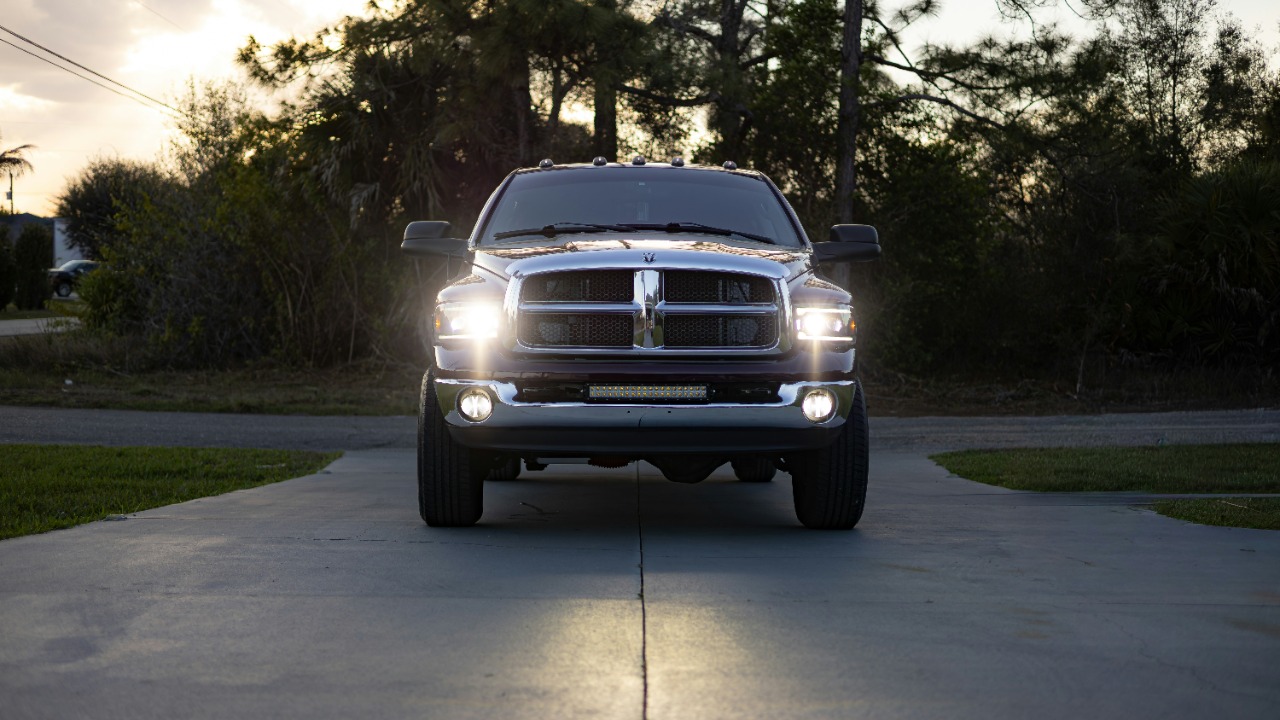
In the small preview, the truck wasn’t heading toward the garage at all. It was angled toward the driveway with the headlights sweeping across the yard, like someone had decided to take a “quick minute” detour. The kind of detour that can turn into a whole story if you’re not careful.
What the Footage Actually Showed
When the video was pulled up, the sequence was clear enough to follow without guessing. The truck was started, reversed, and then paused as if the driver was thinking it over. Instead of turning into the garage approach, it rolled forward toward the street and stopped again, lingering just long enough to feel intentional.
Then came the part that made everyone’s eyebrows go up: the truck drove off. Not far at first—just out of frame—then it returned briefly, repositioned, and left again for a longer stretch. The garage door stayed closed the entire time, which, in a story about parking a truck in a garage, is pretty much the opposite of the assignment.
The “Quick Errand” Explanation Arrives on Cue
When asked about it, the teen reportedly offered a familiar defense: it was just a quick errand. Something like checking on a friend, grabbing a snack, or circling the block to “clear the head.” It’s the kind of explanation that sounds harmless right up until you remember the original promise was “I’m parking it now.”
And that’s where the tension usually lives in moments like this. It’s not that a short drive is automatically sinister—it’s that the plan changed without anyone being told. The camera didn’t catch a catastrophic event, but it did capture a decision to do something else first, without asking.
Why This Hit a Nerve: It Wasn’t Just About the Truck
People often think household arguments are about the literal thing—dishes, trash, a missed chore. But they’re usually about reliability. When someone agrees to a task and then quietly swaps it for another plan, it can feel like the agreement didn’t matter.
In this case, the truck itself carries extra weight: it’s expensive, powerful, and not a casual object to “borrow for a second.” If it gets dinged, if something happens on the road, or if it’s parked somewhere risky, the fallout isn’t small. So the camera footage didn’t just show a change of route; it showed a risk taken without permission.
What Neighbors Noticed, and What They Didn’t
No one reported a big scene—no screeching tires or dramatic confrontation out front. A neighbor did mention seeing headlights pass by more than once, but at the time it didn’t seem like anything worth flagging. In most neighborhoods, a vehicle going down the street is background noise.
That’s part of why security cameras have changed everyday life so much. They capture the tiny choices that used to disappear into the night. Before cameras, the story would’ve been whatever the driver said happened; now there’s a timestamped timeline that doesn’t get tired, forget details, or soften the truth.
The Bigger Trend: Cameras as the New Household Referee
Incidents like this are becoming more common—not necessarily because teens are “worse,” but because accountability is different now. Cameras don’t just deter porch pirates. They also document who took out the trash, who left the freezer open, and who absolutely did not park the truck in the garage like they said they would.
That can be helpful, but it can also change the vibe at home. When footage becomes the default way to settle disagreements, it can feel like living with a silent witness in every corner. Still, plenty of families say it’s better than arguing in circles when the video can answer the question in ten seconds.
How Families Usually Handle a Moment Like This
In situations like these, the practical concerns come first: where the truck went, whether it was driven safely, and whether anything happened that hasn’t been mentioned. After that comes the tougher conversation—why the teen didn’t just say, “I need five minutes,” instead of promising it was done. That small difference is often what separates a normal night from a trust issue.
Some households respond by tightening rules around vehicle access, keys, or curfews. Others focus on repairing trust with clearer expectations and consequences that match the behavior. Either way, most families agree on one thing: if you’re trusted with a truck, you’re also trusted with telling the truth about what you’re doing with it.
Where Things Stand Now
By the end of the night, the truck was eventually returned and parked—just much later than promised. No major damage was reported, and the situation didn’t escalate beyond a family-level standoff and some pointed rewatching of the footage. But the mood reportedly shifted from “simple chore” to “we need to talk about boundaries.”
The video’s lasting impact wasn’t the driving itself. It was the gap between what was said and what was done, captured in crisp night vision. And in the age of doorbell alerts and cloud storage, that gap doesn’t stay hypothetical for long.
More from Fast Lane Only
- Unboxing the WWII Jeep in a Crate
- 15 rare Chevys collectors are quietly buying
- 10 underrated V8s still worth hunting down
- Police notice this before you even roll window down
*Research for this article included AI assistance, with all final content reviewed by human editors.