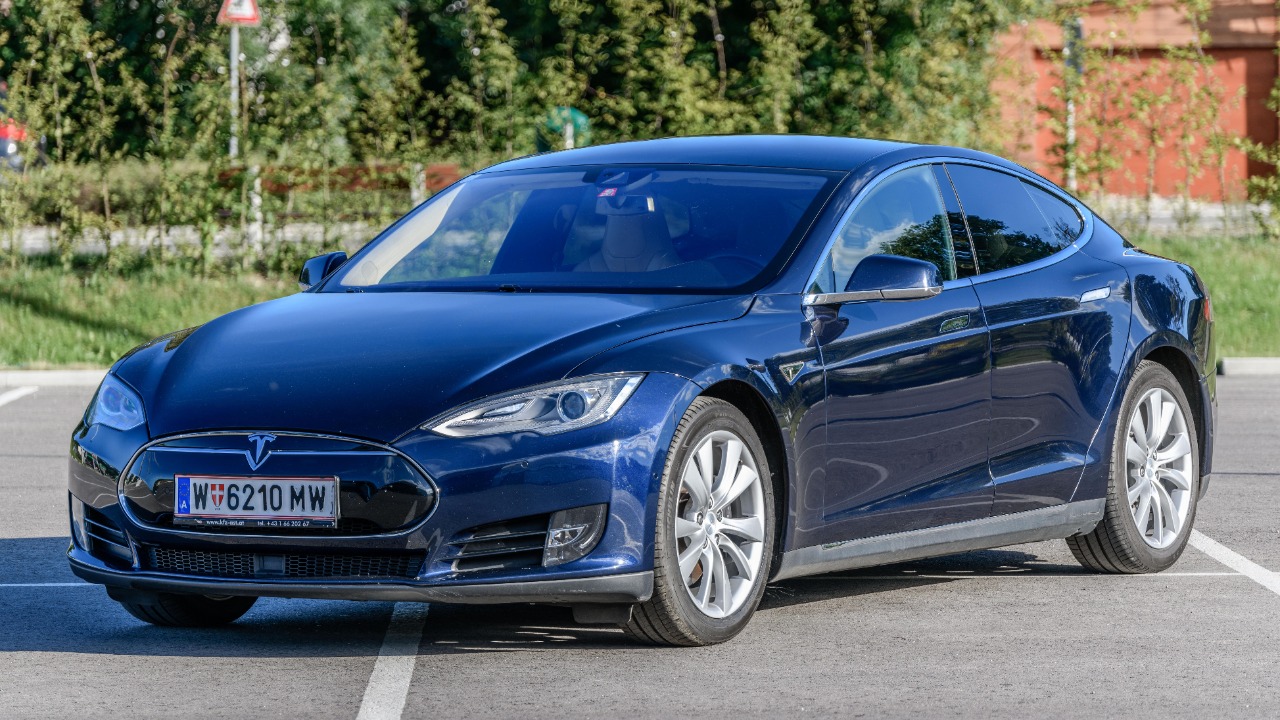
You probably expect a Tesla Model S to be pricey to buy, but many first-time owners are still surprised by how much it costs to keep one in the driveway. Once you look past the quiet acceleration and low fuel bills, big numbers in depreciation, insurance, and long-term maintenance start to appear, easily rivaling a traditional luxury sedan. If you are thinking about joining the club, you need a clear picture of those ongoing costs before you tap “order” in the app.
The good news is that most of the major expenses are predictable if you know where to look. The less good news is that some of the numbers, from five-figure value drops to four-figure insurance premiums, can be a shock if you only budgeted for electricity and tires. With a bit of planning, though, you can decide whether the Model S experience is worth the total bill.
Sticker shock after the sticker: depreciation and total five‑year spend
Your first surprise often arrives before you even take delivery, when you realize how much value a new Model S can lose in just a few years. For a 2023 Plaid 4dr Sedan AWD, one detailed cost breakdown pegs five‑year Depreciation at $32,932, a hefty hit even by luxury standards. That same analysis shows Taxes & Fees at $5,552 and Financing at $8,943, so before you have paid for a single kilowatt-hour, your ownership math already includes nearly $50,000 in sunk and transactional costs tied to the Plaid Sedan AWD purchase itself.
Zoom out to the whole ownership picture and the totals climb higher than many first-time buyers expect. One projection of Tesla Model S Costs estimates that the average cost of owning a Tesla Model S for 5 years is $104,544, reflecting how quickly a six‑figure car can consume a household budget once you combine depreciation, interest, taxes, and running expenses. Another guide notes that a New Model S Plaid MSRP in the U.S. sits around $100,000 after a recent price change, so even if you manage a strong discount or a used deal, you are still tethered to a vehicle whose initial price and early‑year value drop dominate your cost of ownership.
Insurance: the luxury EV penalty you feel every year
Once you get past the financing paperwork, the next recurring surprise is usually the insurance bill. Auto coverage for a Tesla Model S is estimated at about $4,821 per year, already higher than the average for other luxury sedans. Another detailed look at How much it costs to insure a Tesla Model S pegs the average at $5,301 per year for full coverage on a high‑performance configuration, and that $5,301 number tends to catch new owners who assumed EVs would be cheaper to insure simply because they skip oil changes.
The Model S is not alone in carrying a premium, and that context matters when you compare quotes. Across the brand, one analysis of Tesla Insurance Rates puts the average cost of car insurance for Tesla models at $4,488 per year, which is $1,355 worse than other luxury brands, so you are paying a clear EV and technology surcharge. Broader research into How much it costs to insure a Tesla suggests that the average cost of full coverage for Tesla vehicles starts around $3,419 per year, which makes the Model S look even more expensive within its own family. High repair costs, complex sensors, and the luxury positioning all feed into those annual premiums, and you feel that every renewal cycle.
Charging, “fuel” savings, and the hidden home‑energy math
On the surface, electricity costs are where you expect to win, and for many owners you do, but the details still matter. A guide to Tesla Charging Costs explains that a smaller sedan like a Model 3 RWD can cost roughly $38 to 44 per month to charge, with a Model 3 Long Range closer to $42, so you might reasonably expect a Model S to land somewhat above those figures given its larger battery. Real‑world owners in online groups often report very low per‑kilowatt rates, such as one driver with a MYP who mentions paying $0.067 per kilowatt-hour after living with the car for 2.5 years, which shows how cheap charging can look if you live in an area with inexpensive power and time‑of‑use rates.
Where first‑time buyers sometimes get tripped up is not the energy itself but the infrastructure that supports it. You may need to install a Level 2 charger in your garage, upgrade an older electrical panel, or pay higher rates if you charge during peak hours instead of scheduling overnight sessions. One video on 5 SECRET Costs Tesla does not tell you highlights how these home upgrades and charging patterns can quietly add hundreds or thousands to your early ownership costs, especially if you are in a condo or rental where a dedicated circuit is not straightforward. The savings versus gasoline can still be real and significant, but only if you factor in the upfront hardware and the local utility pricing that shape your monthly bill.
Maintenance, repairs, and what “no oil changes” really means
You hear constantly that EVs need very little maintenance, and for the most part that is true, but that does not mean zero upkeep or zero risk. Official guidance on Tesla Maintenance Costs explains that Overall maintenance costs are subject to your driving habits and vary by Tesla Model, a reminder that a heavy, high‑performance sedan will not behave like a small commuter hatchback. A separate analysis of How Tesla repair and maintenance costs compare suggests that most owners spend around $500 to $613 in Avg yearly maintenance, with that Typical annual range covering routine service rather than big-ticket failures.
When you compare those figures to many gas luxury sedans, you often come out ahead on routine service, especially once you remove oil changes, transmission fluid, and exhaust repairs. At the same time, you are trading frequent small bills for rare but potentially large ones, such as out‑of‑warranty suspension work or body repairs that involve sensors and cameras. A broader Tesla Cost and Maintenance Comparison points out that electric vehicles like Teslas also have fewer moving parts, which can reduce day‑to‑day wear, yet it also stresses that Are Teslas really as affordable as they seem is a fair question when specialized labor and parts are involved. You may never need a major fix, but if you do, the number can feel jarring precisely because you had grown used to spending almost nothing on routine service.
Used Model S, warranties, and how to avoid being blindsided
If you shop used to dodge the initial depreciation, you trade one surprise for another, which is why you need a more careful inspection plan than you might use for a typical sedan. A detailed used‑car guide built around Key Takeaways urges you to Check the Tech Before the Tires and to prioritize the battery’s health and the installed software when you evaluate a used Tesla, since those factors drive both performance and long‑term cost. By following that advice and digging into service records, warranty status, and features like Autopilot, you give yourself a better chance of building a complete and realistic budget instead of guessing what a five‑year‑old pack or air suspension will cost if something fails.
More from Fast Lane Only