American car buyers in the 1950s were primed for chrome, comfort, and a sense of postwar optimism, but some new models still managed to stop them in their tracks. A handful of cars did not just look fresh, they upended expectations about size, style, and even what a family car should be. I want to look at the machines that genuinely startled shoppers, whether with radical design, unexpected downsizing, or technology that felt closer to the jet age than the showroom.
Compact shock: Nash Rambler and the idea of “small” American cars
In a decade remembered for sprawling sedans, the Nash Rambler landed like a provocation. At a time when the market equated value with length and weight, the company offered a compact with a 100-inch wheelbase and pitched it as a fully equipped, stylish alternative rather than a stripped-down economy box. Period promotional film described the 1950 model as the first successful modern American compact car, emphasizing that the 100-inch layout of the wheelbase was a deliberate break from the norm rather than a compromise. For buyers used to measuring status in inches of sheet metal, seeing a short, tightly packaged car presented as aspirational was a genuine jolt.
The surprise was not only its size but its positioning. The Nash Rambler Convertible This 1950 Nash Rambler convertible was marketed to the American public as attractive, well equipped, and sensibly priced, a combination that challenged the assumption that small meant cheap or bare bones. Instead of apologizing for its footprint, the Nash Rambler leaned into clever packaging and upscale trim, which made its compact proportions even more striking in dealer showrooms. Later critics would sometimes lump the Rambler into lists of odd or even ungainly 1950s designs, but contemporary buyers were reacting to something more fundamental: a car that shrank the traditional American template without asking families to give up comfort or pride of ownership.
Tailfin fever: when styling went from subtle to space age
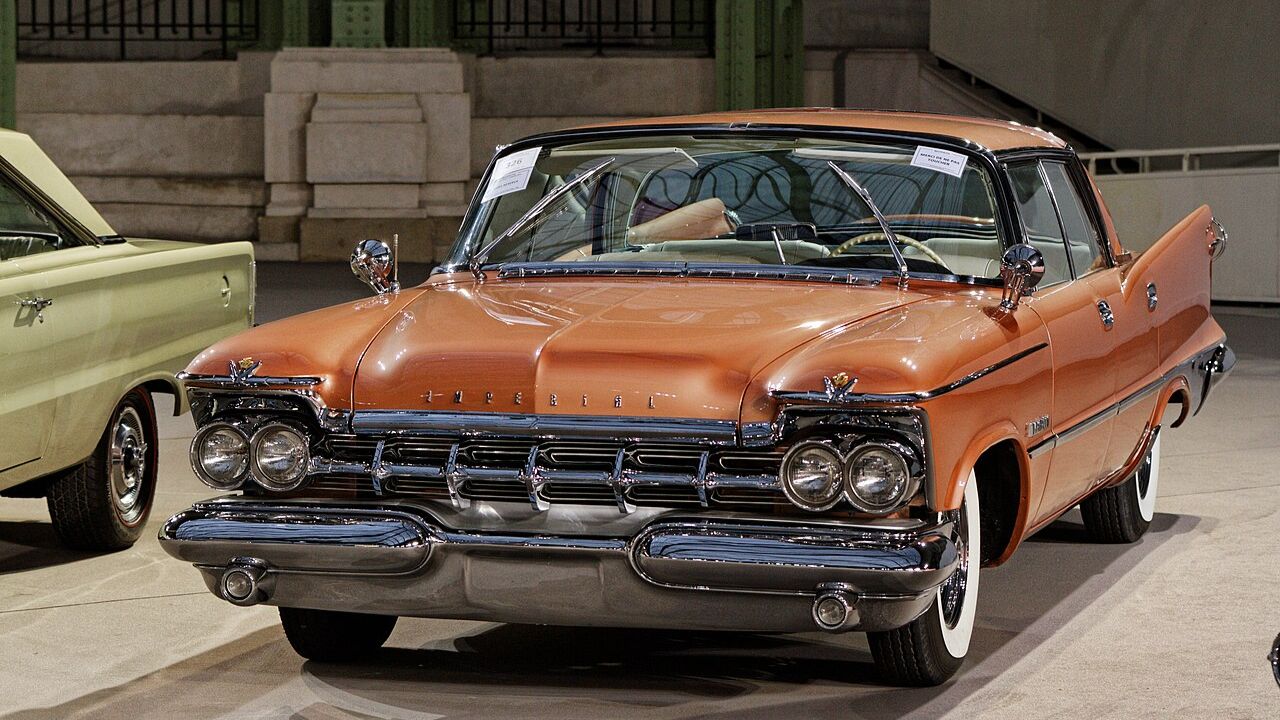
By the late 1950s, the shock factor shifted from size to spectacle. Tailfins, which had started as modest styling cues earlier in the decade, exploded into full theatrical wings that turned family cars into rolling billboards for the jet age. The most extreme tailfins appeared in the late 1950s, such as on the 1959 Cadillac Eldorado and the 1959 Imperial Crown sedan, where the rear of the car rose into towering vertical blades capped by twin bullet-shaped taillights. For buyers who had watched designs evolve gradually through the early part of the decade, walking into a showroom and seeing a Cadillac Eldorado and the Imperial Crown with fins higher than the roofline of some compacts was a genuine visual shock.
These fins were not just decorative excess, they were a direct expression of a culture fixated on rockets and supersonic flight. Culturally, the 1950s embraced a spirit of experimentation, with many car manufacturers pushing boundaries in aesthetic design that echoed the jet age, which captured the public’s imagination. The tailfin craze translated that fascination into sheet metal, turning rear fenders into stylized stabilizers and taillights into afterburners. Some buyers loved the drama, others thought the look had gone too far, but almost everyone noticed. The leap from modest postwar curves to the knife-edged forms of the late 1950s made these cars feel less like transportation and more like concept art that had somehow escaped onto suburban driveways.
Forward look: Plymouth and Chrysler Corporation gamble on low and long

While fins grabbed headlines, another shock came from how low and sleek mainstream cars suddenly became. Chrysler Corporation, which had been seen as conservative earlier in the decade, stunned the market when it rolled out its “Forw” styling program for Plymouth and its sister brands. The new Plymouths sat lower to the ground, with dramatically longer, cleaner lines that made previous models look instantly dated. It was a calculated risk by Chrysler, which used the Forw design language to chase record sales and reposition its image from staid to cutting edge.
For buyers who had just gotten used to taller, boxier bodies, the 1957 and 1958 Plymouth models looked almost like customs straight from a design studio. The lower rooflines, integrated fins, and swept-back profiles signaled that the company was betting heavily on a future shaped by aerodynamics and motion, even when parked. Reports from the period note that Chrysler enjoyed strong sales and a surge of attention in the motoring culture, suggesting that the gamble paid off. Yet the initial reaction in showrooms mixed excitement with disbelief, as shoppers compared the new Forw cars to the upright sedans still sitting on used-car lots just a few years old and suddenly looking like relics.
Beauty, or too much of a good thing: when iconic designs unsettled buyers
Not every shock came from cars that were obviously radical. Some of the models that now define 1950s Americana were initially surprising because they blended luxury cues with bold, almost flamboyant styling. The Chevrolet Bel Air, for example, has become shorthand for the era, but when The Chevrolet Bel Air arrived as a staple of 1950s Amer culture it stood out for its heavy use of chrome, two-tone paint, and intricate trim on what was still a family car. The Most Iconic Collector Vehicles lists the Chevrolet Bel Air as a defining model of the decade, precisely because it pushed the idea that everyday transportation could look like a showpiece.
That push did not land smoothly with everyone. Some later critics have grouped certain Bel Air-era designs among the ugliest cars of the 1950s, arguing that the mix of bulging fenders, heavy brightwork, and busy grilles crossed the line from expressive to excessive. Lists of the ugliest cars from the decade often single out models like the 1950 Nash Rambler for their unconventional proportions and detailing, suggesting that what one generation sees as daring another might view as awkward. The tension between admiration and discomfort is part of what made these cars so memorable at launch. Buyers were not just choosing transportation, they were deciding how far they were willing to go in embracing a new, more theatrical visual language on their driveways.
When innovation looked “wrong”: the 1950s misfits that became cult favorites
Alongside the icons, the 1950s produced a parallel universe of cars that shocked buyers for less flattering reasons. Some were labeled odd, ungainly, or simply misguided, and later commentators have not been kind. Video retrospectives on the era talk about The STUPIDEST Cars Of The period and models You NEVER SEEN Before, highlighting vehicles whose proportions, engineering, or marketing pitches baffled contemporary shoppers. Another roundup of the 25 WORST American Cars of the 1950s notes that some were poorly built, some were financial disasters, and others were simply unsafe. Some of these cars have since gained a following among collectors, but at launch they were more likely to draw stares than deposits.
What unites many of these misfits is not incompetence but overreach. Designers and executives tried to leap ahead of consumer tastes, only to discover that the public was not ready for their vision. Some compact experiments lacked the polish of the Nash Rambler, so buyers saw only sacrifice without the compensating style or equipment. Others layered on unusual bodywork or gimmicky features that made them look strange next to cleaner, more confident designs from the same showrooms. Today, enthusiasts revisit these cars with a mix of amusement and respect, recognizing that the same risk-taking culture that produced beloved icons also generated flops. The shock they caused in the 1950s, whether through odd styling or flawed execution, is part of the broader story of a decade when American carmakers were willing to try almost anything once.
More from Fast Lane Only: