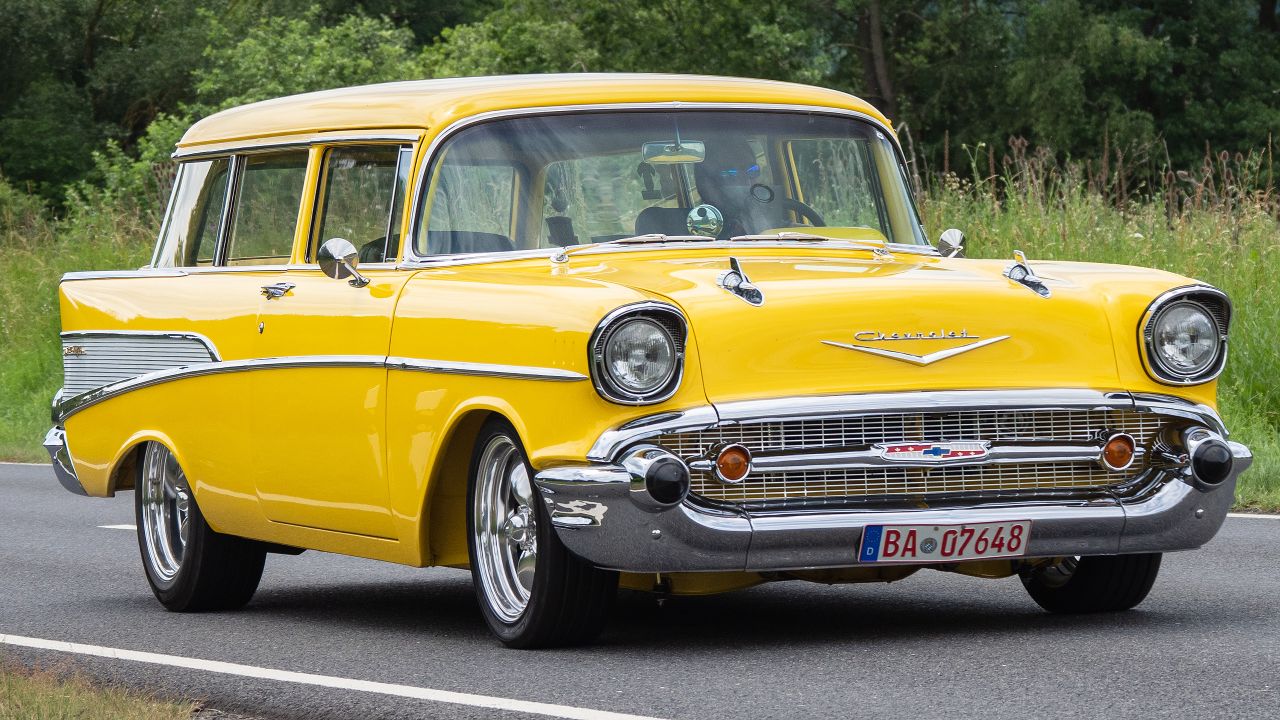
Some midcentury cars were expected to be disposable fashion statements, yet a surprising number still start every morning and command serious money at auction. Their survival is not just nostalgia at work, it reflects a mix of design choices, mechanical simplicity, and a kind of natural selection that filtered out the worst examples long ago.
When I look at the 1950s machines that still feel relevant on modern roads, I see a pattern: the models that aged best were not always the flashiest, but the ones whose engineering, proportions, and construction could be maintained and appreciated long after tailfins went out of style.
Survivor bias: why the “good” 1950s cars are the ones left
The first reason some 1950s cars seem almost immortal is deceptively simple: the bad ones are gone. Over decades of daily use, rust, and accidents, the weakest designs and the most poorly built examples were scrapped, leaving a pool of survivors that were either inherently robust or carefully maintained. When I see a 1957 Chevrolet Bel Air or a Mercedes-Benz 300SL still on the road, I am not looking at an average 1950s car, I am looking at the top slice that outlived its peers.
Mechanics often describe this as a kind of automotive natural selection. One recent discussion of older vehicles framed it bluntly, noting that when a car is new, no one knows whether it will be a trouble‑free workhorse or a chronic headache, but by the time it is several decades old, the unreliable examples have usually been recycled. That logic applies especially strongly to 1950s cars, which had to survive not only their original service lives but also periods when they were cheap used cars, then unfashionable relics, before finally becoming collectibles. The fact that any individual car made it through all of that is itself evidence that it was either well engineered, well loved, or both.
Simple, serviceable engineering that rewards maintenance
Another reason certain 1950s cars age gracefully is that their mechanical layout is straightforward enough for regular care to make a huge difference. Many mass‑market models of the era relied on naturally aspirated engines, basic carburetion, and relatively uncomplicated electrical systems. I find that this simplicity means a competent home mechanic or independent shop can keep them running indefinitely with routine work, instead of facing the kind of electronic failures that can sideline newer vehicles. When a part wears out on a 1950s V8, it is usually a matter of replacing a mechanical component, not reprogramming a control module.
Owners and technicians who work on older vehicles often stress that longevity is less about the calendar year and more about how maintainable the design is. In the same mechanic discussion, contributors pointed out that older cars which are still on the road tend to be those whose parts are accessible and whose systems can be diagnosed without specialized factory equipment. Many 1950s platforms fit that description, especially the simpler sedans and pickups that shared components across multiple model years. That interchangeability, combined with a large aftermarket, helps explain why some of these cars can be rebuilt repeatedly, turning what might have been a finite lifespan into something much longer.
Design that transcended fashion, even in an era of excess
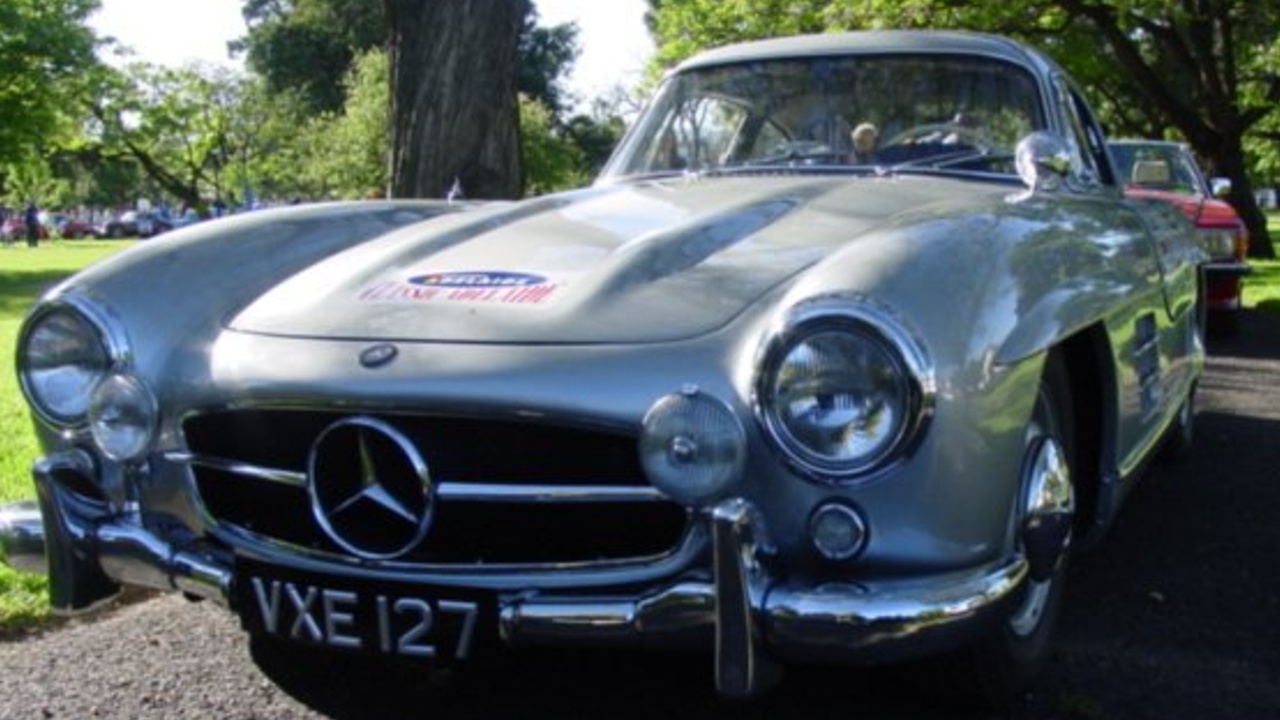
The 1950s are often remembered for chrome, fins, and dramatic styling, but the cars that have aged best are usually the ones whose proportions and details still look coherent today. While some models chased yearly styling changes, others found a balance between ornament and clean lines. When I compare a restrained European saloon or a well‑proportioned American coupe from that decade to its more flamboyant contemporaries, it is clear why one now feels timeless while the other reads as a period costume.
Safety advocates such as Nader later argued that the most extreme styling of the 1950s was not just dated but actively dangerous, because designers sometimes prioritized visual drama over structural integrity and occupant protection. That critique underscored how tailfins, heavy chrome, and low rooflines could compromise visibility and crash performance, a point explored in historical analyses of American car design. The cars that wear their age best tend to be those that did not push those excesses as far, or that combined expressive styling with solid engineering. Their lines may clearly belong to the 1950s, but they do not depend entirely on the decade’s most extreme trends, which helps them feel more like enduring industrial design than historical curiosities.
Safety, structure, and the myth of “they don’t build them like they used to”
There is a persistent belief that older cars were inherently stronger or safer because of their heavy steel bodies and substantial frames. When I look closely at the record, that nostalgia does not hold up. Many 1950s cars were built on ladder frames with rigid structures that transmitted crash forces directly to occupants, and they lacked modern crumple zones, seat belts, and energy‑absorbing steering columns. In a collision with a contemporary vehicle engineered around controlled deformation and occupant survival, the older car’s apparent solidity can actually work against it.
Nader’s critique of midcentury styling was rooted in this tension between appearance and reality. He argued that the overstylization of cars in the 1950s could be dangerous because it diverted attention from functional safety, including the effectiveness of structural design in keeping passengers safe. Historical reviews of automotive safety show how features we now take for granted were either absent or in their infancy during that decade. When some 1950s cars seem to have “aged well,” it is usually in terms of aesthetics and mechanical durability, not crash protection, and I find it important to separate those dimensions rather than folding them into a single romantic idea of toughness.
Enthusiast culture and the economics of keeping 1950s icons alive
Even the best engineered 1950s car would not have survived to the present without people willing to invest time and money in it. Collector culture plays a decisive role in which models age gracefully and which quietly disappear. When a particular car becomes a symbol of an era or a touchstone for enthusiasts, it attracts restoration shops, reproduction parts suppliers, and detailed technical knowledge that make long‑term ownership viable. I see this feedback loop clearly in the way certain 1950s nameplates, from American full‑size coupes to European sports cars, enjoy deep support networks while more obscure contemporaries languish.
The same survivor bias that mechanics describe in forums like AskMechanics also operates in the market. Cars that were easier to maintain and more rewarding to drive were more likely to be kept running long enough to be rediscovered by collectors, which in turn justified the creation of parts catalogs and restoration guides. Over time, that infrastructure makes those models feel “ageless,” because owners can source panels, trim, and mechanical components almost as easily as they could decades ago. In contrast, 1950s cars that were complex, unreliable, or unloved never built that ecosystem, so their decline reinforces the impression that only the best of the era truly lasted.
More from Fast Lane Only: