When people think about performance cars from 1967, their attention usually goes toward the machines that generated the biggest headlines.
The muscle car movement was gaining momentum, and buyers were increasingly fascinated by powerful intermediate-sized coupes equipped with large V8 engines. Vehicles such as the Pontiac GTO, Chevrolet Chevelle SS, and Oldsmobile 442 captured the imagination of enthusiasts across America. Their performance figures, aggressive styling, and growing reputations helped define the era.
Yet performance meant different things to different buyers.
Not everyone measured a car’s value solely by quarter-mile times or drag-strip success. Many customers wanted powerful engines, confident highway manners, and effortless driving characteristics without sacrificing comfort or practicality. For them, performance was not about being the fastest car on the street. It was about having the capability to handle real-world driving with ease.
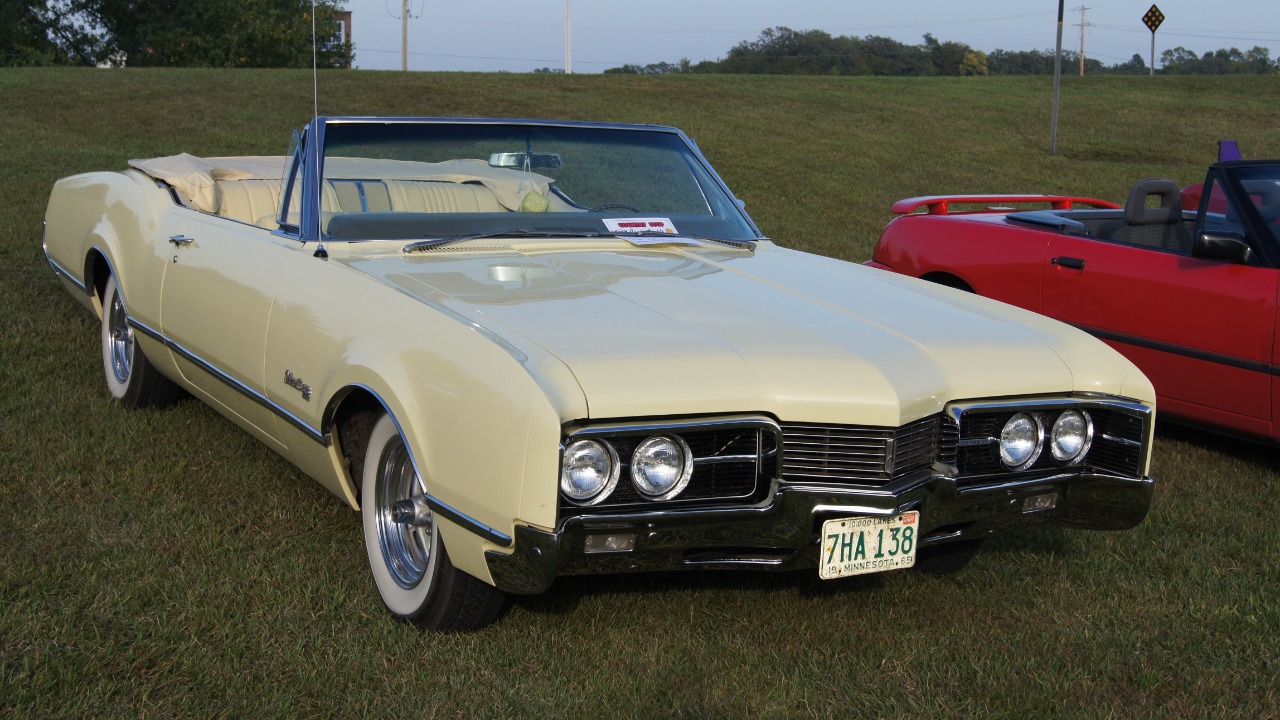
The 1967 Oldsmobile Delmont 88 fit perfectly into that philosophy.
Introduced as Oldsmobile’s entry-level full-size model, the Delmont 88 was often overshadowed by both the company’s luxury offerings and its famous performance cars. Nevertheless, it delivered a compelling blend of comfort, space, and power that demonstrated how broad the definition of performance could be.
In many ways, the Delmont 88 reflected an important truth about American automobiles.
Performance was not limited to muscle cars.
And Oldsmobile understood that better than most.
Oldsmobile Was More Than the 442
The success of the 442 sometimes obscures the broader strengths of Oldsmobile during the 1960s.
While the division certainly embraced the growing performance movement, it also built a reputation for engineering sophistication, quality construction, and thoughtful design. Oldsmobile customers often expected a little more refinement than they might find elsewhere within General Motors.
This approach influenced the entire lineup.
Whether buyers chose a compact car, an intermediate performance model, or a full-size cruiser, Oldsmobile generally emphasized a balance between capability and comfort. The division rarely viewed these qualities as mutually exclusive.
The Delmont 88 benefited from this philosophy.
Although positioned as an entry-level full-size car, it still reflected many of the values that defined the brand.
That made it more interesting than its modest place in the lineup might suggest.
The Delmont 88 Filled an Important Role
Introduced for 1967, the Delmont 88 occupied a strategic position within Oldsmobile’s full-size range.
The company needed a model that offered the advantages of a large automobile while remaining accessible to a broad audience. Buyers wanted room, comfort, and style, but not everyone required the additional luxury features found in higher-priced models.
The Delmont addressed that need.
It provided a straightforward path into Oldsmobile’s full-size lineup without feeling stripped down or compromised. Customers received the benefits of a substantial automobile while maintaining access to many of the qualities that made Oldsmobile attractive in the first place.
This positioning proved effective.
The car appealed to practical buyers who still appreciated quality and capability.
That audience was larger than many enthusiasts realize today.
Full-Size Cars Delivered a Different Kind of Performance
One reason the Delmont 88 deserves greater recognition is that it highlights a broader understanding of performance.
Muscle cars often focused on acceleration and raw power. Full-size automobiles approached the concept differently. Their strengths emerged during long trips, highway cruising, and everyday driving situations where comfort and stability mattered just as much as speed.
The Delmont excelled in these environments.
Its substantial dimensions, smooth ride quality, and comfortable interior created an experience optimized for covering distances with ease. Drivers could spend hours behind the wheel without feeling fatigued, while passengers enjoyed generous accommodations.
This capability represented a form of performance.
The ability to travel comfortably and confidently remained highly valuable.
The Delmont delivered exactly that.
Oldsmobile’s V8 Engines Provided Plenty of Muscle
Although comfort played a central role in the Delmont’s appeal, Oldsmobile did not neglect power.
The available V8 engines gave the car strong real-world performance and the kind of effortless acceleration buyers expected from a full-size American automobile. These engines produced abundant torque, making everyday driving remarkably easy.
The driving experience reflected this character.
The Delmont rarely felt strained or overworked. Whether merging onto highways, passing slower traffic, or carrying multiple passengers, the car maintained a sense of composure and confidence.
This type of performance often receives less attention than outright speed.
Yet it mattered enormously to buyers.
The Delmont’s power enhanced comfort rather than competing with it.
That distinction was important.
Highway Travel Was Where It Shined
The American interstate system continued expanding rapidly during the 1960s, changing how people traveled.
Long-distance road trips became increasingly common, and buyers began placing greater emphasis on highway comfort and cruising ability. Vehicles capable of handling these journeys effortlessly gained significant appeal.
The Delmont 88 was perfectly suited to this environment.
Its size contributed to stability, while its suspension and powertrain worked together to create a relaxed and enjoyable driving experience. The car seemed happiest when covering long stretches of open road.
Owners appreciated these qualities.
The Delmont transformed travel into something enjoyable rather than merely necessary.
That capability represented a form of excellence often overlooked today.
Styling Reflected Confidence Rather Than Aggression
The Delmont’s appearance also reinforced its personality.
Unlike many muscle cars that relied on aggressive styling cues to communicate performance, the Delmont projected confidence through proportion and presence. Its clean lines and substantial dimensions gave it an understated elegance that suited its mission.
The car looked mature.
It didn’t need stripes, scoops, or dramatic graphics to make an impression. Instead, it relied on thoughtful design and strong proportions to establish its identity.
This restraint appealed to many buyers.
They wanted a vehicle that looked attractive and substantial without appearing overly flashy.
The Delmont delivered exactly that balance.
Families Appreciated Its Versatility
Another reason the Delmont succeeded was its practicality.
The car offered the space and flexibility families needed while maintaining a level of comfort and performance that elevated the ownership experience. It handled daily responsibilities without complaint and remained enjoyable to drive in the process.
This versatility broadened its appeal significantly.
Buyers didn’t have to choose between utility and satisfaction. The Delmont could comfortably transport passengers, luggage, and everyday necessities while still delivering strong road manners and respectable performance.
That balance reflected Oldsmobile’s understanding of its customers.
Most people needed cars capable of handling multiple roles.
The Delmont excelled at doing exactly that.
It Showed That Performance Wasn’t One-Dimensional
Perhaps the Delmont’s greatest contribution is the perspective it provides on automotive performance.
Modern discussions often focus heavily on horsepower figures and acceleration times. While these measurements certainly matter, they represent only part of the story. Great automobiles succeed in many different ways.
The Delmont demonstrated this clearly.
Its strengths included comfort, stability, smooth power delivery, and long-distance capability. These qualities may not generate dramatic headlines, but they create rewarding ownership experiences.
Oldsmobile understood that performance could take many forms.
The Delmont embodied that philosophy.
And buyers responded positively.
Collectors Are Beginning to Appreciate Cars Like It
Today, enthusiasts increasingly recognize the value of vehicles that tell broader stories about automotive history.
While muscle cars remain enormously popular, collectors have begun paying greater attention to full-size cars that helped shape the driving experiences of millions of Americans. The Delmont 88 fits comfortably within that narrative.
Its combination of comfort, style, and capability remains appealing.
The car offers a reminder that automotive excellence is not always measured in quarter-mile times.
Sometimes it is measured in how effectively a vehicle serves its owners.
The Delmont did that exceptionally well.
The Oldsmobile That Took a Different Approach
Looking back, the Delmont 88 succeeded because it understood its mission.
Rather than chasing trends or attempting to imitate dedicated performance cars, Oldsmobile focused on creating a full-size automobile that excelled in real-world conditions. The company combined comfort, power, and practicality into a package that addressed the needs of everyday drivers.
The result remains impressive today.
Not because it was extreme.
Because it was balanced.
Performance Beyond Horsepower
The 1967 Oldsmobile Delmont 88 showed performance came in different forms because it demonstrated that power, comfort, stability, and long-distance capability could be just as important as raw speed.
Equipped with strong V8 engines, a spacious full-size platform, and the refinement buyers expected from Oldsmobile, the Delmont delivered a driving experience centered on confidence and ease. It proved that a car could be genuinely capable without fitting the traditional muscle car mold.
More than fifty years later, the Delmont remains a valuable reminder that performance is not always about winning races.
Sometimes it’s about making every mile feel effortless.
And few cars understood that better than the 1967 Delmont 88.
More from Fast Lane Only