The 1969 Dodge Polara arrived at a moment when American buyers still wanted big, quiet cruisers, yet the muscle era demanded serious power. On paper it was a full-size family car, but in practice it could be optioned to run with far more glamorous performance names. That mix of sofa-like comfort and surprising speed is exactly what keeps drawing me back to this overlooked Mopar.
Seen from today, the car sits at a crossroads: it carried forward the early 1960s Dodge Polara lineage while previewing the “fuselage” shapes that would define Chrysler’s big cars into the 1970s. Underneath the generous sheetmetal, though, the 1969 model hid hardware that let it serve everyone from suburban parents to highway patrol officers who needed to chase down the era’s quickest traffic.
The Polara’s full-size roots, updated for 1969
When I look at the 1969 Polara, I see the evolution of a nameplate that started the decade as a top-tier full-size. The original Dodge Polara arrived as a flashy first generation, and by the time the fourth generation rolled around it had settled into a more mature role. In 1969 the car grew into a broad-shouldered cruiser, with the Polara 500 convertible sitting at the top of the range and signaling that Dodge still saw this as a prestige line. That continuity matters, because it explains why the 1969 car never felt like a stripped-out muscle sedan; it was born from a full-size tradition and carried that sense of status into its new shape.
The new body that year also reflected a wider corporate shift. Chrysler was moving toward what it later called the Fuselage Look, with longer lines and sides that seemed to bulge outward, and the big Dodges were early adopters of that theme. By 1969, Chryslers in general were being marketed with longer overall length and a wider, roomier interior, and the Polara fit right into that push. The result was a car that looked substantial from every angle, yet still promised the kind of interior space and ride comfort that full-size buyers expected.
Big-car comfort, right down to the spec sheet
From the driver’s seat, the 1969 Polara delivered the sort of comfort that made cross-country trips feel easy. Factory literature for the Polara lays out generous DIMENSIONS for the 4-door sedan, and even notes that Other body styles varied from that baseline, which tells me Dodge was keen to emphasize just how much room buyers were getting. Long wheelbases, wide tracks, and deep bench seats turned the cabin into a rolling living room, and the suspension tuning leaned toward a plush, isolating ride rather than razor-sharp handling.
That comfort focus extended to the hardware you could not see. Period brake data for the full-size line shows Brakes Hydraulic systems with servo-contact, self-energizing, self-adjusting features, plus Bonded linings and a Dual Braking Polara System with a separate Park function, all aimed at making a heavy car feel secure and predictable. When I picture a family loading into a Polara for a holiday trip, those details matter as much as the chrome and vinyl. They underline that this was first and foremost a big, reassuring American sedan, even if some versions had the heart of a muscle car.
Unexpected punch: from big-block options to police duty
What makes the 1969 Polara so fascinating to me is how that comfort coexisted with serious performance potential. Earlier in the decade, marketing material framed the Born Dodge Polara as a full-size answer to the muscle car era that also packed a punch under the hood, and that philosophy carried into 1969. Enthusiast retrospectives on Dodge Polara In the 1969 to 1973 period point out that Chrysler offered big-block V-8 power in this full-size body, which helped it stand out from the crowd of more sedate family sedans. In other words, you could order a car that looked like a highway cruiser and drove like a heavyweight sprinter.
The most dramatic expression of that dual personality showed up in law enforcement fleets. A detailed overview of the Dodge Polara Police describes Equipment that included a 350 Horse 440 7 engine, turning the car into what Chilliwack RCMP The called the pinnacle of police car performance. When I read that, it is easy to see why highway patrol agencies gravitated to the model. It had the wheelbase and stability to feel planted at speed, yet the big 440 could haul the heavy body up to pursuit velocities that few civilian cars could match.
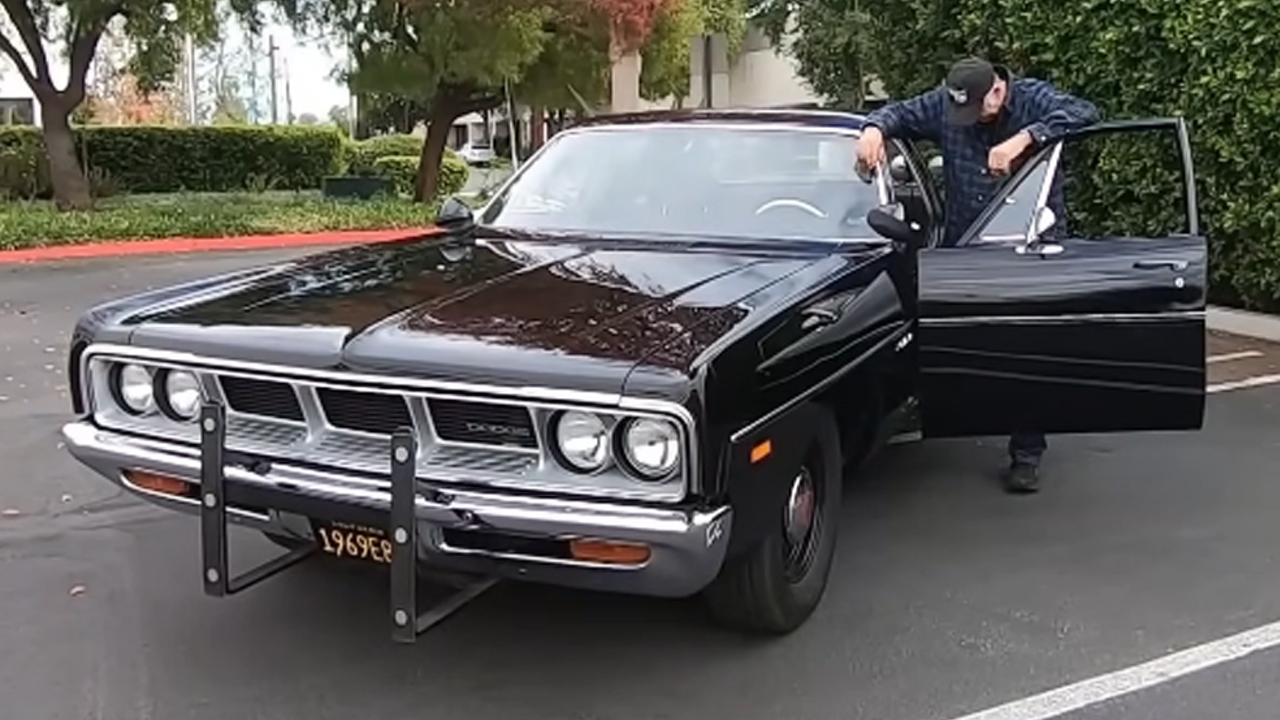
Real-world builds back up that reputation. A feature on a restored California Highway Patrol car notes that builders Add to those powerful drivetrains a 3.23 rearend, heavy-duty front independent suspension, and massive 11-inch front discs and 11-inch rear drums, creating a package that stayed competitive until the Chevrolet Caprice 9C1 came along. A separate walkaround of a 1969 Dodge CHP digs into what made that power plant in police use more effective than some later engines, underscoring how much engineering went into making a big sedan accelerate, stop, and survive hard service. When another video on the same theme asks how much a Dodge Pola CHP car actually weighs and brings in Ed and Jerry to put one on the scales, it drives home just how impressive that performance was given the mass involved.
Design drama: fuselage curves and underrated style
Styling is where I think the 1969 Polara really earns its “blended” reputation, because it managed to look both formal and aggressive. A heritage piece on the big Dodge C-body lineup notes that 1969 brought an all-new body design, Replacing the sharper creases of 1968 with smoother, more integrated sides. That shift gave the Polara a cleaner profile, but the long hood, crisp character lines, and wide grille still projected plenty of presence. To my eye, it is a car that looks dignified at a standstill and slightly menacing in a rearview mirror.
Later retrospectives on Chrysler’s big cars describe how the Chryslers of that era used longer lines and bulging sides to create an appearance unlike anything else on the road, and the Polara shared that DNA. A social post admiring a 1969 Dodge Polara 2-Door Hardtop calls it Big, Bold, Underrated, which neatly captures how enthusiasts now see the shape. It is not as instantly iconic as a Charger, but when you study the proportions and the way the roofline flows into the rear quarters, it feels every bit as intentional and dramatic.
From luxury 500s to forgotten pursuit legends
Within the 1969 lineup, the Polara 500 trim showed how far Dodge was willing to push the comfort side of the equation. A long-term owner profile of a Polara hardtop notes that Jan memories of wanting a 69 Polara 500 stuck with Steve for decades, which says a lot about the car’s aspirational pull. Valuation guides for the Polara 500 point out that Unique to the 1969 and 1970 models was the Super Light option, which added a blue-tinged headlight on the driver’s side to boost illumination without blinding oncoming traffic. Details like that, along with extra trim and interior upgrades, positioned the 500 as a genuine luxury cruiser rather than a bare-bones speed machine.
More from Fast Lane Only: