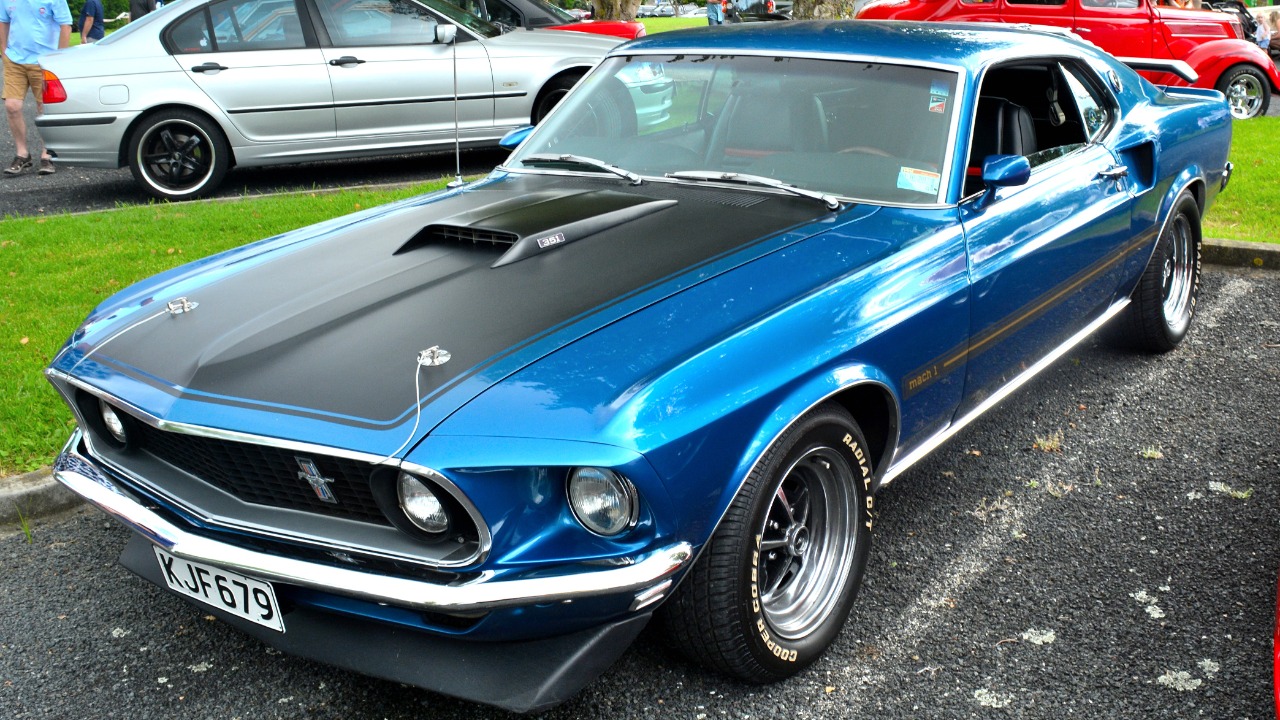
Ford didn’t just add another decal-and-stripe package for 1969. It reshuffled its performance lineup in a way that changed what “the fast Mustang” looked like on the street and in the showroom. The result was a new model that took the spotlight—and, in practical terms, pushed an earlier performance nameplate out of the way.
That earlier model was the GT. After being a key part of the Mustang’s mid-’60s identity, the GT designation wasn’t offered for the 1969 model year. In its place, buyers looking for a factory performance-flavored Mustang were steered toward a different trim that blended muscle-car attitude with an upscale, sporty image.
What it replaced, and what that meant
By 1969, the Mustang lineup had grown wide, and Ford had multiple ways to sell “performance.” The GT had traditionally been a clear signal: a Mustang equipped with a performance-oriented package, positioned above the basic models. When that badge disappeared for 1969, it created a gap in the lineup that needed an equally clear answer for enthusiasts.
The new performance-oriented fastback trim effectively became that answer for many shoppers. It wasn’t identical in mission to the earlier GT, but it occupied the same mental space on the dealer lot: the one you bought when you wanted something bolder, more aggressive, and more track-inspired without jumping straight into the most hardcore homologation specials.
Why Ford made room for a new star
The 1969 model year landed right in the thick of the muscle-car era, and Mustang competition was intense. Rivals were getting louder styling, bigger engines, and more specialized trims that felt purpose-built. Ford responded by making the Mustang’s performance message more dramatic and more clearly segmented across the range.
Part of that strategy was simplifying what each badge stood for. Instead of leaning on a familiar “GT” shorthand, Ford emphasized a distinct personality: a sports-roof Mustang that looked and felt like a street brawler but could still be optioned for comfort. It was as much about image and positioning as it was about raw equipment.
How the new model carved out its identity
In 1969, Mustang styling changed significantly, and the new performance fastback leaned hard into that redesign. The look was more aggressive than earlier Mustangs, with a longer, wider stance and a more muscular presence. It was meant to stand out immediately, even among other Mustangs.
Inside, the intent was to feel sportier and more driver-focused than the plain trims. Ford aimed for a package that could satisfy someone who wanted a weekend fun car but still planned to drive it regularly. That balance helped it become the “default” performance choice for a lot of buyers who might’ve previously gone straight to the GT badge.
Where it sat next to other 1969 performance Mustangs
The 1969 Mustang lineup didn’t lack for fast options, and that’s part of why the GT could be dropped. At the top end, Ford offered specialized models developed with racing and homologation in mind, which naturally drew a lot of enthusiast attention. Those cars had their own identities and were never going to be mistaken for a simple package.
Below that top tier, Ford still needed a model that felt performance-first without being a limited-production statement piece. The new performance fastback filled that lane. It served as the bridge between everyday trims and the more extreme, competition-linked offerings.
What “replacing” really looked like in the showroom
For a buyer walking into a Ford dealership in 1969, the absence of a GT badge changed the shopping conversation. Instead of asking, “Do you have a GT?” many shoppers were now pointed toward this newer trim as the sporty, ready-to-go choice. It gave salespeople a fresh hook and a clearer visual difference on the lot.
That doesn’t mean the underlying mechanical options vanished. Engines, transmissions, and other performance-related choices were still part of the broader Mustang menu, depending on how a car was ordered. But the model identity doing the heavy lifting—the label that packaged the attitude and intent—had shifted.
Performance was still about options, not just the name
One important thing about late-’60s Mustangs is that performance wasn’t locked to a single trim level. Buyers could mix and match powertrains and equipment based on budget and availability. So while the new performance fastback replaced the GT as a named model for 1969, it didn’t suddenly become the only way to get a quick Mustang.
That said, trim names matter because they shape expectations. A performance badge suggests a factory-approved combination and a certain look that people recognize. Ford’s move effectively redirected that recognition to a different model, one that better matched the era’s appetite for bold styling and a more specialized image.
Why the change still matters to collectors and fans
Today, that 1969 lineup change is a helpful clue when you’re trying to understand what Ford thought buyers wanted at the time. The dropping of the GT badge for that year highlights how quickly the market was evolving. Ford wasn’t just chasing horsepower; it was chasing a specific kind of performance identity.
It also explains why people often associate that year’s sporty fastback with being the go-to performance Mustang in regular production, even though other models and options existed around it. The nameplate wasn’t simply added alongside everything else—it was elevated into a role an earlier performance model had held. And that’s the real story behind how a new badge came in and another one, at least for that year, stepped aside.
More from Fast Lane Only
- Unboxing the WWII Jeep in a Crate
- 15 rare Chevys collectors are quietly buying
- 10 underrated V8s still worth hunting down
- Police notice this before you even roll window down
*Research for this article included AI assistance, with all final content reviewed by human editors.