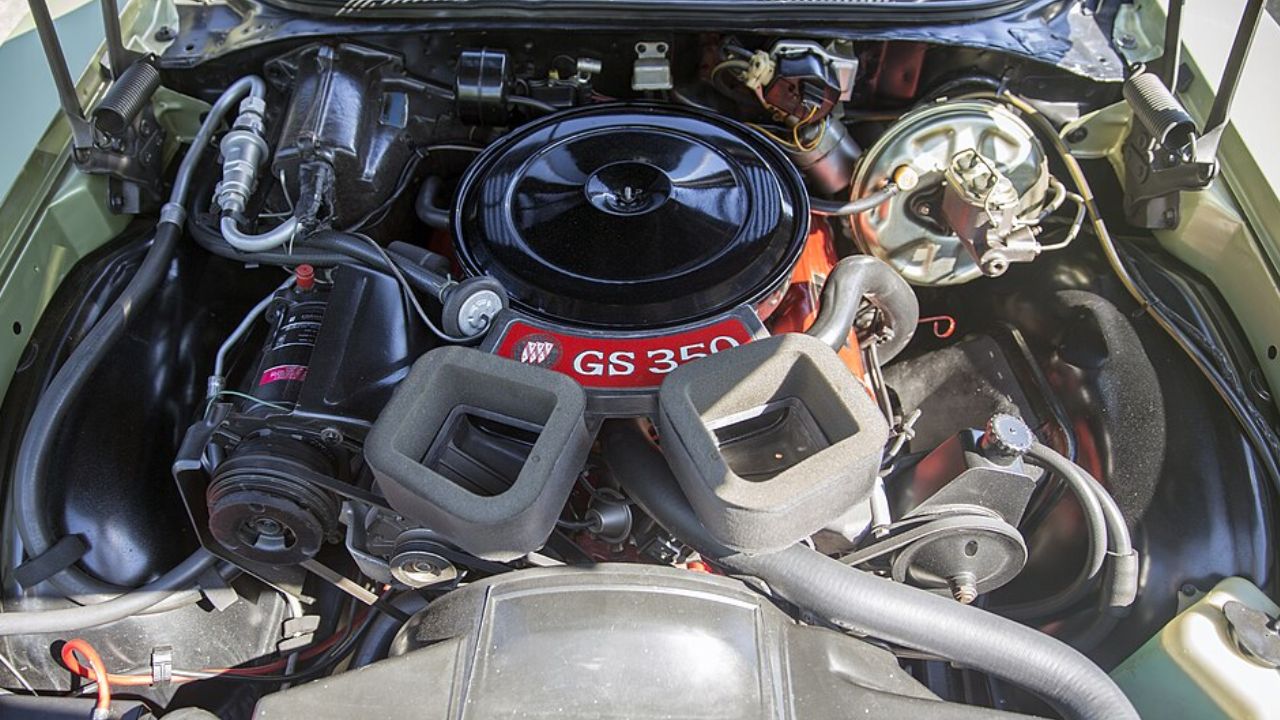
Buick doesn’t usually get mentioned in the same breath as the most famous muscle-era powerplants, yet one of its engines quietly earned real respect from racers and tuners. The surprise wasn’t that Buick could build torque—its big cars always had that—but that this particular V8 could take abuse, respond to modifications, and run with far more celebrated hardware. That credibility came from a mix of smart architecture, strong factory pieces, and the way the aftermarket (and racers) learned to exploit it.
The V6 that set the stage
Before the V8 in question became a cult favorite, Buick had already shown a willingness to build performance engines that didn’t fit the obvious mold. In the mid-1960s, Buick’s 225 cubic-inch V6 (famously used in the Jeep CJ-5) helped establish the idea that compact engines could still deliver useful torque and durability. It wasn’t a muscle-car icon, but it shaped how engineers and buyers thought about “small but strong” powerplants.
That mindset mattered because Buick’s later performance credibility didn’t come from simply making the biggest engine. It came from making an engine that was easy to live with, hard to kill, and unexpectedly quick when tuned. By the time the late 1960s performance battles were in full swing, Buick had the pieces in place to surprise people.
The sleeper reputation: Buick’s 350 small-block
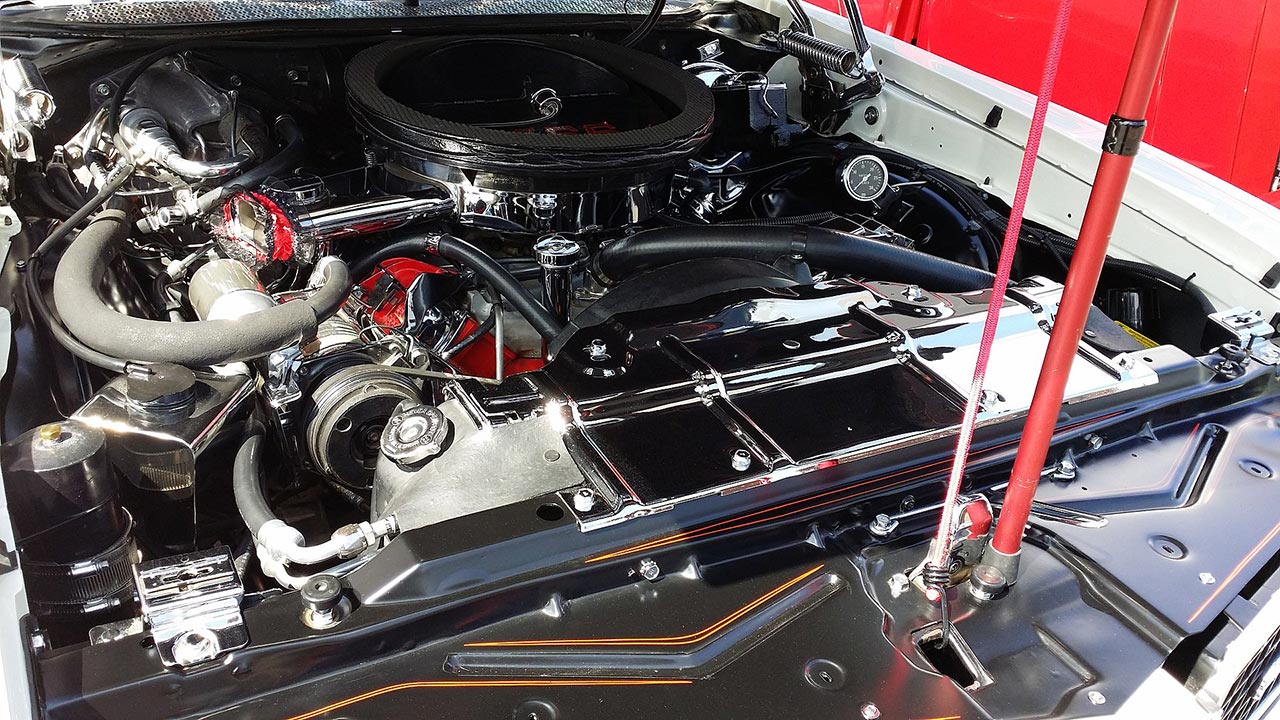
The engine most responsible for that unexpected credibility is Buick’s 350 cubic-inch small-block V8, introduced for the 1968 model year. It arrived in an era crowded with small-block royalty, so it didn’t automatically get the spotlight. But it earned a following because it mixed street-friendly manners with genuine performance potential, especially in lighter intermediates like the Buick Skylark and performance trims like the GS 350.
Part of the engine’s appeal is that it wasn’t simply a corporate “generic” small-block. Buick’s 350 belonged to Buick’s own small-block family, with design choices distinct from Chevrolet’s ubiquitous small-block and Oldsmobile’s contemporaries. Owners found that when the carburetion, ignition, camshaft, and exhaust were sorted, the 350 could feel far stronger than its reputation suggested—exactly the kind of real-world result that builds credibility fast.
Why it worked: architecture and durability in the real world
A big reason the Buick 350 earned respect is that it was built as a torque-forward street engine with sturdy fundamentals. Buick’s small-block V8s were known for relatively deep-skirt block architecture, and the 350’s bottom end has long been regarded as tough enough for serious street performance when properly prepared. That durability gave hobbyists confidence to push it harder than many expected from a “Buick 350” badge on the air cleaner.
Just as important, the engine responded to common, sensible upgrades rather than exotic one-off tricks. Better intake flow, a well-matched cam, and improved exhaust typically woke the engine up in a way enthusiasts could feel immediately. It didn’t require chasing sky-high RPM to be fun, which fit Buick’s brand character while still giving the car legitimate punch.
The underrated advantage: cylinder heads and airflow potential
Talk to longtime Buick builders and you’ll hear the same theme: airflow is everything, and the Buick 350 can be surprisingly cooperative. Factory Buick small-block heads weren’t famous in the way certain high-performance Chevrolet castings were, but they weren’t dead ends either. With careful attention to valve job quality, mild port work, and sensible compression, the engine could deliver strong midrange and top-end improvements without becoming temperamental.
That practicality is what made the 350 a “credibility” engine instead of just a curiosity. It’s one thing to be rare; it’s another to be rare and effective. The Buick 350’s head-and-cam combinations, when done thoughtfully, routinely delivered the kind of street performance that made skeptics stop treating it like an also-ran.
Proof on the street and strip: where the respect came from
Buick’s big-block GS 400 and GS 455 models understandably got most of the headlines, but the 350-powered cars helped build a quieter, grassroots reputation. In the real world—stoplight runs, bracket racing, weekend wrenching—the Buick 350 became a platform people could afford and improve. That matters because credibility isn’t just about factory brochures; it’s about what enthusiasts see repeatedly working.
Over time, the engine’s image benefited from its “sleeper” nature. Competitors didn’t always take it seriously until it performed, and that underestimation is part of what made it memorable. When a Buick 350 car ran better than expected, it wasn’t just quick—it was unexpected, and that’s exactly how reputations get rewritten in enthusiast circles.
Legacy: the Buick 350 as a modern enthusiast’s choice
Today, the Buick 350’s credibility lives in the community that continues to build and tune them, often aiming for strong street performance with period-correct character. It’s not the simplest engine to build if you’re comparing parts availability to the most common small-blocks, but it’s far from unsupported, and knowledge has accumulated over decades. That shared experience—what works, what doesn’t, and how to make one run right—keeps the engine relevant.
Most of all, the Buick 350 stands as a reminder that performance history isn’t only written by the loudest names. Sometimes it’s written by the engines that show up, take the punishment, and quietly deliver. Buick’s 350 did that often enough to earn something the brand didn’t always get in the muscle era: widespread, earned respect.
More from Fast Lane Only
- Unboxing the WWII Jeep in a Crate
- 15 rare Chevys collectors are quietly buying
- 10 underrated V8s still worth hunting down
- Police notice this before you even roll window down
*Research for this article included AI assistance, with all final content reviewed by human editors.